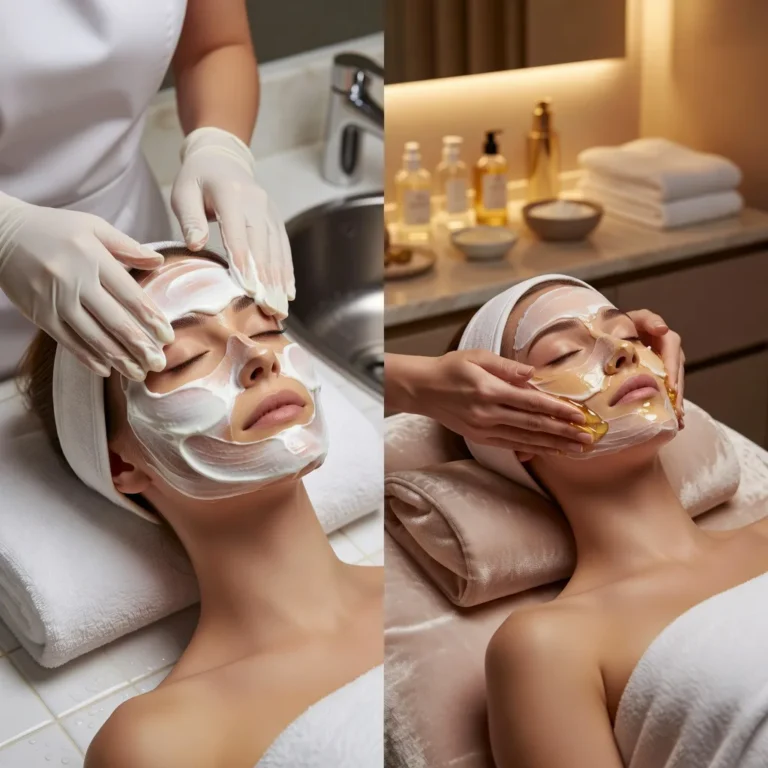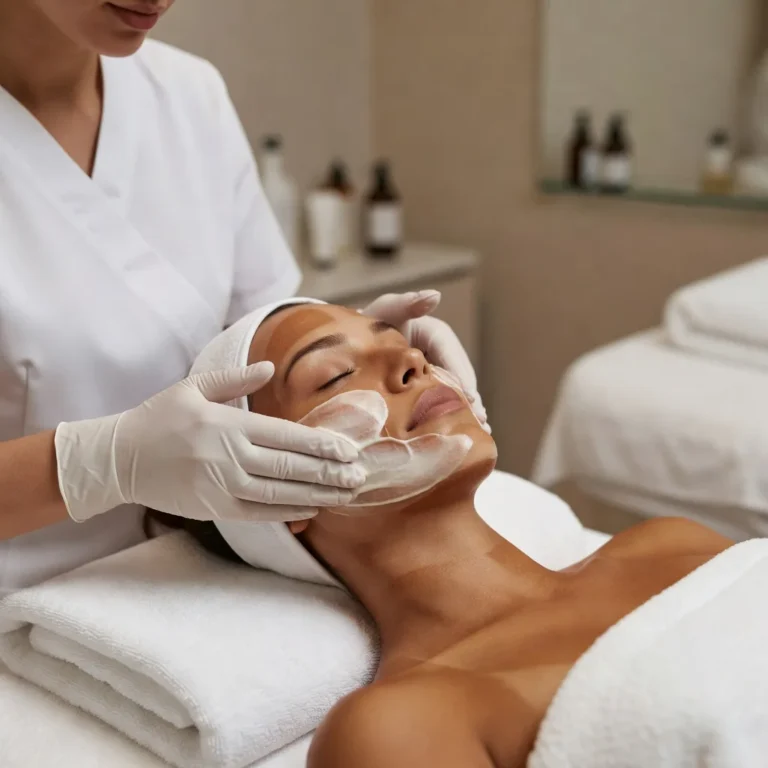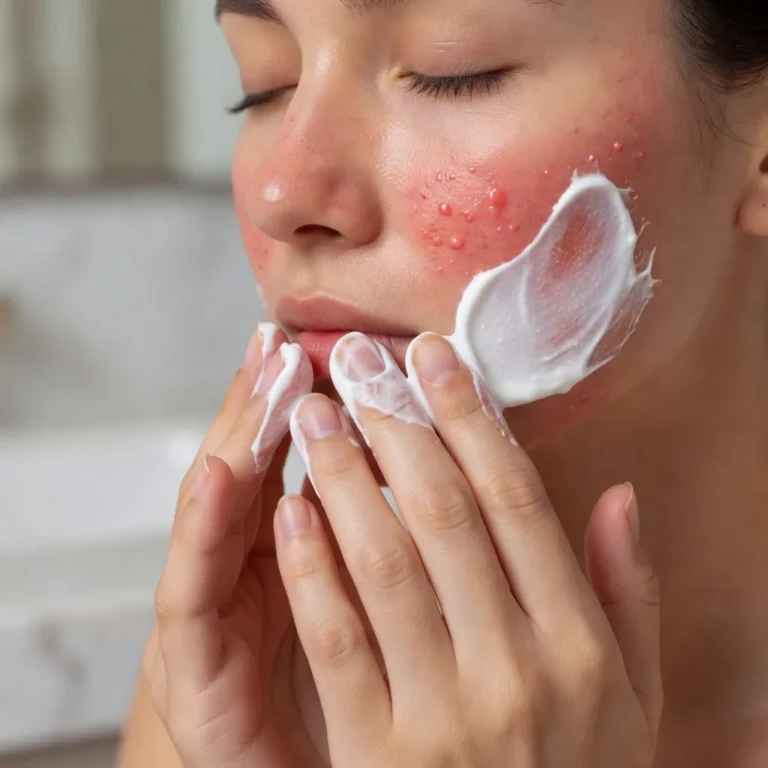
Microdermabrasion vs Dermaplaning: Differences, Results and Which to Choose
Microdermabrasion and dermaplaning are both popular ways to get smoother, brighter skin with little downtime. They are often compared because they both work on the surface of the skin, but they do it in very different ways and suit different people.
Part of our guide to at-home facial devices. Start with: 10 Best Products for Women's Facial Hair Removal (2026): Gentle Picks
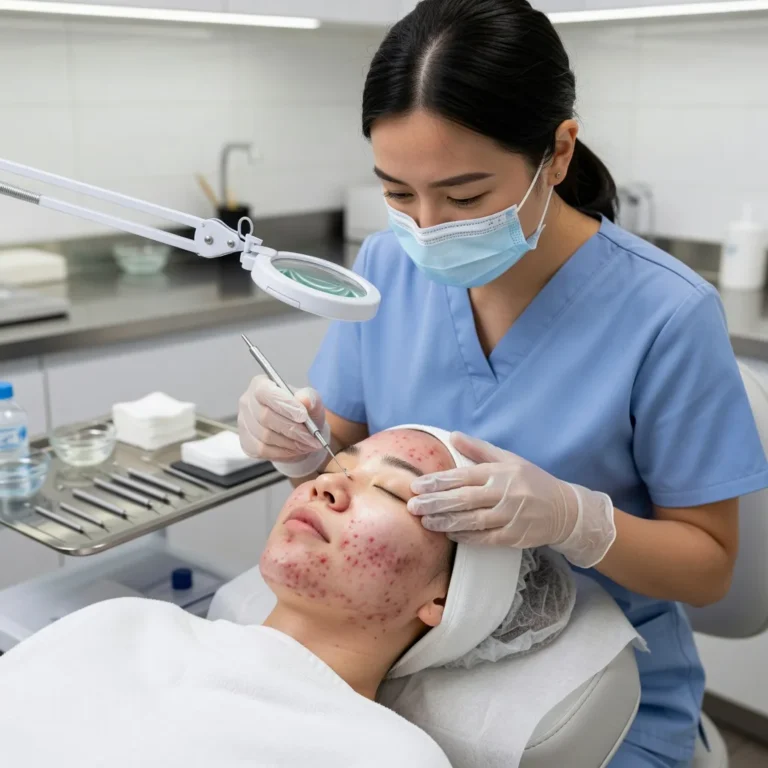
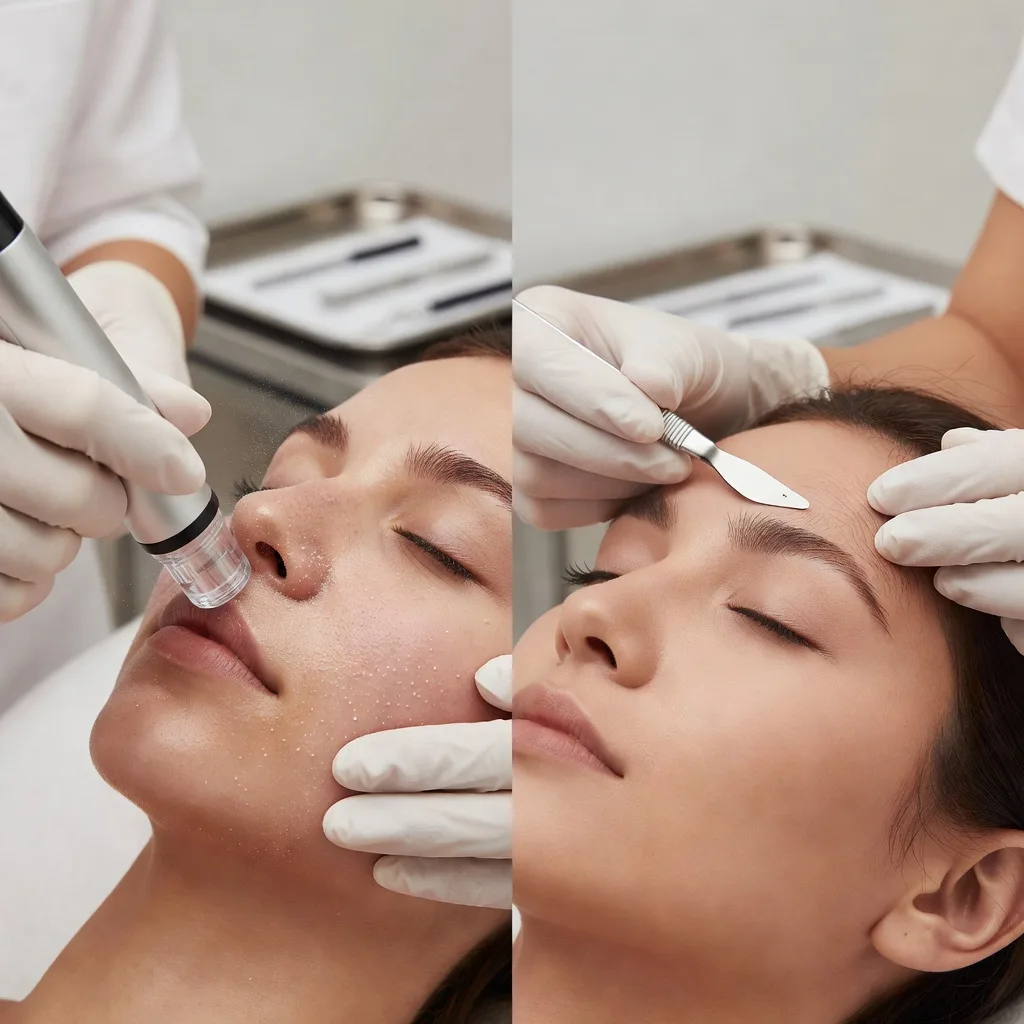
The main difference between microdermabrasion and dermaplaning is how they exfoliate. Microdermabrasion uses a diamond-tipped wand or fine crystals with suction to buff away the top layer of dead skin cells, and is better for rough texture, dullness and gradually fading mild dark marks over a series of sessions. Dermaplaning uses a sterile, fine blade held at an angle to gently scrape off dead skin and fine vellus hair, or peach fuzz, and gives an instantly smooth surface that makes makeup look better. Dermaplaning is often gentler for dry or sensitive skin but is not suited to active acne. Neither treats deep scars or wrinkles.
In short: choose microdermabrasion for texture and tone over time; choose dermaplaning for instant smoothness and removing peach fuzz.
The American Academy of Dermatology describes microdermabrasion as suitable for all skin colours with little downtime, and notes that at-home kits do not go as deep as a dermatologist’s treatment. The same principle applies to dermaplaning: home tools are gentler than professional treatment.
This guide compares both treatments side by side, including results, feel, risks, how often to have them and how to use at-home versions safely.
Shopping these picks?
Amazon Prime members get fast, free shipping on eligible items, plus Prime Video, Amazon Music and member deals. New members can start with a free trial.
Start a free Prime trialAged 18 to 24? Prime for Young Adults comes with a longer free trial and a lower price after it.
Affiliate link: we may earn a commission at no extra cost to you.
Recommended At-Home Microdermabrasion and Dermaplaning Tools
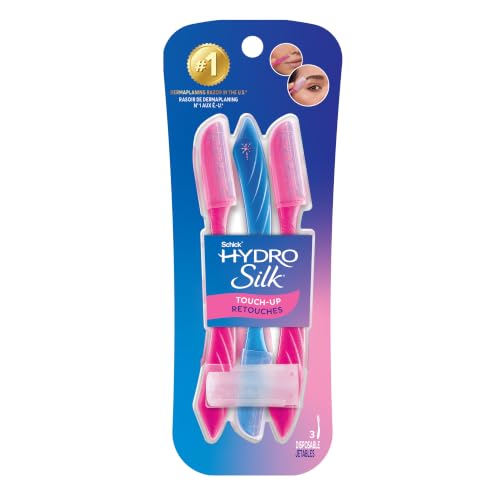
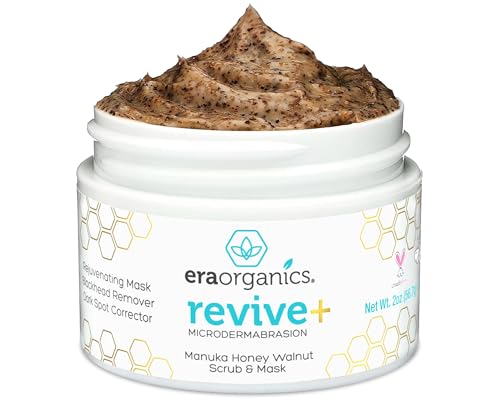
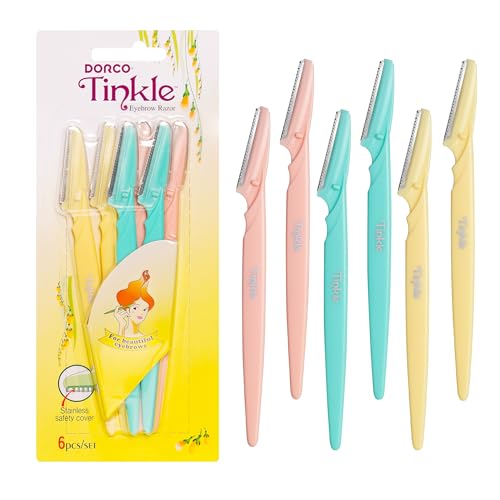
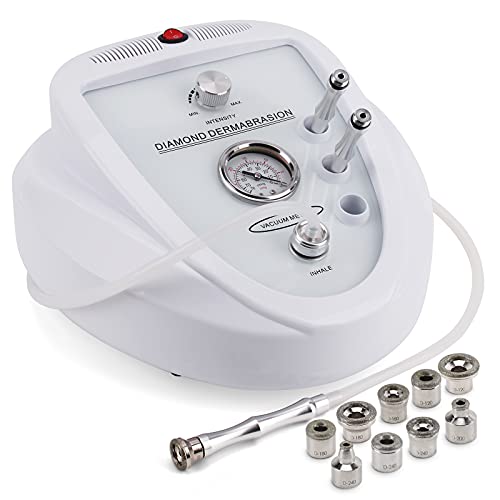
Contents
- Microdermabrasion vs Dermaplaning at a Glance
- How Microdermabrasion Works
- How Dermaplaning Works
- Results: What Each Treatment Can and Cannot Do
- Who Each Treatment Suits
- How to Choose Between Microdermabrasion and Dermaplaning
- Side Effects and Safety
- At-Home Versions: What to Know
- Aftercare for Both Treatments
- Dos and Don’ts
- Honest Limits
- When to See a Dermatologist
- Your Questions, Answered
- The Bottom Line
Key Takeaways
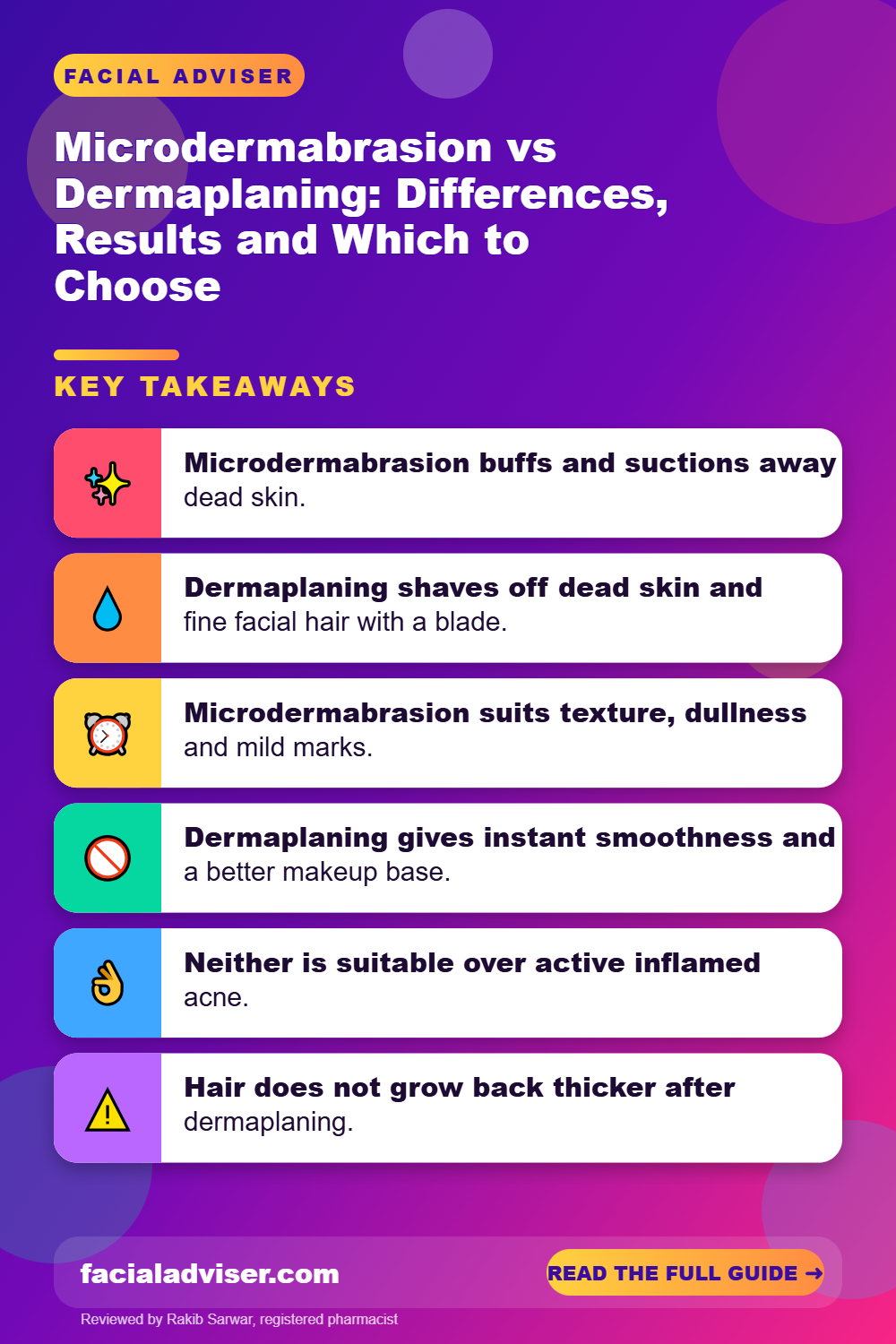
- Microdermabrasion buffs and suctions away dead skin.
- Dermaplaning shaves off dead skin and fine facial hair with a blade.
- Microdermabrasion suits texture, dullness and mild marks.
- Dermaplaning gives instant smoothness and a better makeup base.
- Neither is suitable over active inflamed acne.
- Hair does not grow back thicker after dermaplaning.
- Both need daily sunscreen afterwards.
Microdermabrasion vs Dermaplaning at a Glance
This table compares the two treatments in typical clinic settings. Individual clinics may use different devices, blades and techniques, so ask your practitioner exactly what their version involves before you book.
| Feature | Microdermabrasion | Dermaplaning |
|---|---|---|
| How it works | Diamond tip or crystals plus suction | Fine blade scrapes the skin surface |
| Removes | Dead skin cells | Dead skin cells and peach fuzz |
| Feel | Light scratching and suction | Gentle scraping; usually painless |
| Best for | Texture, dullness, mild dark marks | Instant smoothness, makeup prep, fine hair |
| Results | Build over several sessions | Immediate; last a few weeks |
| Downtime | Mild redness for a few hours | Usually none |
| Suits sensitive skin | Sometimes, at gentle settings | Often, if skin is not inflamed |
| Avoid with | Active acne, rosacea flares | Active acne, very oily breakout-prone skin |
Both are superficial treatments. If you want to treat deep scars, wrinkles or loose skin, a dermatologist can recommend stronger options such as lasers or microneedling. These go deeper into the skin and usually involve more downtime, but they can change things that surface treatments cannot.
How Microdermabrasion Works
Microdermabrasion uses a handheld device to mechanically exfoliate the skin. The suction lifts away dead cells and may briefly increase blood flow, which leaves skin looking pinker and fresher for a few hours. The practitioner can adjust the suction strength and the number of passes to suit your skin, which is why the same treatment can feel quite different from one clinic to another.
- Diamond-tip devices exfoliate with a textured tip and are the most common type in clinics today.
- Crystal devices spray fine crystals onto the skin and vacuum them away, which can feel slightly grittier.
- A series of sessions a few weeks apart gives the best results, followed by occasional maintenance.
- Each session usually takes 30 to 45 minutes, with a moisturiser and sunscreen applied afterwards.
See the AAD overview of microdermabrasion and our guide on what microdermabrasion is good for for more detail.
How Dermaplaning Works
Dermaplaning uses a sterile, single-use surgical-style blade held at about a 45 degree angle. The practitioner makes short, light strokes over dry, clean skin to remove the top layer of dead cells and the fine hair on the face. The skin is usually held taut with the other hand so the blade glides smoothly without catching.
- Removes dead skin for a smoother, softer surface.
- Removes peach fuzz, so makeup and skincare sit more evenly and foundation looks less textured.
- Gives an immediate result, often lasting three to four weeks as skin and hair grow back.
- Is usually painless, with no suction or heat, which is why many people find it relaxing.
Our guide on what skin dermaplaning is explains the treatment step by step, and our comparison of facial waxing and dermaplaning covers hair removal options.
Results: What Each Treatment Can and Cannot Do
Both treatments improve the surface of the skin, but in slightly different ways. The table shows where each one tends to perform best, based on how they work.
| Concern | Microdermabrasion | Dermaplaning |
|---|---|---|
| Rough texture | Good | Good, instantly |
| Dull skin | Good | Good, instantly |
| Peach fuzz | No | Yes |
| Makeup application | Improves | Improves noticeably |
| Mild dark marks | Moderate, over a series | Limited |
| Blackheads | Mild, temporary | Little effect |
| Deep scars and wrinkles | No | No |
Neither treatment changes how much oil your skin makes, so if shine is your main concern, focus on skincare and blotting instead. Many people notice that dermaplaning makes skin feel softer straight away, while microdermabrasion gives more gradual changes in tone after several sessions. If you want both an instant glow and longer-term improvement, some people alternate the two, leaving a few weeks between treatments.
Who Each Treatment Suits
Your skin type and goals make the choice easier. It also helps to think about your routine at home, because both treatments work best alongside gentle daily care.
- Microdermabrasion: normal, oily or combination skin with rough texture, dullness, clogged-looking pores or mild post-acne marks.
- Dermaplaning: dry, dull or mature skin, people who want a smoother makeup base for events or photos, and those bothered by peach fuzz catching light or powder.
- Sensitive skin: dermaplaning is often better tolerated, but test gently first.
- Acne-prone skin: avoid both over active breakouts; microdermabrasion may help faint marks once acne is controlled.
- Deeper skin tones: both can suit, but choose an experienced practitioner to lower the risk of irritation and dark marks.
If you are torn between the two, start with the gentler option for your skin type and see how it responds. You can always try the other treatment later, leaving a few weeks in between.
How to Choose Between Microdermabrasion and Dermaplaning
Use these steps to decide which treatment fits you best. A few minutes of planning helps you avoid booking a treatment that does not match your skin.
Name your main goal
Texture and tone over time, or instant smoothness and peach fuzz removal.
Check for active acne
If you have inflamed breakouts, treat those first.
Consider sensitivity
If your skin reacts easily, start with a gentle dermaplaning session.
Think about timing
Dermaplaning a few days before an event gives an instant glow; plan microdermabrasion weeks ahead.
Pause strong actives
Stop retinoids and acids a few days before either treatment if advised.
Book a consultation
Ask the practitioner which treatment suits your skin.
Plan aftercare
Use gentle products and daily sunscreen afterwards.
Some clinics offer dermaplaning followed by a gentle peel or facial. If you choose a combination, ask for a lower-strength second step so you do not over-exfoliate.
Keep a simple record of which treatment you had, when, and how your skin looked a week later. After two or three treatments, the pattern usually makes it clear which option gives you the best results for the time and money involved.
Side Effects and Safety
Both treatments are low risk when done by a trained professional, but they are not risk-free. Most side effects are mild and settle within a day or two, but it helps to know what to expect.
- Microdermabrasion: redness, dryness, sun sensitivity and, rarely, bruising or dark patches, especially with strong suction.
- Dermaplaning: redness, small nicks or cuts, and breakouts if bacteria are spread across acne or the blade is not clean.
- Both: irritation if combined with strong actives such as retinoids or acids too soon afterwards.
Do not have either treatment over active acne, cold sores, rashes, sunburn or eczema flares, as both can spread infection or worsen inflammation. If you use isotretinoin or prescription retinoids, check with your dermatologist first. At home, never share blades, never use a dull or dirty blade and never use a straight razor on your face.
The AAD’s microdermabrasion FAQs explain how to prepare for treatment.
At-Home Versions: What to Know
Both treatments have at-home versions that are gentler than professional ones. They are cheaper and convenient, but they rely on good technique and hygiene to be safe.
- Home dermaplaning razors: small, single-edge facial razors used on clean, dry skin with light, short strokes, always moving downward and holding the skin taut.
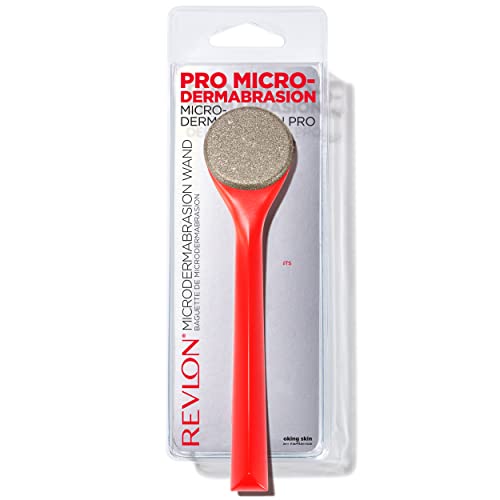
- Home microdermabrasion devices: suction wands with interchangeable heads, used on low settings.
- Microdermabrasion scrubs: fine-grain scrubs that polish the surface.
- Frequency: no more than every three to four weeks for dermaplaning and as instructed for devices, with gentle skincare in between.
Hair does not grow back thicker or darker after dermaplaning. It can feel slightly blunt at first because the tip has been cut straight, but the hair itself does not change. If you notice coarse dark hair appearing on the chin or upper lip for the first time, that is a different issue worth mentioning to a doctor.
Aftercare for Both Treatments
Freshly exfoliated skin needs gentle care for a few days. The top protective layer has been thinned, so skin is more sensitive to sun, heat and strong products than usual.
- Use a mild, fragrance-free cleanser and lukewarm water.
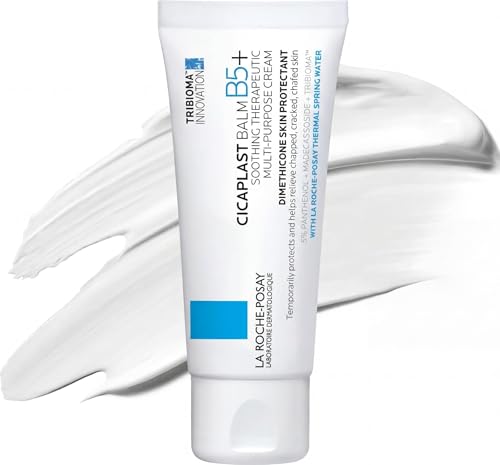
- Apply a soothing, barrier-supporting moisturiser with ingredients such as ceramides, panthenol or glycerin.
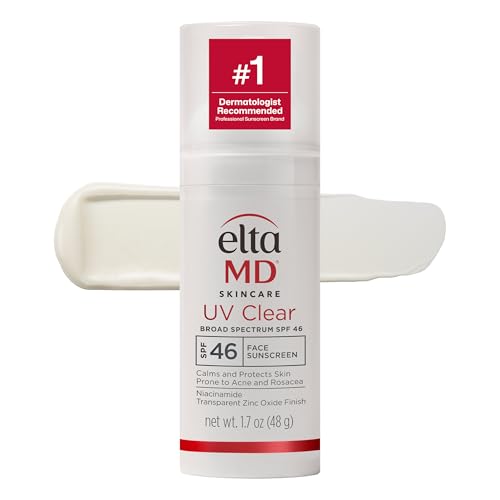
- Wear broad-spectrum SPF 30 or higher every day and reapply if you are outdoors.
- Skip retinoids, acids and scrubs for a few days, then reintroduce them gradually.
- Avoid saunas, hot yoga and very hot showers for 24 hours.
- Keep hands off your face and avoid picking at any flakes or small nicks.
Our guide on microdermabrasion versus a facial explains how these treatments fit alongside other clinic options. If your skin feels tight or stings after treatment, simplify your routine further and add products back one at a time.
Dos and Don’ts
Try This
- Choose by your main goal
- Use a qualified practitioner
- Wear sunscreen daily afterwards
- Keep aftercare gentle
- Use a fresh, clean blade at home
Avoid This
- Treat active acne with either method
- Combine several exfoliants in one week
- Share or reuse dirty blades
- Expect deep scars to disappear
- Go sunbathing after treatment
Honest Limits
There is limited high-quality research comparing microdermabrasion and dermaplaning directly. Both give modest, surface-level improvements, and much of what is known comes from clinical experience. Before-and-after photos online often use flattering lighting, so treat them with some caution.
Neither treatment replaces a good daily routine or medical care for skin conditions. For acne scars, melasma or deep wrinkles, ask a dermatologist about more effective options. Results from both treatments also fade as the skin renews itself, so ongoing maintenance is needed to keep them.
When to See a Dermatologist
- You have active acne, rosacea or eczema.
- You want to treat scars, melasma or wrinkles.
- You get lasting redness, cuts, bruising or dark patches after treatment.
- You notice sudden coarse facial hair growth.
This article is for general information and does not replace professional medical advice. See a board-certified dermatologist before cosmetic treatments if you have a skin condition or take medications that affect the skin.
Your Questions, Answered
What is the difference between microdermabrasion and dermaplaning?
Microdermabrasion buffs and suctions; dermaplaning shaves off dead skin and fine hair.
Which is better for acne scars?
Microdermabrasion may help faint marks; deep scars need other treatments.
Which is better for sensitive skin?
Dermaplaning is often better tolerated.
Does dermaplaning make hair grow back thicker?
No, hair grows back the same.
Which gives faster results?
Dermaplaning gives instant smoothness.
How often can I dermaplane?
Usually every three to four weeks.
How often can I have microdermabrasion?
Usually a series a few weeks apart, then maintenance.
Can I do both?
Yes, but not in the same week unless your practitioner advises it.
Is there downtime?
Usually little or none for either.
Can I wear makeup after dermaplaning?
Many people can the next day; wait if skin is red.
The Bottom Line
Microdermabrasion buffs and suctions away dead skin for smoother texture and gradual tone improvement, while dermaplaning shaves off dead skin and peach fuzz for instant smoothness and a better makeup base.
Choose by your main goal and skin type, avoid both over active acne and protect your results with gentle aftercare and daily sunscreen.

Written by
Registered pharmacist and founder of Facial Adviser. Rakib's pharmacy training covers how skincare actives work and interact; a later course in cosmetology turned that into a focus on facial treatments and skincare products. He plans, researches and edits every guide on the site and checks health claims against sources such as the American Academy of Dermatology, the FDA and the NIH. He is not a dermatologist; see the Editorial Policy and Medical Disclaimer.
About · Editorial policy · How we choose products · Medical disclaimer · Contact
Keep reading: Facial hair removal
- 10 Best Products for Women's Facial Hair Removal (2026): Gentle Picks
- Normal Facial Hair in Women vs PCOS: The Signs That Point to Hormones
- Waxing vs Shaving Facial Hair: Which Is Better for Your Skin?
- Beard vs Clean-Shaven: What Facial Hair Does for Your Skin and Look
- Laser vs Electrolysis for Facial Hair: Which Works for Your Hair and Skin
- Epilator vs Waxing for Facial Hair: Pain, Results, and Skin Safety
- 10 Best Gua Sha Facial Tools (2026): Stone and Steel Picks Compared
- 10 Best Facial Tools (2026): LED, Cleansing, Gua Sha and More