How to Make Setting Spray at Home: 3 Simple Recipes and Safety Tips
Store-bought setting sprays can be pricey, and some contain alcohol or fragrance that not everyone enjoys. So it is tempting to mix your own from a few simple ingredients at home. The good news is that it is easy to do. The catch is that a homemade spray works differently from a commercial one, and it needs more care to stay safe.
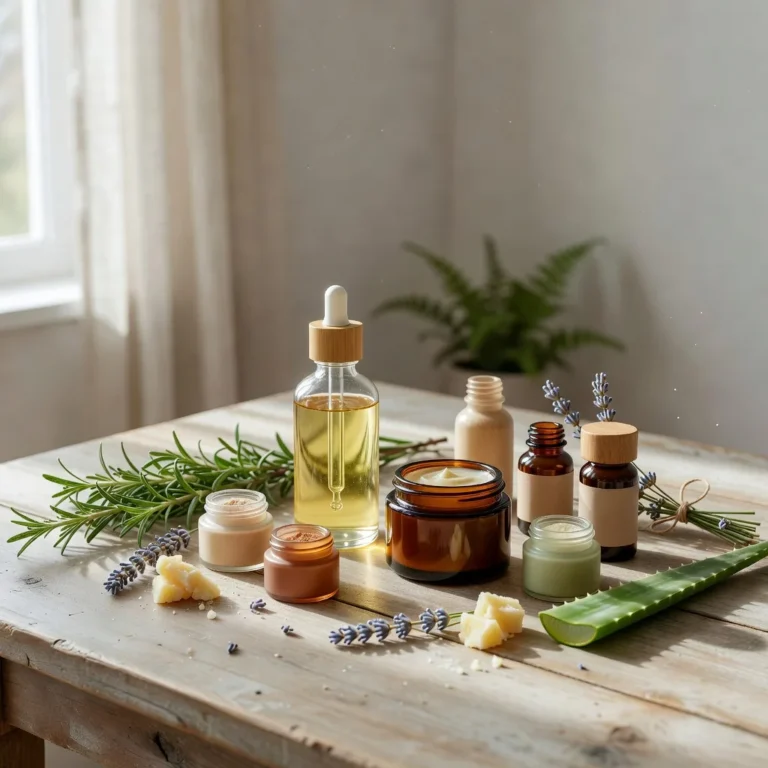
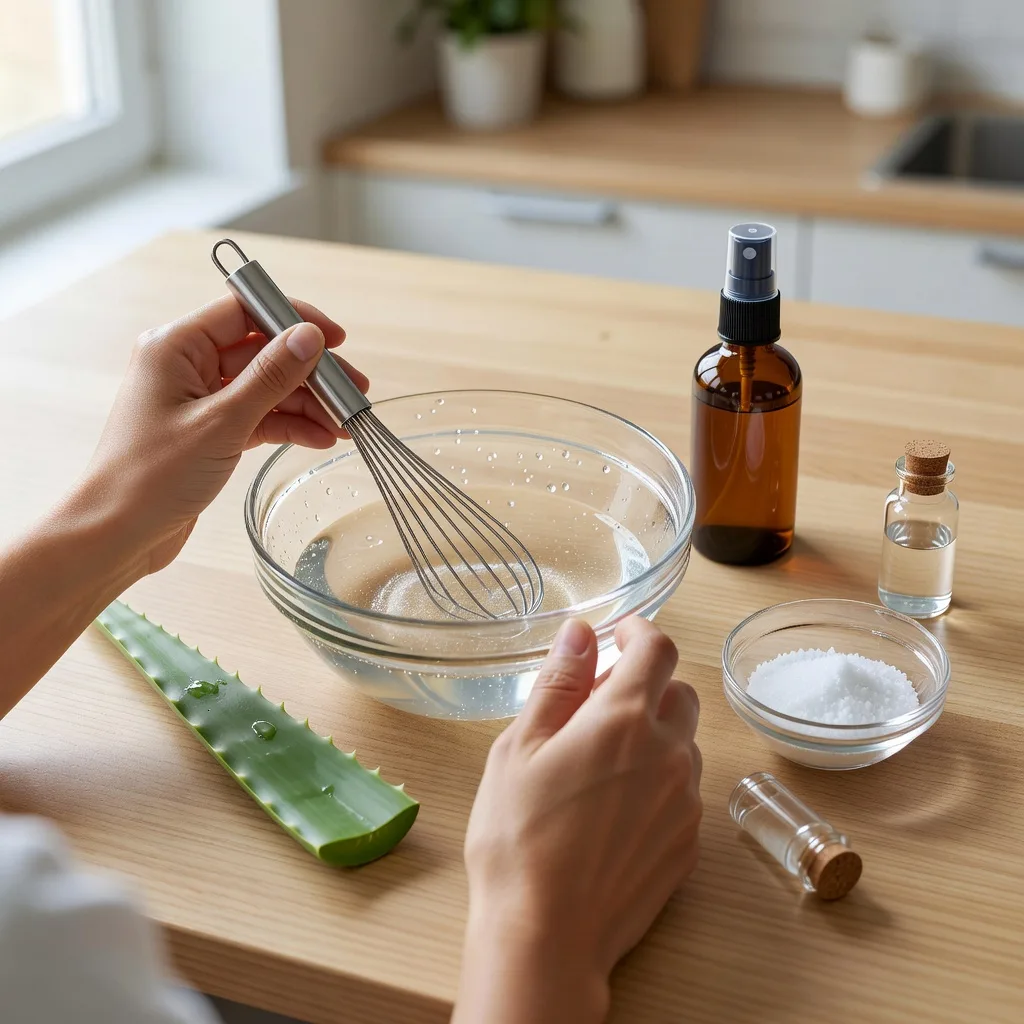
To make setting spray at home, mix distilled or cooled boiled water with a small amount of a humectant such as vegetable glycerin or aloe vera gel, and optionally a little alcohol-free witch hazel or rose water, then pour it into a clean fine-mist spray bottle. A basic recipe is about 100 millilitres of distilled water with half a teaspoon of glycerin. Shake before each use and mist over finished makeup from arm’s length. Because homemade sprays usually contain no preservative, make small batches, keep them in the fridge and throw them away after about a week, or sooner if they look or smell different.
In short: a DIY spray is a hydrating finishing mist, not a long-wear fixer, and it needs to be made fresh.
Homemade water-based products are an easy home for bacteria and mould. A study in the Journal of Applied Microbiology found that most used cosmetic products tested were contaminated with bacteria, which is why hygiene and short shelf life matter even more for products made in a kitchen.
This guide gives three simple recipes, explains what each ingredient does, how to use and store your spray, and when a store-bought setting spray is the better choice.
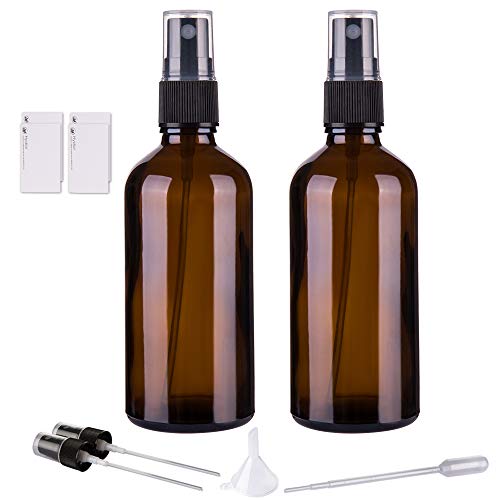
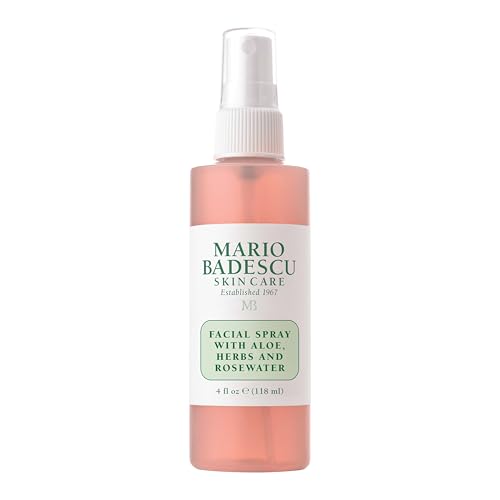
Recommended Supplies for DIY Setting Spray




On This Page
- What a Homemade Setting Spray Can and Cannot Do
- What Each Ingredient Does
- 3 Simple DIY Setting Spray Recipes
- How to Make a Basic DIY Setting Spray
- How to Use Your Homemade Setting Spray
- How Long Homemade Setting Spray Lasts
- Choosing a Recipe for Your Skin Type
- When a Store-Bought Spray Is the Better Choice
- Troubleshooting Your DIY Spray
- Dos and Don’ts
- Honest Limits
- When to See a Dermatologist
- Common Questions
- The Bottom Line
At a Glance
- A basic DIY spray is water plus a little glycerin or aloe.
- Homemade sprays hydrate and soften powder; they do not lock makeup like a fixer.
- Use distilled or cooled boiled water and a clean bottle.
- Make small batches, refrigerate and use within about a week.
- Too much glycerin makes the spray sticky.
- Avoid essential oils and strong fragrances on the face.
- Throw it away if it turns cloudy, smells or grows anything.
What a Homemade Setting Spray Can and Cannot Do
Before you start, it helps to know what to expect from a DIY spray, so you are not disappointed when it behaves differently from the bottle you usually buy.
| What it does | DIY spray | Store-bought long-wear spray |
|---|---|---|
| Melts powder into skin | Yes | Yes |
| Adds hydration and dewiness | Yes | Some formulas |
| Locks makeup for many hours | Very little | Yes, with film-forming polymers |
| Resists sweat and transfer | No | Often |
| Shelf life | About a week in the fridge | Months to years |
| Cost | Very low | Low to high |
Commercial long-wear sprays contain film-forming polymers that create a flexible layer over makeup. These are not practical to use at home. A homemade spray is best thought of as a hydrating finishing mist that makes powder look more like skin. Our guide to makeup fixer versus setting spray explains the difference in more detail.
What Each Ingredient Does
Most DIY setting sprays use a handful of simple ingredients that are easy to find online or in pharmacies. Keep each one in its original container and check its own expiry date before use.
- Distilled or cooled boiled water: the base. Tap water can carry minerals and microbes.
- Vegetable glycerin: a humectant that draws in moisture and gives a slight hold. Use very little.
- Aloe vera gel: soothing and lightly hydrating, with a soft film.
- Alcohol-free witch hazel: can give a slightly mattifying, refreshing feel for oily skin.
- Rose water: adds a light scent and a refreshing feel; choose one without added fragrance if you are sensitive.
Avoid adding essential oils, lemon juice, apple cider vinegar or other strong ingredients. They can irritate facial skin and eyes, and some, like citrus oils, can make skin more sensitive to sunlight.
3 Simple DIY Setting Spray Recipes
Each recipe makes a small batch of about 100 millilitres. Measure carefully, because small changes make a big difference to how sticky or dewy the spray feels.
| Recipe | Ingredients | Best for |
|---|---|---|
| Basic glycerin mist | 100 ml distilled water, half a teaspoon vegetable glycerin | Normal and dry skin |
| Aloe hydrating mist | 90 ml distilled water, 1 teaspoon aloe vera gel, a few drops glycerin | Dry, dehydrated or sensitive skin |
| Witch hazel refreshing mist | 70 ml distilled water, 30 ml alcohol-free witch hazel, a few drops glycerin | Normal to oily skin |
If the spray feels tacky on your skin, add more water. If it evaporates too quickly and does nothing, add a drop or two more glycerin. Aloe gel can clog fine-mist nozzles, so stir it in well or strain the mixture before bottling. Start with the basic glycerin mist if you have never made one before, because it is the easiest to adjust and the least likely to clog the bottle.
How to Make a Basic DIY Setting Spray
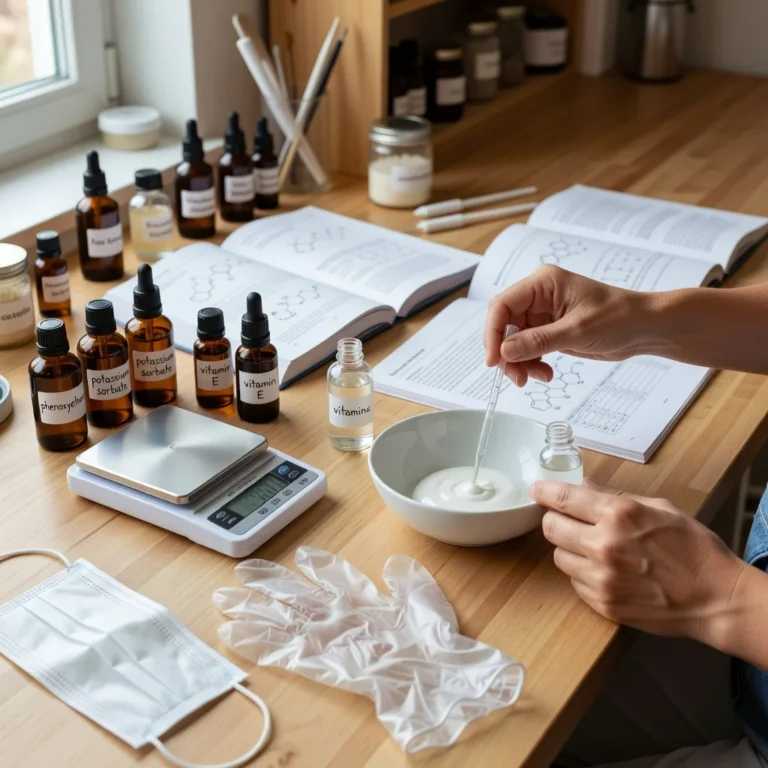
Clean equipment is the most important part of making any homemade skincare. Most problems with DIY sprays come from dirty bottles, unclean hands or water that was not boiled or distilled.
Wash your hands
Wash thoroughly with soap and water before you start.
Clean the bottle
Wash the spray bottle and nozzle in hot soapy water, rinse and let them dry completely.
Measure the water
Pour distilled or freshly boiled and cooled water into a clean jug.
Add the humectant
Stir in glycerin or aloe gel until fully mixed.
Add optional extras
Add alcohol-free witch hazel or rose water if using.
Bottle and label
Pour into the spray bottle and label it with the date you made it.
Refrigerate
Store in the fridge and use within about a week.
Make only as much as you will use in a week. A 50 to 100 millilitre bottle is plenty for daily use, and smaller batches mean you always spray something fresh.
How to Use Your Homemade Setting Spray
Use a DIY spray the same way as a store-bought finishing mist. Because it is mainly water, a light hand works best.
- Finish your makeup, including any powder.
- Shake the bottle well.
- Hold it at arm’s length and close your eyes and mouth.
- Mist two to three times in an X and T shape.
- Let it dry naturally without touching or fanning your face.
You can also mist a makeup sponge before applying foundation, or refresh powdery makeup during the day. If you need your makeup to last through heat or a long event, a commercial long-wear spray will do more. Our guide on making makeup stay on all day covers other ways to extend wear.
How Long Homemade Setting Spray Lasts
Homemade sprays usually contain water and no preservative, which makes them an easy place for bacteria and mould to grow once opened. Aloe gel and plant waters can also feed microbes, so recipes that use them may spoil even faster than plain glycerin mists.
- Store in the fridge, not a warm bathroom.
- Use within about five to seven days.
- Do not top up an old batch; wash the bottle and start fresh.
- Throw it away straight away if it becomes cloudy, slimy, discoloured or smells different.
Never spray a homemade mist that has changed in look or smell, and never use it near your eyes if you have an eye infection. Contaminated water-based products can cause skin infections and eye irritation.
The FDA notes that cosmetics do not have to be sterile but must not be contaminated with harmful microorganisms, as explained in its fact sheet on homemade cosmetics. The Journal of Applied Microbiology study on contamination in used makeup is available on PubMed.
Choosing a Recipe for Your Skin Type
Pick your recipe according to how your skin behaves during the day. If your skin changes with the seasons, you might use the aloe mist in winter and the witch hazel mist in summer.
- Dry or mature skin: the aloe or glycerin mist, to soften powder and add glow.
- Oily skin: the witch hazel mist, used lightly, or a store-bought matte spray.
- Combination skin: mist the glycerin version on dry areas only.
- Sensitive skin: plain distilled water with a drop of glycerin, and patch test first.
Patch test any new homemade mixture on your inner arm or jawline for a day or two before using it all over your face, even if the ingredients seem gentle.
When a Store-Bought Spray Is the Better Choice
DIY sprays are fun and inexpensive, but they are not right for every situation. Being honest about what you need from a spray saves wasted batches and frustration.
- You need makeup to last through heat, sweat or a long event.
- You want a matte, transfer-resistant finish.
- You do not want to make a fresh batch every week.
- You have sensitive or acne-prone skin and prefer a tested, preserved formula.
- You travel and cannot refrigerate the spray.
Many affordable drugstore setting sprays are tested for stability and preserved to stay safe for months. Our guide on how to know if makeup is expired explains how to tell when any spray has gone off.
Troubleshooting Your DIY Spray
Homemade sprays often need a little adjusting before they feel right. These are the most common problems and fixes.
- Sticky or tacky finish: too much glycerin or aloe. Add more water.
- No noticeable effect: too little humectant. Add one or two drops of glycerin.
- Spray comes out in big droplets: the nozzle is clogged or the bottle is poor quality. Strain the mix and use a fine-mist bottle.
- Makeup looks wet or streaky: you are spraying too close or too much. Hold the bottle further away and use fewer sprays.
- Stinging: an ingredient does not suit you. Stop using it and go back to plain water with a drop of glycerin.
Keep notes of the amounts you use each time. Once you find a balance that suits your skin, you can repeat it exactly in every new batch.
Dos and Don’ts
Good Habits
- Use distilled or cooled boiled water
- Wash and dry the bottle before every batch
- Make small batches and refrigerate
- Label the bottle with the date
- Patch test before first use
Common Mistakes
- Use tap water from a warm bathroom tap
- Add essential oils or citrus juice
- Keep a batch for weeks
- Top up an old batch
- Spray near open eyes
Honest Limits
There is no research testing homemade setting sprays, so the recipes here are based on how the ingredients behave in general. Results vary with your skin, your makeup and the weather.
A kitchen spray cannot match a commercial long-wear formula for hold, and it cannot be tested for microbial safety at home. Treat it as a short-lived hydrating mist, keep it clean and cold, and switch to a store-bought spray if you need reliability. For many people, the best approach is a combination: a homemade hydrating mist at home, and a small tested long-wear spray for work, travel and special occasions.
When to See a Dermatologist
- A homemade spray causes redness, stinging, itching or a rash.
- You develop breakouts or small bumps after using it.
- Your eyes become red, sore or sticky.
- A reaction does not settle within a few days of stopping.
This article is for general information and does not replace professional medical advice. Stop using any homemade product that irritates your skin, and see a board-certified dermatologist or doctor if symptoms continue.
Common Questions
How do you make setting spray at home?
Mix distilled water with a little glycerin or aloe and pour it into a clean spray bottle.
Does homemade setting spray work?
It hydrates and softens powder, but it will not lock makeup like a long-wear spray.
How long does DIY setting spray last?
About five to seven days in the fridge.
Can I use tap water?
Distilled or cooled boiled water is safer.
How much glycerin should I add?
About half a teaspoon per 100 millilitres.
Is witch hazel good in setting spray?
Alcohol-free witch hazel can suit oily skin.
Can I add essential oils?
It is best not to, as they can irritate skin and eyes.
Is rose water a setting spray?
It is a refreshing mist but gives little hold on its own.
Why is my DIY spray sticky?
Too much glycerin or aloe; add more water.
Can I use hairspray instead?
No, it can irritate skin and eyes.
The Bottom Line
You can make a simple setting spray at home with distilled water and a little glycerin, aloe, witch hazel or rose water. It works as a hydrating finishing mist that softens powder rather than a long-wear fixer.
Keep everything clean, make small batches, refrigerate and use within about a week. For long events or hot weather, a store-bought long-wear spray is the more reliable choice.