Makeup Hacks for an Oily T-Zone: Stay Matte Without Looking Flat
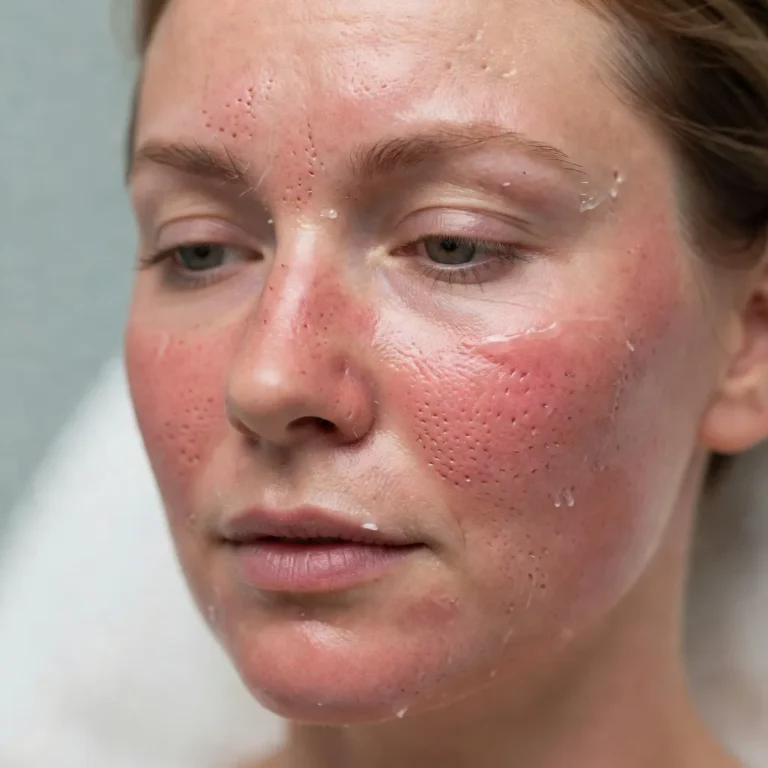
The T-zone, the forehead, nose and chin, has more oil glands than the rest of the face. For many people that means foundation that looks perfect in the morning is shiny, patchy or sliding off the nose by lunchtime, while the cheeks still look fine.
Part of our guide to makeup how-to. Start with: What Can You Use to Make Your Makeup Stay On All Day? 9 Products and Tricks
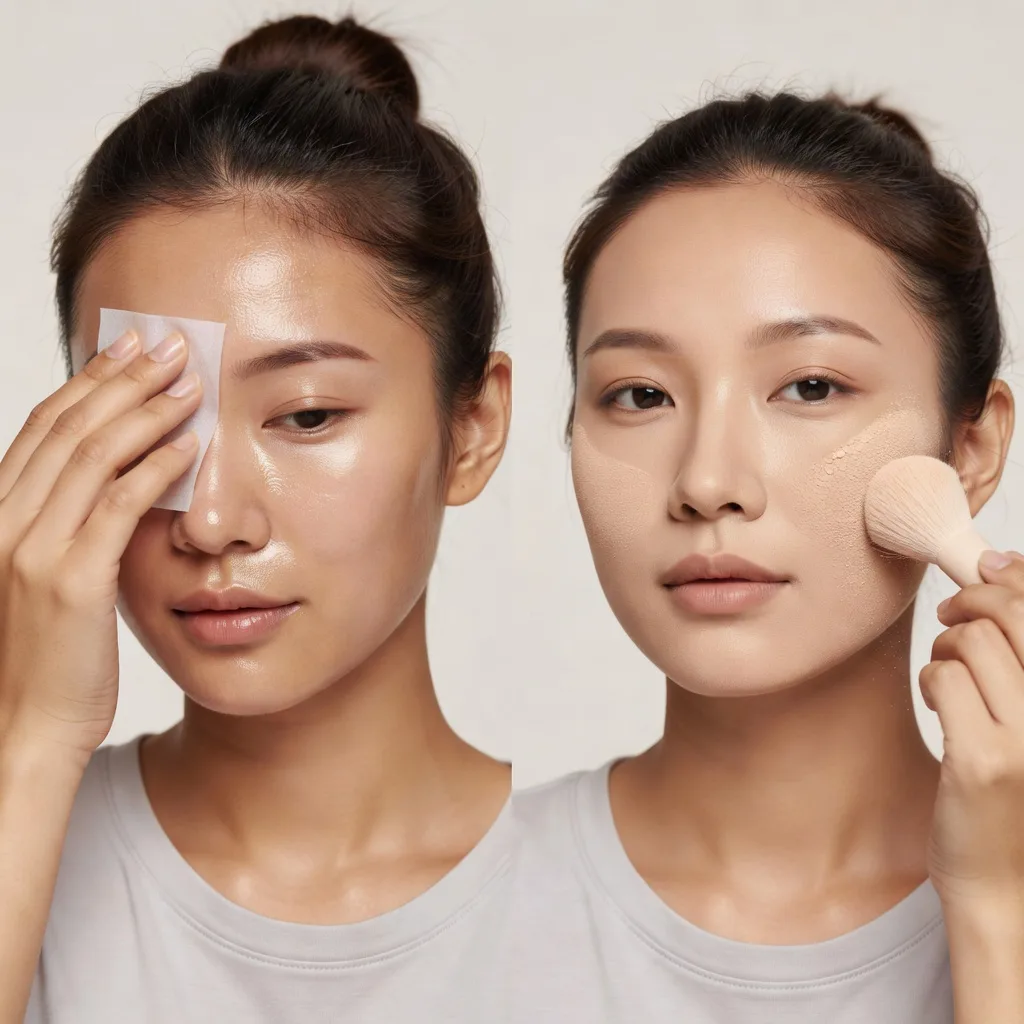
The key to makeup on an oily T-zone is to treat it differently from the rest of your face. Use a lightweight, oil-free moisturiser, then a mattifying or pore-filling primer only on the T-zone. Choose a long-wear or matte foundation, or use a matte formula in the centre of the face and a more natural one on the cheeks. Apply thin layers, press translucent powder into the T-zone, and finish with a matte or long-wear setting spray. During the day, blot with oil-absorbing sheets before adding any more powder. This targeted approach controls shine without making the whole face look flat or dry.
The goal is not to strip away every trace of oil. A little natural sheen looks healthy and more modern than a completely flat face. The aim is to stop oil breaking down your makeup and turning into obvious shine.
The American Academy of Dermatology recommends oil-free products and blotting papers for oily skin, which form the backbone of any T-zone makeup routine.
This guide covers skin prep, product choices, application tricks and touch-ups for an oily T-zone, plus mistakes that make shine worse.
Shopping these picks?
Amazon Prime members get fast, free shipping on eligible items, plus Prime Video, Amazon Music and member deals. New members can start with a free trial.
Start a free Prime trialAged 18 to 24? Prime for Young Adults comes with a longer free trial and a lower price after it.
Affiliate link: we may earn a commission at no extra cost to you.
Recommended Products for an Oily T-Zone


Jump to a Section
- Why the T-Zone Gets So Oily
- Skin Prep for an Oily T-Zone
- How to Do Makeup for an Oily T-Zone
- Zoning: Different Products for Different Areas
- Choosing Products That Last
- Touching Up Without Caking
- Mistakes That Make Shine Worse
- Brows, Lids and the Area Around the Nose
- Adjusting for Heat, Photos and Long Days
- Dos and Don’ts
- Honest Limits
- When to See a Dermatologist
- Frequently Asked Questions
- The Bottom Line
In Brief
- The T-zone has more oil glands than the cheeks.
- Treat the T-zone and cheeks differently.
- Use mattifying primer only where you get oily.
- Thin layers of long-wear foundation last longer.
- Press powder into the T-zone rather than sweeping it on.
- Blot before adding more powder.
- Do not skip moisturiser; choose a light, oil-free one.
Why the T-Zone Gets So Oily
The forehead, nose and chin have a high density of sebaceous glands, which produce sebum to protect the skin. When those glands are very active, oil builds up on the surface during the day and mixes with makeup.
Oil dissolves many ingredients in foundation and concealer, which is why makeup in the T-zone tends to break up, slide or separate first. Warmth from the skin speeds this up, which is why the nose and forehead, the warmest parts of the face, often go first. Our guide on why foundation separates by midday explains this process in detail.
Hormones, genetics, heat, humidity and stress all affect oil production. Harsh cleansers that strip the skin can sometimes make things feel worse, because the skin feels tight and uncomfortable while still producing oil. Enlarged-looking pores are also common on the nose and forehead, and oil sitting in them makes them look more obvious, which is why pore-filling primers are so popular for this area.
Many people have an oily T-zone with normal or dry cheeks. Our guide on an oily T-zone with dry cheeks covers the skincare side of combination skin.
Skin Prep for an Oily T-Zone
- Cleanse with a gentle, non-stripping cleanser.
- Use a lightweight, oil-free gel moisturiser; skip it on the T-zone only if your skin feels comfortable without it.
- Apply a lightweight, oil-free sunscreen and let it set for a few minutes.
- Blot the T-zone with a tissue before primer to remove any excess.
The AAD’s advice on caring for oily skin includes washing twice a day, using oil-free products and blotting papers, and avoiding harsh products that irritate the skin.
Heavy creams and facial oils on the T-zone give makeup a slippery base, so keep richer products for the cheeks if they need them. Give skincare a few minutes to settle before primer; applying makeup over damp skincare is a common reason foundation slides early.
How to Do Makeup for an Oily T-Zone
Prime the T-zone
Press a mattifying or pore-filling primer onto the forehead, nose and chin only.
Choose the right foundation
Use a long-wear or matte formula, or zone different finishes.
Apply thin layers
Press foundation in with a damp sponge; build only where needed.
Set concealer quickly
Press a little powder over concealer on the nose and chin.
Press powder into the T-zone
Use a puff or dense brush to press translucent powder in.
Finish with setting spray
Mist a matte or long-wear spray from arm’s length.
Blot during the day
Use oil-absorbing sheets before touching up.
Press powder into the sides of the nose and around the nostrils with a folded puff. These creases collect oil fastest and are often missed by a large brush.
Zoning: Different Products for Different Areas
One of the most effective hacks is to stop treating your face as one surface.
| Area | Primer | Foundation finish | Setting |
|---|---|---|---|
| Forehead | Mattifying or pore-filling | Matte or soft matte | Pressed translucent powder |
| Nose | Pore-filling | Thin layer of matte | Pressed powder, blot often |
| Chin | Mattifying | Matte or soft matte | Pressed powder |
| Cheeks | Hydrating or none | Satin or natural | Light dusting or none |
| Under-eyes | Hydrating | Thin concealer | Tiny amount of fine powder |
Zoning keeps shine in check where it appears while letting the rest of your face look fresh and skin-like. It also stops dry cheeks from looking flat or flaky under heavy matte products. You do not need to buy two foundations to zone; applying a thinner layer on the cheeks and pressing more powder into the T-zone achieves a similar effect with one product.
Choosing Products That Last
Primer: look for mattifying, oil-control or pore-filling primers, often silicone-based. A small amount pressed into the T-zone is enough. Foundation: long-wear, oil-free, matte or soft-matte formulas resist oil better than dewy, emollient ones. Our guide on matte versus satin finishes explains the difference. Powder: translucent loose or pressed powders with silica absorb oil well. Blurring powders also soften the look of pores. Our guide on the soft-focus effect in makeup explains how they work. Setting spray: matte or long-wear setting sprays contain film formers that help makeup resist oil. Mist from arm’s length and let the spray dry without touching your face, which gives the film time to form evenly. Blotting papers: the single most useful product for daytime touch-ups. They lift oil without disturbing makeup and add nothing to the skin, unlike repeated layers of powder.Touching Up Without Caking
The most common mistake is adding more powder over oil. That creates a thick, cakey layer that breaks down even faster and can look grey or patchy. It also tends to settle into pores and fine lines, making texture more noticeable as the day goes on.
- Press a blotting paper onto the forehead, nose and chin; do not rub.
- Only after blotting, press a small amount of powder where needed.
- If foundation has broken up on the nose, dab a little concealer or foundation with a fingertip, then set.
- A quick mist of setting spray refreshes powder and reduces a dry look.
Avoid alcohol-heavy toners or harsh wipes during the day to remove oil. They can irritate the skin and may leave it feeling tight without reducing oil for long.
Mistakes That Make Shine Worse
| Mistake | Why it backfires | Better approach |
|---|---|---|
| Skipping moisturiser | Skin can feel tight and uncomfortable | Use a light, oil-free gel |
| Heavy full-coverage foundation | Thick layers break down with oil | Thin long-wear layers |
| Primer all over | Can make dry cheeks look flat | Primer only on the T-zone |
| Powder over oil | Creates cakey build-up | Blot first, then powder |
| Dewy highlighter on the nose | Shine looks greasy by midday | Keep highlight to cheekbones |
| Touching the face | Moves oil and makeup around | Keep hands away; blot instead |
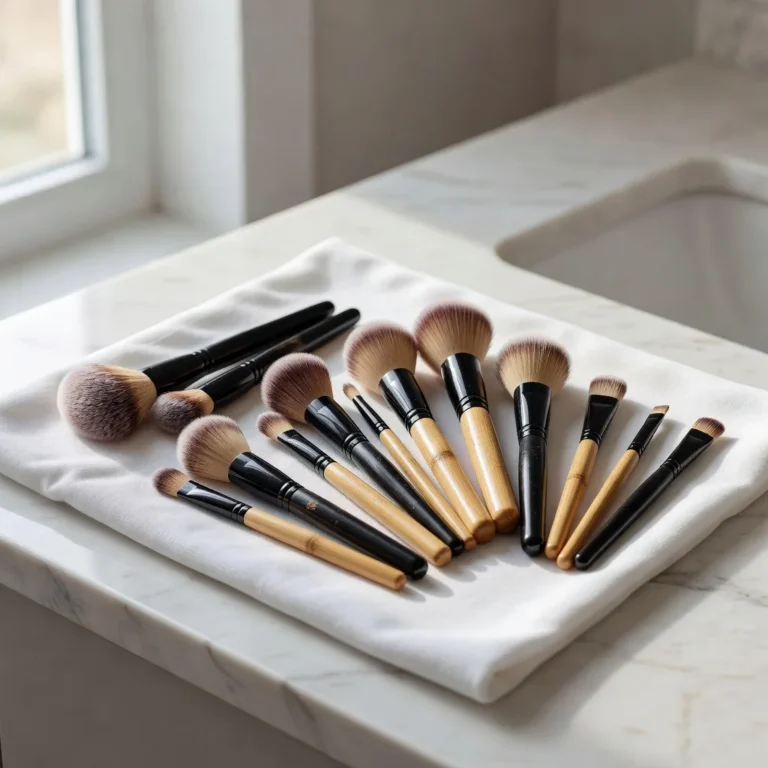
Changing just two or three of these habits often makes a bigger difference than buying new products. It is also worth checking your tools: dirty brushes and sponges transfer old oil and product back to your skin, which speeds up breakdown. Washing them weekly helps makeup stay cleaner for longer.
Brows, Lids and the Area Around the Nose
Brows: the skin under and between the brows is part of the T-zone and often oily. Brow powder and pencil can fade or smudge as oil builds up. A clear or tinted brow gel sets hairs and colour in place, and a light press of translucent powder around the brows before filling them helps products grip. Eyelids: oily lids cause eyeshadow to crease and liner to transfer. An eyeshadow primer on the lids, powder shadows set over it and a waterproof or tubing mascara make a big difference. Our guide on why some mascaras smudge explains which formulas suit oily lids. Around the nose: the creases beside the nostrils collect oil and foundation quickly. Use very little product here, press it in with a small sponge and set with a folded powder puff. Chin and upper lip: these areas also move a lot when you talk and eat, so thin, flexible layers last better than heavy coverage. Set lightly and blot during the day. A lip liner traced around the lips also stops lipstick moving into the oily skin around the mouth as the day goes on.Adjusting for Heat, Photos and Long Days
In hot and humid weather, oil and sweat combine, so the T-zone needs extra support. A long-wear foundation, a matte setting spray and more frequent blotting help. Our guide on keeping makeup from melting in the heat covers summer-proof routines in more detail.
For photos, shine on the forehead and nose reflects camera flash and can look much stronger than in person. Blot just before the photo and avoid adding fresh powder right before flash photography, which can cause white flashback.
For long workdays or events, keep a small kit with blotting papers, a compact powder and a mini setting spray. Two or three quick blots through the day are usually enough to keep the T-zone under control.
Dos and Don’ts
Worth Doing
- Use oil-free skincare
- Prime only the T-zone
- Apply thin layers of long-wear foundation
- Press powder into oily areas
- Blot before touching up
Skip It
- Skip moisturiser completely
- Use heavy oils on the T-zone
- Sweep powder over oily skin
- Put glowy highlight on the nose
- Use harsh wipes to remove oil
Honest Limits
Makeup can control shine for many hours, but it cannot stop oil production. On hot days or during long days, some shine is normal and a quick blot is expected.
If oiliness is caused by hormones or a skin condition, skincare and medical treatment make a bigger difference than any makeup technique.
Everyone’s T-zone behaves differently. Testing products for a full day, including in the afternoon, is the best way to find what works for your skin. Oil production can also change with the seasons, the menstrual cycle and age, so a routine that works well now may need small adjustments later.
When to See a Dermatologist
- Your skin is very oily despite a gentle, consistent routine.
- You have frequent breakouts in the T-zone.
- You have red, flaky patches around the nose and eyebrows that could be seborrheic dermatitis.
- Oiliness changed suddenly or comes with other symptoms.
This article is for general information and does not replace professional medical advice. See a dermatologist for persistent skin concerns.
Frequently Asked Questions
Why is my T-zone so oily?
It has more oil glands than the rest of the face.
How do I stop foundation sliding off my nose?
Prime the nose, use thin long-wear foundation, press powder in and blot during the day.
Should I skip moisturiser if my T-zone is oily?
Usually not; use a light, oil-free gel instead.
What primer is best for an oily T-zone?
A mattifying or pore-filling primer applied only where you get oily.
Should I use powder all over my face?
Not necessarily; press it into the T-zone and keep cheeks lighter.
How do I touch up oily makeup?
Blot first with oil-absorbing sheets, then add a little powder.
Does setting spray help oily skin?
Yes, matte or long-wear sprays help makeup resist oil.
Can I wear dewy foundation with an oily T-zone?
Yes, if you set the T-zone with powder and keep dewy areas to the cheeks.
Why does my makeup look cakey by afternoon?
Usually from adding powder over oil without blotting.
When should I see a dermatologist about oily skin?
If oiliness is severe, sudden or comes with breakouts or flaking.
The Bottom Line
An oily T-zone breaks down makeup faster because it produces more oil. Treat it differently from the rest of your face with oil-free skincare, targeted primer, thin long-wear foundation and pressed powder.
Finish with a setting spray, blot before touching up and keep glow for the cheeks. With a zoned approach, you can control shine where it appears while keeping the rest of your face fresh.

Written by
Registered pharmacist and founder of Facial Adviser. Rakib's pharmacy training covers how skincare actives work and interact; a later course in cosmetology turned that into a focus on facial treatments and skincare products. He plans, researches and edits every guide on the site and checks health claims against sources such as the American Academy of Dermatology, the FDA and the NIH. He is not a dermatologist; see the Editorial Policy and Medical Disclaimer.
About · Editorial policy · How we choose products · Medical disclaimer · Contact
Keep reading: Making makeup last
- What Can You Use to Make Your Makeup Stay On All Day? 9 Products and Tricks
- Makeup on Textured Skin: How to Get a Smoother-Looking Finish
- Makeup Tips for Dry, Flaky Skin: How to Stop Foundation Clinging to Flakes
- How to Keep Makeup Intact for Photos: Camera-Ready Tips That Last
- Makeup for Enlarged Pores: How to Blur Them Without Clogging Skin
- Best Setting Techniques for Longevity: Powder, Spray and Layering Tips
- How to Properly Put On Face Makeup: The Right Order, Step by Step
- How to Choose Lipstick Shade: Undertone, Skin Tone and Testing Tips