How to Make Pressed Powder Last Longer: In the Compact and on Your Face
Pressed powder is one of the most convenient makeup products, but it can be frustrating in two ways. In the compact, it can crack, develop a hard, shiny surface or run out faster than expected. On the face, it can fade, turn patchy or disappear by midday on oily skin.
Part of our guide to makeup how-to. Start with: How to Find the Right Shade of Makeup: Undertone, Depth and Testing
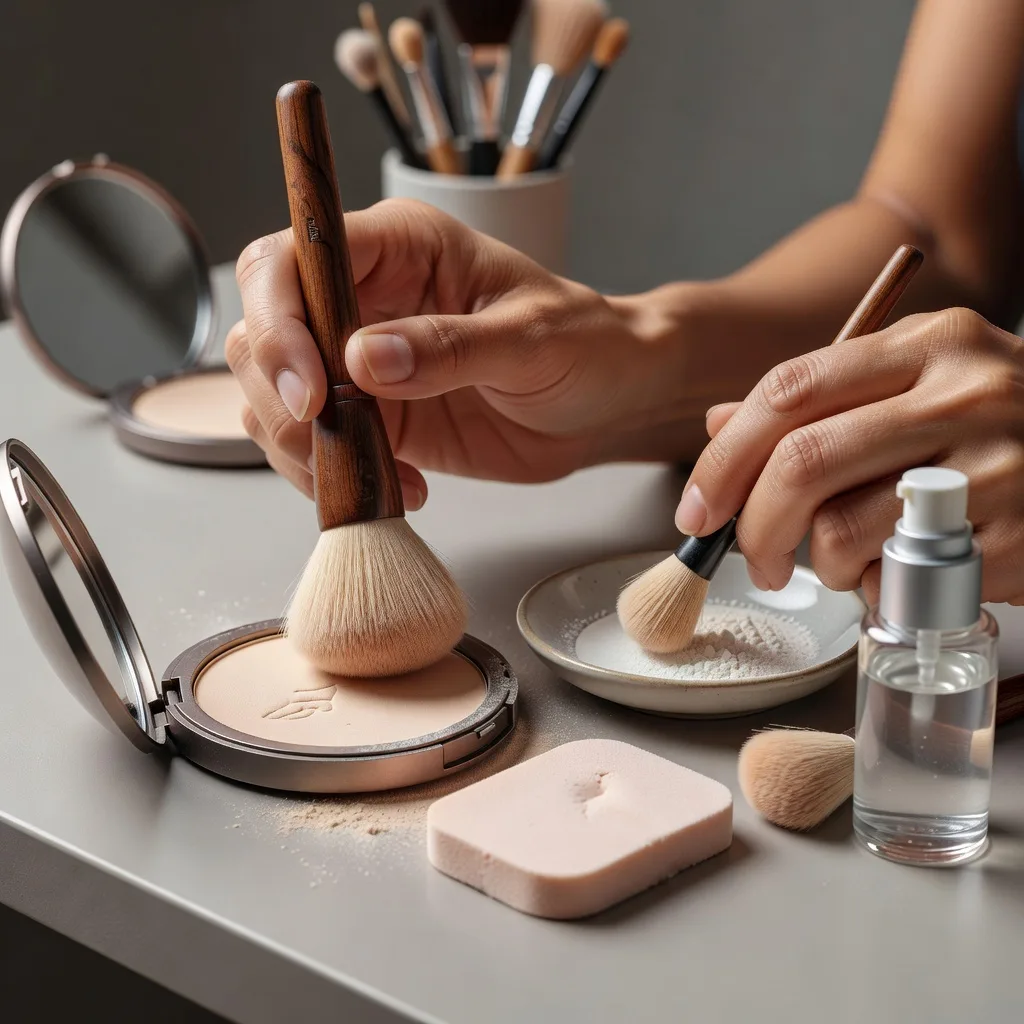
To make pressed powder last longer in the compact, keep it dry and closed, use clean tools, avoid pressing oily fingers or damp puffs into it and replace or wash puffs regularly so oil does not build a hard layer on the surface. Store it where it will not be dropped or crushed. To make it last longer on your face, start with a well-prepped base, press rather than sweep the powder on, use thin layers only where you need them, set with a spray and blot during the day before adding more. Both come down to keeping oil and moisture under control.
Many powder problems come from the tools rather than the powder itself. A dirty puff can ruin a compact faster than months of normal daily use.
The FDA notes that cosmetics and applicators can become contaminated during use, which is another good reason to keep puffs and brushes clean when using the same compact every day.
This guide explains why powder fails in the compact and on the skin, and gives simple ways to make both last longer.
Shopping these picks?
Amazon Prime members get fast, free shipping on eligible items, plus Prime Video, Amazon Music and member deals. New members can start with a free trial.
Start a free Prime trialAged 18 to 24? Prime for Young Adults comes with a longer free trial and a lower price after it.
Affiliate link: we may earn a commission at no extra cost to you.
Recommended Pressed Powders and Application Tools


Key Takeaways
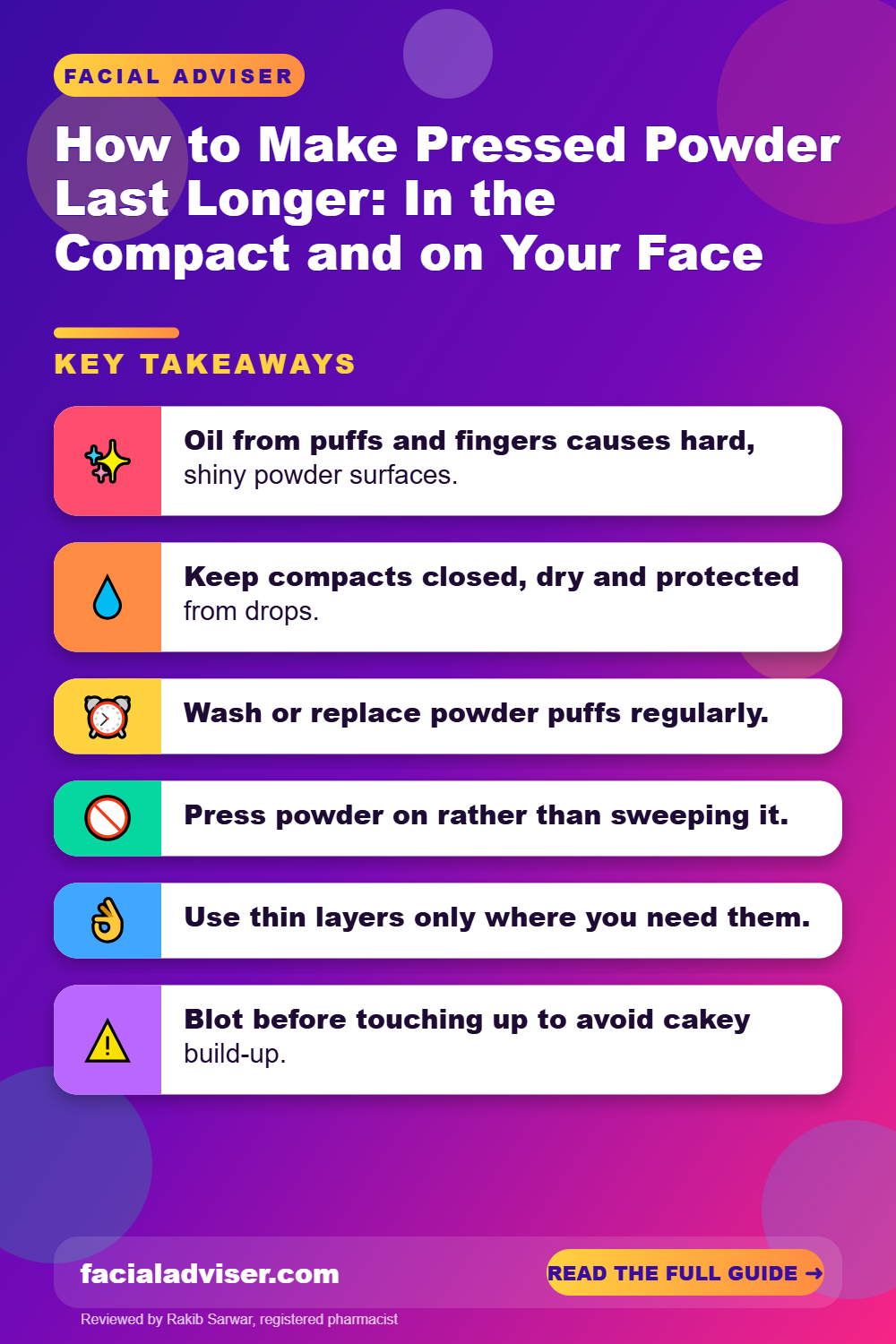
- Oil from puffs and fingers causes hard, shiny powder surfaces.
- Keep compacts closed, dry and protected from drops.
- Wash or replace powder puffs regularly.
- Press powder on rather than sweeping it.
- Use thin layers only where you need them.
- Blot before touching up to avoid cakey build-up.
- Broken powder can often be repressed.
What This Covers
- Why Pressed Powder Goes Hard or Cracks
- How to Make the Compact Last Longer
- How to Repair Broken Pressed Powder
- How to Apply Pressed Powder So It Lasts
- Why Powder Fades on the Face
- Brush or Puff?
- Types of Pressed Powder and How They Wear
- Adjusting for Your Skin Type
- Powder Hygiene and Shelf Life
- Dos and Don’ts
- Honest Limits
- When to See a Dermatologist
- Common Questions
- Final Word
Why Pressed Powder Goes Hard or Cracks
| Problem | Cause | Fix or prevention |
|---|---|---|
| Hard, shiny surface (hard pan) | Oil from skin, fingers or puffs builds up | Use clean tools; gently scrape the top layer away |
| Cracking or breaking | Dropping the compact or pressing too hard | Store safely; repress if broken |
| Crumbly texture | Old or poorly pressed powder | Handle gently; use a brush rather than a puff |
| Patchy pick-up | Uneven surface from repeated pressing in one spot | Rotate where you pick up powder |
| Mould or spots | Moisture from damp puffs or humid storage | Never use a damp puff; store dry; discard if mouldy |
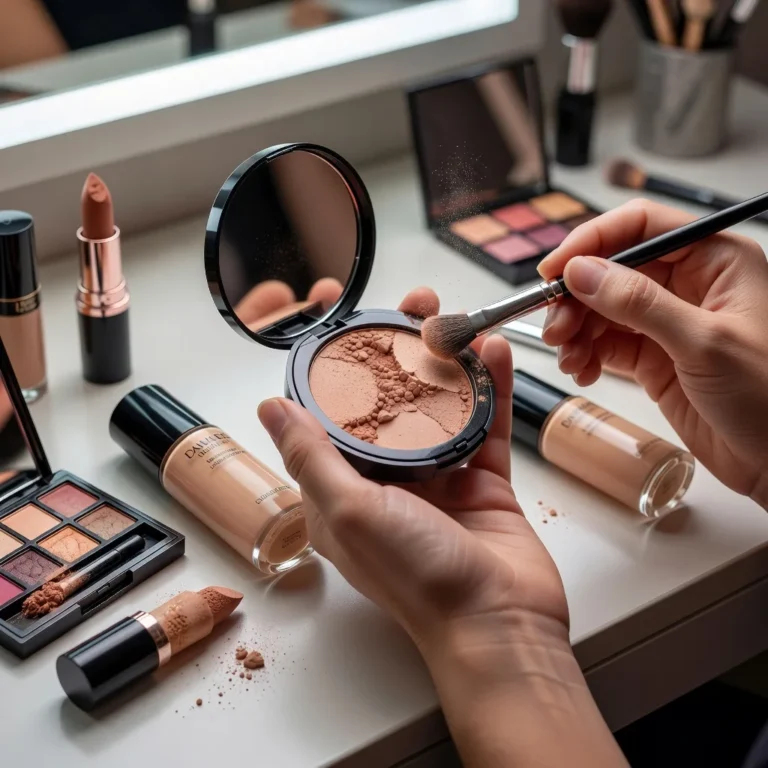
Hard pan is the most common problem. It looks like a glossy, slightly darker patch where you use the compact most. The powder underneath is usually fine once the top layer is removed. It is especially common with creamy or baked powders and with puffs used over oily skin or fresh moisturiser.
Our guide on makeup storage temperature tips covers how heat and humidity affect powders and other products.
How to Make the Compact Last Longer
- Close the compact after every use to keep out moisture and dust.
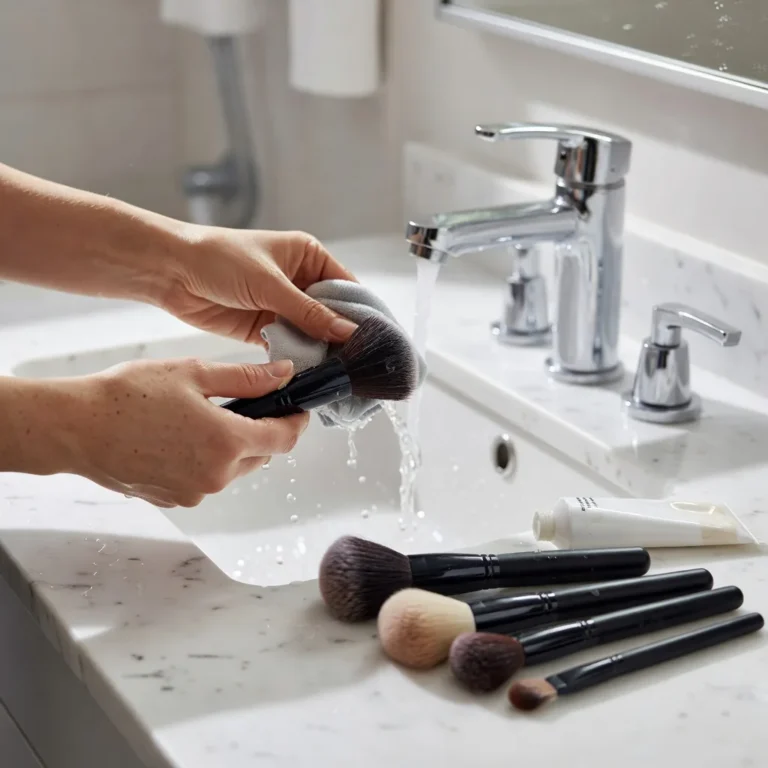
- Wash powder puffs weekly and let them dry completely before using.
- Use a brush instead of a puff if you have oily skin.
- Pick up powder gently, rotating around the pan rather than pressing in one spot.
- Keep compacts in a protective pouch in your bag.
If hard pan appears, gently scrape the surface with a clean spatula or the edge of a clean tissue, or rub a piece of clean, dry tape over it to lift the top layer. Do this over a tissue and avoid gouging the powder. Wiping the surface occasionally with a clean, dry tissue also helps remove the thin film of oil before it hardens.
Using less product also helps a compact last longer. Most people need only a light press of powder on the T-zone rather than an all-over layer.
How to Repair Broken Pressed Powder
If your powder breaks, you can often repress it rather than throwing it away.
Crush the pieces
Break the powder into a fine, even texture inside the pan with a clean spatula.
Add a few drops of rubbing alcohol
Use enough to form a paste; the alcohol evaporates.
Smooth the surface
Press the paste down evenly with a clean spatula or the back of a spoon.
Press firmly
Cover with a clean tissue and press with a flat object, such as a coin.
Let it dry
Leave the compact open for several hours or overnight before closing it.
Only repress powders that are not old, contaminated or mouldy. If the powder smells odd or shows spots, throw it away. Work over a clean surface in a well-ventilated room, keep rubbing alcohol away from flames and let the compact dry completely before closing it, because trapped moisture can cause problems later.
How to Apply Pressed Powder So It Lasts
Prep the skin
Use a lightweight moisturiser and let it absorb fully.
Prime where needed
Use a mattifying primer on oily areas.
Apply a thin base
Let foundation and concealer settle before setting.
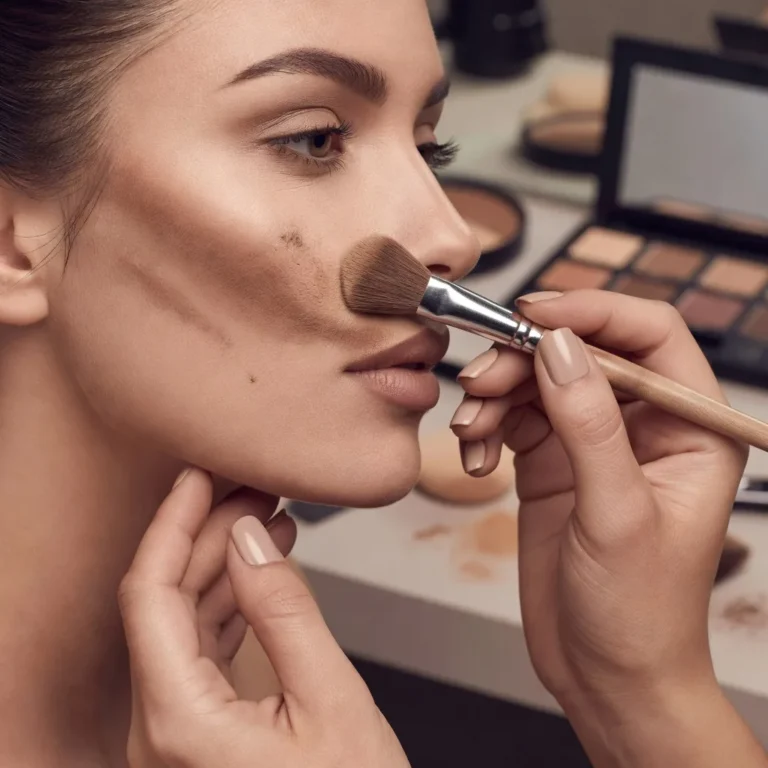
Press powder on
Use a clean puff or dense brush and press it into oily areas.
Keep it thin
Build only where shine appears.
Set with spray
Mist a setting spray to melt powder into the base.
Blot before touching up
Use blotting papers first, then add a little powder if needed.
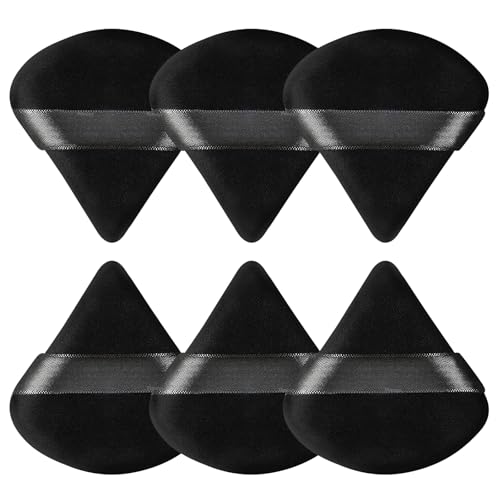
Fold your powder puff in half to press powder precisely into the sides of the nose, around the mouth and under the eyes.
Why Powder Fades on the Face
Powder absorbs oil. Once it is saturated, the skin starts to look shiny again, and the powder can mix with oil and foundation to form a patchy or cakey layer. How quickly this happens depends on how much oil your skin produces and how much powder the formula can absorb, which is why some powders last hours longer than others on the same person.
Oily skin, heat, humidity, rich skincare underneath and touching the face all speed this up. The more powder you add without blotting first, the more likely your base is to look heavy and break up. Talking on the phone, resting your chin on your hand and wearing glasses also rub powder away in specific spots, so those areas often need a quick blot and touch-up first.
Our guide on makeup hacks for an oily T-zone covers ways to control oil so powder lasts longer where you need it most.
Brush or Puff?
| Tool | Finish | Best for | Care |
|---|---|---|---|
| Velour puff | Fuller coverage, long wear | Oily skin, setting the T-zone | Wash weekly; replace when worn |
| Dense brush | Soft, even coverage | Most skin types | Wash weekly |
| Fluffy brush | Light, natural | Dry or mature skin | Wash every one to two weeks |
| Damp sponge | Seamless, skin-like | Setting concealer under the eyes | Wash after each use or two |
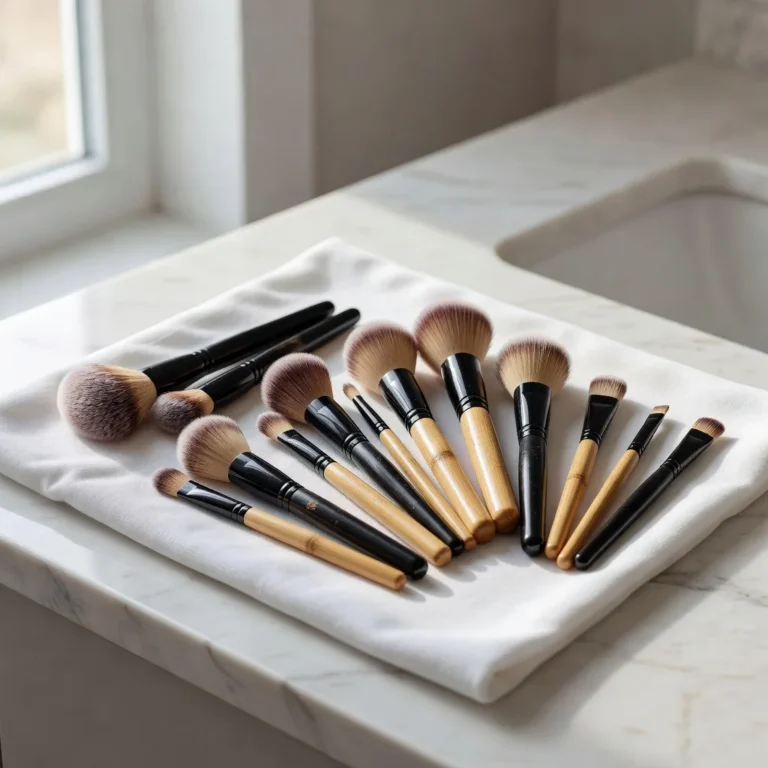
Puffs press powder in for the longest wear but collect oil quickly, which is why they can cause hard pan. Brushes give a lighter finish and are gentler on the compact. Keeping two puffs and rotating them, so one is always clean and dry, is an easy way to protect your powder. Our guide on how to sanitize makeup tools covers cleaning puffs and brushes.
Types of Pressed Powder and How They Wear
Translucent setting powder: colourless or nearly colourless, used to set foundation and control shine. It usually lasts the longest in the compact because you need only a little at a time. Tinted pressed powder: adds light coverage as well as setting makeup. It can be used alone on good skin days, but builds up quickly if you reapply it often, so blotting first matters even more. Pressed powder foundation: gives more coverage and is often applied all over. Because it is used in larger amounts, it runs out faster and is more prone to hard pan from repeated puff use. Mineral pressed powders: often talc-free and based on mica and mineral pigments. They can be slightly more fragile in the pan, so a brush is usually gentler than a puff. Blurring or soft-focus powders: contain light-scattering particles that soften the look of pores. Our guide on the soft-focus effect in makeup explains how they work. Use them sparingly, since a thick layer can look flat or chalky.Adjusting for Your Skin Type
Oily skin: press powder into the T-zone with a puff, set with a matte spray and blot during the day. Avoid adding powder over oil without blotting. Dry skin: use a finely milled powder only where needed, apply with a fluffy brush and finish with a hydrating mist. Heavy powder on dry areas can look flaky. Moisturising well before makeup matters more than the powder itself, because powder clings to any dry patches underneath. Combination skin: powder the T-zone and keep cheeks light or powder-free. Mature skin: small amounts of finely milled powder, placed only where needed, look smoother and settle less into lines. Our guide on layering cream and powder products explains how to keep creams and powders working together.Powder Hygiene and Shelf Life
Pressed powders contain little water, so they are less likely to grow microbes than liquids. They can still become contaminated through dirty puffs, fingers and humid storage. Keeping the mirror and lid clean helps too, since residue there can transfer back onto the powder.
The FDA’s page on microbiological safety and cosmetics explains how products can become contaminated during use.
Most pressed powders last around one to two years after opening, depending on the formula and how they are stored. Check the period-after-opening symbol on the packaging. Writing the date you opened it inside the lid makes it easy to keep track.
Throw away powder that develops spots, mould, an unusual smell or a change in colour, and never share puffs with others.
Dos and Don’ts
Worth Doing
- Close the compact after use
- Wash puffs weekly
- Press powder into oily areas
- Blot before touching up
- Repress broken powder if it is clean
Skip It
- Use a damp puff in the compact
- Press oily fingers into the powder
- Pile powder over oily skin
- Drop the compact in your bag unprotected
- Use powder that smells or looks wrong
Honest Limits
No powder stops oil production. On very oily skin or in hot weather, some shine will return, and a quick blot is part of the routine rather than a sign that something has gone wrong.
Repressing broken powder usually works well, but the texture may be slightly firmer or different from the original.
Powder longevity depends on the formula, your skin and your climate. Testing a powder for a full day, including the afternoon, is the best way to judge it. A powder that lasts well in winter may need more help from blotting papers and setting spray in summer.
When to See a Dermatologist
- You break out regularly after using powder.
- Powder causes itching, redness or a rash.
- Your skin is very oily despite a gentle routine.
- Dry, flaky patches do not improve with moisturiser.
This article is for general information and does not replace professional medical advice. See a dermatologist for persistent skin concerns.
Common Questions
Why does my pressed powder go hard and shiny?
Oil from puffs, fingers or skin builds up on the surface.
How do I fix hard pan in powder?
Gently scrape or lift the top layer with clean tape or a spatula.
Can I fix broken pressed powder?
Yes. Repress it with a few drops of rubbing alcohol and let it dry.
How often should I wash my powder puff?
About once a week, or more often if you are oily.
How do I make powder last longer on my face?
Prep well, press thin layers on, set with spray and blot before touching up.
Is a brush or puff better for pressed powder?
Puffs give longer wear; brushes are lighter and gentler on the compact.
Why does powder look cakey by afternoon?
Usually from adding powder over oil without blotting.
How long does pressed powder last after opening?
Often one to two years; check the period-after-opening symbol.
Can pressed powder grow mould?
Yes, if moisture gets in from damp puffs or humid storage.
Should I use a damp puff with pressed powder?
No. Moisture can damage the powder and encourage mould.
Final Word
Pressed powder lasts longer in the compact when you keep it closed, dry and free of oil from puffs and fingers, and when you store it where it will not break. Hard pan can be lifted and broken powder can often be repressed.
On your face, powder lasts longer when you press thin layers onto a well-prepped base, set with spray and blot before touching up. Clean tools make a difference in both places.

Written by
Registered pharmacist and founder of Facial Adviser. Rakib's pharmacy training covers how skincare actives work and interact; a later course in cosmetology turned that into a focus on facial treatments and skincare products. He plans, researches and edits every guide on the site and checks health claims against sources such as the American Academy of Dermatology, the FDA and the NIH. He is not a dermatologist; see the Editorial Policy and Medical Disclaimer.
About · Editorial policy · How we choose products · Medical disclaimer · Contact
Keep reading: Foundation, BB cream and base
- How to Find the Right Shade of Makeup: Undertone, Depth and Testing
- How to Avoid Flashback in Photos: Why Makeup Turns White and How to Fix It
- Why Concealer Creases Easily and How to Stop It for Good
- Why Blush Fades Quickly and How to Make It Last All Day
- Foundation Not Matching Neck? How to Fix the Face and Neck Colour Gap
- How Long Does Facial Contouring Last?
- How to Get Started as a Freelance Makeup Artist: Training, Kit and Clients
- Best Way to Use Makeup Remover: Micellar Water, Balms, Oils and Eye Removers