How to Choose the Right Makeup Artist for Your Wedding: Trials and Contracts
Your wedding makeup has to look good in person, in daylight, under venue lights and in photos you will keep for decades. It also has to last through tears, hugs, eating and dancing. The artist you choose shapes all of that, as well as how calm your morning feels. Taking time to choose carefully is one of the best ways to reduce stress in the final weeks.
Part of our guide to makeup how-to. Start with: How to Get Started as a Freelance Makeup Artist: Training, Kit and Clients
To choose the right makeup artist for your wedding, start by shortlisting artists whose portfolios show real brides with skin similar to yours and a style you love. Book a trial to test the look, the wear time and how well you communicate. Watch their hygiene closely, since a professional should use clean brushes, disposables and decanted products. Before booking, ask about experience, timings, travel, touch-ups and backup plans, and get everything in a written contract. Finally, book early, because popular artists fill their dates many months ahead, especially in peak wedding season.
In short: love the portfolio, test the look at a trial, check hygiene and sign a clear contract.
Tell your artist about any allergies or sensitive skin early. The US Food and Drug Administration explains that some cosmetic ingredients, such as certain fragrances and preservatives, can cause allergic reactions, so a trial is also a useful skin test.
This guide covers portfolios, trials, hygiene, contracts, the questions to ask and a realistic booking timeline, plus what to pack in a small touch-up kit for the day itself.
Planning your wedding?
Set up a free Amazon Wedding Registry so guests can find your beauty, home and honeymoon wish list in one place.
Create a Wedding RegistryAffiliate link: we may earn a commission at no extra cost to you.
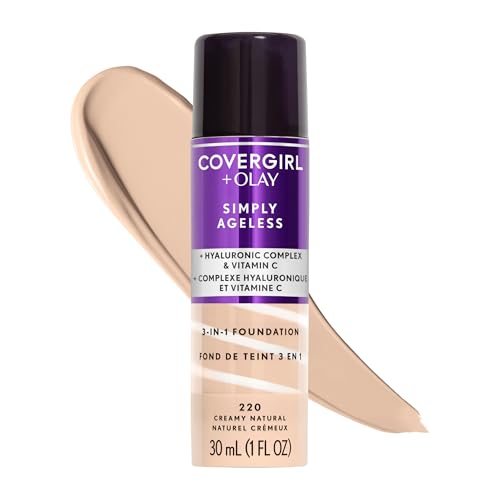
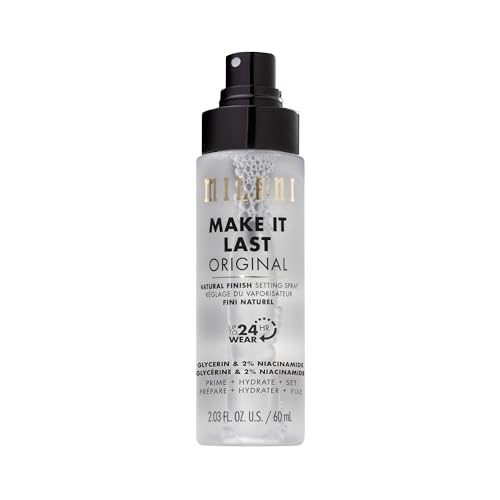
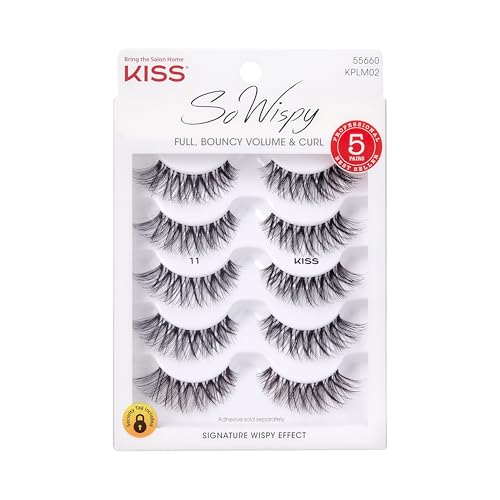
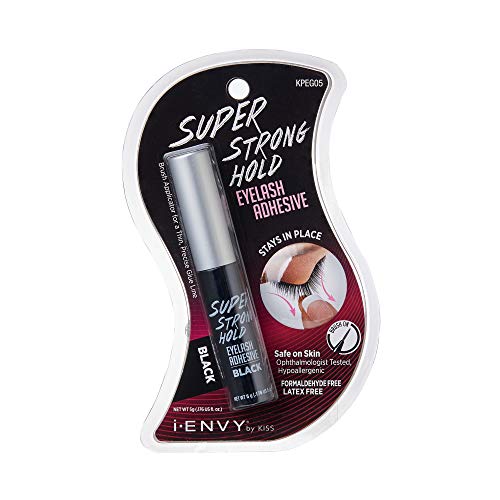
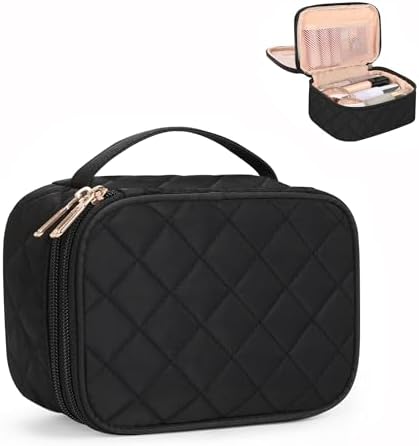
Recommended Long-Wear and Touch-Up Essentials for Your Wedding Day


The Short Version
- Choose based on real bridal work, not only styled shoots.
- Look for skin types and tones similar to yours in the portfolio.
- A trial tests the look, the wear time and your rapport.
- Good hygiene is a basic standard, not a bonus.
- Get timings, travel, touch-ups and cancellation terms in writing.
- Book early, especially for weekends in peak season.
- Keep a small touch-up kit for the day.
On This Page
- Start With the Portfolio
- Match the Artist to Your Style and Skin
- Why the Trial Matters
- Check Hygiene Standards
- Questions to Ask Before You Book
- Contracts: Get Everything in Writing
- Booking Timeline: When to Do What
- How to Find and Book Your Wedding Makeup Artist
- Build a Small Touch-Up Kit for the Day
- Dos and Don’ts
- Honest Limits
- When to Get Professional Advice
- Your Questions, Answered
- Summing Up
Start With the Portfolio
A portfolio shows an artist’s taste, skill and consistency. It is the best first filter, but look at it critically rather than just scrolling for pretty pictures.
- Look for real brides, not only models or styled shoots.
- Check for skin tones, ages and skin types similar to yours.
- Notice whether skin looks like skin or heavy and cakey up close.
- See whether the style matches yours: natural, soft glam, bold or vintage.
- Look for photos in different lighting, including daylight and flash.
- Check reviews on independent sites as well as the artist’s own pages.
Heavily edited or filtered photos can hide how makeup really looks. If most images are retouched, ask to see unedited photos or client selfies, or rely more on the trial.
Word of mouth is still one of the most reliable ways to find a good artist. Ask recently married friends, your venue coordinator, your photographer and your hairstylist who they enjoy working with. Vendors see many artists in action and usually know who arrives on time, stays calm and produces makeup that photographs well.
Match the Artist to Your Style and Skin
Most artists have a signature style, even if they can do many looks. Choosing someone whose natural style is close to what you want makes a great result far more likely.
| Your preference | What to look for in the portfolio | Questions to ask |
|---|---|---|
| Natural, no-makeup look | Visible skin texture, light base, soft brows | How do you keep it lasting without heavy layers? |
| Soft glam | Defined eyes, lashes, glowing but even skin | Which lashes and finish do you suggest for photos? |
| Full glam | Sculpted base, bold eyes, strong lip | How will it look in daylight and up close? |
| Mature skin | Smooth base that does not settle into lines | Which products do you use on mature skin? |
| Oily or acne-prone skin | Shine control, even coverage on real clients | How do you control shine through the day? |
| Deep skin tones | Clear shade matching, no grey or ashy cast | Which shades and brands do you carry for deeper tones? |
If you are unsure what suits you, our guide on finding the right shade of makeup helps you understand your undertone and describe what you want to each artist.
Why the Trial Matters
A trial is a practice run of your wedding makeup. It lets you see the look on your own face, test how long it lasts and decide whether you feel comfortable with the artist.
- Bring photos of looks you love and ones you do not.
- Wear a top in a similar colour or neckline to your dress.
- Bring your veil or hair accessory if you have it.
- Take photos in daylight and with flash before you leave.
- Wear the makeup for the rest of the day to test longevity and comfort.
- Give honest feedback; a good artist will adjust.
Pay attention to how the artist listens. A good wedding artist asks about your usual makeup, your dress, your hair, the venue lighting and how you want to feel on the day. If you feel rushed, ignored or pressured into a look you do not like, that is useful information too, even if the makeup itself looks lovely.
Schedule the trial on a day you have another event, such as a dress fitting or engagement shoot. You get to see the makeup in real conditions and make the most of it.
Check Hygiene Standards
Hygiene is one of the clearest signs of professionalism. Poor practices can spread bacteria and eye infections, and a reaction on your wedding morning is the last thing you want.
- Clean hands before starting.
- Clean brushes and sponges for each client.
- Disposable mascara wands and lip applicators.
- Products decanted onto a palette rather than used straight from the tube on your face.
- Sharpened pencils and a tidy, organised kit.
- Questions about allergies and sensitive skin before starting.
You can watch for these habits during the trial without making it awkward. A professional will be happy to explain how they clean their tools and keep products hygienic between clients.
Tell your artist about any allergies, sensitive skin, eczema or recent treatments such as peels or retinoids. The FDA’s page on allergens in cosmetics lists common triggers. If a product stings or itches at the trial, ask for it to be removed and not used on the day.
Questions to Ask Before You Book
Asking the same questions of each artist makes it easier to compare them fairly. Write down the answers during the call or meeting.
| Question | Why it matters |
|---|---|
| How many weddings have you done? | Shows experience with timing and pressure |
| Is the trial included or separate? | Helps you compare fairly |
| How long do you need per person? | Shapes your morning schedule |
| Do you travel to the venue, and are there travel or early start fees? | Avoids surprises later |
| Will you stay for touch-ups? | Useful for long days and photos |
| Do you bring lashes, and are they included? | Lashes change the look a lot |
| What happens if you are ill? | A backup artist protects your day |
| Do you have liability insurance? | Some venues require it |
| What are your deposit and cancellation terms? | Protects both of you |
Also ask how they handle a bridal party. Some artists bring an assistant, and it helps to know who will do your makeup and who will work on the others.
Contracts: Get Everything in Writing
A written contract protects you and the artist. It should state exactly what you are paying for, so there are no misunderstandings on the day.
- Date, start time, venue address and number of people.
- Services for each person, including lashes and trials.
- Deposit amount, payment schedule and what is refundable.
- Travel, parking, early start and waiting time terms.
- Touch-up or stay-on-site arrangements.
- Cancellation and rescheduling policies on both sides.
- Backup plan if the artist cannot attend.
Read the contract carefully before paying a deposit, and ask about anything unclear. Be wary of any artist who will not put their terms in writing or who asks for full payment months in advance without a clear refund policy. Keep a copy in your email and share the key details with your planner or a trusted friend.
Booking Timeline: When to Do What
Popular wedding artists book up well ahead, especially for weekends in peak season. A rough timeline helps you stay on track.
| When | What to do |
|---|---|
| 9 to 12 months before | Research artists, shortlist and enquire about your date |
| 6 to 9 months before | Book your artist and pay the deposit |
| 2 to 3 months before | Have your trial, ideally after choosing your dress and hairstyle |
| 1 month before | Confirm timings, headcount and venue details |
| 1 to 2 weeks before | Share the final schedule and avoid new skin treatments |
| The day before | Moisturise, rest and prepare your touch-up kit |
If your wedding is sooner, do not panic. Many artists have occasional openings, especially on weekdays or outside peak season. Be flexible with your trial date and ask to join a waiting list if your first choice is booked, since cancellations do happen.
How to Find and Book Your Wedding Makeup Artist
Follow these steps to move from a long list to a confident booking.
Set your priorities
Decide on the style you want, how many people need makeup and whether you want on-site touch-ups.
Build a shortlist
Collect three to five artists from recommendations, reviews and portfolios with real brides.
Check availability
Enquire about your date and ask for their service details in writing.
Compare answers
Use the same questions for each artist and note experience, travel and backup plans.
Book a trial
Test the look, wear time, hygiene and how well you communicate.
Review the contract
Check deposits, cancellations, timings and extras before signing.
Confirm the details
Share the final schedule with your artist, planner and bridal party.
Build a Small Touch-Up Kit for the Day
Even the best long-wear makeup benefits from a quick refresh. A small kit carried by you or a bridesmaid keeps you photo-ready.
- Blotting papers to lift shine without adding powder.
- A small setting spray to refresh and revive the makeup.
- Your lipstick and lip liner.
- Lash glue in case a strip lash lifts at the corner.
- Cotton buds and tissues for smudges and happy tears.
- A compact mirror.
Our guide on making your makeup stay on all day covers more ways to extend wear, and our guide on keeping makeup intact for photos explains how to stay camera-ready through the reception. Ask your artist which exact lipstick shade they used so you can reapply it after eating and drinking.
Dos and Don’ts
Good Habits
- Choose from real bridal portfolios
- Book a trial and wear it all day
- Ask every artist the same questions
- Get a written contract
- Tell the artist about allergies and sensitive skin
Common Mistakes
- Choose on price alone
- Rely only on filtered photos
- Try new skincare in the final weeks
- Skip reading the cancellation terms
- Leave booking until the last minute
Honest Limits
No artist can promise flawless makeup in every photo, and no product is truly tear-proof or smudge-proof. Long-wear formulas and good technique help a lot, but heat, crying, kissing and eating all take their toll over a long day.
Reviews and portfolios also have limits. They show an artist’s best work, not their average, which is why the trial and a clear contract matter so much. Trust how you feel at the trial as much as the photos.
Finally, your skin on the day depends partly on your skincare in the months before. Makeup can blur and even out, but it cannot fully hide dehydration, peeling from a new treatment or an active breakout, so keep your routine simple and consistent as the date approaches.
When to Get Professional Advice
- You have a skin condition such as eczema, rosacea or active acne before the wedding.
- You react to makeup or skincare products.
- You are considering new treatments such as peels in the months before.
- You need help understanding a vendor contract.
This article is for general information and does not replace medical or legal advice. See a board-certified dermatologist for skin concerns or reactions, and seek qualified advice if you are unsure about a contract.
Your Questions, Answered
How far in advance should I book a wedding makeup artist?
Often six to twelve months ahead for peak dates.
Is a makeup trial necessary?
It is strongly recommended to test the look and wear time.
When should I have my trial?
Usually two to three months before, after choosing your dress.
What should I bring to a makeup trial?
Inspiration photos, a similar top and your hair accessory.
What if I do not like my trial?
Give honest feedback, or consider another artist.
Should my artist stay for touch-ups?
It helps on long days, but a touch-up kit also works.
Do wedding makeup artists bring lashes?
Many do; confirm in the contract.
What should a wedding makeup contract include?
Timings, services, deposits, cancellations and a backup plan.
How do I know an artist is hygienic?
They clean tools, use disposables and decant products.
Can I do my own wedding makeup instead?
Yes, if you practise and test long-wear products beforehand.
Summing Up
To choose the right makeup artist for your wedding, start with real bridal portfolios, book a trial, check hygiene and ask the same key questions of every artist.
Get everything in a written contract, book early and carry a small touch-up kit, so you can relax and enjoy the day knowing your makeup is in safe hands.

Written by
Registered pharmacist and founder of Facial Adviser. Rakib's pharmacy training covers how skincare actives work and interact; a later course in cosmetology turned that into a focus on facial treatments and skincare products. He plans, researches and edits every guide on the site and checks health claims against sources such as the American Academy of Dermatology, the FDA and the NIH. He is not a dermatologist; see the Editorial Policy and Medical Disclaimer.
About · Editorial policy · How we choose products · Medical disclaimer · Contact
Keep reading: Makeup artists and careers
- How to Get Started as a Freelance Makeup Artist: Training, Kit and Clients
- Makeup vs Makeover: What Is the Difference and How to Plan a Makeover
- Is Makeup Artist Haram in Islam?
- Professional Nail Essentials: The Tools You Need for Clean, Healthy Nails
- What Is Cosmetology School? The Real Answer
- Makeup Artist vs Beautician: The Real Difference
- How to Choose the Right Eye Makeup Color for Your Eyes and Skin
- What Can You Use to Make Your Makeup Stay On All Day? 9 Products and Tricks