Why Do Makeup Artists Wear Black? The Practical Reasons Behind the Uniform
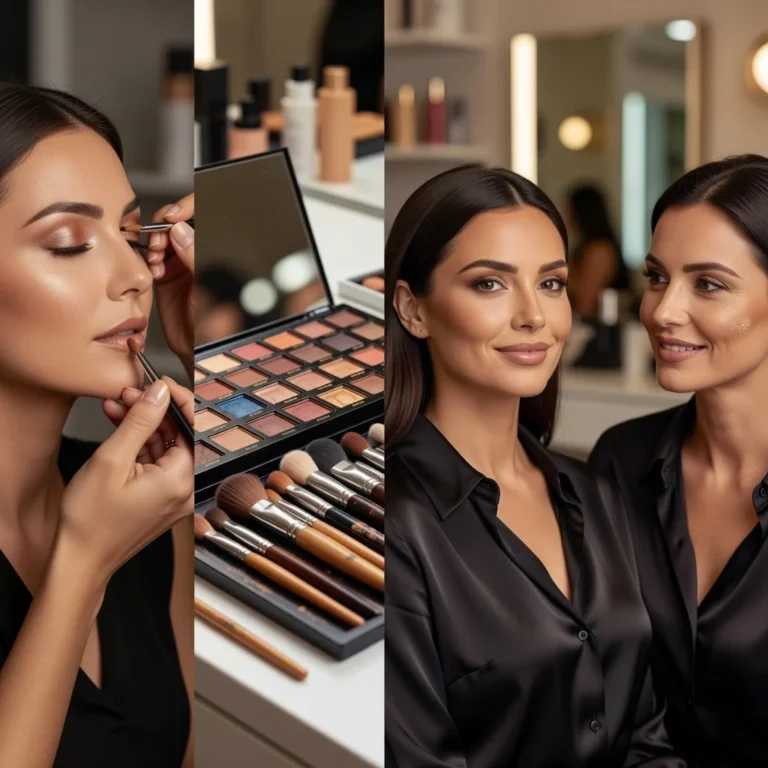
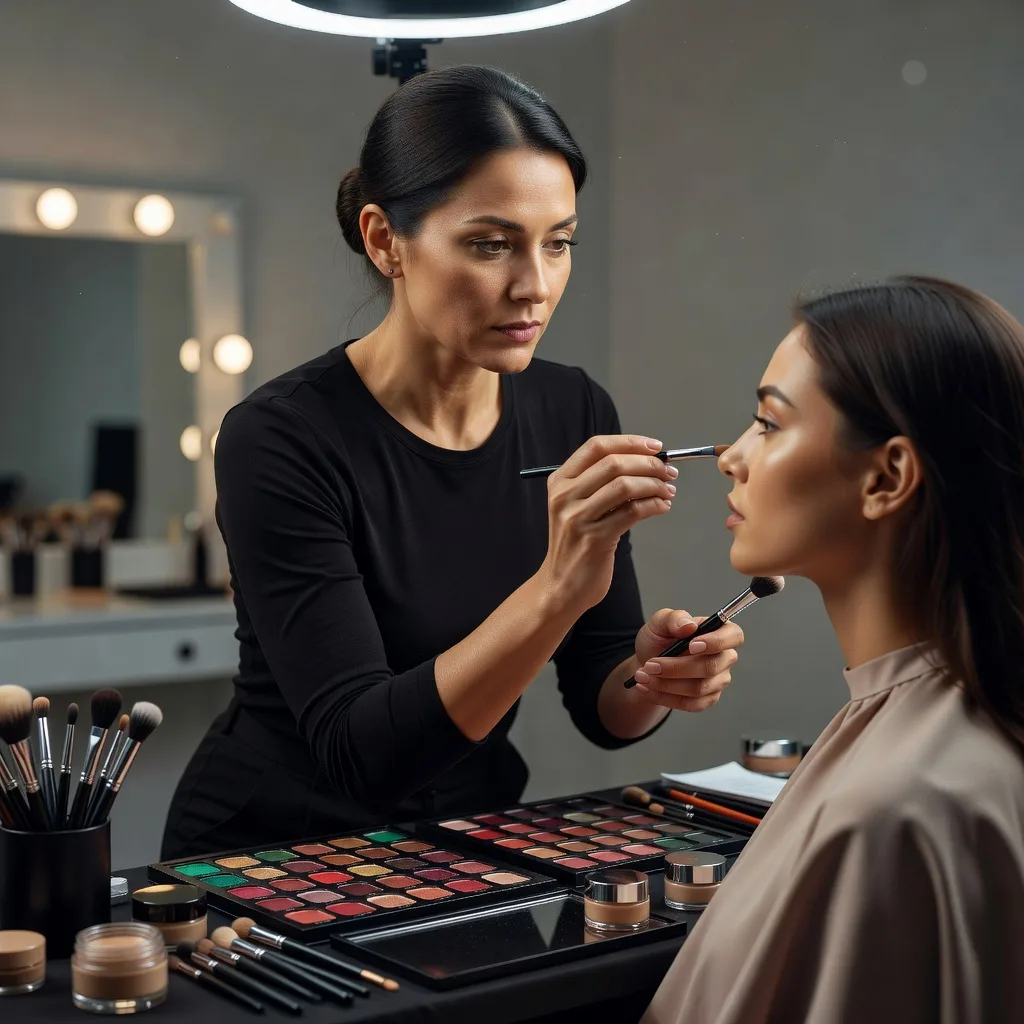
Walk backstage at a fashion show, onto a film set or into a bridal suite and the makeup artists are almost always dressed the same way: head to toe in black. It looks like a style choice, and partly it is, but the habit has practical roots that go back to theatre crews and photography studios.
Part of our guide to makeup how-to. Start with: How to Get Started as a Freelance Makeup Artist: Training, Kit and Clients
Makeup artists wear black mainly because it is a neutral backdrop that does not reflect colour onto the client’s face or skew the artist’s own colour judgement, so foundation matches and blush tones read true. Black also hides the inevitable smears of foundation, powder and lipstick that land on clothing during a working day, it reads as clean and professional to clients, and it lets the artist blend into the background backstage and on set, where crew are expected to be invisible on camera. Many agencies, studios and bridal companies simply require it as a dress code. The result is a uniform that is practical first and fashionable second.
In short: black keeps colour decisions accurate, hides stains, looks professional and keeps the artist out of the shot.
The uniform is only half of looking professional. The US Food and Drug Administration notes that fragrances, preservatives and dyes are among the most common causes of allergic reactions to cosmetics, which is why working artists pair the plain outfit with strict hygiene and a quick allergy check before every client.
This guide explains each reason in detail, compares black with other uniform options, looks at when makeup artists do not wear black, and shows how to put together a working outfit and kit.
Shopping these picks?
Amazon Prime members get fast, free shipping on eligible items, plus Prime Video, Amazon Music and member deals. New members can start with a free trial.
Start a free Prime trialAged 18 to 24? Prime for Young Adults comes with a longer free trial and a lower price after it.
Affiliate link: we may earn a commission at no extra cost to you.
Recommended Makeup Artist Aprons, Belts and Brush Sets


Jump to a Section
- Black Keeps Colour Perception Neutral
- Black Hides the Stains of a Working Day
- Black Looks Professional and Builds a Brand
- Blending In Backstage and On Set
- Keeping the Focus on the Client
- Practical Fabrics and Cuts for Long Days
- When Makeup Artists Do Not Wear Black
- What Else Is in a Working Makeup Artist’s Kit
- How to Put Together a Professional Makeup Artist Outfit and Kit
- Dos and Don’ts of a Makeup Artist Uniform
- Honest Limits
- When to Get Professional Advice
- FAQ
- The Bottom Line
Key Takeaways
- Black does not cast colour onto the face, so shade matching is more accurate.
- Foundation, powder and lipstick stains disappear on black fabric.
- Black reads as professional and consistent across a team.
- On set and backstage, black keeps crew invisible to cameras.
- Many agencies and brands require black as a dress code.
- Some artists wear white, grey or brand colours for specific reasons.
- A working kit includes an apron or belt, brushes, cleaner and disposables.
Black Keeps Colour Perception Neutral
The most important reason is colour. A makeup artist spends the day judging whether a foundation matches, whether a blush is too warm or whether a lipstick is the right red, and the colours around the client’s face influence those judgements.
- A bright top reflects a tint onto the client’s jaw and neck, which can make a foundation look warmer or cooler than it is.
- Colour next to the face also shifts perception through simultaneous contrast: a neutral looks greener beside red and pinker beside green.
- Black and mid-grey reflect very little, so the artist sees skin and product as they are.
- White is neutral too, but bounces light upward and can wash out shadows the artist needs to see.
| Artist’s clothing colour | Effect on colour perception | Working verdict |
|---|---|---|
| Black | Reflects almost nothing; neutral reference | Standard choice |
| Mid or charcoal grey | Neutral, slightly softer than black | Good alternative |
| White | Neutral but bounces light; shows stains | Used in some salons and clinics |
| Red or orange | Casts warmth; neutrals look greener by contrast | Avoid while matching |
| Blue or green | Casts coolness; skin can look sallow by contrast | Avoid while matching |
| Yellow | Warms the face and flattens undertone | Avoid while matching |
| Bold prints | Distracting and unpredictable colour cast | Avoid |
Our guide on how to match makeup undertone correctly explains why small shifts in perceived warmth matter so much for a foundation match.
Black Hides the Stains of a Working Day
A makeup artist’s clothing takes constant punishment. Clients lean in, pigment transfers from hands and powder drifts onto everything.
- Foundation and concealer smears show on any light fabric and are hard to remove on the spot.
- Loose powder shows on navy or brown but disappears on black.
- Lipstick and cream blush leave stains that rarely wash out fully.
- Setting spray and cleansers leave water marks on pale fabric.
- Black also hides the brush cleaner that drips during the day.
Stains can be removed, but most artists prefer never to need to.
Black Looks Professional and Builds a Brand
Clients make a judgement about an artist in the first few seconds. A clean, plain black outfit says organised, hygienic and serious before a single brush is picked up.
- Black looks tidy at the end of a twelve-hour day when other colours look crumpled and marked.
- Teams in matching black look like one coordinated unit at weddings and events.
- It does not compete with the bride, the model or the talent.
- Many artists build their visual brand around black so their photographs look consistent.
- It works in any setting, from a luxury counter to a muddy festival site.
Agencies, cosmetics brands and bridal companies often write black into their dress codes, so a new artist who already owns black workwear is ready for most bookings.
Blending In Backstage and On Set
In film, television, theatre and fashion, crew are expected to be invisible. Black is the traditional crew colour for everyone who works near the action, and makeup artists follow the same rule.
- Black does not reflect in mirrors, lenses or glossy backdrops during touch-ups on set.
- An artist in black stepping into frame between takes is less visible in continuity photos.
- Backstage at shows, crew in black let the clothes and models stand out under the lights.
- Theatre crews wear black to disappear during scene changes, and makeup teams adopted the same convention.
- Photographers prefer neutral clothing near the subject so no colour bounces into the shot.
On a photography set, anything near the subject acts as a reflector. A white or coloured top standing beside a model can lift or tint the light on one side of the face, which a photographer will notice even if the artist does not.
Keeping the Focus on the Client
A good artist wants the client to look at their own face in the mirror, not at the person behind them. Plain black clothing keeps attention where it belongs.
- Clients are not distracted by prints, logos or colours when judging their look.
- Before-and-after photographs look cleaner with a neutral figure in the background.
- Nervous clients often find a calm, plain presence reassuring.
- At counters and events, black makes the artist easy to identify as staff.
The same thinking applies to accessories: minimal jewellery, tied-back hair and short nails keep the focus on the work and reduce the risk of scratching skin.
Practical Fabrics and Cuts for Long Days
Black solves the colour problem, but the garment itself has to survive standing, bending and reaching for ten hours or more.
- Breathable cotton or jersey blends keep the artist cool under set lights.
- Stretch fabric allows bending over a chair without pulling or gaping.
- Fitted sleeves or rolled sleeves keep fabric out of the client’s face and away from wet product.
- Pockets or an apron hold a few brushes, blotting papers and a spatula.
- Closed, comfortable shoes protect feet from dropped tools and long hours standing.
- Pure black fades to grey with repeated washing, so artists rotate several identical pieces.
Buy two or three of the same black top in the same fabric. When one fades or gets stained with bleach from brush cleaner, the others still match and the uniform looks intentional.
When Makeup Artists Do Not Wear Black
Black is the default, not a law. Several situations push artists towards other colours, and the comparison below shows why.
| Uniform option | Advantages | Drawbacks | Where it is common |
|---|---|---|---|
| All black | Neutral, hides stains, professional, invisible on set | Hot under lights, fades with washing | Sets, shows, bridal, agencies |
| Charcoal or grey | Neutral and slightly cooler to wear | Shows powder and some stains | Studios, counters |
| White lab coat or tunic | Reads clinical and hygienic | Shows every mark; bounces light | Medical aesthetics, clinics, some salons |
| Brand colour | Instant recognition for the brand | May cast colour; limited to brand work | Retail counters, brand events |
| Black with coloured apron | Neutral near the face, personality below | Apron must be washed often | Freelancers, bridal teams |
| Smart casual, any colour | Comfortable and approachable | Unpredictable colour cast; looks less uniform | Home visits, casual clients |
Some artists wear pale colours in very warm climates or a neutral mid-tone when working on deep skin tones so the contrast is less extreme. The rule underneath is the same: nothing near the face that changes how colour reads.
What Else Is in a Working Makeup Artist’s Kit
The black outfit is only the visible part of the uniform. The kit around it lets an artist move quickly and keep clients safe.
- Apron or brush belt with pockets, so the most-used brushes stay within reach and off dirty surfaces.
- A full brush set with duplicates of the most-used shapes, so clean brushes are always available.
- Brush cleaner, a cleaning mat and a sanitising spray for tools between clients.
- Disposable applicators: mascara wands, lip wands, sponges and cotton buds.
- A stainless steel palette and spatula so product is never taken straight from the container.
- A set bag with blotting papers, setting spray and touch-up essentials.
- Hand sanitiser and tissues within reach at all times.
Hygiene is where professionalism is really tested. Our guide on how to sanitise makeup tools sets out the routine that keeps a kit safe between clients.
How to Put Together a Professional Makeup Artist Outfit and Kit
Follow these steps to build a working uniform and kit that look professional, protect colour accuracy and hold up to long days.
Start with two or three identical black tops
Choose a breathable stretch fabric with fitted or short sleeves so nothing drags across the client’s face.
Add black trousers and closed shoes
Pick comfortable, washable trousers and supportive shoes you can stand in for a full day.
Choose an apron or brush belt
Pockets keep the most-used brushes, a spatula and blotting papers close and off dirty counters.
Build a brush set with duplicates
Buy extra of the shapes you use most so a clean brush is always ready between clients.
Pack cleaning and sanitising supplies
Brush cleaner, a cleaning mat, sanitising spray and hand sanitiser belong in every kit.
Stock disposables
Single-use mascara wands, lip applicators, sponges and cotton buds stop cross-contamination.
Keep accessories minimal
Tie hair back, keep nails short and skip rings and bracelets that scratch skin or catch lashes.
Check the dress code
Confirm what the agency, brand or venue expects before each booking and adjust accordingly.
Starting out? Our guide on how to get started as a freelance makeup artist covers the rest of the setup.
Dos and Don’ts of a Makeup Artist Uniform
Worth Doing
- Wear plain black or neutral near the face
- Rotate identical pieces so they match
- Keep sleeves and hair away from the client
- Carry brushes in an apron or belt, not loose
- Sanitise tools and hands between clients
Skip It
- Wear bright colours or prints while matching shades
- Wipe brushes on your clothing
- Wear strong perfume or dangling jewellery
- Let a faded or stained top pass as uniform
- Share tools without cleaning them
Clothing is only part of professional hygiene. Shared brushes, sponges and lip products can pass on infections, and fragranced fabrics or products can trigger allergic reactions in clients. Clean tools between every client, use disposables for eyes and lips, and ask clients about allergies before you start.
Honest Limits
Black is a convention, not a scientific requirement. A skilled artist can match foundation in a grey or white top, and the colour cast from clothing is small compared with the effect of the room’s lighting. Black persists because it solves several small problems at once and asks nothing beyond owning a few plain garments.
First impressions help bookings, but the work on the face is what gets an artist rebooked. Treat the uniform as a practical tool and a courtesy to clients and crew, not a substitute for technique or hygiene. The FDA’s page on allergens in cosmetics is a useful reminder that what an artist puts on a client matters far more than what they wear.
When to Get Professional Advice
Uniform questions are easy; the issues that need expert input are around skin and safety.
- A client reacts to a product with redness, swelling or itching during or after a booking.
- You are unsure whether your sanitising routine meets local health and safety rules.
- An agency or venue dress code conflicts with religious dress or medical needs.
- You work on clients with skin conditions such as eczema, rosacea or active acne and need guidance on what is safe to apply.
This article is for general information and does not replace professional advice. Clients with skin conditions or allergies should see a board-certified dermatologist, and artists should follow local hygiene and licensing requirements.
FAQ
Why do makeup artists wear black?
It keeps colour judgement neutral, hides stains, looks professional and keeps them invisible on set.
Does clothing colour really affect makeup matching?
Yes, a little. Coloured fabric reflects onto the face and shifts how neutrals are perceived.
Do makeup artists have to wear black?
Not by law, but many agencies, brands and bridal companies require it.
Why do film and TV crews wear black?
So they are not seen in reflections, in frame or in continuity photos.
Can makeup artists wear white?
Yes, especially in clinics and salons, but it shows stains and bounces light.
What do makeup artists wear to weddings?
Usually plain black or a neutral so they do not compete with the bride.
What fabric is best for a makeup artist uniform?
Breathable stretch cotton or jersey with fitted sleeves.
What do makeup artists carry on them?
An apron or belt with brushes, a spatula, blotting papers and sanitiser.
Why do makeup artists tie their hair back?
To keep hair out of the client’s face and away from wet product.
How many black tops should a makeup artist own?
At least two or three identical ones so a stained or faded top can be swapped.
The Bottom Line
Makeup artists wear black because it keeps colour perception neutral, hides the stains of a working day, looks professional and keeps them out of sight backstage and on set.
Build the uniform from a few identical black pieces in a comfortable fabric, add an apron or belt and a well-stocked, sanitised kit, and let the client’s face be the only thing anyone looks at.

Written by
Registered pharmacist and founder of Facial Adviser. Rakib's pharmacy training covers how skincare actives work and interact; a later course in cosmetology turned that into a focus on facial treatments and skincare products. He plans, researches and edits every guide on the site and checks health claims against sources such as the American Academy of Dermatology, the FDA and the NIH. He is not a dermatologist; see the Editorial Policy and Medical Disclaimer.
About · Editorial policy · How we choose products · Medical disclaimer · Contact
Keep reading: Makeup artists and careers
- How to Get Started as a Freelance Makeup Artist: Training, Kit and Clients
- Professional Nail Essentials: The Tools You Need for Clean, Healthy Nails
- What Is Cosmetology School? The Real Answer
- Makeup Artist vs Beautician: The Real Difference
- Are You Supposed to Tip Makeup Artists? Salon, Freelance and Bridal Etiquette
- Why Do Makeup Artists Charge More for Brides? What the Bridal Rate Covers
- How to Choose Lipstick Shade: Undertone, Skin Tone and Testing Tips
- How to Find the Right Shade of Makeup: Undertone, Depth and Testing