Are You Supposed to Wash Makeup Brushes Before Using Them?
Are you supposed to wash makeup brushes before using them for the very first time, or is that only necessary once they’ve actually been used?
Part of our guide to makeup tools. Start with: 10 Best Makeup Brush Sets (2026): Soft, Well-Made Kits for Every Look
Yes — a brand-new brush should be washed before first use, since manufacturing, dyeing, and shipping all leave behind residue and some bacterial exposure even before anyone has touched it. A published study of in-use cosmetic brushes found 71 bacterial strains across just 57 brushes, with Staphylococcus and Micrococcus the most common genera identified.
The American Academy of Dermatology recommends an ongoing wash every 7 to 10 days after that first use, with liquid-product brushes needing it more often than powder brushes.
This guide covers exactly why new brushes aren’t as clean as they look, how to wash one properly the first time, and how often to keep doing it afterward.
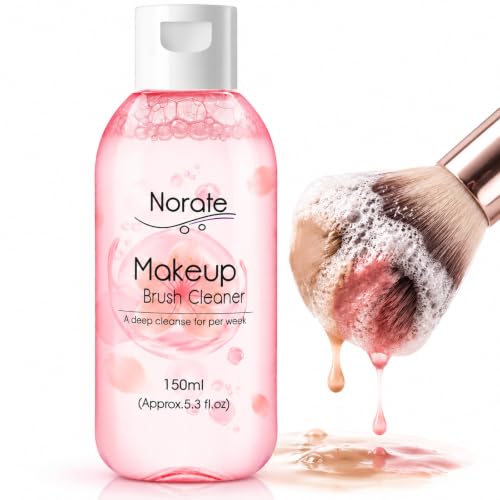
Recommended Gentle Brush Cleansers



Bottom Line
- Yes — a brand-new makeup brush should be washed before its first use, since manufacturing, dyeing, and shipping all leave behind residue and some bacterial exposure even before anyone has touched it.
- A published study of in-use cosmetic brushes found 71 bacterial strains across 57 brushes, with Staphylococcus and Micrococcus the most common genera, and linked poor brush hygiene to real skin issues in over a quarter of surveyed users.
- The AAD recommends washing brushes roughly every 7 to 10 days after that first use, more often for brushes used with liquid products.
- A gentle cleanser like baby shampoo is specifically recommended for both new and regularly-used brushes, since it cleans effectively without damaging bristles.
In This Guide
- Yes — New Brushes Aren’t as Clean as They Look
- Why a New Brush Isn’t Sterile
- The Bacteria Question, Specifically
- What a Bacterial Study Found on In-Use Brushes
- How Often Brushes Need Washing After That First Use
- Recommended Washing Frequency by Brush Type
- How to Wash a New Brush the First Time
- Natural Versus Synthetic Bristles
- Washing Also Improves Brush Performance
- How Long a Well-Cared-For Brush Actually Lasts
- Do This, Not That
- Washing a New Brush, Step by Step
- What This Article Can’t Tell You
- Frequently Asked Questions
Yes — New Brushes Aren’t as Clean as They Look
A brand-new makeup brush straight out of its packaging looks pristine, but “looks clean” and “is clean” are two different things. Manufacturing, handling, and shipping all give a new brush plenty of opportunity to pick up dust, loose fibers, and bacteria before it ever touches your face — and there’s genuinely no way to know its exact history once it leaves the factory.
Shopping these picks?
Amazon Prime members get fast, free shipping on eligible items, plus Prime Video, Amazon Music and member deals. New members can start with a free trial.
Start a free Prime trialAged 18 to 24? Prime for Young Adults comes with a longer free trial and a lower price after it.
Affiliate link: we may earn a commission at no extra cost to you.
Why a New Brush Isn’t Sterile
Brush manufacturing involves cutting, gluing, dyeing, and packaging bristles, all processes that leave behind residue: loose glue particles, excess dye that can bleed into your makeup and shift its color, and manufacturing chemicals that can leave a faint but real chemical smell. None of this is necessarily dangerous in small amounts, but none of it belongs on your face either, and a first wash removes it before it has the chance to matter.
The Bacteria Question, Specifically
Beyond manufacturing residue, a new brush has traveled through handling and shipping before reaching a shelf or your door, and it’s realistic that it’s picked up some bacterial exposure along the way, even if it’s never been used by anyone. This is a different, smaller-scale concern than the bacterial buildup on a well-used brush, but it’s still a legitimate reason to wash before first use rather than skip straight to application.
What a Bacterial Study Found on In-Use Brushes
| Bacteria genus | Share of isolates found | Note |
|---|---|---|
| Micrococcus | 31% | Common normal skin flora |
| Staphylococcus | 23% | Includes potentially pathogenic S. aureus |
| Bacillus | 16% | Spore-forming, environmentally hardy |
| Ralstonia | 10% | Environmental contaminant |
| Pseudomonas and Acinetobacter | ~5% combined | Opportunistic pathogens, smaller share but more concerning |
A published study examining cosmetic brushes isolated 71 bacterial strains across 57 brushes, with the majority being gram-positive species well-adapted to surviving in a cosmetic-product environment. The same research found that in a survey of 370 participants, 44.3% rarely cleaned their brushes at all, and 27.8% reported skin issues they suspected were linked to contaminated tools. That data is about brushes already in regular use, not new ones, but it illustrates exactly what a first wash and an ongoing cleaning routine are protecting against.
How Often Brushes Need Washing After That First Use
The American Academy of Dermatology recommends washing makeup brushes roughly every 7 to 10 days to protect skin and remove the bacteria that inevitably accumulate with regular use. Some guidance gets more specific by brush type: brushes used with wet or liquid products like foundation and concealer benefit from weekly washing, eye brushes around every two weeks, and brushes used only with dry powder products can often go closer to once a month. Skipping this ongoing routine, not just the first wash, is where the real risk accumulates over time.
Recommended Washing Frequency by Brush Type
| Brush type | Recommended washing frequency | Why |
|---|---|---|
| Foundation, concealer, other liquid-product brushes | About once a week | Liquid products harbor and transfer bacteria more readily |
| Eye brushes (shadow, liner, blending) | About every two weeks | Used near a sensitive area, but generally with drier product |
| Powder brushes (blush, bronzer, setting powder) | About once a month | Dry products support less bacterial growth between uses |
| Any brush, brand new | Before first use, regardless of type | Manufacturing residue and shipping exposure apply to every brush type |
How to Wash a New Brush the First Time
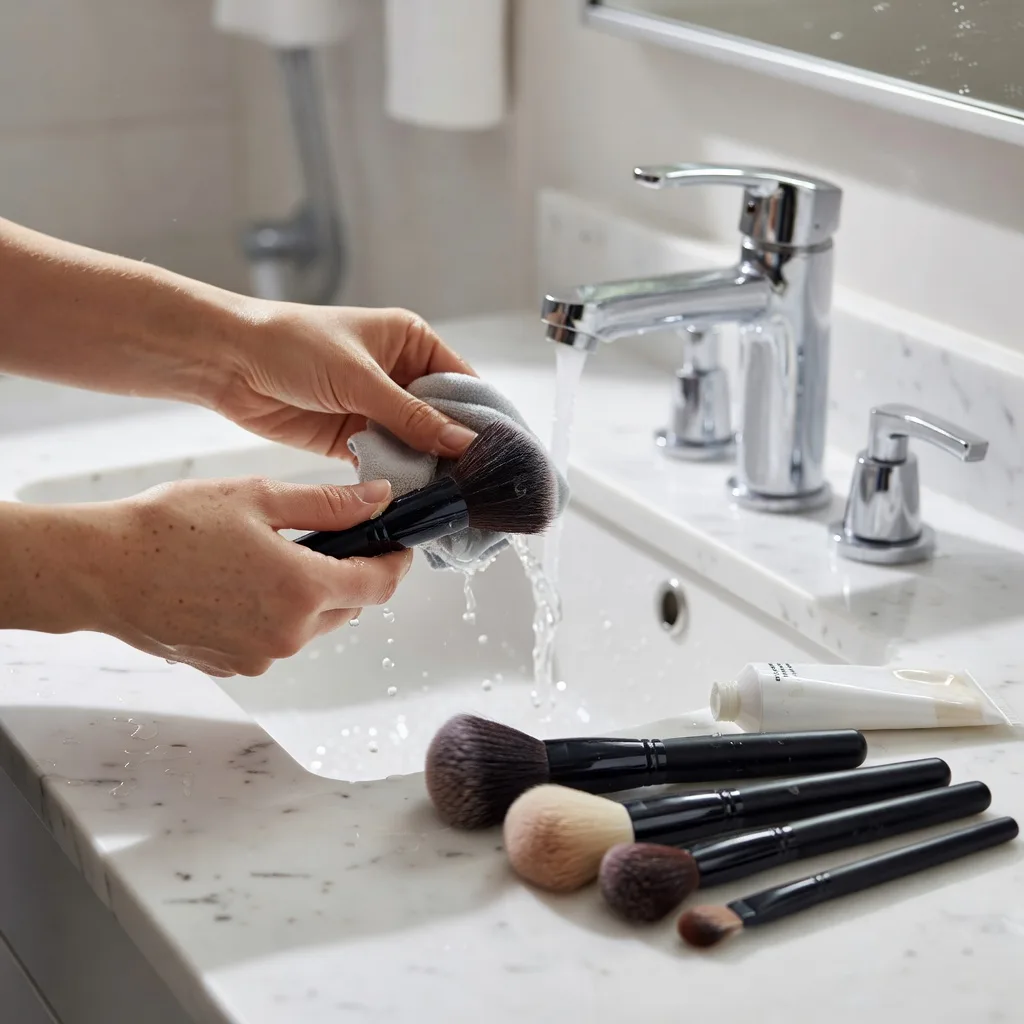
A gentle approach works best for a first wash: wet the bristles with lukewarm water, work a small amount of baby shampoo or a dedicated brush cleanser into them by brushing against your palm, rinse thoroughly, and reshape the bristles before letting the brush dry flat or bristle-down so water doesn’t pool inside the ferrule (the metal part holding the bristles). Baby shampoo is specifically recommended by several sources as gentle enough not to damage bristles while still being effective at removing manufacturing residue and any picked-up bacteria.
Natural Versus Synthetic Bristles
Natural-hair brushes, often made from animal hair, can be more porous and prone to holding onto oils and residue, which makes that first wash and the ongoing routine arguably more important for them. Synthetic bristles are generally easier to clean and less absorbent, but they’re not immune to the same manufacturing residue or shipping-related exposure, so the first-wash recommendation applies to both types regardless of material. Synthetic brushes also tend to hold up better under frequent washing over time, since natural fibers can gradually dry out and become brittle with repeated exposure to cleanser and water, which is worth factoring in if you wash brushes on the more frequent end of the recommended range.
Washing Also Improves Brush Performance
Beyond hygiene, that first wash genuinely changes how a new brush performs. It removes loose bristles before they end up on your face mid-application, clears excess dye that could otherwise alter the color of your foundation or powder on first use, and softens and conditions the bristles in a way that extends the brush’s usable life and reduces shedding over time. A brush used dry straight from packaging often performs noticeably worse than the same brush after its first proper wash.
How Long a Well-Cared-For Brush Actually Lasts
A quality brush that’s washed before first use and then on a consistent schedule afterward can reasonably last one to three years before bristles start shedding excessively or losing their shape, while a brush that’s rarely or never washed tends to degrade faster, since built-up product residue stiffens bristles and accelerates wear. Storing brushes upright in a cup once fully dry, or flat in a case for travel, also helps preserve bristle shape between uses. Replacing a brush isn’t usually about hygiene alone at that point — it’s also that a worn brush simply stops picking up and depositing product evenly, regardless of how well it’s cleaned.
Do This, Not That
Do
- Do wash every new brush with a gentle cleanser before its first use, regardless of bristle type.
- Do maintain a routine wash every 7 to 10 days after that, more often for brushes used with liquid products.
- Do let brushes dry fully, bristle-down or flat, before storing them.
Don’t
- Don’t apply a new brush straight from its packaging without washing it first.
- Don’t share brushes between people without washing thoroughly in between.
- Don’t let water pool inside the ferrule, which can loosen the glue holding bristles in place over time.
Washing a New Brush, Step by Step
Wet the bristles only
Hold the brush at an angle under lukewarm water, keeping water away from the ferrule where possible.
Apply a gentle cleanser
Work a small amount of baby shampoo or brush cleanser into the bristles by brushing against your palm.
Rinse thoroughly
Continue rinsing until the water running off is completely clear of cleanser and any dye.
Reshape the bristles
Gently reshape the brush head back to its original form while it’s still damp.
Dry flat or bristle-down
Let the brush dry fully before its first use to avoid trapping moisture inside the ferrule.
What This Article Can’t Tell You
This article can’t tell you exactly what a specific new brush picked up during its own manufacturing and shipping, since that varies by brand, factory, and handling along the way. What it can tell you honestly is that washing before first use is a reasonable, low-effort precaution recommended across multiple independent sources, and that the ongoing washing routine afterward matters considerably more for actual hygiene over time.
Frequently Asked Questions
Do you really need to wash a brand-new makeup brush?
Yes. New brushes can carry manufacturing residue, loose bristles, excess dye, and some bacterial exposure from handling and shipping, even before first use.
What’s the best way to clean a new makeup brush?
A gentle cleanser like baby shampoo, worked into the bristles and rinsed thoroughly, then dried flat or bristle-down.
How often should makeup brushes be washed after that first use?
Roughly every 7 to 10 days, with more frequent washing for brushes used with liquid products like foundation.
What happens if you don’t wash makeup brushes?
Bacteria, oil, and product residue build up over time, which has been linked to skin infections, allergic reactions, and acne.
Do synthetic brushes need washing before first use too?
Yes. While they’re generally less absorbent than natural-hair brushes, they still pick up manufacturing residue and shipping exposure.
Can a dirty brush actually cause acne?
Yes, it’s a documented risk — bacterial buildup on an unwashed brush can transfer to skin and contribute to breakouts and other skin issues.
Is it safe to share makeup brushes with someone else?
Not without thorough washing between users. Shared brushes are a known way skin infections spread from one person to another.
Why does a new brush sometimes smell like chemicals?
Residual manufacturing chemicals from gluing and processing bristles can leave a faint smell, which a first wash typically removes.
Can washing a new brush change how makeup applies?
Yes, usually for the better — washing removes loose bristles and excess dye and softens bristles, often improving how product picks up and applies.
What bacteria are most commonly found on cosmetic brushes?
A published study found Micrococcus, Staphylococcus, and Bacillus species most common, with smaller shares of more concerning opportunistic pathogens like Pseudomonas.

Written by
Registered pharmacist and founder of Facial Adviser. Rakib's pharmacy training covers how skincare actives work and interact; a later course in cosmetology turned that into a focus on facial treatments and skincare products. He plans, researches and edits every guide on the site and checks health claims against sources such as the American Academy of Dermatology, the FDA and the NIH. He is not a dermatologist; see the Editorial Policy and Medical Disclaimer.
About · Editorial policy · How we choose products · Medical disclaimer · Contact
Keep reading: Makeup brushes and tools
- 10 Best Makeup Brush Sets (2026): Soft, Well-Made Kits for Every Look
- How Often Do Makeup Brushes Need to Be Replaced?
- Are You Supposed to Wet Makeup Sponges? When, How, and Why
- Best Way to Dry Makeup Brushes: Flat, Angled Down and Never Upright
- How Often Do Makeup Brushes Need to Be Cleaned?
- IT Cosmetics Heavenly Luxe Complexion Perfection Brush #7: Is It Worth It?