Best Way to Apply Makeup Over 50: Products That Flatter Changing Skin
After 50, many people find that the makeup they have used for years suddenly looks different. Foundation settles into lines, powder looks dusty and blush sits on top of the skin instead of blending in. That is not a sign you should stop wearing makeup; it usually means your products need to catch up with your skin.
Part of our guide to makeup how-to. Start with: How to Properly Put On Face Makeup: The Right Order, Step by Step
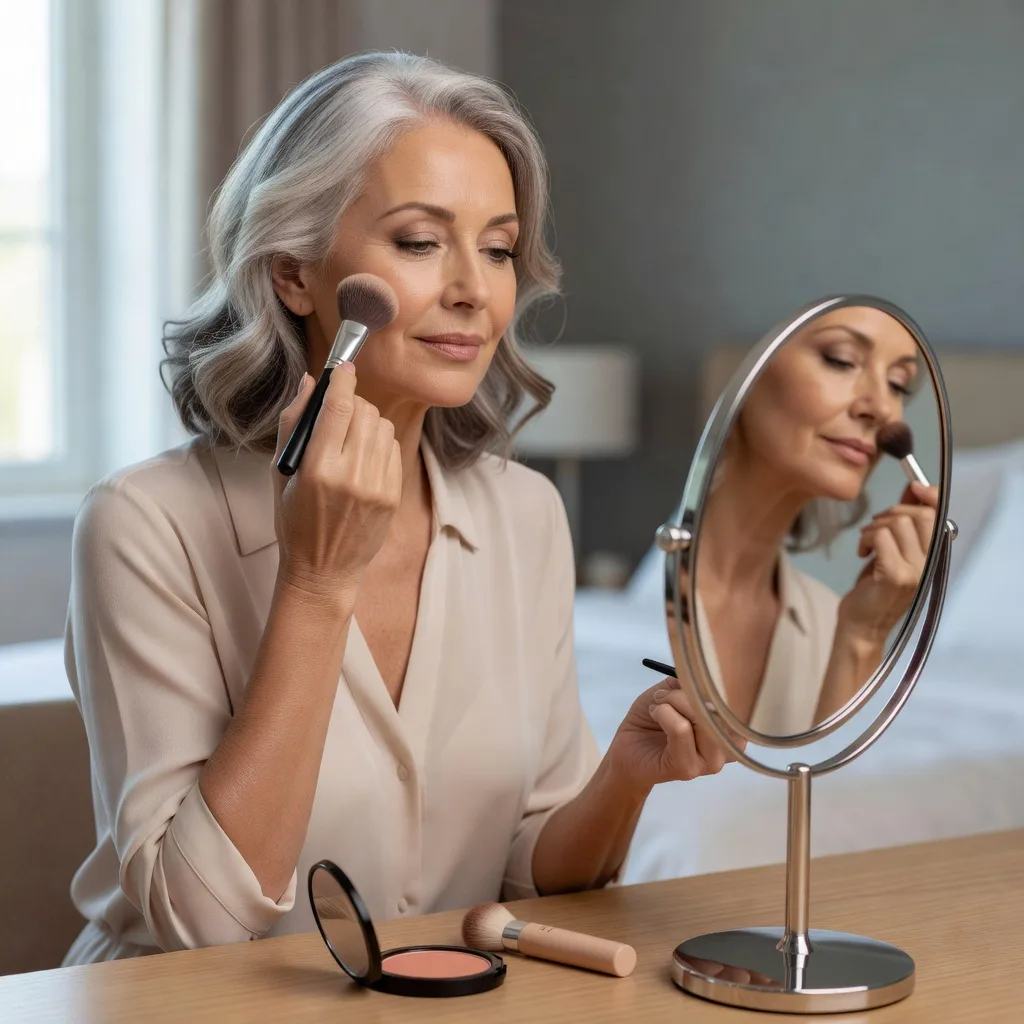
The best way to apply makeup over 50 is to switch to products that add moisture and light rather than heavy coverage. Start with a hydrating moisturiser and sunscreen, then a hydrating or smoothing primer. Choose a lightweight, satin or natural-finish foundation and apply a thin layer only where you need it, using concealer for spots instead of extra foundation. Swap powder blush for cream or liquid blush, which melts into the skin and gives a fresher look. Use powder sparingly, only on the areas that get shiny, so the finish stays soft and skin-like instead of dry and settled into lines.
In short: after 50, hydrate first, choose light and creamy formulas, and use less powder.
The American Academy of Dermatology recommends daily broad-spectrum sunscreen of SPF 30 or higher, and that matters more than any makeup product for skin that has had decades of sun exposure.
This guide focuses on which products to choose and why. If you are over 60, our separate guide on makeup tips for women over 60 goes further into the changes that come later.
Shopping these picks?
Amazon Prime members get fast, free shipping on eligible items, plus Prime Video, Amazon Music and member deals. New members can start with a free trial.
Start a free Prime trialAged 18 to 24? Prime for Young Adults comes with a longer free trial and a lower price after it.
Affiliate link: we may earn a commission at no extra cost to you.
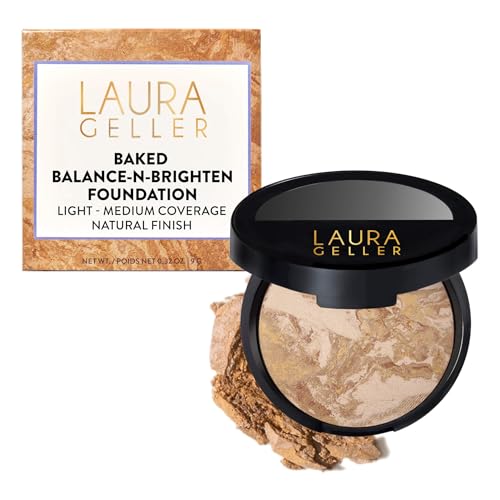
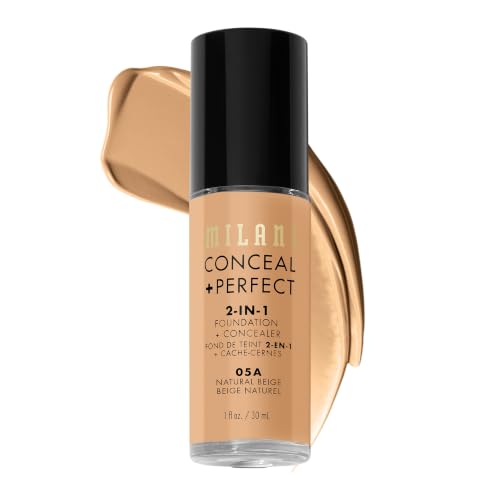
Recommended Hydrating Primers, Lightweight Foundations and Cream Blushes on Amazon



Contents
- What Changes in Your Skin After 50
- Products to Swap After 50
- Hydrating Primers: What to Look For
- Choosing a Lightweight Foundation
- Why Cream Blush Works So Well After 50
- Powder: Use Less, Place It Carefully
- Adjusting Product Choices for Your Skin Type
- How to Build a Makeup Routine After 50
- Eyes, Brows and Lips
- Dos and Don’ts
- Honest Limits
- When to See a Dermatologist
- Questions People Ask
- Final Word
In Brief
- Skin after 50 is usually drier and thinner, so formulas need to be lighter and more hydrating.
- A hydrating primer helps foundation glide instead of cling.
- Lightweight, satin-finish foundation looks more natural than heavy matte.
- Cream and liquid blush blend into skin better than powder.
- Use powder only where you get shiny.
- Concealer on specific spots beats more foundation all over.
- Sunscreen underneath is non-negotiable.
What Changes in Your Skin After 50
Several gradual changes affect how makeup looks. Skin tends to hold less moisture, produces less oil, and becomes thinner and less elastic. Around menopause, falling oestrogen can speed up dryness and loss of firmness for many women. Fine lines, larger-looking pores on the cheeks, age spots and uneven tone become more common, and the eye area often gets drier and more crepey.
- Drier skin makes powder and matte foundation cling to flakes.
- Fine lines and creases give heavy products somewhere to settle.
- Less natural radiance can make matte finishes look flat.
- Uneven tone and age spots make people reach for more coverage than they need.
- Thinner eyelid skin makes heavy eyeshadow crease faster.
The goal is not to hide every change. It is to choose products that work with drier, more textured skin so the result looks fresh rather than heavy.
Products to Swap After 50
A few simple swaps make the biggest difference. You do not need a whole new makeup bag; start with the base and blush, where the change is most visible.
| Instead of | Try | Why it works better |
|---|---|---|
| Mattifying primer | Hydrating or smoothing primer | Keeps foundation moist and flexible |
| Full-coverage matte foundation | Lightweight satin or natural foundation | Moves with the skin and settles less |
| Powder foundation | Liquid, serum or skin-tint formula | Less likely to look dusty |
| Powder blush | Cream or liquid blush | Blends in and adds a healthy glow |
| Heavy setting powder all over | Finely milled powder only on the T-zone | Keeps the rest of the face soft |
| Chunky glitter highlighter | Subtle cream or liquid highlighter | Catches light without showing texture |
| Dark, heavy eyeliner all round | Soft liner on the upper lash line | Opens the eye rather than closing it |
You do not have to swap everything at once. Changing your primer and blush first often gives an instant improvement, and you can adjust foundation when your current bottle runs out.
Hydrating Primers: What to Look For
Primer is optional, but after 50 a hydrating one can make foundation look smoother and last longer. It creates a moist, even layer so the base glides rather than catching on dry patches.
- Look for hydrating ingredients such as glycerin or hyaluronic acid.
- A light-reflecting or radiance primer can add glow to dull skin.
- A smoothing primer can soften the look of large pores on the cheeks.
- Avoid strongly mattifying primers unless you have an oily T-zone.
- Use a small amount; too much can make foundation pill or slip.
If your skin is already well moisturised, a separate primer may add little, and a good moisturiser can do the same job. Our guide to primers for mature skin compares the main types in more detail.
Choosing a Lightweight Foundation
Foundation is where most people over 50 notice the difference. Heavier coverage feels like it should hide more, but on drier, lined skin it usually draws attention to texture.
| Formula | Coverage | Finish | Best for |
|---|---|---|---|
| Skin tint | Sheer | Natural or dewy | Fairly even skin, minimal look |
| Serum foundation | Light to medium | Satin | Dry skin that wants a fresh look |
| Hydrating liquid | Medium, buildable | Satin or radiant | Most mature skin |
| Tinted moisturiser with SPF | Sheer | Natural | Very relaxed days |
| Long-wear matte | Medium to full | Matte | Only if your skin is still oily |
Shade and undertone can also change over time, and many people find the shade they wore at 40 now looks too pink or too dark. Test on your jawline and check it in daylight. If a foundation lists an SPF, still wear sunscreen underneath; the AAD guide on how to apply sunscreen explains how much to use.
Coverage labels are not standardised. One brand’s light foundation can cover more than another brand’s medium, so judge by a swatch on your own skin rather than by the word on the bottle.
Why Cream Blush Works So Well After 50
Cream and liquid blushes sit into the skin instead of on top of it. That gives a soft, natural flush that looks like healthy colour rather than a patch of powder, and they do not emphasise dry texture in the same way.
- Apply cream blush after foundation and before any powder.
- Dab it onto the upper cheeks and blend upwards toward the temples.
- Choose soft pinks, peaches or rosy shades that suit your undertone.
- Build slowly; cream formulas can be more pigmented than they look.
- Many cream blushes also work on the lips for a matching look.
If you have very oily skin or a hot climate, powder blush may still last longer. In that case, choose a finely milled, satin powder and apply it with a light hand after setting.
Powder: Use Less, Place It Carefully
Powder is the product most likely to make makeup look older. It absorbs moisture and can settle into fine lines, especially around the eyes and mouth.
- Set only the areas that get shiny, usually the centre of the forehead and sides of the nose.
- Choose a finely milled translucent powder.
- Use a small fluffy brush or a puff and press lightly.
- Skip powder under the eyes if concealer creases there; use very little if you must.
- A hydrating setting spray can soften any powder that looks flat.
Do not apply thick layers of powder or bake under the eyes on mature skin. It often exaggerates lines and looks dry by midday. If you react to a new product with redness, itching or swelling, remove it and stop using it.
Adjusting Product Choices for Your Skin Type
Not everyone over 50 has dry skin. Your skin type still shapes which version of each product works best, and many people have a mix of dry cheeks and a slightly oily centre. Use the points below to fine-tune the swaps described above rather than following them rigidly.
- Very dry skin: choose a rich moisturiser, a hydrating primer and a serum or radiant foundation, and skip powder on the cheeks entirely.
- Combination skin: use hydrating primer on the cheeks and a light mattifying primer on the nose and forehead, then powder only the centre of the face.
- Oily skin that is still oily: a soft-matte, lightweight foundation and a finely milled powder may suit you better than dewy formulas.
- Sensitive skin or rosacea: look for fragrance-free products and consider a green-tinted primer or light foundation to soften redness.
- Uneven tone or age spots: use a slightly more pigmented concealer only on the spots, then blend the edges carefully.
If your skin changes with the seasons, it is worth keeping two base products, such as a hydrating one for winter and a lighter, more long-wearing one for summer. Re-check how your makeup looks every few months, because skin often keeps changing through and after menopause, and a formula that worked last year may need adjusting.
How to Build a Makeup Routine After 50
Use this order as a starting point, then adjust the amount of each product to suit your skin.
Moisturise well
Use a moisturiser that suits your skin and let it absorb for a few minutes.
Apply sunscreen
Use a broad-spectrum SPF 30 or higher every morning.
Add hydrating primer
Press a small amount onto the areas where makeup usually clings or fades.
Apply lightweight foundation
Start in the centre of the face and blend outwards thinly.
Conceal only where needed
Dot concealer on spots, redness and inner eye corners, then pat to blend.
Add cream blush
Dab onto the upper cheeks and blend upwards.
Set lightly
Press a little powder only on shiny areas.
Finish the eyes and brows
Use soft liner, satin eyeshadow and filled-in brows to frame the face.
Look at your makeup in natural daylight when you finish. Light and warm indoor bulbs hide heavy edges that show clearly outside.
Eyes, Brows and Lips
Changes around the eyes and lips are just as noticeable as changes in the base. Small adjustments help the whole face look balanced.
- Brows often thin with age; filling them softly frames the face and lifts the eyes.
- Satin and matte eyeshadows usually look smoother on crepey lids than heavy shimmer.
- An eyelid primer can help shadow resist creasing.
- Tightlining or a soft line along the upper lashes defines eyes without heaviness.
- Lip liner can help stop lipstick feathering into lines around the mouth.
- Moisturising lip products usually flatter more than very dry matte formulas.
Our guide on makeup mistakes that age you covers common habits worth changing around the eyes and lips.
Dos and Don’ts
Helps
- Choose hydrating primers and lightweight foundations
- Use cream or liquid blush
- Wear sunscreen under makeup
- Re-check your shade every few years
- Remove makeup gently at night
Backfires
- Rely on full-coverage matte foundation
- Pile powder all over the face
- Use heavy shimmer on crepey lids
- Keep the same products just from habit
- Tug at delicate eye skin
Honest Limits
Makeup cannot change the texture of your skin, remove lines or lift sagging. Products described as anti-ageing or age-defying may contain helpful ingredients, but in a thin layer of foundation they will do far less than a well-chosen skincare routine.
There is also no single correct look after 50. The swaps above are general tendencies, and some people with oily or very even skin still prefer matte foundation and powder blush. Use them as a starting point, test products on your own skin, and keep what makes you feel comfortable and confident.
When to See a Dermatologist
- You notice a new, changing or unusual spot or mole.
- Your skin becomes very dry, flaky or itchy despite moisturising.
- You react to makeup with redness, swelling or burning.
- You want treatment for age spots, lines or sagging rather than cover.
This article is for general information only and is not medical advice. Patch test new makeup, stop using anything that irritates your skin, and see a board-certified dermatologist about any skin changes or reactions.
Questions People Ask
What is the best way to apply makeup over 50?
Hydrate, use a light foundation, cream blush and very little powder.
Should I use primer after 50?
A hydrating primer helps if foundation clings to dry areas.
What foundation finish is best over 50?
Satin or natural finishes usually look the most flattering.
Is powder bad for mature skin?
Not bad, but use it only where you get shiny.
Is cream blush better than powder over 50?
Usually, because it blends into skin and adds glow.
Should my foundation shade change as I age?
It can; re-test your shade in daylight.
Can I still wear shimmer after 50?
Yes, but subtle satin sheen usually looks smoother.
How much coverage should I use?
Light to medium, with concealer only where needed.
Do I still need sunscreen under makeup?
Yes, every day.
Is this different from makeup over 60?
The principles are similar; see our guide for women over 60.
Final Word
The best way to apply makeup over 50 is to choose products that add moisture and light: a hydrating primer, lightweight satin foundation, cream blush and only a little powder where you shine.
Wear sunscreen every morning, re-check your shade, test new products on your own skin and see a dermatologist for any changes that makeup cannot fix.

Written by
Registered pharmacist and founder of Facial Adviser. Rakib's pharmacy training covers how skincare actives work and interact; a later course in cosmetology turned that into a focus on facial treatments and skincare products. He plans, researches and edits every guide on the site and checks health claims against sources such as the American Academy of Dermatology, the FDA and the NIH. He is not a dermatologist; see the Editorial Policy and Medical Disclaimer.
About · Editorial policy · How we choose products · Medical disclaimer · Contact
Keep reading: Makeup basics and skin
- How to Properly Put On Face Makeup: The Right Order, Step by Step
- Best Way to Apply Makeup for Oily Skin: Prep, Prime, Set and Blot
- What to Do If Makeup Gets in Your Eye: First Aid and Warning Signs
- Why Does Makeup Make Me Look Tired? Causes and Easy Fixes
- How Do You Know If Makeup Is Oil-Free? Reading Labels and Ingredients
- Is It Safe to Wear Makeup While Pregnant? What to Use and Avoid
- How to Choose the Right Eye Makeup Color for Your Eyes and Skin
- What Can You Use to Make Your Makeup Stay On All Day? 9 Products and Tricks