How Indoor Air Quality Affects Skin Health: Dryness, Pollutants and What Helps
Most people spend the majority of their time indoors, at home, at work or in transport. Skin is exposed to that indoor air all day and all night, yet it gets far less attention than sun, pollution outside or skincare products. Dry, heated winter air, smoky kitchens, dusty rooms and poorly ventilated spaces can all leave their mark on the skin.
Part of our guide to lifestyle and skin. Start with: How Diet Impacts the Skin Microbiome: What the Science Actually Shows
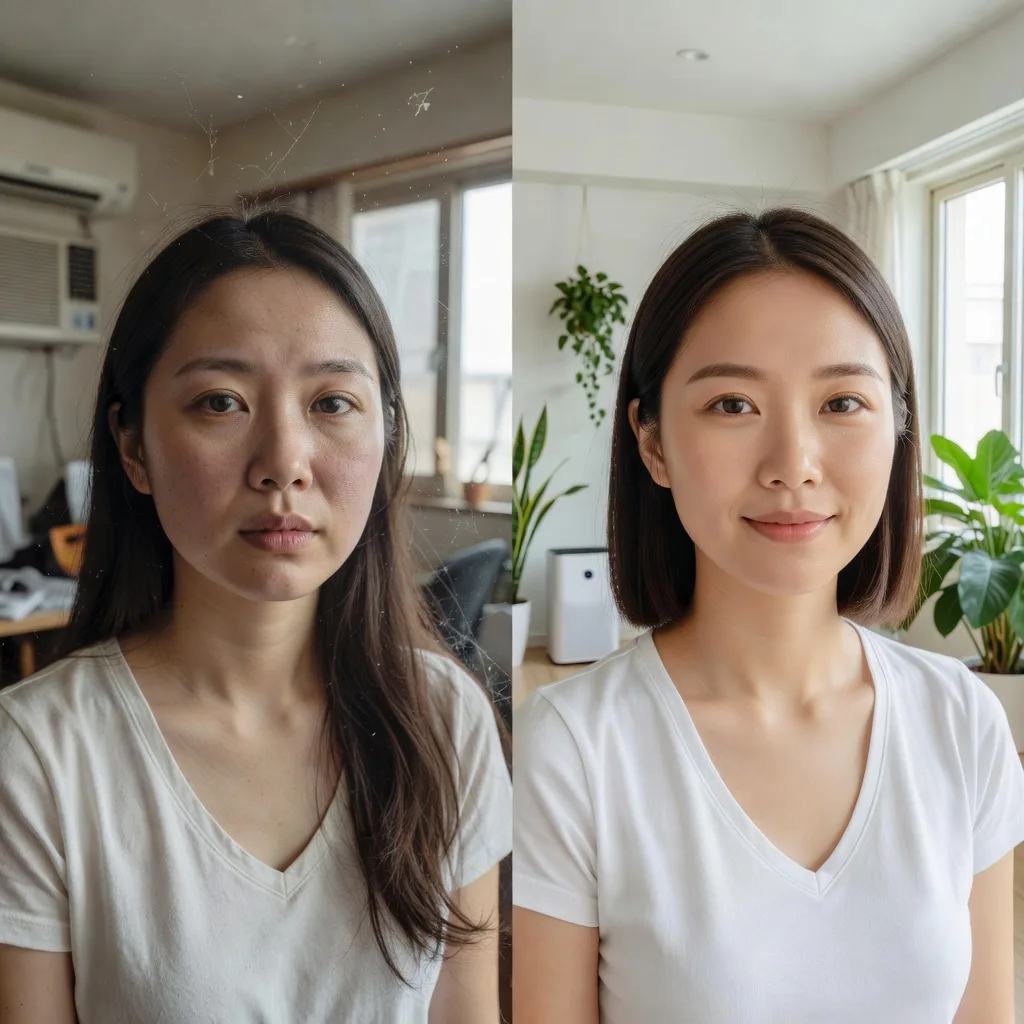
Indoor air quality affects skin mainly through humidity and pollutants. Very dry air from heating or air conditioning pulls moisture from the skin, leaving it tight, flaky and more easily irritated, and can worsen eczema. Pollutants such as tobacco smoke, cooking fumes, fine particles and chemical vapours can add oxidative stress to the skin and may contribute to dullness, irritation and, over time, signs of aging. To protect your skin, keep indoor humidity roughly between 30 and 50 percent, ventilate while cooking and cleaning, avoid indoor smoking, use a HEPA air purifier if needed, cleanse gently each evening and support the skin barrier with moisturiser and antioxidants.
Indoor air is rarely the only reason for skin problems, but it can make existing issues worse. The good news is that many of the fixes are simple and benefit your overall health too.
Research on pollution and skin, summarised in dermatology reviews, suggests that airborne pollutants can generate oxidative stress and inflammation in the skin. Most of that research focuses on outdoor pollution, but many of the same pollutants are found indoors.
This guide explains how indoor humidity and pollutants affect skin, who is most sensitive, the signs to look for and a practical routine to protect your skin at home and at work.
Shopping these picks?
Amazon Prime members get fast, free shipping on eligible items, plus Prime Video, Amazon Music and member deals. New members can start with a free trial.
Start a free Prime trialAged 18 to 24? Prime for Young Adults comes with a longer free trial and a lower price after it.
Affiliate link: we may earn a commission at no extra cost to you.
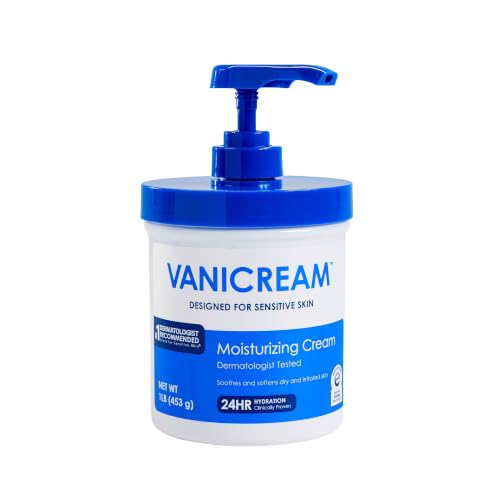
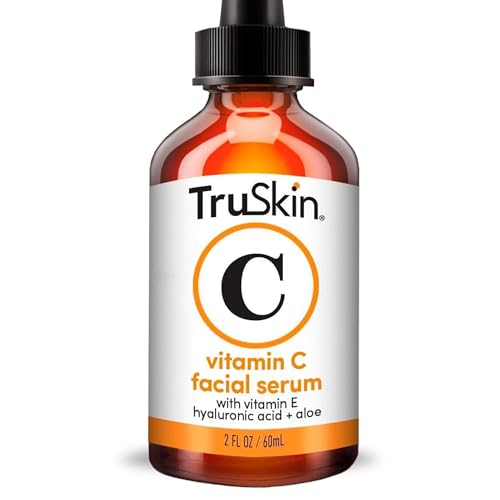
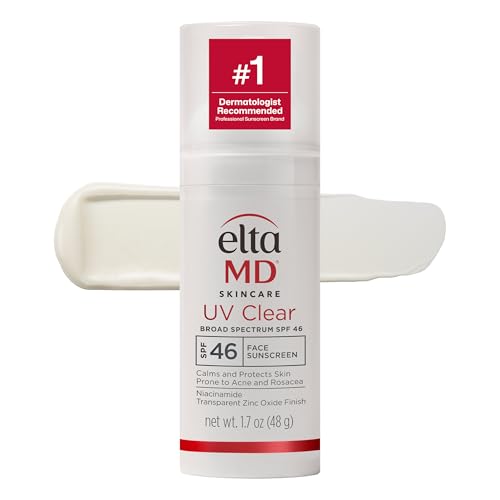
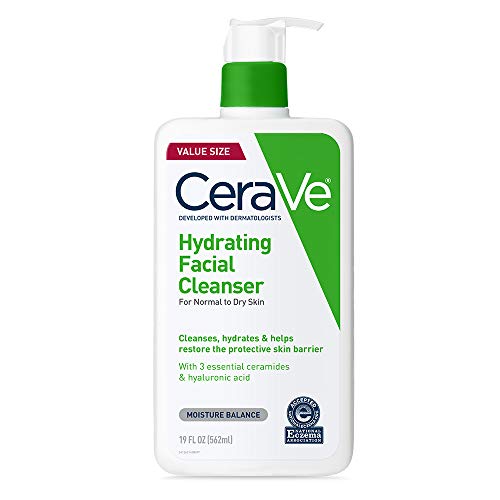
Recommended Products for Better Indoor Air and Healthier Skin


Key Takeaways
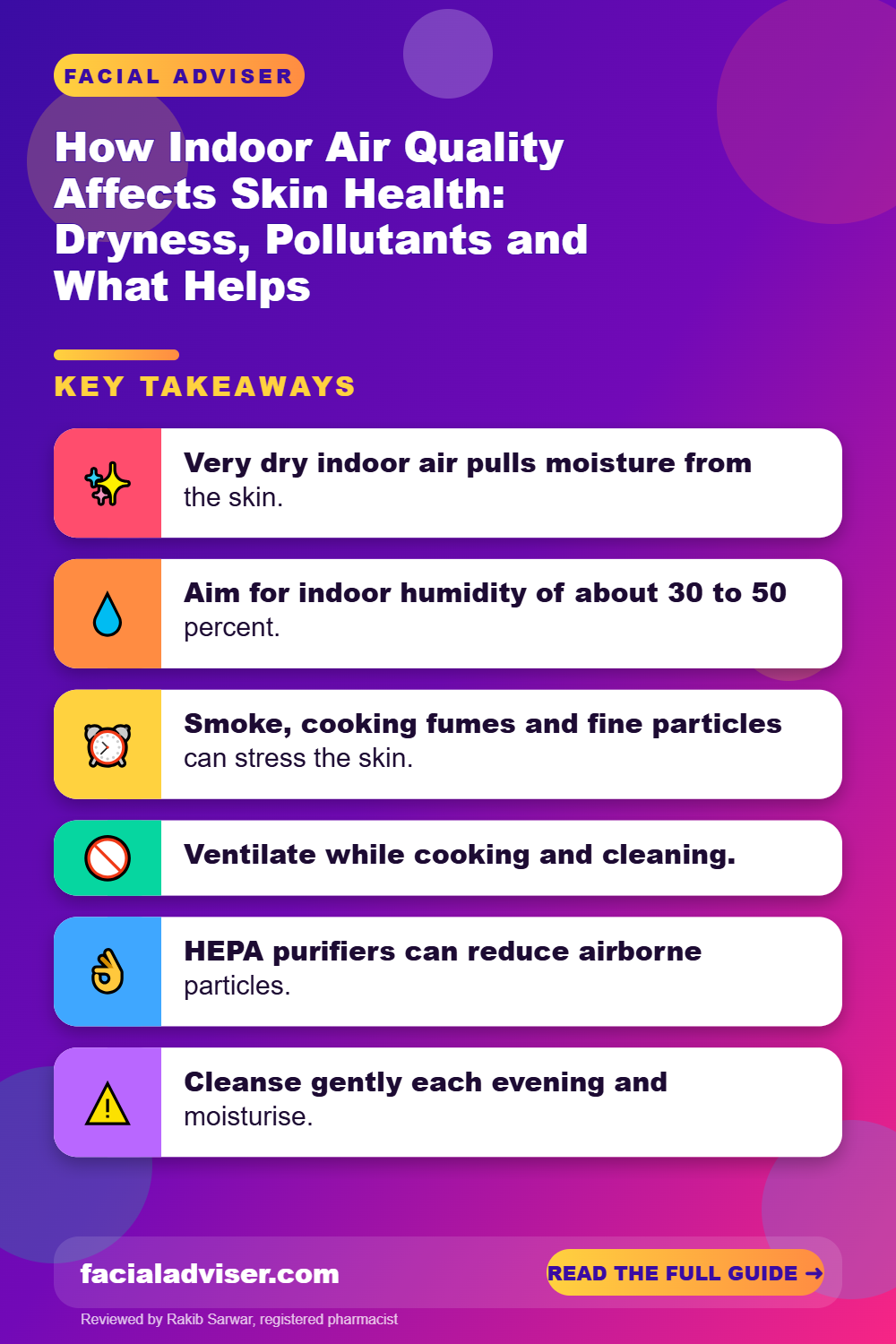
- Very dry indoor air pulls moisture from the skin.
- Aim for indoor humidity of about 30 to 50 percent.
- Smoke, cooking fumes and fine particles can stress the skin.
- Ventilate while cooking and cleaning.
- HEPA purifiers can reduce airborne particles.
- Cleanse gently each evening and moisturise.
- Antioxidant serums and sunscreen support skin defences.
Jump to a Section
- Indoor Air Factors That Affect Skin
- Dry Air and Your Skin
- Indoor Pollutants and Skin
- Signs Indoor Air May Be Affecting Your Skin
- How to Protect Your Skin From Poor Indoor Air
- Skincare That Helps
- Who Is Most Sensitive
- At Work and on the Move
- Room-by-Room Tips
- Dos and Don’ts
- Honest Limits
- When to See a Dermatologist
- Questions People Ask
- Summing Up
Indoor Air Factors That Affect Skin
Several features of indoor air can influence how your skin looks and feels.
| Factor | Common sources | Possible effect on skin |
|---|---|---|
| Low humidity | Central heating, air conditioning, winter air | Dryness, tightness, flaking, eczema flares |
| High humidity | Poor ventilation, damp buildings | Sweating, clogged pores, mould exposure |
| Fine particles (PM2.5) | Cooking, candles, smoking, outdoor pollution indoors | Oxidative stress, dullness, irritation |
| Tobacco smoke | Indoor smoking or vaping | Premature aging, dullness, poor healing |
| Volatile organic compounds | Cleaning sprays, paints, air fresheners | Irritation in sensitive skin |
| Dust and allergens | Dust mites, pets, textiles | Itching and flares in allergic or eczema-prone skin |
Not everyone reacts to these factors in the same way, and the effects are usually gradual rather than dramatic. People with dry, sensitive or eczema-prone skin tend to notice changes in indoor air first, while others may not notice any effect.
Dry Air and Your Skin
Humidity is the indoor factor that most people feel directly. It is measured as relative humidity, the amount of water vapour in the air compared with the maximum the air can hold at that temperature. When the air is very dry, water evaporates more quickly from the skin’s surface, leaving it tight, rough and more prone to irritation. This is why many people notice dry, flaky skin in winter when the heating is on, or in offices with strong air conditioning.
The American Academy of Dermatology recommends using a humidifier when the air is dry and applying moisturiser straight after washing to trap moisture in the skin. Read its tips for relieving dry skin. Our guide on facial dryness from indoor heating covers winter dryness in more detail.
A small digital hygrometer is an inexpensive way to check indoor humidity. Many homes drop well below 30 percent in winter without anyone noticing.
Indoor Pollutants and Skin
Indoor air can contain pollutants from cooking, heating, smoking, candles, cleaning products and outdoor air that drifts inside. Dermatology research suggests that pollutants such as fine particles and chemicals from smoke can increase oxidative stress in the skin, which is linked to inflammation, pigment changes and signs of aging.
A review in the Journal of Dermatological Science summarised evidence linking pollution and skin, including associations between air pollutants and skin aging and pigment spots. A later review on air pollution and skin disorders discusses links with conditions such as eczema and acne. Much of this research concerns outdoor air, but many of the same pollutants are present indoors, especially in homes with smoking or poor ventilation.
Keeping pollutant sources low is usually more effective than trying to counter them afterwards. Cooking with lids on, using the extractor fan, avoiding indoor smoking and choosing unscented products all reduce what ends up in the air. Our guide on the effects of pollution on facial aging explains outdoor pollution in more detail.
Signs Indoor Air May Be Affecting Your Skin
These signs do not prove that indoor air is the cause, but they suggest it is worth looking at.
- Skin feels tight or flaky mainly when the heating or air conditioning is on.
- Eczema or itchiness flares in winter or in certain rooms.
- Skin feels better on holiday or in more humid places.
- Irritation after using strong cleaning sprays or air fresheners.
- Dull, tired-looking skin in smoky or poorly ventilated homes.
If symptoms clearly improve when you change rooms, open windows or turn on a humidifier, indoor air is likely playing a part. Keeping a short diary of how your skin feels alongside the weather, heating and activities at home can help you spot patterns you might otherwise miss. Our guide on whether sleeping with open windows affects the skin barrier looks at bedroom air specifically.
How to Protect Your Skin From Poor Indoor Air
Check humidity
Use a hygrometer and aim for roughly 30 to 50 percent.
Add moisture when needed
Run a clean humidifier in dry rooms, especially bedrooms.
Ventilate
Use extractor fans and open windows while cooking and cleaning.
Reduce pollutants
Avoid indoor smoking, limit candles and choose fragrance-free cleaning products.
Filter the air
Consider a HEPA air purifier in rooms where you spend the most time.
Cleanse gently
Wash your face each evening to remove particles and oil.
Moisturise and protect
Use a barrier-supporting moisturiser, an antioxidant serum and daily sunscreen.
Clean humidifiers regularly and use distilled water if your tap water is hard. Dirty humidifiers can spread mould and bacteria, which is worse for your skin and lungs than dry air.
You do not need to do everything at once, and many steps cost little or nothing. For most people, adding moisture in winter and improving ventilation while cooking make the biggest difference.
Skincare That Helps
A simple routine can help your skin cope with dry or polluted indoor air.
- A gentle, non-stripping cleanser in the evening to remove particles and oil.
- A moisturiser with ingredients such as ceramides, glycerin or petrolatum to support the barrier.
- An antioxidant serum, such as vitamin C, in the morning if your skin tolerates it.
- Broad-spectrum sunscreen every day, since UV and pollution effects can add up.
- A richer cream at night in winter or in air-conditioned rooms.
Cleansing in the evening is especially important if you live in a city, near busy roads or in a home with a wood-burning stove, since fine particles can settle on the skin during the day. Antioxidants are often marketed as anti-pollution ingredients. They may help counter some oxidative stress, but they cannot block pollutants entirely, and evidence in real-world conditions is still developing. The American Academy of Dermatology notes that daily sun protection remains one of the most effective ways to reduce premature skin aging.
Who Is Most Sensitive
Some people are more affected by indoor air than others.
- People with eczema, psoriasis or very dry skin.
- Those with rosacea or sensitive skin.
- Older adults, whose skin produces less oil.
- Babies and young children.
- People who spend long hours in heated or air-conditioned offices.
- Smokers and people living with smokers.
If you fall into one of these groups, small changes to your environment can make a noticeable difference, often within a week or two. People with eczema in particular often find that humidifiers, cotton bedding and fragrance-free cleaning products reduce flares.
Avoid using fragranced air fresheners, incense and scented candles near someone with eczema, asthma or very sensitive skin. They can release irritants into the air and may trigger flares.
At Work and on the Move
Offices, planes and cars often have very dry, recycled air, and you usually have little control over it. Keeping a small tube of moisturiser at your desk and a travel-size cream in your bag helps. On flights, a rich moisturiser and lip balm are more useful than frequent misting, which can evaporate quickly. Drinking water helps you feel better on long journeys, though it does not directly hydrate the skin’s surface.
If you work in an environment with fumes, dust or chemicals, follow workplace safety guidance, wash your face and hands after exposure and use protective equipment where recommended. Our guide on whether facial sprays are useful explains how to use mists without drying the skin.
Room-by-Room Tips
Different rooms have different air problems. A few targeted changes often help more than trying to fix the whole home at once.
| Room | Common issue | What helps |
|---|---|---|
| Bedroom | Dry air from heating overnight | Humidifier, cotton bedding, clean pillowcases |
| Kitchen | Cooking fumes and fine particles | Extractor fan, open window, lids on pans |
| Bathroom | High humidity and mould risk | Ventilation fan, wipe damp surfaces |
| Living room | Candles, fireplaces, dust | Limit candles, ventilate, vacuum with a HEPA filter |
| Home office | Dry air, long hours | Small humidifier, desk moisturiser, regular breaks |
| Car | Recirculated, dry air | Fresh-air setting, lip balm and moisturiser |
The bedroom deserves special attention, since you spend a third of your life there and skin does much of its repair overnight. A clean humidifier and regular washing of bedding can make a noticeable difference to dryness and itchiness.
If you live in a very humid climate, the priority is different: reducing damp and mould with ventilation or a dehumidifier protects both skin and breathing.
Dos and Don’ts
Good Habits
- Keep humidity around 30 to 50 percent
- Ventilate while cooking
- Clean humidifiers regularly
- Cleanse gently each evening
- Moisturise and wear sunscreen daily
Common Mistakes
- Smoke indoors
- Rely on scented air fresheners
- Let humidifiers grow mould
- Take long, very hot showers in dry weather
- Ignore persistent itching or rashes
Honest Limits
Research on indoor air and skin specifically is more limited than research on outdoor pollution, and most studies look at groups of people rather than individual homes. Many conclusions are drawn from outdoor studies and from what is known about how pollutants and humidity affect skin in general.
Improving indoor air will not fix skin conditions with other causes, such as hormonal acne or genetic eczema, but it can reduce one set of triggers and make other treatments more effective. Treat indoor air as one piece of the puzzle alongside your skincare routine, sleep and overall health.
When to See a Dermatologist
- Dryness, cracking or itching does not improve with moisturiser and humidity.
- You have eczema flares that are frequent or severe.
- A rash appears after exposure to fumes or cleaning products.
- Skin changes come with breathing problems or other symptoms.
This article is for general information and does not replace professional medical advice. See a doctor or dermatologist for persistent skin problems, and seek medical help for breathing difficulties related to indoor air.
Questions People Ask
Can indoor air affect my skin?
Yes, mainly through low humidity and pollutants such as smoke and fine particles.
What humidity is best for skin?
Roughly 30 to 50 percent indoors.
Does central heating dry out skin?
Yes, it lowers humidity and can leave skin tight and flaky.
Do air purifiers help skin?
They reduce airborne particles, which may help, especially for sensitive skin.
Is a humidifier good for eczema?
Many people with eczema find it helps in dry weather.
Can cooking fumes affect skin?
They add particles and pollutants to indoor air; ventilation helps.
Do anti-pollution skincare products work?
Antioxidants may help a little, but cannot block pollutants entirely.
Does air conditioning dry skin?
It can, especially in offices and cars.
Can scented candles irritate skin?
They can release irritants that bother sensitive or eczema-prone skin.
What skincare helps with dry indoor air?
A gentle cleanser, barrier-supporting moisturiser and daily sunscreen.
Summing Up
Indoor air affects skin mainly through humidity and pollutants. Very dry air pulls moisture from the skin, while smoke, cooking fumes and fine particles can add oxidative stress and irritation.
Keep humidity around 30 to 50 percent, ventilate while cooking and cleaning, avoid indoor smoking and consider a HEPA purifier. Support your skin with gentle cleansing, a good moisturiser, antioxidants and daily sunscreen.

Written by
Registered pharmacist and founder of Facial Adviser. Rakib's pharmacy training covers how skincare actives work and interact; a later course in cosmetology turned that into a focus on facial treatments and skincare products. He plans, researches and edits every guide on the site and checks health claims against sources such as the American Academy of Dermatology, the FDA and the NIH. He is not a dermatologist; see the Editorial Policy and Medical Disclaimer.
About · Editorial policy · How we choose products · Medical disclaimer · Contact
Keep reading: Diet, sleep, stress and skin
- How Diet Impacts the Skin Microbiome: What the Science Actually Shows
- Your Skin Has a Body Clock: How Circadian Rhythm Shapes Skin Repair
- Does Caffeine Constrict Facial Blood Flow? Coffee, Skin and Redness
- How to Lower Cortisol for Better Skin: What Stress Really Does
- Cold vs Warm Compress for the Face: Effects on Blood Flow and When to Use Each
- Can Vitamin D Deficiency Cause Acne? What Studies Show