Does Caffeine Constrict Facial Blood Flow? Coffee, Skin and Redness
Caffeine turns up in two very different places in beauty conversations. It is a star ingredient in de-puffing eye creams, and it is also on many lists of foods to avoid for rosacea and redness. Both ideas trace back to the same question: what does caffeine actually do to blood vessels in the face?
Part of our guide to lifestyle and skin. Start with: How Diet Impacts the Skin Microbiome: What the Science Actually Shows
Caffeine can make some blood vessels narrow, which is why it is added to eye creams to reduce puffiness and dark circles. Drinking coffee does not seem to cause lasting facial redness; a large study of more than 82,000 women actually found that higher caffeinated coffee intake was linked to a lower risk of developing rosacea. The heat of a hot drink, rather than the caffeine, is more often the trigger for flushing.
The effect of caffeine on blood vessels is not uniform. It tends to narrow vessels in the brain, which is partly why it helps some headaches, while its effect on skin blood flow when you drink it is modest and short-lived. Applied to the skin, caffeine can have a local tightening effect.
For most people, a few cups of coffee a day is unlikely to harm the skin. The issues tend to come from what is added (sugar, syrups), how hot it is, and whether caffeine is disturbing your sleep, which has a clear effect on how your skin looks.
Below we look at the evidence on caffeine and facial blood flow, what it means for rosacea and puffiness, what caffeine skincare can and cannot do, and how to enjoy your coffee without upsetting your skin.
Shopping these picks?
Amazon Prime members get fast, free shipping on eligible items, plus Prime Video, Amazon Music and member deals. New members can start with a free trial.
Start a free Prime trialAged 18 to 24? Prime for Young Adults comes with a longer free trial and a lower price after it.
Affiliate link: we may earn a commission at no extra cost to you.
Recommended Caffeine Skincare and Skin-Friendly Swaps

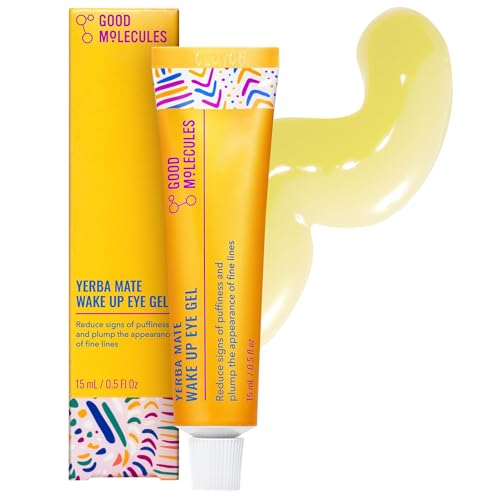
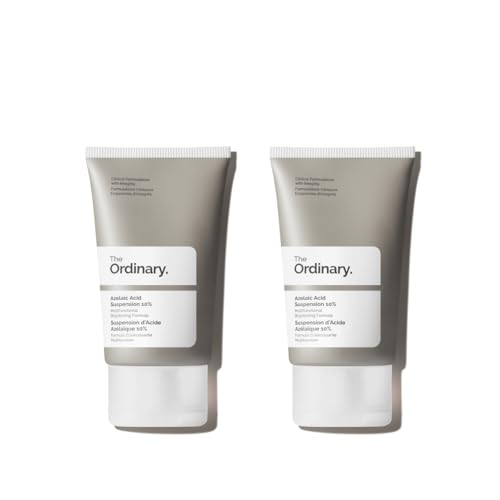


In Brief
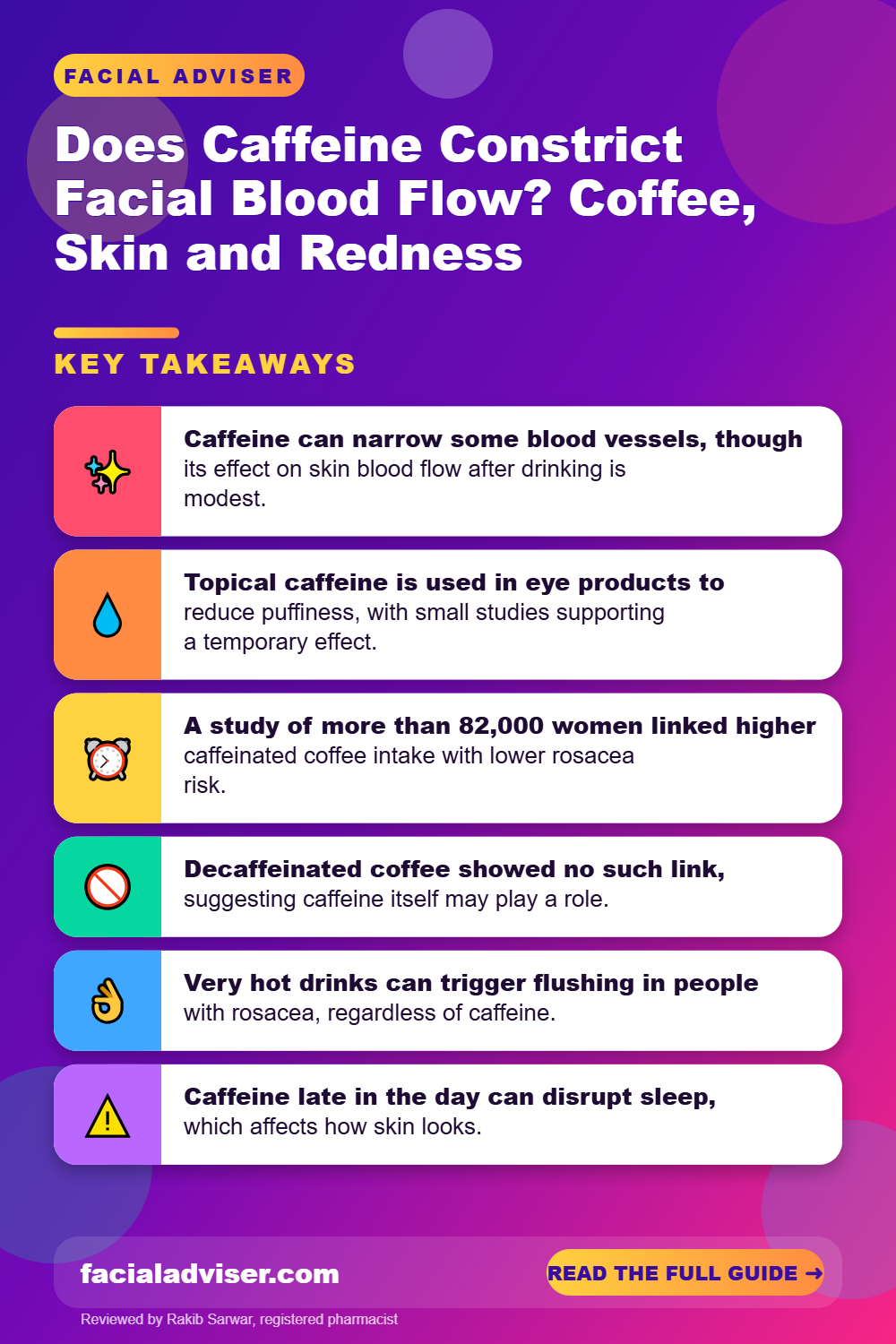
- Caffeine can narrow some blood vessels, though its effect on skin blood flow after drinking is modest.
- Topical caffeine is used in eye products to reduce puffiness, with small studies supporting a temporary effect.
- A study of more than 82,000 women linked higher caffeinated coffee intake with lower rosacea risk.
- Decaffeinated coffee showed no such link, suggesting caffeine itself may play a role.
- Very hot drinks can trigger flushing in people with rosacea, regardless of caffeine.
- Caffeine late in the day can disrupt sleep, which affects how skin looks.
- Most healthy adults can safely have up to about 400 mg of caffeine a day.
Jump to a Section
- What Caffeine Does to Blood Vessels
- Caffeine, Coffee and Rosacea
- Caffeine in Skincare
- The Bigger Skin Issue: Sleep
- How Much Caffeine Is in Your Drinks?
- What Else Research Says About Coffee and Skin
- Is Caffeine Affecting Your Skin?
- How to Enjoy Caffeine Without Upsetting Your Skin
- Dos and Don’ts
- Honest Limits
- When to See a Doctor
- Frequently Asked Questions
- Where This Leaves You
What Caffeine Does to Blood Vessels
Caffeine works mainly by blocking adenosine, a chemical messenger that builds up during the day and makes you feel sleepy. Adenosine also tends to widen blood vessels. By blocking it, caffeine can cause some vessels to narrow, especially in the brain.
Elsewhere in the body the picture is more mixed. Caffeine also raises adrenaline slightly and can briefly increase blood pressure. In the skin, studies of oral caffeine show only small, short-term changes in blood flow, and people vary a lot in how they respond.
| Where caffeine acts | Typical effect | What you might notice |
|---|---|---|
| Brain blood vessels | Narrowing | Relief of some headaches; rebound headaches on withdrawal |
| Heart and circulation | Slight rise in heart rate and blood pressure | Jitteriness at high doses |
| Skin, when drunk | Small, short-lived changes | Usually nothing visible |
| Skin, when applied | Local tightening effect | Less puffiness for a few hours |
Caffeine, Coffee and Rosacea
Coffee has long been listed as a rosacea trigger. The evidence suggests that is mostly about heat, not caffeine. In a study using data from the Nurses’ Health Study II, which followed 82,737 women, those who drank four or more cups of caffeinated coffee a day had a 23% lower risk of developing rosacea than those who drank less than one cup a month. Decaffeinated coffee showed no such effect, and caffeine from tea, soda and chocolate did not show a clear link (Li et al., JAMA Dermatology 2018).
The researchers suggested caffeine’s ability to narrow blood vessels and its anti-inflammatory effects might explain the finding. As with all observational studies, it shows an association, not proof that coffee prevents rosacea.
The National Rosacea Society notes that hot drinks are a common trigger for flushing. If coffee seems to set off your rosacea, try letting it cool or switching to iced coffee before cutting it out.
Caffeine in Skincare
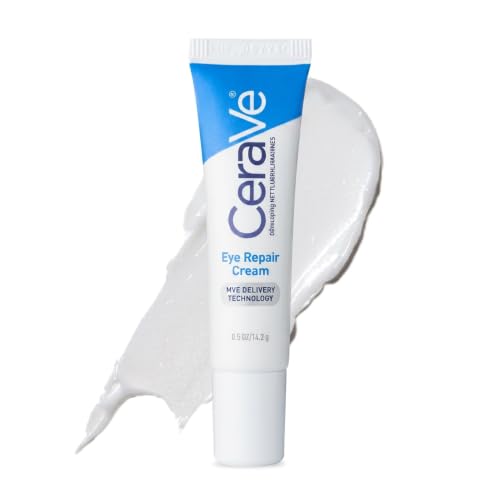
Caffeine is a common ingredient in eye creams and serums aimed at puffiness and dark circles. The idea is that it narrows small blood vessels and helps reduce fluid in the delicate under-eye area.
Small studies suggest caffeine-containing eye products can produce a modest, temporary improvement in puffiness and the look of dark circles, although many products combine caffeine with other active ingredients, making it hard to judge caffeine alone. The effect lasts hours, not days, and it will not change dark circles caused by pigmentation or thin skin.
How you apply it matters too. Use a small amount, pat it gently along the bone under the eye rather than close to the lash line, and give it a few minutes before makeup. Rubbing the thin skin around the eyes can irritate it and cancel out any benefit, and getting products into the eye can cause stinging.
Caffeine is also an antioxidant and appears in some serums marketed for redness and ageing. The evidence for these uses is limited.
Keep your caffeine eye product in the fridge. The cold adds its own de-puffing effect and feels soothing in the morning.
The Bigger Skin Issue: Sleep
For many people, the most important way caffeine affects their skin is indirect. Caffeine has a half-life of around five hours in most adults, meaning half of it is still in your system several hours after you drink it. An afternoon coffee can reduce sleep quality even if you fall asleep without trouble.
Poor sleep is linked with puffier eyes, dull skin, slower barrier recovery and flares of conditions such as eczema and acne. For more on this, see our guide to how circadian rhythm shapes skin repair.
If you are sensitive to caffeine, have anxiety, heart rhythm problems or high blood pressure, or are pregnant, talk to your doctor about how much caffeine is safe for you.
How Much Caffeine Is in Your Drinks?
Caffeine content varies widely with brand, brewing method and serving size, so these are rough guides only.
| Drink | Approximate caffeine | Notes for skin |
|---|---|---|
| Brewed coffee, one mug | 80 to 120 mg | Let it cool if you flush easily |
| Espresso, single shot | 60 to 80 mg | Small volume, often drunk quickly while hot |
| Black tea, one cup | 40 to 50 mg | Also contains antioxidants |
| Green tea, one cup | 25 to 35 mg | Antioxidant-rich; often drunk hot |
| Energy drink, one can | 80 to 160 mg or more | Often high in sugar |
| Cola, one can | 30 to 40 mg | Usually high in sugar |
| Dark chocolate, small bar | 20 to 60 mg | Also contains sugar |
Large coffee-shop servings can contain far more caffeine than a standard mug, so it is easy to exceed 400 mg without realising.
What Else Research Says About Coffee and Skin
Coffee is one of the biggest sources of antioxidants in many people’s diets. Laboratory studies show that compounds such as chlorogenic acid can reduce oxidative stress and inflammation in skin cells, and some population studies have linked coffee drinking with a slightly lower risk of certain skin cancers. These findings are interesting but do not mean coffee should be used as skin protection; sunscreen remains essential.
On the other side, coffee drinks can be a large source of sugar and dairy, both of which have been linked with acne in some people. A plain coffee and a large sweetened latte are very different things for your skin.
Put simply, the caffeine and antioxidants in plain coffee are unlikely to harm your skin, and may help a little. The extras, the temperature and the timing are what deserve attention.
Is Caffeine Affecting Your Skin?
- You flush after hot coffee or tea but not after iced versions: heat, not caffeine, is the likely trigger.
- You drink caffeine after 2pm and sleep poorly or wake unrefreshed.
- You add a lot of sugar or syrup to your drinks.
- You drink more than four or five strong coffees a day and feel jittery or anxious.
- Your skin seems worse during high-caffeine, low-sleep weeks.
If none of these apply, your coffee habit is probably fine for your skin, and there is no need to give up something you enjoy.
How to Enjoy Caffeine Without Upsetting Your Skin
Let it cool
If you have rosacea or flush easily, drink coffee and tea warm rather than piping hot, or switch to iced.
Set a caffeine cut-off
Avoid caffeine in the eight hours before bed to protect sleep.
Watch what you add
Limit sugar and syrups, which are linked to acne in some people.
Stay within a sensible limit
Most healthy adults can have up to about 400 mg a day, roughly four standard cups of brewed coffee.
Drink water too
Coffee counts toward fluid intake, but water helps if you drink a lot of caffeine.
Use caffeine topically if you like
A caffeine eye product in the morning can help with puffiness.
Dos and Don’ts
Do
- Let hot drinks cool if you flush easily
- Keep caffeine to earlier in the day
- Use caffeine eye products for morning puffiness
- Choose unsweetened or lightly sweetened drinks
- Treat rosacea with proven products like azelaic acid and sunscreen
Don’t
- Assume coffee is automatically bad for your skin
- Rely on caffeine to fix dark circles caused by pigmentation
- Drink caffeine late and expect good sleep
- Load drinks with sugar and syrups
- Exceed safe caffeine limits
Honest Limits
The rosacea study is observational and involved mainly white women in the US, so its results may not apply to everyone. It does not mean that drinking more coffee will treat existing rosacea.
Research on topical caffeine is small and often funded by manufacturers. Expect a subtle, short-lived improvement at best.
Caffeine withdrawal can cause headaches and fatigue, and some people notice their skin looks more tired while adjusting. If you cut back, do it gradually over a week or two, for example by replacing one cup a day with decaf or herbal tea, so your body adjusts without the rebound headaches that make many people give up.
If your concern is facial redness in general, our guide to facial circulation explains what widens and narrows facial blood vessels more broadly.
When to See a Doctor
See a doctor or dermatologist if you have:
- Persistent facial redness, visible blood vessels or bumps, which may be rosacea
- Flushing with other symptoms such as sweating, palpitations, diarrhoea or wheezing
- A racing or irregular heartbeat, chest pain or severe anxiety after caffeine
- Ongoing sleep problems
- Eye puffiness that is present all day, every day
This article is for general information only and does not replace medical advice. If you have a heart condition, are pregnant or take regular medication, check with your doctor about safe caffeine intake.
Frequently Asked Questions
Does caffeine narrow blood vessels in the face?
Caffeine can narrow some blood vessels, particularly in the brain. When drunk, its effect on facial skin blood flow is small and short-lived.
Does coffee cause rosacea?
A large study found higher caffeinated coffee intake was linked to a lower risk of developing rosacea. Hot drinks can still trigger flushing.
Do caffeine eye creams work?
They may reduce puffiness temporarily, but they do not fix pigmentation-related dark circles.
Is decaf better for rosacea?
Decaf removes caffeine but not heat. If hot drinks trigger your flushing, temperature matters more.
Can coffee cause acne?
Coffee itself is not a known cause, but sugar, syrups and milk added to drinks may affect acne in some people.
Does caffeine dehydrate skin?
Moderate caffeine intake does not meaningfully dehydrate the body or skin.
How much caffeine is safe per day?
For most healthy adults, up to about 400 mg a day is considered safe.
When should I stop drinking caffeine for better sleep?
About eight hours before bed is a reasonable guide for most people.
Can caffeine help dark circles?
It may help with puffiness and some shadowing, but not with pigmentation or hollowness.
Does green tea help redness?
Green tea contains antioxidants and is sometimes used in calming skincare, but evidence for redness is limited.
Where This Leaves You
Caffeine can narrow some blood vessels, which is why it features in de-puffing eye products and may explain why higher coffee intake was linked to a lower risk of rosacea in a large study. When you drink it, though, caffeine’s direct effect on facial blood flow is small, and the heat of a hot drink is a far more common cause of flushing.
For most people, coffee in moderation is fine for the skin. Let hot drinks cool if you flush easily, stop caffeine well before bedtime to protect your sleep, go easy on sugar and syrups, and treat rosacea or persistent redness with proven skincare and advice from a dermatologist.

Written by
Registered pharmacist and founder of Facial Adviser. Rakib's pharmacy training covers how skincare actives work and interact; a later course in cosmetology turned that into a focus on facial treatments and skincare products. He plans, researches and edits every guide on the site and checks health claims against sources such as the American Academy of Dermatology, the FDA and the NIH. He is not a dermatologist; see the Editorial Policy and Medical Disclaimer.
About · Editorial policy · How we choose products · Medical disclaimer · Contact
Keep reading: Diet, sleep, stress and skin
- How Diet Impacts the Skin Microbiome: What the Science Actually Shows
- How to Lower Cortisol for Better Skin: What Stress Really Does
- Cold vs Warm Compress for the Face: Effects on Blood Flow and When to Use Each
- Can Vitamin D Deficiency Cause Acne? What Studies Show
- Can Iron Deficiency Cause Pale Skin? Signs, Tests and Fixes
- How Hormones Control Oil Production in Your Skin