Snow Mushroom Benefits for Glowing Skin: Tremella vs Hyaluronic Acid
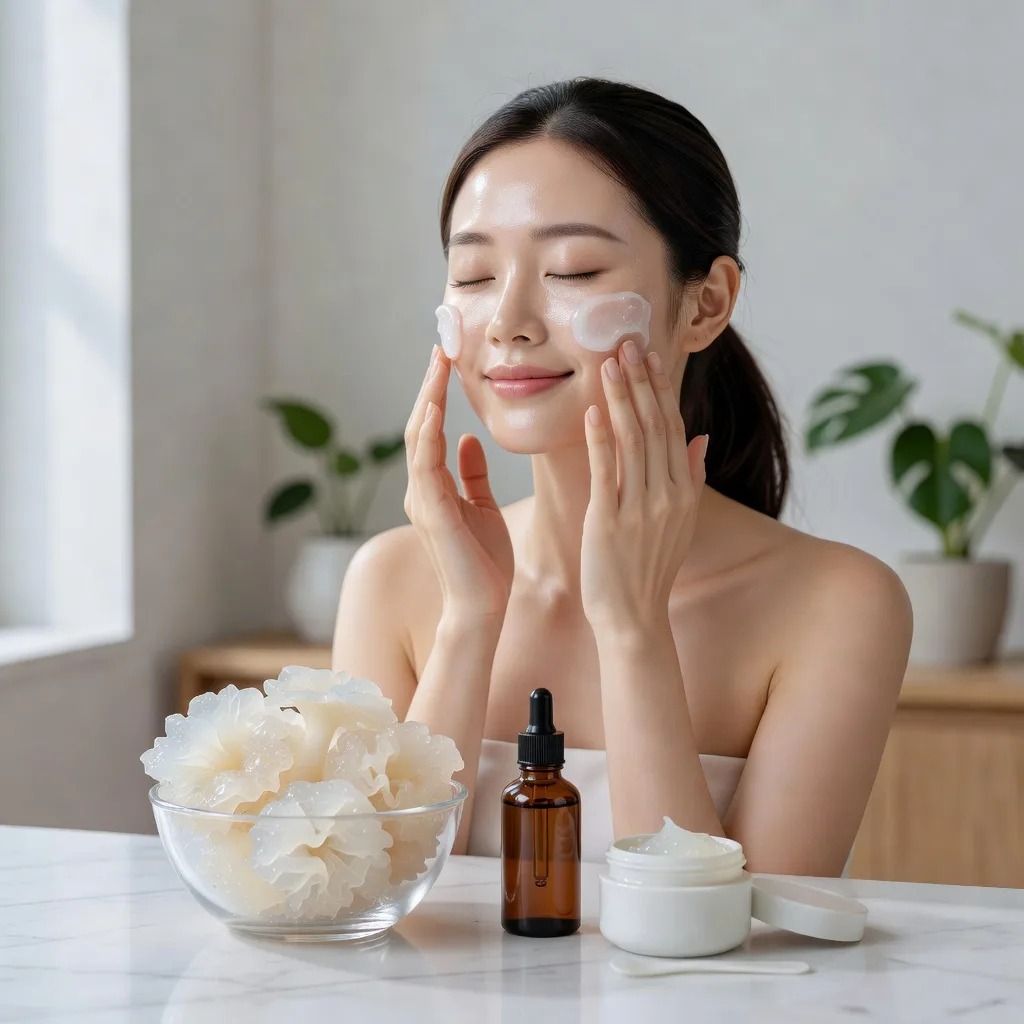
Snow mushroom, also known as tremella or silver ear mushroom, has been used in East Asian cooking and traditional practice for centuries. In skin care it has become a popular alternative to hyaluronic acid, marketed as a plant-based way to get plump, dewy, glowing skin. Some of the claims are reasonable. Others lean heavily on marketing.
Part of our guide to skincare products. Start with: 10 Best Facial Serums for Aging Skin (2026): Picks by Concern
Snow mushroom benefits for skin come mainly from tremella polysaccharides, large sugar molecules that attract and hold water. Applied to the skin, they act as a humectant and form a light, flexible film that reduces water loss, so skin looks smoother, plumper and more radiant for a while after use. Lab work suggests antioxidant and soothing effects too, but there is little independent clinical research, and no strong evidence that snow mushroom beats hyaluronic acid. The claim that it holds far more water than hyaluronic acid comes mostly from ingredient suppliers. It is a gentle, pleasant hydrator, not a miracle ingredient.
In short: snow mushroom is a good hydrating ingredient for a dewy look, but its advantages over hyaluronic acid are unproven.
The American Academy of Dermatology points out that daily sunscreen and a consistent, simple routine do more for healthy-looking skin than any single trendy ingredient, and that advice applies here too.
This guide explains what snow mushroom is, what it can realistically do, how it compares with hyaluronic acid, how to use it and where the evidence runs out.
Shopping these picks?
Amazon Prime members get fast, free shipping on eligible items, plus Prime Video, Amazon Music and member deals. New members can start with a free trial.
Start a free Prime trialAged 18 to 24? Prime for Young Adults comes with a longer free trial and a lower price after it.
Affiliate link: we may earn a commission at no extra cost to you.
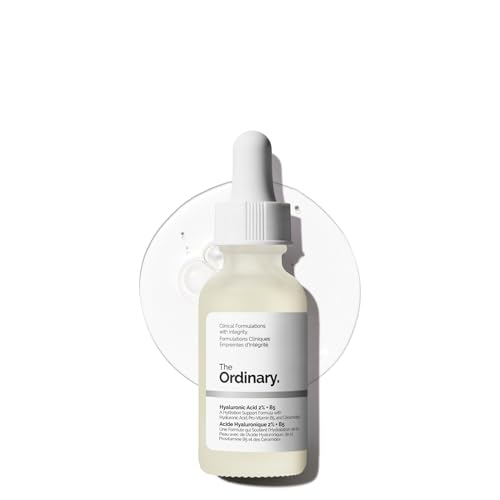
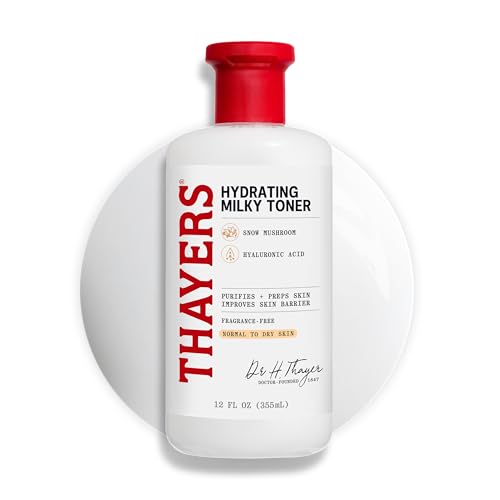
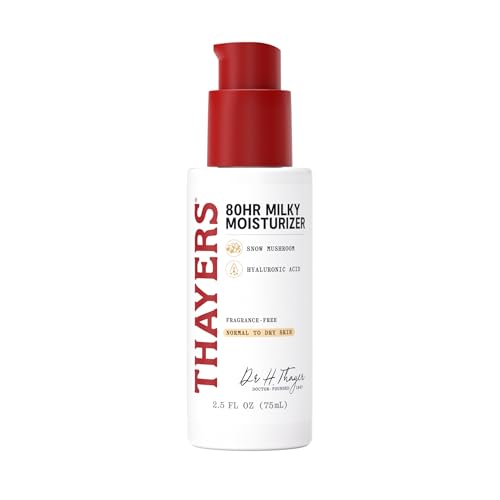
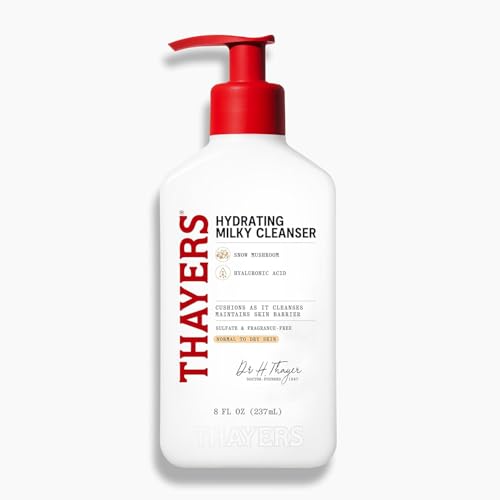
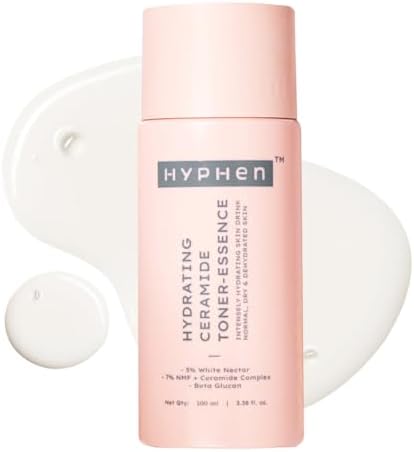
Recommended Snow Mushroom Serums, Toners and Creams

Contents
- What Is Snow Mushroom?
- Snow Mushroom Benefits for Skin
- Snow Mushroom vs Hyaluronic Acid
- Who Snow Mushroom Suits Best
- How to Use Snow Mushroom in Your Routine
- What to Pair It With
- Side Effects and Safety
- Serum, Toner or Cream: Which Format Is Best?
- How to Choose a Good Snow Mushroom Product
- Snow Mushroom Dos and Don’ts
- Honest Limits of the Evidence
- When to See a Dermatologist
- Your Questions, Answered
- The Bottom Line
Quick Answer
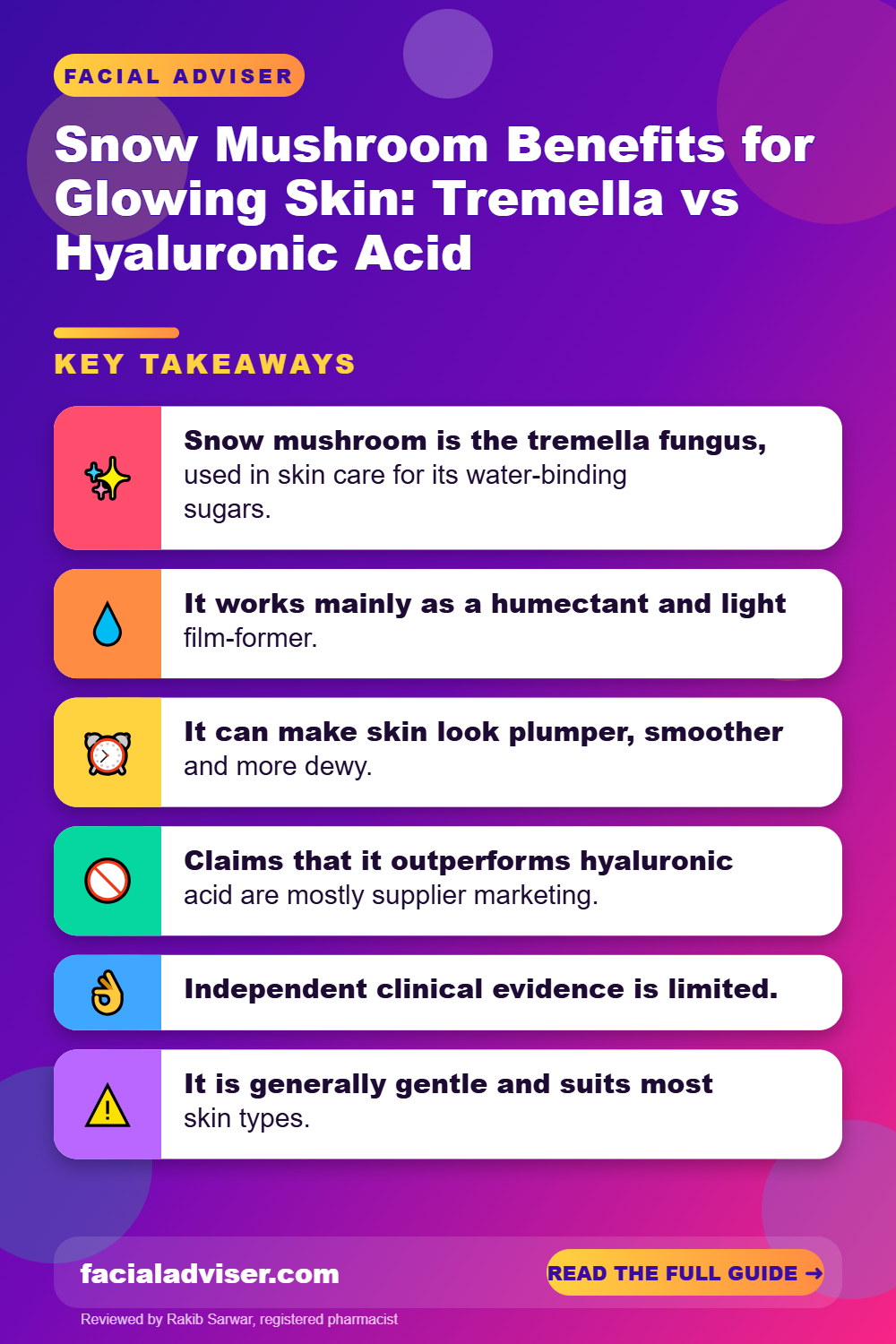
- Snow mushroom is the tremella fungus, used in skin care for its water-binding sugars.
- It works mainly as a humectant and light film-former.
- It can make skin look plumper, smoother and more dewy.
- Claims that it outperforms hyaluronic acid are mostly supplier marketing.
- Independent clinical evidence is limited.
- It is generally gentle and suits most skin types.
- Hydration effects are temporary and need a moisturiser and sunscreen alongside.
What Is Snow Mushroom?
Snow mushroom is the fruiting body of Tremella fuciformis, a jelly-like fungus that grows on dead branches. It looks like a pale, frilly sponge and softens into a gel when soaked in water. That gel-forming nature is exactly what makes it interesting for skin care.
Cosmetic companies extract the polysaccharides, which are long chains of sugar molecules, and add them to serums, toners, essences and creams. On an ingredient list you may see it as tremella fuciformis extract, tremella fuciformis polysaccharide or tremella fuciformis sporocarp extract. Our guide on how to read a cosmetic ingredient list explains how to tell whether it is a main ingredient or a small addition.
| Question | Short answer |
|---|---|
| Other names | Tremella, silver ear, white jelly mushroom |
| Key compound | Tremella polysaccharides |
| Main role | Humectant and film-former |
| Product types | Serums, toners, essences, creams, masks |
| Skin types | Most, including sensitive and oily |
Snow Mushroom Benefits for Skin
Most of snow mushroom’s benefits come back to one thing: it helps skin hold water at the surface. Well-hydrated skin reflects light more evenly, which is what people usually mean by a glow.
- Hydration: polysaccharides draw water into the outer layer of skin.
- Reduced water loss: a thin, flexible film slows evaporation.
- Smoother texture: fine dehydration lines look softer while the skin is plumped.
- Dewy finish: more even light reflection gives a fresh, radiant look.
- Comfort: it tends to feel soothing and non-sticky.
- Possible antioxidant activity: lab studies suggest it may help neutralise free radicals, though this is less proven on real skin.
These effects are cosmetic and temporary. They last while the product is on your skin and fade over the day, which is why snow mushroom works best as one layer in a routine rather than a standalone treatment.
It also helps to separate hydration from moisture. Hydration means water in the skin, which humectants such as snow mushroom provide. Moisture in the wider sense also includes oils and lipids that keep that water from escaping. Skin that looks dull because it is dehydrated often responds quickly to a humectant, while skin that is dry because it lacks oil needs richer ingredients as well.
Snow Mushroom vs Hyaluronic Acid
Snow mushroom is most often compared with hyaluronic acid because both are humectants that bind water. They work in similar ways, but there are some practical differences.
| Feature | Snow mushroom | Hyaluronic acid |
|---|---|---|
| Source | Fungus extract | Made by the body; produced by fermentation for cosmetics |
| Main action | Humectant and film-former | Humectant |
| Research base | Mostly lab and supplier studies | Much larger, longer track record |
| Feel | Silky, slightly gel-like | Light, can feel tacky in some formulas |
| Molecule size | Large, stays on surface | Available in several sizes |
| Dry climates | Film may help reduce water loss | Needs a moisturiser on top to avoid drying |
| Sensitive skin | Usually well tolerated | Usually well tolerated |
The popular claim that snow mushroom holds much more water than hyaluronic acid, or that its particles are smaller, mainly comes from suppliers’ own tests. No strong independent trials compare the two on real skin. For most people the difference will come down to texture, how the product layers and price rather than results. Our guide on collagen vs hyaluronic acid explains how humectants fit into a wider routine.
Who Snow Mushroom Suits Best
Snow mushroom is a mild ingredient, so it suits a wide range of people. It can be a particularly good fit in some situations.
- Dehydrated skin that feels tight but gets oily later in the day.
- People who find some hyaluronic acid serums sticky.
- Sensitive skin that dislikes stronger actives.
- Anyone who wants a lightweight, dewy layer under makeup.
- Routines that already include retinol or acids and need a gentle hydrating step.
It is less useful on its own for very dry skin, which needs richer oils and barrier lipids rather than only water-binding ingredients. It will also do little for acne, dark spots or firmness, which call for different actives.
Climate matters too. In humid weather, humectants can draw water from the air and feel especially comfortable. In very dry indoor heating or cold wind, they are more likely to need a richer cream on top, otherwise skin can feel tight again within a few hours.
How to Use Snow Mushroom in Your Routine
Snow mushroom is easy to fit in because it is gentle and pairs with almost everything. The key is to use it on damp skin and seal it in.
Cleanse gently
Wash with a mild cleanser and pat skin lightly, leaving it slightly damp.
Apply the toner or essence
If your snow mushroom product is watery, press it into the skin with your palms.
Add the serum
Use two or three drops of a thicker serum, or skip if your toner already contains it.
Layer any actives
Apply vitamin C in the morning or retinol at night as usual.
Seal with moisturiser
Use a moisturiser to lock in water, especially in dry or cold weather.
Finish with sunscreen
In the morning, apply broad-spectrum SPF 30 or higher.
Humectants work best when there is water to hold. Apply snow mushroom on damp skin or after a hydrating mist, and always follow with a moisturiser so the water does not simply evaporate.
The AAD’s guidance on how to apply sunscreen is worth following whatever your serum, since sun damage undoes any glow quickly.
What to Pair It With
Snow mushroom works well alongside most common ingredients, and you do not need special rules or gaps between steps.
- Hyaluronic acid and glycerin for layered hydration.
- Ceramides and squalane to reduce water loss further.
- Niacinamide for oil, redness and tone.
- Vitamin C in the morning for antioxidant support.
- Retinol at night, where a hydrating layer can reduce dryness.
Layering many water-based serums can sometimes pill, particularly under silicone-rich sunscreen or makeup. If that happens, use fewer layers and let each one absorb. Our guide on how to avoid pilling when layering covers the details.
Side Effects and Safety
Snow mushroom is considered low risk for irritation, and reactions are uncommon. As with any extract, though, the rest of the formula matters. Fragrance, essential oils and alcohol in a snow mushroom product are more likely to irritate than the tremella itself.
- Patch test any new product on the jawline for two or three days.
- Choose fragrance-free formulas if you have sensitive skin.
- Check labels for other active ingredients you may already be using.
- If you have a known allergy to fungi or mushrooms, speak to a doctor first.
Stop using the product and seek advice if you notice swelling, hives, intense itching or a spreading rash. These can be signs of an allergic reaction to any ingredient in the formula.
Serum, Toner or Cream: Which Format Is Best?
Snow mushroom appears in many product types, and the format changes how much you get and how it feels. None is clearly better; the right choice depends on your skin type and how many steps you want.
| Format | Best for | Things to know |
|---|---|---|
| Toner or essence | Oily and combination skin, quick routines | Light and watery; often a lower concentration |
| Serum | Targeted hydration under moisturiser | Usually the most concentrated option |
| Gel-cream | Oily skin that wants one hydrating step | Hydrates and seals in one layer |
| Rich cream | Normal to dry skin | Combines snow mushroom with oils and lipids |
| Sheet mask | Occasional boost before events | Effect is short-lived |
If you already use a hyaluronic acid serum you like, adding a snow mushroom toner or cream is usually more useful than stacking two similar serums.
How to Choose a Good Snow Mushroom Product
Because snow mushroom is a trend ingredient, some products use it more for the label than for the formula. A few checks help you pick one that is worth using.
- Look for tremella fuciformis near the top of the ingredient list if it is the main selling point.
- Check for supporting ingredients such as glycerin, ceramides, panthenol or squalane.
- Avoid heavy fragrance, essential oils and high amounts of drying alcohol if your skin is sensitive.
- Be wary of claims such as holds hundreds of times its weight in water, which are rarely independently tested.
- Choose non-comedogenic formulas if you are prone to breakouts.
For acne-prone skin, the AAD’s acne skin care tips recommend oil-free, non-comedogenic products and gentle handling, which applies to hydrating serums too. A simple, well-formulated product will usually do more than one with a long list of trendy extracts at tiny amounts.
Snow Mushroom Dos and Don’ts
Helps
- Apply on damp skin
- Seal it in with moisturiser
- Use sunscreen every morning
- Patch test new products
- Choose fragrance-free if sensitive
Backfires
- Expect it to lift or firm skin
- Believe it is proven better than hyaluronic acid
- Rely on it to treat acne or dark spots
- Layer too many watery serums
- Use it instead of a moisturiser on very dry skin
Honest Limits of the Evidence
Most research on tremella polysaccharides comes from laboratory work, animal studies and small tests funded or run by ingredient suppliers. These studies suggest hydrating, film-forming and antioxidant properties, but they are not the same as large, independent trials on people using finished products. There is no good evidence that snow mushroom reduces wrinkles, builds collagen or changes skin long term.
Words such as glowing, glass skin and plumping describe how skin looks when well hydrated. That look is real, but it is temporary and can be achieved with many humectants, including hyaluronic acid and glycerin.
If you enjoy the texture and your skin feels comfortable, snow mushroom is a perfectly good choice. Just do not expect it to outperform simpler, well-studied ingredients, and do not pay extra for claims that are not backed by independent research.
When to See a Dermatologist
- Your skin stays dry, tight or flaky despite a good moisturiser.
- You have redness, stinging or a rash after using a new product.
- You are trying to treat acne, melasma or rosacea.
- You notice changes in a mole or spot.
This article is for general information and does not replace professional medical advice. See a board-certified dermatologist for skin conditions or reactions to cosmetic products.
Your Questions, Answered
What is snow mushroom in skin care?
An extract of the tremella fungus used for hydration.
Is snow mushroom better than hyaluronic acid?
There is no strong evidence that it is; both are humectants.
Does snow mushroom make skin glow?
It can give a temporary dewy look by hydrating the surface.
Is snow mushroom good for oily skin?
Yes, it is lightweight and usually non-greasy.
Is snow mushroom good for sensitive skin?
Usually, if the formula is fragrance-free.
Can I use snow mushroom with retinol?
Yes, it can help offset retinol dryness.
Can I use snow mushroom with vitamin C?
Yes, they can be layered together.
Does snow mushroom reduce wrinkles?
It can soften dehydration lines temporarily, not deep wrinkles.
Can I use snow mushroom every day?
Yes, morning and night if you like.
Does eating snow mushroom help skin?
There is no good evidence that eating it improves skin.
The Bottom Line
Snow mushroom is a gentle, hydrating ingredient that can help skin look plumper and more radiant, but its advantages over hyaluronic acid rest on limited, mostly supplier-led research.
Use it on damp skin, seal it with moisturiser, protect with daily sunscreen and choose it for the feel you like rather than for promises it cannot prove.

Written by
Registered pharmacist and founder of Facial Adviser. Rakib's pharmacy training covers how skincare actives work and interact; a later course in cosmetology turned that into a focus on facial treatments and skincare products. He plans, researches and edits every guide on the site and checks health claims against sources such as the American Academy of Dermatology, the FDA and the NIH. He is not a dermatologist; see the Editorial Policy and Medical Disclaimer.
About · Editorial policy · How we choose products · Medical disclaimer · Contact
Keep reading: Serums and actives
- 10 Best Facial Serums for Aging Skin (2026): Picks by Concern
- Skin Barrier Repair: Signs of Damage, Ceramides and a Simple Routine
- Niacinamide Skin Benefits: Oil, Pores, Redness, Barrier and Dark Spots
- How Hormonal Changes Affect Collagen and What You Can Do
- How to Stimulate Collagen Naturally: What Works and What Does Not
- Sensitive Skin Barrier Damage Signs: Causes, Repair Routine and Timeline
- 10 Best Face Masks for Every Skin Type (2026): Clay, Gel and Sheet
- What Does a Facial Toner Do? The Real Answer