How to Stop Skincare Pilling When Layering Products
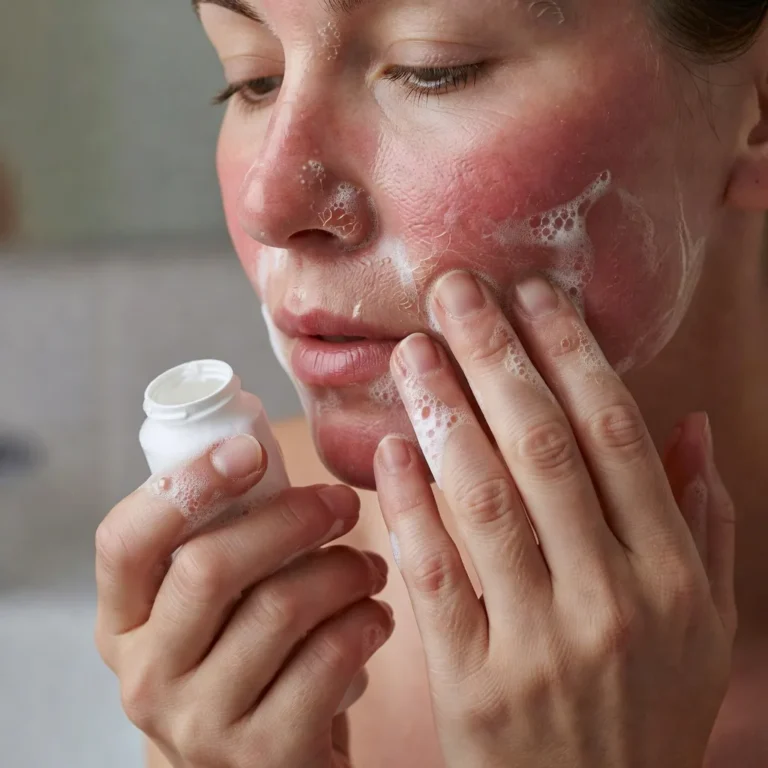
You apply serum, moisturiser and sunscreen, and as you smooth the last layer in, little grey or white rolls appear on your cheeks. Foundation then catches on them and looks patchy. This is pilling, and it is one of the most annoying and common problems with layered skincare routines.
Part of our guide to makeup how-to. Start with: What Can You Use to Make Your Makeup Stay On All Day? 9 Products and Tricks
Skincare pills when products do not absorb or set before the next layer goes on, so the film on your skin rolls up under friction. The main causes are using too much product, layering too many steps, not waiting between layers, rubbing instead of pressing, and combining formulas that do not sit well together, often silicone-heavy and film-forming products. Using less, waiting about a minute between steps, pressing products in and simplifying your routine usually solves it.
Pilling is not a sign that a product is bad or that your skin is reacting. It is mostly a mechanical problem: layers of film-forming ingredients, silicones and thickeners that have not settled get rubbed and gather into small balls, taking some of the product with them.
That matters most with sunscreen. The American Academy of Dermatology recommends applying at least a teaspoon of sunscreen to the face, and pilling can leave patchy coverage. Getting your layering right helps your sunscreen protect as it should.
This guide explains why pilling happens, which ingredients and habits make it worse, and a simple way to layer products so they stay smooth.
Shopping these picks?
Amazon Prime members get fast, free shipping on eligible items, plus Prime Video, Amazon Music and member deals. New members can start with a free trial.
Start a free Prime trialAged 18 to 24? Prime for Young Adults comes with a longer free trial and a lower price after it.
Affiliate link: we may earn a commission at no extra cost to you.
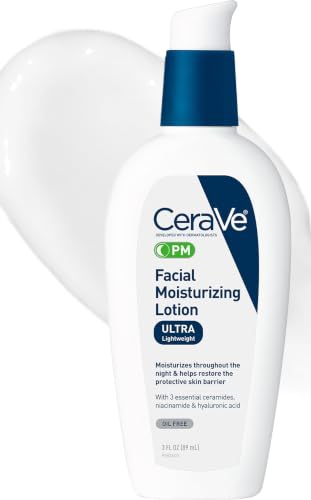
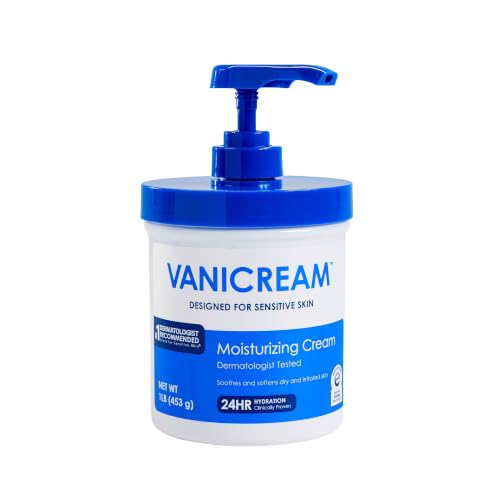
Recommended Easy-Layering Skincare
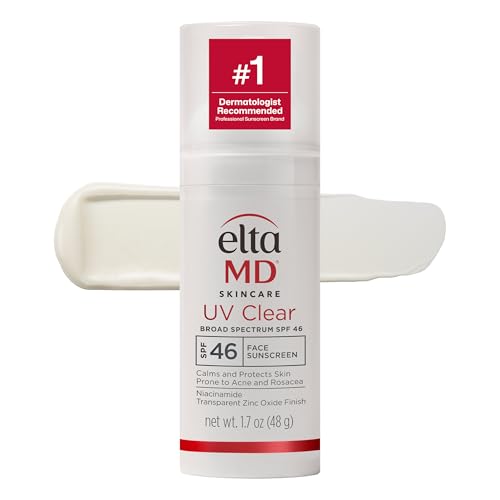
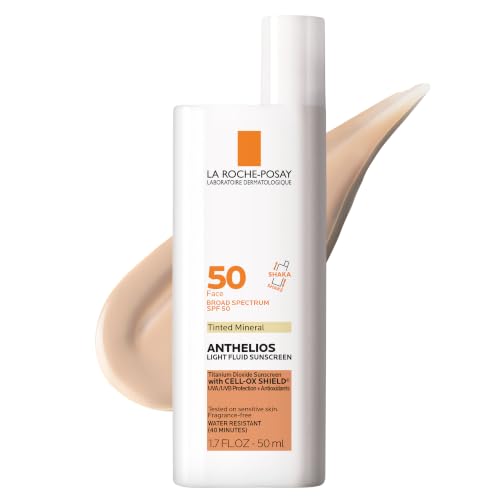

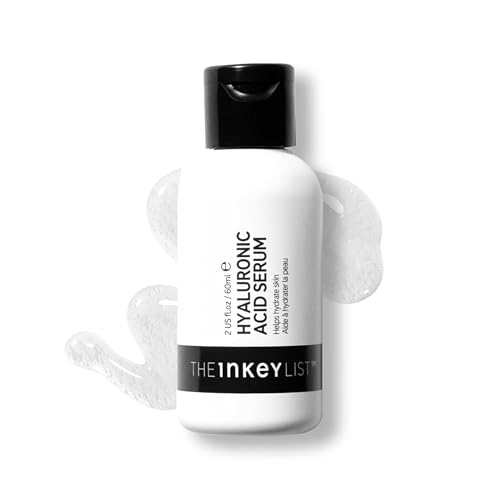

Quick Answer
- Pilling happens when layers are rubbed before they have settled.
- Too much product and too many layers are the most common causes.
- Waiting about a minute between steps reduces pilling.
- Pressing products in works better than rubbing.
- Some silicone-heavy and film-forming formulas do not layer well together.
- Apply thinnest to thickest, with sunscreen last.
- If pilling persists, swap one product rather than adding another.
In This Guide
- Why Skincare Pills
- How to Layer Skincare Without Pilling
- Ingredients That Often Pill
- The Right Order for Fewer Problems
- When Sunscreen Is the Problem
- Using Too Much Product
- Dos and Don’ts
- When It Is Really Dry Skin
- Pilling Under Makeup
- Troubleshooting Pilling Step by Step
- Honest Limits
- When to See a Dermatologist
- Frequently Asked Questions
- The Bottom Line
Why Skincare Pills
Many skincare products contain film-forming ingredients. Silicones such as dimethicone, polymers that thicken gels, and some sunscreen bases all create a thin layer on the skin. When a new product goes on top before that layer has settled, rubbing can lift the combined film and roll it into tiny balls.
| Cause | What happens | Fix |
|---|---|---|
| Too much product | Excess cannot absorb or settle | Use a pea to almond-sized amount |
| Too many layers | Films build up on the surface | Cut steps you do not need |
| No waiting time | Next layer disturbs the one below | Wait about a minute between steps |
| Rubbing | Friction rolls the film into balls | Press and pat instead |
| Incompatible formulas | Water-based and silicone-heavy layers clash | Swap one product |
| Dry, flaky skin | Flakes mix with product | Gentle exfoliation and moisture |
Often it is not one product but the combination. A serum that behaves perfectly on its own can pill as soon as a particular sunscreen goes on top.
Texture clues help too. Products that feel slippery and silky, often a sign of silicone, can pill when layered over sticky, humectant-rich serums. Very thick creams can pill when a watery product goes on top of them. Following the thin-to-thick order avoids many of these clashes.
Pilling is not the same as an allergic reaction. If products sting, burn or leave red, itchy patches, stop using them and see the dermatologist section below.
How to Layer Skincare Without Pilling
Start with a clean, dry face
Pat skin dry after cleansing so products spread evenly.
Use less of each product
A few drops of serum and a pea-sized amount of moisturiser are usually enough.
Go thinnest to thickest
Apply watery products first, then serums, then creams, then sunscreen.
Wait between layers
Give each product about a minute to settle; wait a little longer before sunscreen and makeup.
Press, do not rub
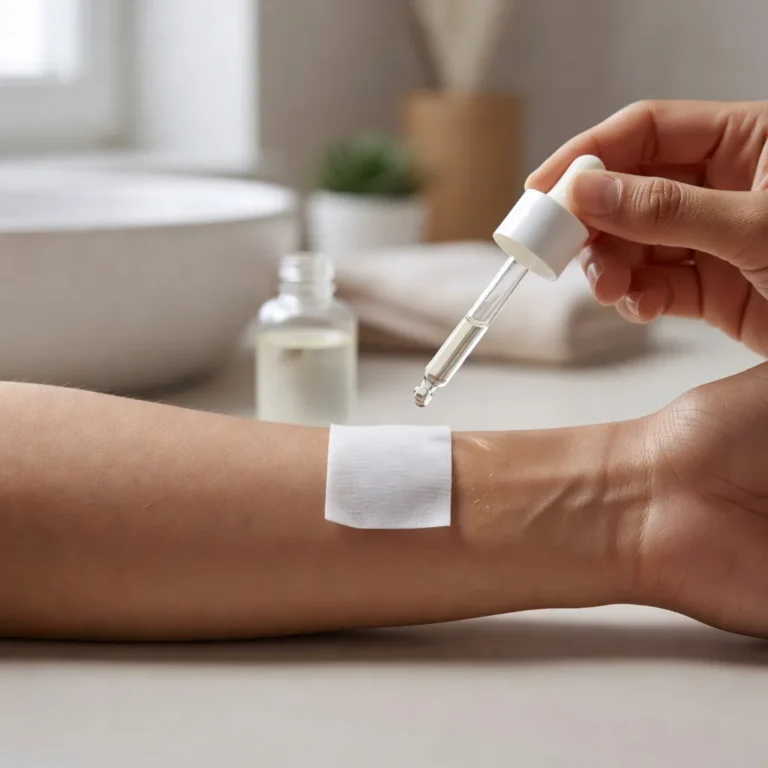
Warm the product in your palms and press it into the skin.
Finish gently
Apply sunscreen with light patting motions and avoid going back over areas repeatedly.
Do your morning routine in stages: apply serum and moisturiser, brush your teeth or make coffee, then come back for sunscreen. The short break is often enough to stop pilling.
Ingredients That Often Pill
- Silicones: dimethicone, cyclopentasiloxane and other silicones in primers, moisturisers and sunscreens.
- Thickening polymers: carbomer, acrylates and gums used to make gels and serums.
- Film formers: ingredients that help sunscreens and makeup stay put.
- Mineral sunscreen particles: zinc oxide and titanium dioxide can pill on top of rich layers.
- High levels of humectants: sticky layers can grab the next product.
None of these ingredients is bad. They simply need time to settle, and some combinations are more prone to pilling than others.
Checking the first few ingredients of each product in your routine can reveal a pattern. If three products in a row list dimethicone or a similar silicone near the top, removing or replacing one of them is often enough to stop the problem.
The Right Order for Fewer Problems
| Step | Morning | Night |
|---|---|---|
| 1 | Cleanser | Makeup removal, then cleanser |
| 2 | Hydrating toner (optional) | Hydrating toner (optional) |
| 3 | Serum, such as vitamin C | Treatment, such as a retinoid |
| 4 | Moisturiser | Moisturiser |
| 5 | Sunscreen | Occlusive on dry spots (optional) |
| 6 | Makeup, after a few minutes | None |
Our guide to morning versus night routine order explains why sunscreen always goes last in the morning.
Fewer steps usually means less pilling. Many people find that a cleanser, one serum, a moisturiser and a sunscreen are all they need in the morning. If your routine has grown to six or seven layers, look at which steps overlap. Hydrating toners, essences and serums often contain very similar ingredients, and removing one of them rarely makes a noticeable difference to your skin, but it can make a big difference to how smoothly your products sit.
When Sunscreen Is the Problem
Sunscreen is the step most likely to pill because it is often the thickest layer and is applied on top of everything else. Rather than using less sunscreen, which reduces protection, try adjusting what goes underneath.
The AAD recommends at least a teaspoon of sunscreen for the face and neck, applied about 15 minutes before going outside (AAD). Applying it in two thinner layers, pressing each one in, can help it sit smoothly.
If a particular sunscreen pills over almost anything, try a different texture. Fluid and gel sunscreens are generally easier to layer than thick creams, and some people find chemical sunscreens pill less than mineral ones over their skincare, while others find the opposite. It can take a little trial and error to find a sunscreen that works with your routine.
Do not mix sunscreen with moisturiser or foundation to stop pilling. Diluting sunscreen can reduce the protection you get.
Using Too Much Product
Using more product feels generous, but it is one of the main reasons for pilling. Skin can only absorb so much, and the excess sits on the surface ready to roll up under the next layer.
If your face still feels slick a few minutes after moisturiser, you have probably used too much. Our guides on why moisturiser feels sticky and why skincare feels greasy explain how much to use for different skin types.
A useful rule of thumb is a few drops of serum, a pea to almond-sized amount of moisturiser and about a teaspoon of sunscreen for the face and neck. The one step where you should not cut back is sunscreen, because using too little reduces protection. If something has to give, reduce the layers underneath it instead.
Dos and Don’ts
Try This
- Use small amounts of each product
- Wait between layers
- Press products in
- Keep your routine short
- Test new combinations on a small area first
Avoid This
- Pile on product
- Rush from one step to the next
- Rub back and forth
- Layer several silicone-heavy products
- Keep adding products to fix pilling
When It Is Really Dry Skin
Sometimes what looks like pilling is actually dead, dry skin rolling off with the product. This is more likely if you have flaky patches, have recently started a retinoid, or have been over-exfoliating.
Improving hydration and supporting the barrier usually helps more than changing products. A gentle exfoliant once or twice a week can help remove built-up flakes, as long as it does not add more irritation. Our guide on peeling after new products explains how to tell the difference and calm flaking skin.
Pilling Under Makeup
Makeup applied over skincare that has not settled is prone to pilling and patchiness. Waiting several minutes after sunscreen, using a thin layer of primer only if you need one, and pressing foundation on with a damp sponge all help.
If your primer pills, try skipping it. Many modern sunscreens act as a smooth base on their own, and one fewer layer means less chance of pilling.
Setting spray and powder are best added at the very end and used lightly. Heavy powder over a layer that has not settled can also cause patchiness that looks similar to pilling.
Troubleshooting Pilling Step by Step
If you are not sure which product is causing the problem, a simple elimination approach finds it quickly.
| Test | How to do it | What it tells you |
|---|---|---|
| Remove one layer | Skip your serum for a few days, keep everything else | If pilling stops, the serum and moisturiser may clash |
| Change the order | Apply the thicker product later | Some products pill when used under a richer layer |
| Halve the amounts | Use half of each product for a week | Too much product was the cause |
| Extend the wait | Wait three to five minutes before sunscreen | The layers needed more time to settle |
| Swap the sunscreen | Try a fluid or gel sunscreen | The sunscreen base clashes with your skincare |
Change only one thing at a time and give it a few days. Changing several products at once makes it impossible to know which one was responsible.
Keep in mind that the product that visibly pills is not always the culprit. Often the layer underneath has not settled, and the product on top simply drags it into little rolls. Looking at which step you are applying when the pilling starts is the most useful clue.
Honest Limits
Some products simply do not work together, however carefully you apply them. If you have tried less product, more waiting time and gentler application and pilling continues, the quickest fix is to swap one product in the sequence, usually the serum or moisturiser under your sunscreen.
Pilling is a cosmetic nuisance rather than a health issue, but it can mean uneven sunscreen coverage, so it is worth sorting out.
Climate plays a part too. In hot, humid weather, products stay tacky for longer and pilling becomes more common, while in dry, cool conditions they set faster. Adjusting textures with the seasons, lighter in summer and richer in winter, can reduce pilling without changing your whole routine.
When to See a Dermatologist
- You have persistent flaking or peeling that does not improve with moisturiser.
- Products sting or burn as well as pilling.
- You are unsure how to layer prescription treatments.
- You have ongoing dryness, redness or irritation.
This article is for general information and does not replace professional medical advice. See a dermatologist for persistent skin concerns.
Frequently Asked Questions
Why does my skincare pill?
Usually because too much product is applied, layers are rushed, or formulas do not sit well together.
How long should I wait between skincare layers?
About a minute is usually enough; wait a few minutes before sunscreen and makeup.
Why does my sunscreen pill?
It is often applied on top of layers that have not settled or that clash with its formula.
Do silicones cause pilling?
Silicone-heavy products can pill, especially when several are layered together.
Is pilling bad for my skin?
No, but it can leave uneven coverage, especially with sunscreen.
Should I rub or pat in skincare?
Pressing or patting is less likely to cause pilling than rubbing.
Can dry skin look like pilling?
Yes. Flaky skin can roll off with product and look like pilling.
Can I mix sunscreen with moisturiser to stop pilling?
No. Diluting sunscreen can reduce its protection.
What order should I apply skincare in?
Thinnest to thickest, with sunscreen last in the morning.
What if nothing stops the pilling?
Swap one product in the sequence, usually the one directly under the pilling layer.
The Bottom Line
Skincare pills when layers are rubbed before they have settled, often because of too much product, too many steps or formulas that do not work together. It is a mechanical problem rather than a sign that your skin is reacting.
Use less of each product, apply thinnest to thickest, wait a minute between steps and press rather than rub. If pilling continues, simplify your routine or swap the product that sits directly under the layer that pills.

Written by
Registered pharmacist and founder of Facial Adviser. Rakib's pharmacy training covers how skincare actives work and interact; a later course in cosmetology turned that into a focus on facial treatments and skincare products. He plans, researches and edits every guide on the site and checks health claims against sources such as the American Academy of Dermatology, the FDA and the NIH. He is not a dermatologist; see the Editorial Policy and Medical Disclaimer.
About · Editorial policy · How we choose products · Medical disclaimer · Contact
Keep reading: Making makeup last
- What Can You Use to Make Your Makeup Stay On All Day? 9 Products and Tricks
- Which Humectants Work Best in Humid Weather?
- Skincare for Humid Climates: A Practical Routine
- How to Make Setting Spray at Home: 3 Simple Recipes and Safety Tips
- Why Emulsions Separate Over Time: What It Means for Your Skincare and Makeup
- How to Keep Makeup From Melting and Bleeding in the Heat
- How to Choose the Right Eye Makeup Color for Your Eyes and Skin
- How to Get Started as a Freelance Makeup Artist: Training, Kit and Clients