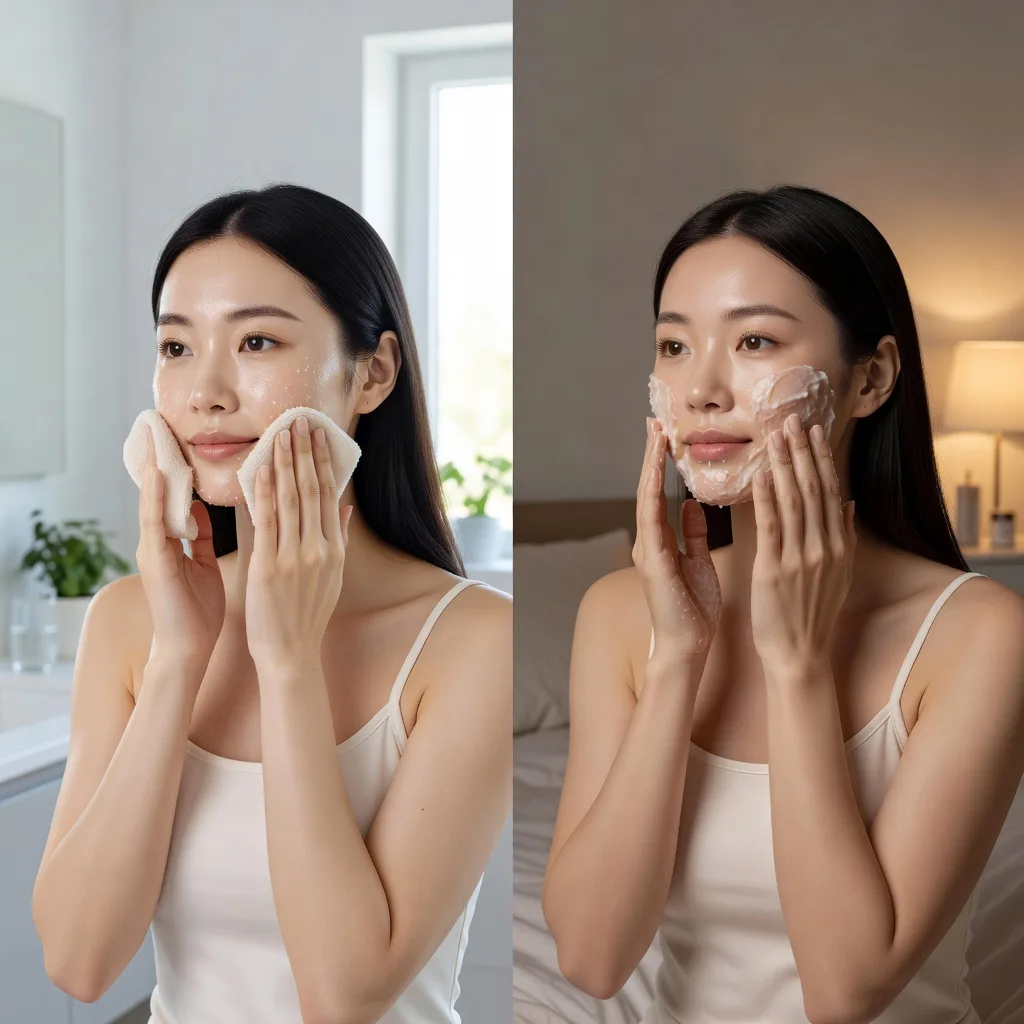
Best Time to Exfoliate: Morning or Night? What Works for Each Method
Exfoliating clears away dead surface cells so skin looks smoother and brighter, and it helps other products spread more evenly. But when you exfoliate matters almost as much as how, because some exfoliants make skin more sensitive to sunlight and others can clash with the rest of your routine.
Part of our guide to skincare products. Start with: 10 Best Face Masks for Every Skin Type (2026): Clay, Gel and Sheet
For most people, night is the best time to exfoliate with chemical exfoliants such as AHAs (glycolic, lactic, mandelic acid), BHA (salicylic acid) and PHAs, because acids can make skin more sensitive to the sun and your skin has the whole night to settle before facing daylight. Gentle physical exfoliation, such as a fine scrub or a soft cloth, can suit the morning for oily skin or before makeup, as long as you follow with moisturiser and sunscreen. Whichever time you choose, exfoliate only one to three times a week to start, and do not exfoliate on the same night you apply a retinoid.
In short: acids at night, gentle scrubs in the morning if you like, and never too often.
The US Food and Drug Administration warns that alpha hydroxy acids may increase the skin’s sensitivity to the sun, and advises using sunscreen, wearing protective clothing and limiting sun exposure while using them and for a week afterwards.
This guide explains why timing matters, which method suits morning or night, how often to exfoliate and how to fit it around retinoids, vitamin C and makeup.
Shopping these picks?
Amazon Prime members get fast, free shipping on eligible items, plus Prime Video, Amazon Music and member deals. New members can start with a free trial.
Start a free Prime trialAged 18 to 24? Prime for Young Adults comes with a longer free trial and a lower price after it.
Affiliate link: we may earn a commission at no extra cost to you.
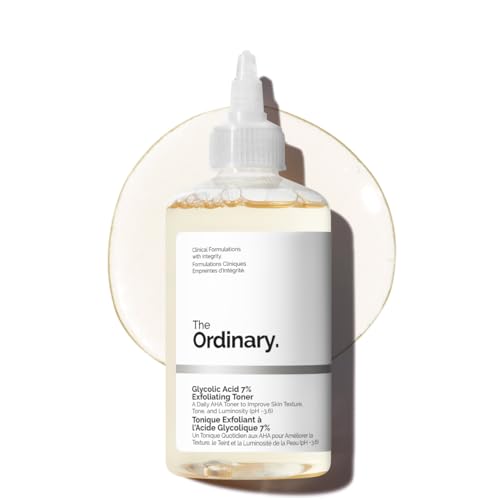
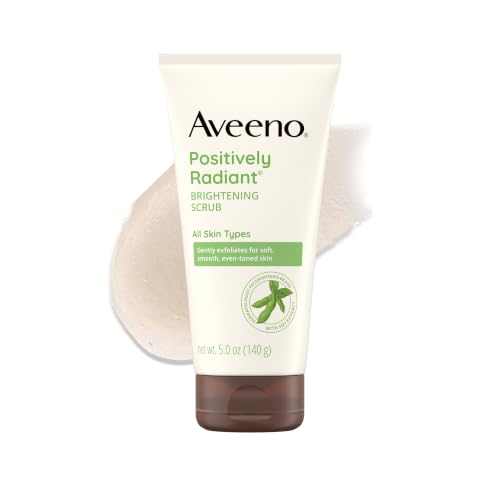
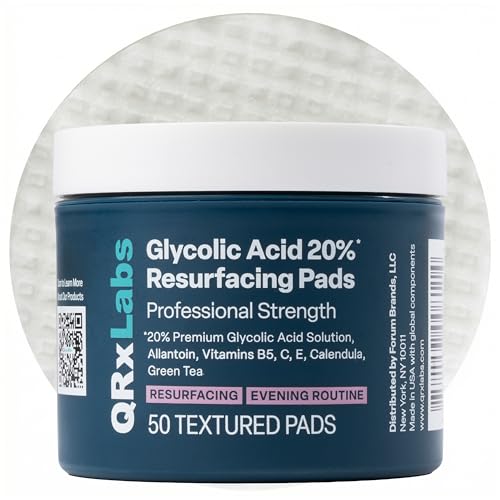
Recommended Face Exfoliants on Amazon



Jump to a Section
- Why Timing Matters When You Exfoliate
- Morning vs Night Exfoliation at a Glance
- Why Acids Usually Belong at Night
- When Morning Exfoliation Can Make Sense
- How Often Should You Exfoliate?
- Exfoliating With Retinoids, Vitamin C and Other Actives
- How to Build an Exfoliation Schedule That Suits You
- Signs You Are Exfoliating Too Much or at the Wrong Time
- Adjusting Exfoliation Timing for Seasons and Lifestyle
- Dos and Don’ts
- Honest Limits
- When to See a Dermatologist
- Frequently Asked Questions
- Final Word
Quick Answer
- Chemical exfoliants (AHA, BHA, PHA) are usually best used at night.
- Gentle physical exfoliation can work in the morning for some skin types.
- AHAs increase sun sensitivity, so daily sunscreen is essential.
- Start with one to three times a week, not daily.
- Do not use an acid and a retinoid on the same night.
- Always follow exfoliation with moisturiser.
- Redness, stinging or peeling means you are overdoing it.
Why Timing Matters When You Exfoliate
Exfoliation removes the outermost layer of dead cells. That is what gives the smooth, bright result, but it also leaves the surface a little more exposed for a while. Timing is about giving that fresh skin the best conditions to recover.
At night, skin is not facing ultraviolet light, wind, pollution or makeup, and you can follow with a richer moisturiser. In the morning, freshly exfoliated skin goes straight out into daylight, which is fine for mild methods but less ideal for acids that raise sun sensitivity. The FDA page on alpha hydroxy acids explains this sun sensitivity and recommends sun protection during use and for a week afterwards.
There is no single perfect time for everyone. The right answer depends on the type of exfoliant, the strength of the formula, your skin type and what else you use in your routine.
Morning vs Night Exfoliation at a Glance
This table summarises the most common exfoliant types and when they usually fit best. Strength and formula still matter, so read each product’s directions.
| Exfoliant type | Examples | Usual best time | Why |
|---|---|---|---|
| AHA | Glycolic, lactic, mandelic acid | Night | Raises sun sensitivity; needs time to settle |
| BHA | Salicylic acid | Night (low-strength leave-on can suit morning) | Can be drying; pairs well with night moisturiser |
| PHA | Gluconolactone, lactobionic acid | Night or morning | Gentler, larger molecules, less stinging |
| Enzyme | Papain, bromelain | Either | Mild; good for sensitive skin |
| Fine scrub | Jojoba beads, fine powders | Morning or night | Instant smoothness, no lasting sun sensitivity |
| Soft cloth or sponge | Muslin cloth, konjac sponge | Morning | Very gentle, good before makeup |
| Acid peel mask | Higher-strength AHA or BHA masks | Night only | Stronger; skin needs recovery time |
If a product includes an acid, default to night unless the label clearly directs daytime use and you are wearing sunscreen every morning.
Why Acids Usually Belong at Night
Chemical exfoliants dissolve the bonds between dead skin cells rather than scrubbing them away. They keep working for a while after you apply them, and AHAs in particular can leave skin more prone to sunburn.
- Night use keeps freshly exfoliated skin away from immediate sun exposure.
- You can follow with a richer, soothing moisturiser that helps the barrier recover.
- Any mild tingling or redness has hours to settle before the morning.
- You are less likely to layer acids under makeup, which can sting.
- Acids often pill or feel tacky under sunscreen and foundation.
Night use does not remove the need for sunscreen. The increased sun sensitivity from AHAs can last for days, so a broad-spectrum sunscreen every morning is part of using acids safely, not an optional extra.
BHA (salicylic acid) is oil-soluble and works inside pores, so it is popular for oily and acne-prone skin. Low-strength leave-on BHA products are sometimes used in the morning, but many people still find them easier to tolerate at night.
When Morning Exfoliation Can Make Sense
Morning exfoliation is not wrong. It simply suits gentler methods and particular situations better than strong acids.
- Oily skin that wakes up shiny or congested and feels fresher after a light polish.
- Flaky patches that make foundation or sunscreen look patchy.
- A special event where you want a smooth base for makeup.
- People who use a retinoid every night and need a separate slot for gentle exfoliation.
- Those who shave, since a soft scrub before shaving can help the razor glide.
Keep morning exfoliation mild: a fine scrub, a soft cloth or a gentle PHA or enzyme product. Rinse with lukewarm water, apply moisturiser, then finish with a broad-spectrum sunscreen of SPF 30 or higher. Our guide on the morning vs night skincare routine order shows where each step belongs.
How Often Should You Exfoliate?
Timing is only half the answer. Exfoliating too often is the most common mistake, and it causes more trouble than choosing the wrong time of day.
| Skin type | Suggested starting frequency | Better options |
|---|---|---|
| Sensitive | Once a week or less | PHA, enzyme, soft cloth |
| Dry | Once or twice a week | Lactic acid, PHA |
| Normal | Two or three times a week | AHA or fine scrub |
| Oily | Two or three times a week | BHA, glycolic acid |
| Acne-prone | Two or three times a week | BHA, gentle methods only |
| Darker skin tones | Start slowly, avoid harsh methods | Mild acids, PHA, mandelic acid |
The American Academy of Dermatology’s guide to exfoliating safely at home notes that the more aggressive the exfoliation, the less often it needs to be done, and advises people with darker skin tones to avoid strong chemical or mechanical exfoliation. If your skin reacts easily, our guide on how often to exfoliate sensitive skin goes into more detail.
Exfoliating With Retinoids, Vitamin C and Other Actives
The biggest timing question is not morning versus night but what else is on your skin that day. Retinoids and benzoyl peroxide already increase sensitivity, and the AAD warns that combining them with exfoliation can worsen dryness or trigger breakouts.
- Retinoid: use it on different nights from your acid, for example acid on Monday and Thursday, retinoid on other nights.
- Benzoyl peroxide: avoid strong exfoliation on the same day; gentle cleansing is enough.
- Vitamin C: usually a morning serum; keep acids at night to avoid stacking low-pH products.
- Niacinamide: generally fine alongside acids, though some people prefer to separate them.
- Prescription treatments: ask your dermatologist before adding any exfoliant.
Do not exfoliate on the same night you apply a retinoid, and do not exfoliate skin that is sunburned, broken, freshly waxed or already red and stinging. Stacking actives is the fastest route to a damaged skin barrier.
If you are introducing a retinoid, pause acids for the first few weeks. Our guide on how to transition to retinol smoothly explains how to build tolerance first.
How to Build an Exfoliation Schedule That Suits You
Use these steps to choose a method, a time of day and a frequency your skin can handle over the long term.
Identify your skin type
Notice whether your skin is oily, dry, combination or easily irritated.
Choose one exfoliant
Start with a single product, such as a gentle AHA, BHA or PHA, rather than several.
Pick the time of day
Use acids at night; save gentle scrubs or cloths for the morning if you prefer.
Test a small area first
Apply to a small patch along the jawline for a few days before using it all over.
Start once or twice a week
Use it on nights when you are not using a retinoid.
Moisturise straight after
Apply a fragrance-free moisturiser to help the barrier recover.
Wear sunscreen every morning
Use broad-spectrum SPF 30 or higher, especially while using AHAs.
Adjust slowly
Add one extra session a week only if your skin stays calm for two weeks.
Write your exfoliation nights on a simple weekly plan. It stops you from accidentally using an acid and a retinoid on the same evening, and it makes it easy to spot a pattern if irritation appears.
Signs You Are Exfoliating Too Much or at the Wrong Time
Over-exfoliation can look like a new skin problem, which often tempts people to exfoliate even more. Watch for these signs and scale back if you notice them.
- Stinging when you apply plain moisturiser or water.
- Redness, tightness or a shiny, stretched look.
- Flaking or peeling that was not there before.
- New breakouts or small bumps.
- Makeup or sunscreen suddenly stinging in the morning.
- Burning sensation in the sun even on short outings.
If this happens, stop all exfoliants for one to two weeks, use a gentle cleanser, moisturiser and sunscreen only, and restart at a lower frequency. If your skin never seems to tolerate acids or scrubs, gentler options such as enzyme products, a soft cloth or simply a good moisturiser may suit you better.
Adjusting Exfoliation Timing for Seasons and Lifestyle
Your ideal schedule may change through the year. Skin that tolerates acids happily in winter can become more reactive in summer, when sun exposure is higher and sweat and heat add to irritation.
- Summer or holidays in the sun: cut back on AHAs, keep them strictly at night and be diligent with sunscreen and reapplication.
- Winter or cold, dry weather: lower the frequency and choose milder lactic acid or PHA, as skin loses moisture faster.
- Before a beach trip or outdoor event: pause strong acids for about a week beforehand.
- Night shifts: use acids before your longest sleep period and protect your skin from daylight afterwards.
- After a professional peel or facial: follow the clinic’s advice and skip home exfoliation until skin has recovered.
The principle stays the same whatever the season: stronger exfoliation needs more recovery time, and freshly exfoliated skin needs protection from the sun.
Dos and Don’ts
Try This
- Use acid exfoliants at night
- Wear broad-spectrum sunscreen every day
- Moisturise right after exfoliating
- Keep acids and retinoids on separate nights
- Use gentle, circular motions for scrubs
Avoid This
- Exfoliate every day to speed up results
- Use a scrub and an acid on the same day
- Exfoliate sunburned or broken skin
- Scrub hard or use gritty, jagged particles
- Ignore stinging, redness or peeling
Honest Limits
Switching your exfoliant from morning to night will not transform your skin on its own. Timing mostly reduces irritation and sun sensitivity; the visible results come from using a suitable exfoliant consistently and moderately, alongside sunscreen and moisturiser.
Exfoliation also has limits. It can make skin look smoother and brighter and help with mild clogged pores, but it does not shrink pores permanently, erase deep wrinkles or fade stubborn pigmentation quickly. For those concerns, treatments such as prescription retinoids or in-office procedures are usually more effective, and a dermatologist can advise which fits your skin.
When to See a Dermatologist
- Your skin burns, blisters or stays red for days after exfoliating.
- You have rosacea, eczema or very sensitive skin and want to exfoliate safely.
- You use prescription retinoids or acne treatments and want to add an exfoliant.
- You have dark patches that worsen after exfoliation or sun exposure.
This article is for general information and does not replace professional medical advice. See a board-certified dermatologist if you have a skin condition, use prescription treatments or react to exfoliating products.
Frequently Asked Questions
Is it better to exfoliate in the morning or at night?
Night is better for acids; mild physical exfoliation can suit the morning.
Why should acids be used at night?
They can increase sun sensitivity, and night gives skin time to settle.
Can I use salicylic acid in the morning?
Low-strength leave-on BHA can work, with sunscreen, but many prefer night.
Can I exfoliate before makeup?
Yes, gently, with a soft cloth or fine scrub, then moisturiser and sunscreen.
How often should I exfoliate my face?
Usually one to three times a week, depending on skin type.
Can I exfoliate and use retinol on the same night?
It is best to use them on separate nights.
Should I moisturise after exfoliating?
Yes, straight away, to reduce dryness.
Do I need sunscreen if I exfoliate at night?
Yes, every morning, especially when using AHAs.
Can I exfoliate every day?
Most people should not; it often damages the skin barrier.
What does over-exfoliated skin look like?
Red, tight, shiny, flaky or stinging skin.
Final Word
For most people, night is the best time to exfoliate with acids such as AHA, BHA and PHA, while gentle physical exfoliation can fit into the morning if your skin likes it.
Start slowly, keep exfoliants and retinoids on separate nights, moisturise afterwards and wear broad-spectrum sunscreen every day, and let your skin’s comfort guide how often you exfoliate.

Written by
Registered pharmacist and founder of Facial Adviser. Rakib's pharmacy training covers how skincare actives work and interact; a later course in cosmetology turned that into a focus on facial treatments and skincare products. He plans, researches and edits every guide on the site and checks health claims against sources such as the American Academy of Dermatology, the FDA and the NIH. He is not a dermatologist; see the Editorial Policy and Medical Disclaimer.
About · Editorial policy · How we choose products · Medical disclaimer · Contact
Keep reading: Face masks and exfoliation
- 10 Best Face Masks for Every Skin Type (2026): Clay, Gel and Sheet
- How Often to Exfoliate Sensitive Skin (and How to Do It Safely)
- Multi-Masking Explained: How to Use Different Masks on Different Zones
- Gentler Alternatives to Exfoliation for Smoother Skin
- 10 Best Face Mask Treatment Devices (2026): LED Masks With Honest Limits
- Facial Masks Homemade for Acne Scars: Real Answer
- 10 Best Facial Moisturizers for Dry Skin (2026): Rich, Gentle Creams
- 10 Best Facial Serums for Aging Skin (2026): Picks by Concern