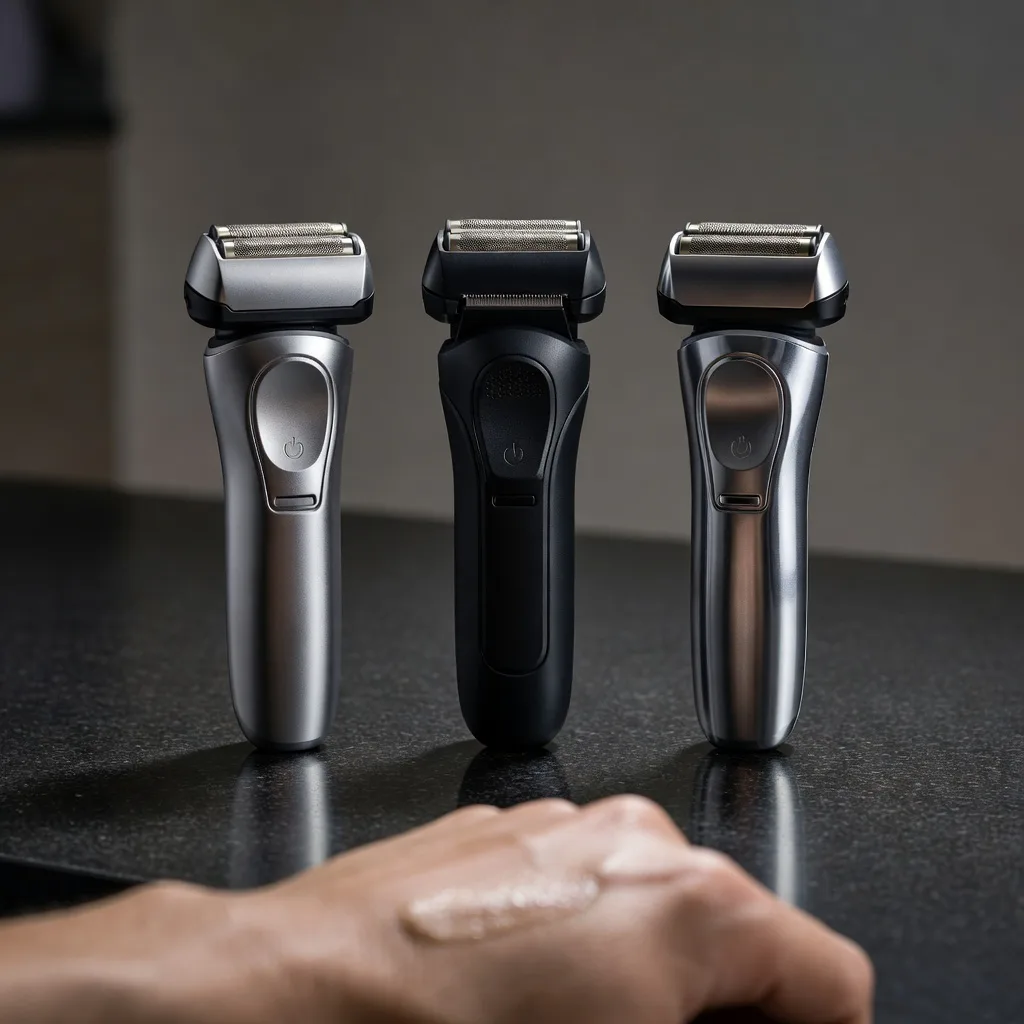
Best Single Foil Shaver: Who It Suits, Key Features and How to Use It
A single foil shaver has one thin, perforated metal foil with a blade that moves side to side underneath. It is the simplest type of electric foil shaver: small, light and easy to steer around the nose, lips, sideburns and neckline. It is also the type many travel shavers and compact facial shavers use.
Part of our guide to men's grooming tools. Start with: 10 Best Safety Razors (2026): Closer, Calmer Shaves for Every Level
The best single foil shaver is a compact, well-built model with a sharp, easily replaced foil, a built-in or pop-up trimmer, a wet-and-dry rating, and a battery that lasts about a week. It suits people with light to medium stubble, those who shave daily, travellers, and anyone who wants precise edging or a backup to a larger shaver. Because it has only one cutting strip, it needs more passes than multi-foil models on a dense beard. Choose one if you value simplicity, portability and control, and pick a larger shaver if speed on a thick beard matters most.
In short: single foil shavers are precise, portable and gentle, but slower on heavy beards.
The American Academy of Dermatology suggests that people with facial acne may find an electric shaver or a sharp disposable blade gentler, and that shaving should always be light-handed. A foil shaver fits that advice because the foil keeps the blade away from direct skin contact.
This guide covers who a single foil shaver suits, which features matter, what to avoid, and how to use, clean and maintain one.
Shopping these picks?
Amazon Prime members get fast, free shipping on eligible items, plus Prime Video, Amazon Music and member deals. New members can start with a free trial.
Start a free Prime trialAged 18 to 24? Prime for Young Adults comes with a longer free trial and a lower price after it.
Affiliate link: we may earn a commission at no extra cost to you.
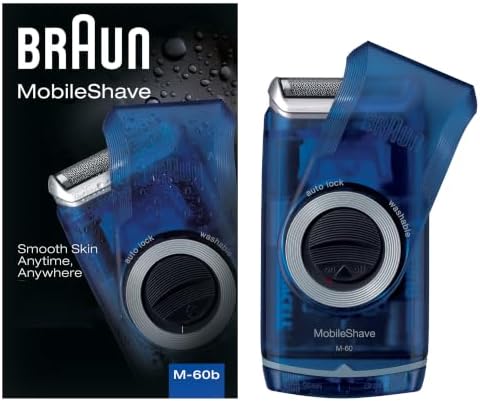
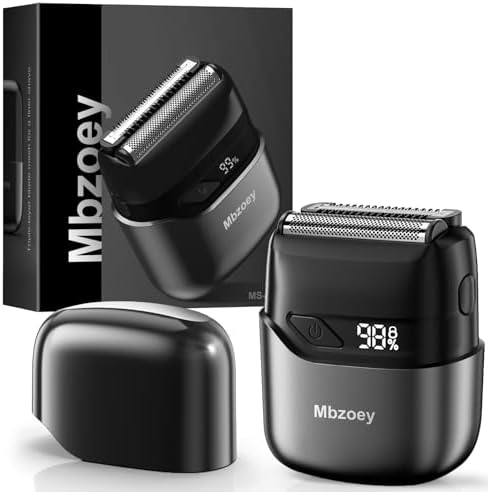
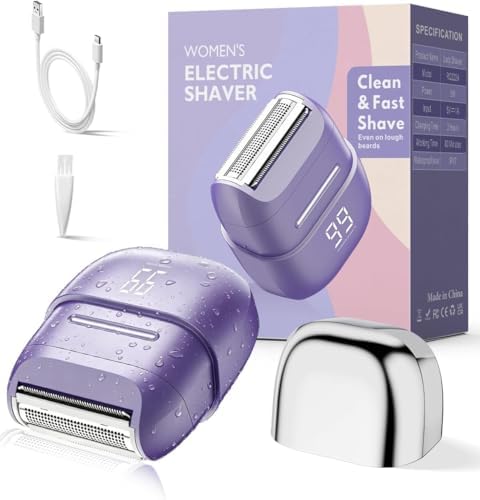
Recommended Single Foil Shavers on Amazon




What This Covers
- What Is a Single Foil Shaver?
- Single Foil vs Multi-Foil vs Rotary
- Who Should Choose a Single Foil Shaver?
- Features That Matter Most
- What to Avoid
- How to Shave With a Single Foil Shaver
- Cleaning, Storing and Replacing the Foil
- Using a Single Foil Shaver on Sensitive or Acne-Prone Skin
- Other Uses: Head, Neckline and Beard Edges
- Dos and Don’ts
- Honest Limits
- When to See a Dermatologist
- FAQ
- Summing Up
In Brief
- A single foil shaver has one cutting strip, so it is small and precise.
- It suits light to medium stubble, daily shaving and travel.
- On a thick beard it needs more passes than a multi-foil shaver.
- Look for an easy-to-replace foil and a trimmer for edges.
- Hold it at a right angle and use short, light strokes.
- Clean the foil gently; it is thin and easily dented.
- Replace the foil and cutter when shaves start to pull or irritate.
What Is a Single Foil Shaver?
Foil shavers work by guiding hairs through tiny holes in a thin metal foil, where an oscillating blade underneath cuts them. Multi-foil shavers stack two, three or more foils side by side to cover more skin per stroke. A single foil shaver has just one.
That simple design has real advantages. The head is narrow, so you can see exactly where you are cutting. There are fewer parts to clean or replace, and the shaver is usually light enough to slip into a wash bag. The downside is coverage: each stroke cuts a narrower strip, so shaving a full, dense beard takes longer and more passes, which can mean more friction on sensitive skin.
Single Foil vs Multi-Foil vs Rotary
This table compares the three main electric shaver designs. Individual models vary, so use it as a general guide.
| Feature | Single foil | Multi-foil | Rotary |
|---|---|---|---|
| Head size | Small, narrow | Wide | Medium to large |
| Precision around lips and nose | Excellent | Good | Fair |
| Speed on a dense beard | Slow | Fast | Fast |
| Best stubble length | Short, daily | Short, daily | Medium to a few days |
| Portability | Excellent | Fair | Fair |
| Parts to replace | Few | More | Several heads |
| Best for | Light beards, edging, travel | Daily full shaves | Curves and longer stubble |
If you already own a larger shaver, a single foil model makes a good travel or detail tool. If it will be your only shaver and your beard is thick, a multi-foil or rotary shaver will probably be quicker. Our guide on trimming vs shaving facial hair helps if you are deciding between a close shave and short stubble.
Who Should Choose a Single Foil Shaver?
Single foil shavers are a niche tool, but for the right person they are often the easiest shaver to live with.
- People with light or patchy facial hair who do not need a lot of cutting area.
- Daily shavers who keep stubble short.
- Travellers who want something small and light with USB charging.
- Anyone who wants sharp edges around a beard, moustache or sideburns.
- People who shave the head or neckline and want a small, controllable head.
- Women removing fine facial hair who want a small foil rather than a blade.
It is less suited to people who let stubble grow for several days between shaves, because longer hairs struggle to enter the foil holes and the narrow head then needs many slow passes. A trimmer first, or a rotary shaver, handles that pattern better. If your main goal is removing fine facial hair or peach fuzz, compare methods first. Our guide on peach fuzz vs facial hair explains the difference and which removal options suit each.
Features That Matter Most
Because a single foil shaver is so simple, the quality of each part matters. These are the features to check before you buy.
| Feature | Why it matters | What to look for |
|---|---|---|
| Foil quality | Thin, sharp foils cut closer with less pulling | Stainless or hypoallergenic foil, sold as a replacement part |
| Trimmer | For edges, sideburns and longer hairs | Pop-up or built-in, easy to see while using |
| Wet-and-dry use | Allows gel or foam on sensitive days | Clearly labelled as waterproof |
| Battery | Convenience and travel | About a week of shaves per charge, USB charging |
| Head flex | Helps on the jaw and chin | Some tilt, even if limited |
| Protective cap | Stops dents in the foil | Included and snug fitting |
| Cleaning | Faster daily care | Washable head that opens easily |
The foil is the most delicate part of any foil shaver. A single dent or hole can scratch the skin, so a protective cap and easy-to-buy replacement foils are more important than extra modes or lights.
What to Avoid
Cheap compact shavers are everywhere, and some cut corners in ways that affect your skin.
- Shavers with no replacement foils or cutters available.
- Very weak motors that tug instead of cutting.
- Foils that feel rough or have visible burrs at the edges.
- Models that cannot be opened for cleaning.
- Claims of a razor-close shave for thick beards from a tiny single foil.
- Units without a cap, which leaves the foil exposed in a bag.
A pulling or scratchy shave usually means a blunt cutter or damaged foil. If replacements are not available, the whole shaver has to be thrown away, which costs more over time.
How to Shave With a Single Foil Shaver
Foil shavers work with straight strokes rather than circles. Technique matters even more with a single foil because each pass covers a small area.
Prepare the skin
Wash your face and dry it fully for a dry shave, or apply a thin layer of gel for a wet shave.
Trim longer hair first
Use the trimmer on stubble longer than a couple of days so the foil is not overloaded.
Hold the head at a right angle
Keep the foil flat against the skin at about 90 degrees.
Use short, straight strokes
Move against the direction of growth with light pressure; do not press the foil into the skin.
Stretch the skin
Use your free hand to flatten the neck, jaw and upper lip.
Finish edges
Use the trimmer or the edge of the foil around the lips, nose and sideburns.
Rinse and soothe
Rinse with cool water and apply a fragrance-free moisturiser.
If your skin is sensitive, try shaving with the grain first and only go against the grain on areas that need it. Fewer passes on the same spot means less redness.
Cleaning, Storing and Replacing the Foil
The foil is thin enough to be dented by a fingernail or a hard brush, so gentle care keeps it working.
- Rinse under warm water after every shave if the model is washable.
- Remove the foil frame and tap out hair from the cutter; do not brush the foil itself.
- Let the head air dry before replacing the cap.
- Store the shaver capped and dry, never in a closed, wet bag.
- Replace the foil and cutter at the interval your manual suggests, or sooner if shaving pulls or scratches.
The AAD’s shaving tips recommend storing razors in a dry place and rinsing after each swipe, and the same logic applies to electric foils: clean, dry parts are kinder to skin.
Never shave with a dented, torn or cracked foil. The exposed edges can cut or scratch the skin and cause infection. Do not share an electric shaver, even with family members.
Using a Single Foil Shaver on Sensitive or Acne-Prone Skin
The foil acts as a barrier between the blade and your skin, which many people with sensitive skin find gentler than a blade. It is not risk-free, though, and a few habits help.
- Avoid shaving over active pimples; shave around them or wait.
- Clean the foil daily so oil and bacteria do not build up.
- Use a gel on wet-and-dry models if dry shaving stings.
- Skip alcohol-heavy after-shave and use a fragrance-free moisturiser instead.
- Shave every other day if daily shaving leaves redness.
If you break out in the beard area, the AAD’s acne skin care tips recommend gentle shaving and non-comedogenic products. For women removing fine hair, our guide on a facial razor vs a normal razor covers blade options too.
Other Uses: Head, Neckline and Beard Edges
Many people buy a single foil shaver as a second tool rather than their main one. Its narrow head is useful anywhere precision matters more than speed.
- Neckline: cleans up hair below a beard line without a blade.
- Cheek lines: sharpens the top edge of a beard in a few strokes.
- Around the lips: reaches the corners of the mouth and under the nose.
- Sideburns: levels the bottom edge evenly on both sides.
- Head shaving: gives control around the ears and the back of the neck, though a full head takes time.
- Touch-ups: a quick tidy before a meeting or event.
For head shaving, work in sections, keep strokes short and check the back with a hand mirror. For beard edges, use the trimmer to set the line first, then use the foil to clean up the stubble just outside it.
Dos and Don’ts
Worth Doing
- Trim long stubble before shaving
- Hold the foil flat at a right angle
- Use short, light strokes
- Keep the cap on when stored
- Replace the foil and cutter on schedule
Skip It
- Press the foil into the skin
- Brush the foil with a stiff brush
- Shave over active spots
- Use it with a dented foil
- Expect it to be fast on a thick beard
Honest Limits
A single foil shaver is not the fastest option for a full, dense beard. Each stroke covers a narrow strip, and more passes over the same skin can mean more irritation for some people. Closeness also depends on the foil’s condition, your beard and your technique, and there is no standard test that lets you compare brands fairly.
No electric shaver prevents ingrown hairs or razor bumps on its own. It may reduce nicks and irritation compared with blades, but people with tightly curled hair may still get bumps, and some do better keeping short stubble with a trimmer. Battery life also drops as the shaver ages, and small, inexpensive units may not be built to last as long as larger models, so factor in replacement parts and lifespan rather than looking only at the first shave.
When to See a Dermatologist
- Bumps or ingrown hairs keep coming back even with an electric shaver.
- Shaving leaves pus-filled spots, crusts or dark marks.
- Redness, burning or itching lasts for days after shaving.
- You react to the foil metal or to shaving products.
This article is for general information and does not replace professional medical advice. See a board-certified dermatologist if shaving causes persistent irritation, bumps or signs of infection.
FAQ
What is the best single foil shaver?
A compact model with a sharp, replaceable foil, a trimmer, wet-and-dry use and good battery life.
Is a single foil shaver good for a thick beard?
It works, but it is slower than multi-foil or rotary shavers.
Is a single foil shaver good for sensitive skin?
Often yes, if you use light pressure and keep the foil clean.
Should I shave with or against the grain with a foil shaver?
Usually against the grain, but start with the grain if your skin is sensitive.
How often should I replace a single foil?
Follow your manual, or sooner if it pulls or scratches.
Can women use a single foil shaver on the face?
Yes, small foil shavers are commonly used for fine facial hair.
Can I use a single foil shaver on my head?
Yes, it gives good control, though it is slower on a large area.
Is single foil better than multi-foil?
It is more precise and portable; multi-foil is faster.
Why does my foil shaver scratch?
Usually a dented foil, a blunt cutter or pressing too hard.
Can I take a single foil shaver on a plane?
Usually yes; check your airline’s rules for batteries.
Summing Up
The best single foil shaver is compact, precise and easy to maintain, with a sharp replaceable foil, a trimmer and wet-and-dry use.
It suits light beards, daily shavers, travellers and detail work. Use light straight strokes, protect the foil, replace parts on time, and choose a larger shaver if speed on a thick beard matters most.

Written by
Registered pharmacist and founder of Facial Adviser. Rakib's pharmacy training covers how skincare actives work and interact; a later course in cosmetology turned that into a focus on facial treatments and skincare products. He plans, researches and edits every guide on the site and checks health claims against sources such as the American Academy of Dermatology, the FDA and the NIH. He is not a dermatologist; see the Editorial Policy and Medical Disclaimer.
About · Editorial policy · How we choose products · Medical disclaimer · Contact
Keep reading: Shaving and razors
- 10 Best Safety Razors (2026): Closer, Calmer Shaves for Every Level
- 10 Best Rotary Shavers (2026): Closer Shaves on Curves and Neck
- 10 Best Pre-Shave Oils (2026): Smoother Glide, Less Razor Irritation
- 10 Best Aftershave Balms (2026): Alcohol-Free Relief for Razor Burn
- BaBylissPRO Barberology GoldFX Double Foil Shaver (FXFS2G): Pros and Cons
- 10 Best Hair Dryers (2026): Faster Drying With Less Heat Damage
- 10 Best Beard Trimmers (2026): Even Lengths, Clean Edges