Best Mask-Friendly LED Therapy Cap for Combined Treatments: Buyer’s Guide
LED therapy caps are wearable hats or helmets lined with small red lights or low-level lasers, sold mainly to support hair growth in thinning hair. Many people want to use them alongside other treatments, such as scalp serums, hair masks, minoxidil or an LED face mask, without wasting time or reducing how well each one works.
Part of our guide to at-home facial devices. Start with: 10 Best LED Light Therapy Masks (2026): Clearer Skin, Softer Lines
The best mask-friendly LED therapy cap for combined treatments is a comfortable, cordless or rechargeable cap with evenly spaced red lights or lasers covering the top and crown of the scalp, a built-in timer and clear instructions on using it with topical products. It should sit close to the scalp, fit over a standard head without pressing, and be easy to wipe clean. For combined routines, the practical rule is simple: use the cap on a clean, dry scalp, apply most leave-on treatments after the session unless the maker says otherwise, and never wear it over a wet or heavy hair mask. Evidence for light caps is limited but encouraging for hereditary hair loss, and results vary.
In short: pick a well-fitting cap with good coverage and a timer, keep the scalp clean and dry during sessions, and stay realistic about results.
The American Academy of Dermatology (AAD) says at-home laser caps and combs have only been looked at in a few studies, with promising results, but that not everyone who uses one sees regrowth.
This guide explains how LED and laser caps work, how to choose one and how to combine it safely with scalp products, hair loss treatments and LED face masks.
Shopping these picks?
Amazon Prime members get fast, free shipping on eligible items, plus Prime Video, Amazon Music and member deals. New members can start with a free trial.
Start a free Prime trialAged 18 to 24? Prime for Young Adults comes with a longer free trial and a lower price after it.
Affiliate link: we may earn a commission at no extra cost to you.
Recommended LED Therapy Caps and Masks on Amazon

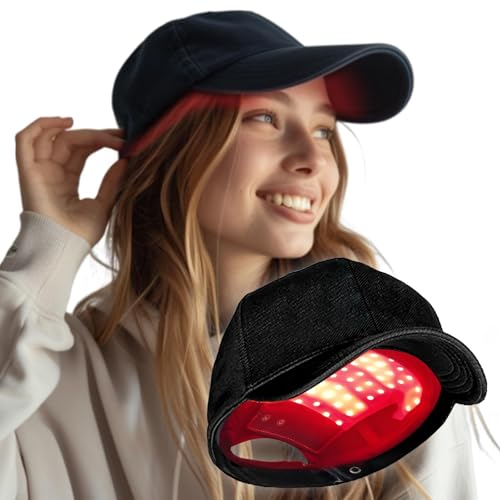


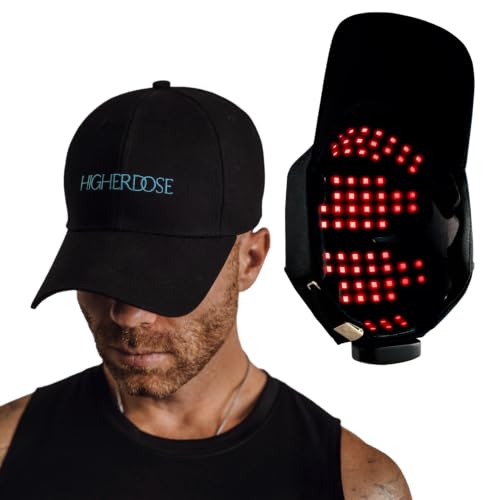
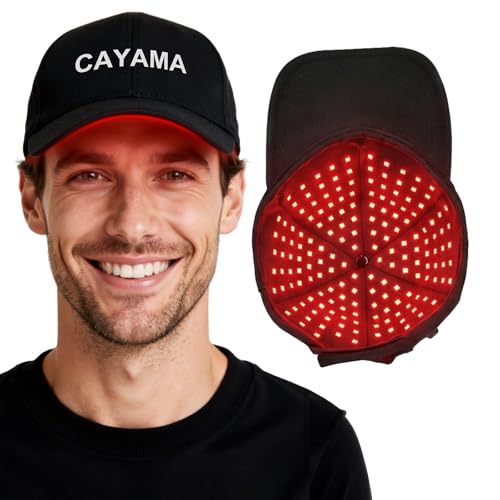
The Short Version
- LED and laser caps use red light aimed at the scalp to support hair growth.
- Evidence is limited but promising for hereditary hair loss; results vary.
- Use the cap on a clean, dry scalp, not over wet or heavy hair masks.
- Most leave-on scalp treatments go on after the session.
- Coverage, fit, timer and comfort matter more than extra features.
- An LED face mask and a hair cap can be used in the same routine, one after the other.
- See a dermatologist to find the cause of hair loss before relying on a device.
Contents
- What Is an LED Therapy Cap?
- What the Evidence Says About Light Caps for Hair
- How to Choose the Best LED Therapy Cap
- What Mask-Friendly and Combined Treatments Mean
- How to Combine an LED Cap With Other Treatments
- Using an LED Face Mask in the Same Routine
- Safety and Side Effects
- Cleaning and Caring for Your Cap
- Dos and Don’ts
- Honest Limits
- When to See a Dermatologist
- Questions People Ask
- The Bottom Line
What Is an LED Therapy Cap?
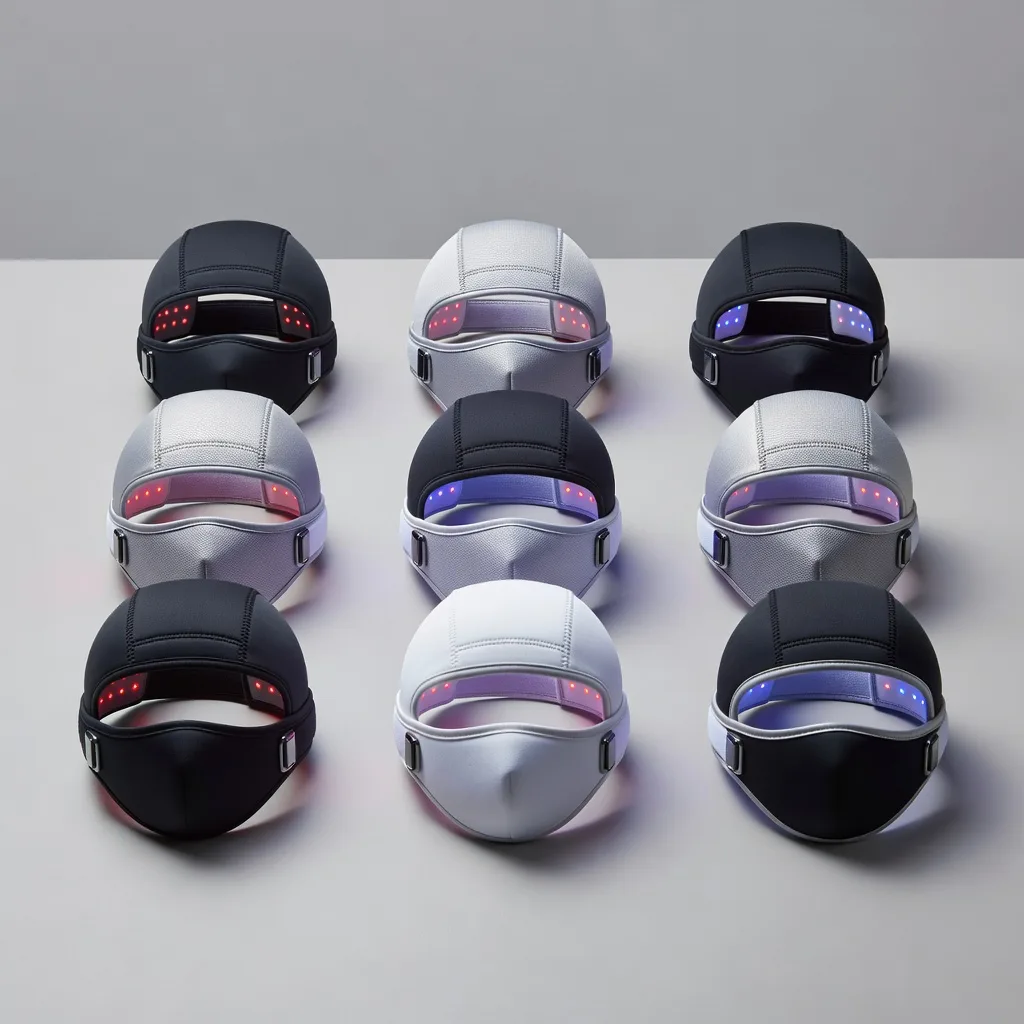
An LED therapy cap is a soft hat or rigid helmet with many small light sources on the inside, facing the scalp. Most use red light in the visible range, and some add near-infrared light. Laser caps use low-level laser diodes instead of, or as well as, LEDs. The idea, known as low-level light or laser therapy, is that the light may encourage hair follicles to stay in the growth phase for longer.
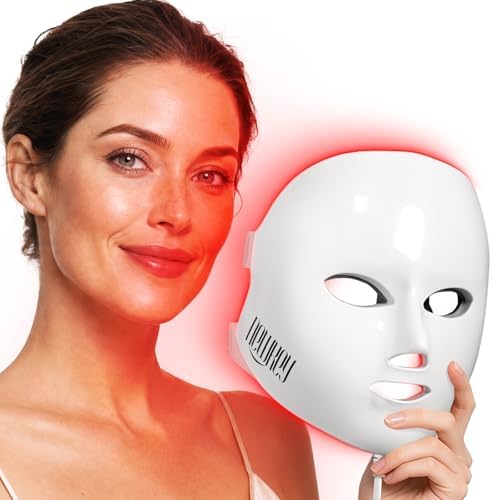
These devices are used at home for a set time, often several times a week, and are mainly aimed at pattern hair thinning. They are different from LED face masks, which target facial skin concerns such as acne or fine lines, although both use similar light technology. Our guide on what an LED anti-aging facial is explains how light therapy is used on facial skin.
What the Evidence Says About Light Caps for Hair
The honest picture is cautious optimism. The AAD’s overview of hair loss diagnosis and treatment notes that laser caps and combs can be bought for home use, that only a few studies have looked at them and that results are promising. It also stresses that not everyone who used a laser saw regrowth, and that treatment usually involves many sessions over many months.
- Most likely to help: hereditary pattern thinning in its earlier stages.
- Less likely to help: long-standing baldness where follicles are no longer active.
- Unproven: claims of fast regrowth, thicker hair in weeks or benefits for every type of hair loss.
- Unclear: whether LED-only caps work as well as the laser devices used in many studies.
Hair loss has many causes, including thyroid problems, low iron, stress, tight hairstyles and scalp conditions. A light cap will not fix these, which is why a proper diagnosis should come before buying a device.
How to Choose the Best LED Therapy Cap
Caps vary widely in design. Focus on features that affect how evenly light reaches your scalp and how easy the cap is to use consistently.
| Feature | Why it matters | What to look for |
|---|---|---|
| Light source | Lasers and LEDs differ | Clear description of wavelength and whether it uses LEDs, lasers or both |
| Coverage | Light must reach thinning areas | Diodes spread evenly over the top and crown |
| Fit | Gaps reduce light at the scalp | Sits close to the head without pressing; adjustable if possible |
| Timer | Prevents under- or over-use | Automatic shut-off at the end of each session |
| Power | Cords limit movement | Rechargeable, cordless design |
| Comfort and heat | Uncomfortable caps get abandoned | Lightweight, breathable, minimal warmth |
| Regulatory status | Shows some review by regulators | Check whether it is FDA-cleared for hair loss |
| Cleaning | Scalp oil and product build up | Wipeable inner surface; removable liner if fabric |
Be wary of listings that promise dramatic results, quote large diode counts without explaining the light source, or make claims about curing hair loss.
What Mask-Friendly and Combined Treatments Mean
People usually mean one of three things when they want a mask-friendly cap: using it with a hair or scalp mask, using it with a medicated hair loss treatment, or using it in the same session as an LED face mask. Each needs a slightly different approach.
| Combination | Is it sensible? | How to do it |
|---|---|---|
| Cap plus hair or scalp mask | Yes, but not at the same time | Use the cap on a clean, dry scalp, then apply the mask afterwards |
| Cap plus minoxidil | Commonly combined | Follow the product label; many people use the cap first, then apply to a dry scalp |
| Cap plus scalp serum | Usually fine | Apply the serum after the session unless the maker advises otherwise |
| Cap plus LED face mask | Possible | Use one after the other, following each device’s time limits |
| Cap over wet hair or heavy oil | No | Moisture and residue can block light and may damage electronics |
Thick creams, oils and masks sit between the lights and the skin and can reduce the amount of light that reaches the follicles. They can also soak into fabric caps and build up on the diodes, which makes cleaning harder.
How to Combine an LED Cap With Other Treatments
A simple order keeps each step effective and protects the device.
Start with a clean, dry scalp
Wash and fully dry your hair and scalp, or use the cap on a day when the scalp has no heavy products on it.
Part or lift thick hair
If your hair is long or dense, loosen it so light can reach the scalp; avoid tight ponytails under the cap.
Run a full cap session
Wear the cap for the time the maker recommends and let the timer switch it off.
Apply leave-on treatments
After the session, apply minoxidil, scalp serum or tonic as directed on their labels.
Use your hair mask later
If you want a nourishing hair or scalp mask, apply it after the cap and rinse as directed.
Add your LED face mask if you use one
Use it separately, following its own instructions and time limits, with eyes protected as advised.
Clean the device
Wipe the inside of the cap and the face mask with the method the manufacturer recommends.
Choose a regular time, such as while reading in the evening, and keep a simple log. Light therapy relies on consistency over months, and missed sessions are the most common reason people give up before they can judge results.
Using an LED Face Mask in the Same Routine
Many people who buy a hair cap also own an LED face mask, or want one. The two can fit into one routine, but they are separate tools with separate goals.
- Use them one after the other rather than trying to wear both at once.
- Cleanse and dry your face before a face-mask session; skip heavy creams underneath.
- Protect your eyes as the mask’s instructions advise, especially with bright or blue light.
- Apply your serums and moisturiser after the face session.
- Pause face LED use if you are on medicines that make skin sensitive to light, and ask your doctor.
Our guide to the best LED facial masks for acne and wrinkles covers how to choose and use a face mask in more detail.
Safety and Side Effects
At-home light caps are generally considered low risk when used as directed, but a few precautions apply.
- Some people notice mild scalp warmth, itching or tenderness at first.
- Shedding can seem to increase briefly in the early weeks before any improvement.
- Photosensitising medicines and some skin conditions may make light therapy unsuitable.
- Never use a damaged cap, one with exposed wiring, or one that gets hot.
Stop using the cap and see a doctor if you develop a rash, burning, blisters or sudden patchy hair loss. Do not use it over broken skin, wounds or an inflamed scalp, and ask a doctor first if you are pregnant, have a light-sensitive condition or take medicines that increase sensitivity to light.
Cleaning and Caring for Your Cap
A cap sits against your scalp for many sessions a week, so oil, sweat, dead skin and product residue gradually build up on the inner surface and around the lights. That can reduce comfort, cause odours and, in fabric caps, lead to irritation.
- Wipe the inside after each use with a dry or slightly damp soft cloth, as the maker advises.
- Never submerge the cap or run water over the electronics unless it is clearly marked as washable.
- Remove and wash any fabric liner according to its label.
- Charge it in a dry place away from sinks and showers.
- Store it in its case or on a stand so the inner lights are not crushed or scratched.
If you share a household, keep the cap for one person only, and check it regularly for broken diodes, loose wiring or cracks. A cap with dead or dim lights will not deliver an even dose, so contact the maker if parts stop working while it is still under warranty.
Dos and Don’ts
Helps
- Get the cause of hair loss diagnosed first
- Use the cap on a clean, dry scalp
- Apply leave-on treatments after the session
- Stick with it for several months
- Follow the maker’s time limits
Backfires
- Wear it over wet hair or heavy masks
- Expect results within weeks
- Stop proven treatments without advice
- Use a cap that overheats or is damaged
- Assume every type of hair loss will respond
Honest Limits
Light caps are one of the less proven options for hair loss. The AAD describes the at-home evidence as limited but promising, and even in studies not everyone improved. Results, when they happen, tend to be modest and slow, and they usually fade if you stop using the device. LED-only caps have less research behind them than some of the laser devices that have been studied.
Combining a cap with other treatments is common, but there is little research on the best order or timing, so follow each product’s instructions and your doctor’s advice. A cap is best viewed as an add-on to a plan built with a dermatologist, not a replacement for proven treatments or for finding out why your hair is thinning.
When to See a Dermatologist
- Sudden, patchy or rapid hair loss.
- Hair loss with scalp pain, redness, scaling or sores.
- Thinning along with tiredness, weight change or irregular periods.
- No improvement after six months of consistent treatment.
This article is for general information and does not replace professional medical advice. See a board-certified dermatologist to diagnose hair loss and plan treatment, and follow each device’s instructions.
Questions People Ask
Do LED caps really work for hair growth?
Some studies are promising for hereditary thinning, but results vary.
Can I wear an LED cap over a hair mask?
No; use the cap on a clean, dry scalp and apply the mask afterwards.
Should I apply minoxidil before or after the cap?
Many people apply it after; follow the product label and your doctor.
How long before I see results?
Usually several months of consistent use.
Are laser caps better than LED caps?
Many studies used lasers; LED-only caps have less research.
Can I use an LED cap and face mask on the same day?
Yes, one after the other, following each device’s limits.
Is an LED hair cap safe?
Generally yes when used as directed; stop if irritation develops.
Can I use it on wet hair?
It is best used on a dry scalp and hair.
Will results last if I stop?
Any gains usually fade after stopping.
Who should not use an LED cap?
People with light sensitivity or on photosensitising medicines should ask a doctor first.
The Bottom Line
The best mask-friendly LED therapy cap is a comfortable, well-fitting cap with even coverage and a timer, used on a clean, dry scalp with other treatments applied afterwards.
Keep expectations realistic, give it months of consistent use, and work with a dermatologist so the cap supports a plan that treats the real cause of your hair loss.

Written by
Registered pharmacist and founder of Facial Adviser. Rakib's pharmacy training covers how skincare actives work and interact; a later course in cosmetology turned that into a focus on facial treatments and skincare products. He plans, researches and edits every guide on the site and checks health claims against sources such as the American Academy of Dermatology, the FDA and the NIH. He is not a dermatologist; see the Editorial Policy and Medical Disclaimer.
About · Editorial policy · How we choose products · Medical disclaimer · Contact
Keep reading: LED light therapy
- 10 Best LED Light Therapy Masks (2026): Clearer Skin, Softer Lines
- 10 Best LED Face Masks for Acne and Wrinkles (2026): Blue and Red
- Does Blue Light Damage Your Skin? Screens vs Sunlight
- LightStim for Wrinkles: Does This LED Therapy Device Work?
- 10 Best Face and Neck LED Massagers (2026): Gentle Light, Real Limits
- 10 Best Acne Light Therapy Devices (2026): Masks vs Spot Tools
- 10 Best Facial Tools (2026): LED, Cleansing, Gua Sha and More
- How to Incorporate Microcurrent Into Your Routine: Gel, Timing and Safety