AHA vs BHA vs PHA: Which Exfoliating Acid Should You Use?
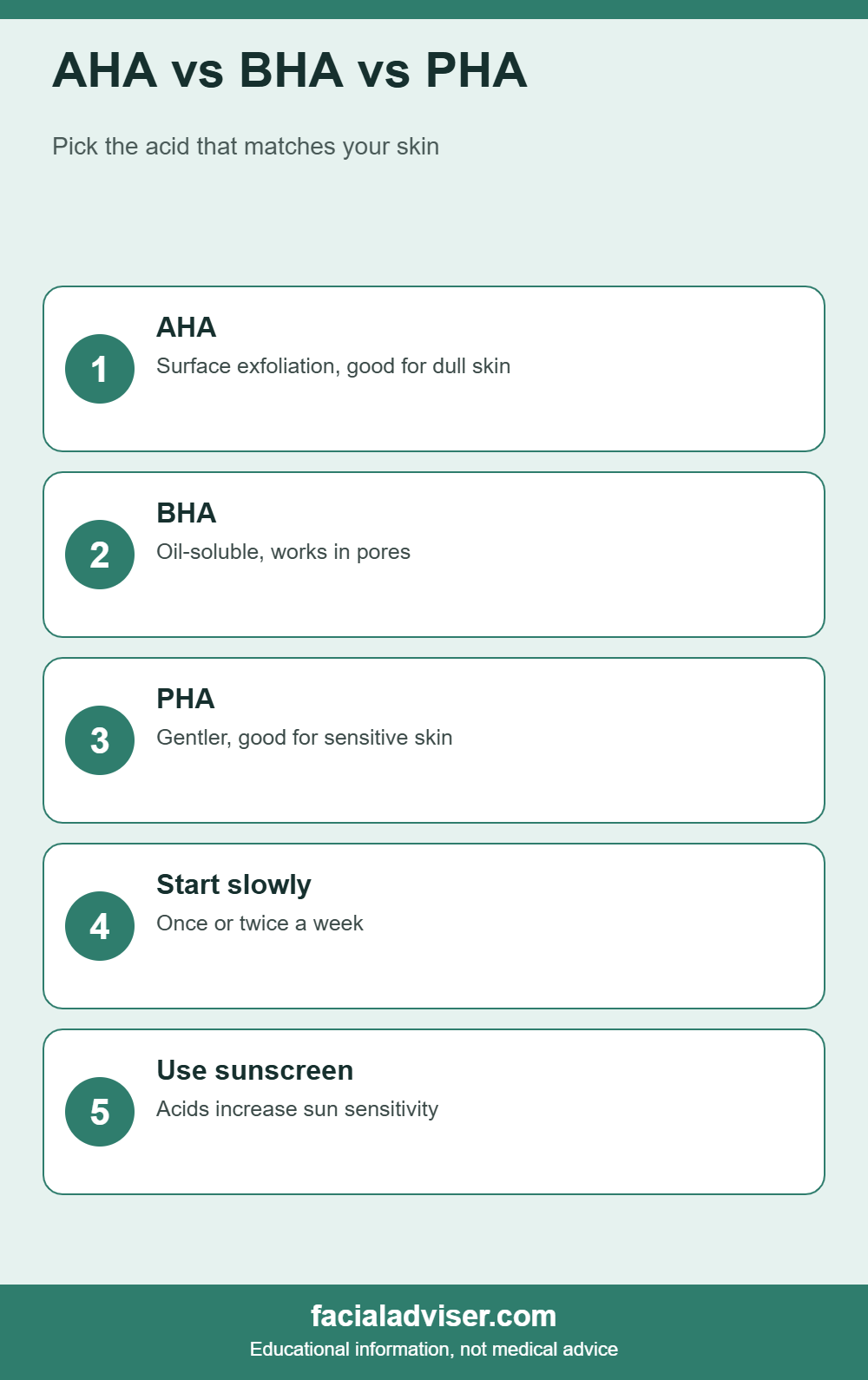
AHAs, BHAs and PHAs are the three main families of chemical exfoliants. All three loosen the bonds between dead skin cells so they can shed more evenly, but they differ in what they do best and how gentle they are.
AHAs, such as glycolic and lactic acid, work on the surface and are often chosen for dullness, rough texture and uneven tone. BHA, mainly salicylic acid, is oil-soluble and can work inside pores, which makes it popular for blackheads and oily or acne-prone skin.
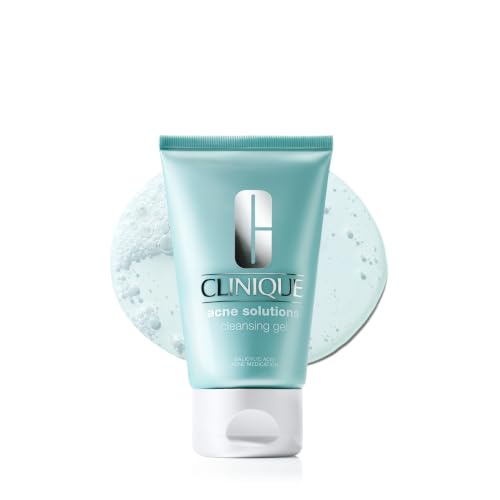
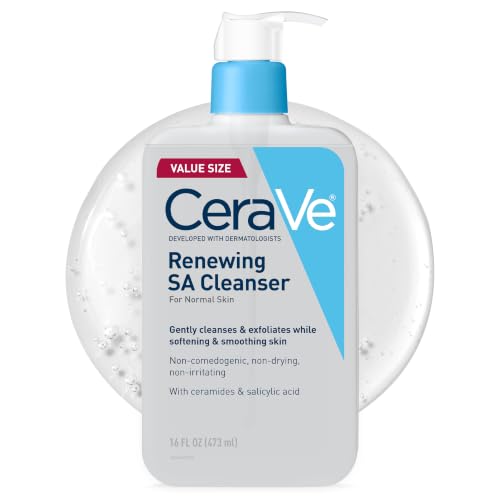
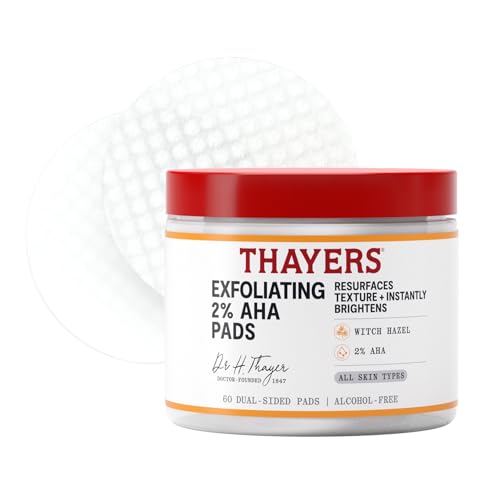
Exfoliating Products to Consider




Black Friday is coming: shop the deals with Prime
PHAs, such as gluconolactone, have larger molecules and tend to be gentler, so they are often chosen for sensitive skin.
This guide explains how each acid works, who it suits, how often to use it, what to avoid combining and how to build up slowly without damaging your skin barrier.
Marketing often presents acids as a single category, but the differences matter. Choosing the wrong one for your skin type is a common reason for stinging, tightness and breakouts.
The table and steps below should help you choose a starting point and build slowly.
I am Rakib Sarwar, a registered pharmacist with a cosmetology course. Acids can be very useful, but they are also one of the most common causes of overdone, irritated skin.
If you are pregnant, breastfeeding, have a skin condition or use prescription treatments, check with a doctor or pharmacist before starting any acid.
At a Glance
- AHAs work on the surface, BHAs work in pores, PHAs are gentler.
- Start once or twice a week and build slowly.
- Do not combine several acids and retinol on the same night at first.
- Acids make skin more sensitive to the sun.
- Stop if you feel burning, peeling or tightness.
- Moisturizer and sunscreen matter more when using acids.
Contents
What Chemical Exfoliants Do
Skin cells on the surface are held together by bonds. Over time they shed naturally, but sometimes they build up and make skin look dull or feel rough. Chemical exfoliants loosen these bonds so the dead cells come off more evenly.
If you have darker skin or a tendency to develop dark marks after irritation, be especially careful with strength and frequency. Irritation can leave long-lasting pigmentation.
The pH of an acid product matters. Acids work best in a certain pH range, and products that are too acidic can irritate. Reputable brands formulate within safe ranges, but concentration and pH together determine how strong a product feels.
Leave-on products, such as toners, serums and lotions, stay on the skin and work gradually. Rinse-off products, such as cleansers and masks, have shorter contact time and are often gentler. Peels with high strengths are used by professionals and should not be copied at home.
Chemical exfoliation is not essential. If your skin is comfortable, clear and smooth, you may not need an acid at all. Healthy skin sheds on its own, and over-exfoliation is a bigger risk than under-exfoliation for most people.
Compared with a physical scrub, acids exfoliate more uniformly and avoid rubbing. But they can still irritate if the strength is too high, or if you use them too often.
The right choice depends on your skin type, your concern and how well your skin tolerates actives.
| Acid | Type | Works on | Best for |
|---|---|---|---|
| AHA (glycolic, lactic) | Water-soluble | Surface | Dullness, rough texture |
| BHA (salicylic) | Oil-soluble | Pores and surface | Blackheads, oily skin |
| PHA (gluconolactone) | Water-soluble | Surface, gentle | Sensitive skin |
AHAs: Glycolic, Lactic and Mandelic Acid
AHAs are water-soluble acids that exfoliate the skin surface. Glycolic acid has the smallest molecule and penetrates most, so it can be strongest and most irritating. Lactic acid is larger and gentler, and mandelic acid is larger still.
Glycolic acid is often used at 5 to 10 percent in leave-on products, though stronger versions exist. Lactic acid is often used at 5 to 10 percent too, and mandelic acid at similar levels. A lower strength is a good place to start.
AHAs can sting more if the skin is damaged, shaved or freshly waxed, so avoid applying them to those areas. Skin with dark spots may benefit from gentle AHA use over time, but pigmentation can also be triggered by irritation, so be careful with strength and sun protection.
People with dull, rough or uneven skin often like AHAs. Lactic acid is also mildly hydrating, which suits drier skin.
AHAs make skin more sensitive to the sun, so daily sunscreen is essential while using them.
BHA: Salicylic Acid
BHA is salicylic acid, which dissolves in oil. This lets it get into pores and help loosen the mixture of oil and dead cells that forms blackheads and whiteheads.
Because salicylic acid is oil-soluble, it is often found in cleansers, spot treatments and leave-on liquids. A 2 percent leave-on product is a common strength. Cleansers contain the acid for less time and are usually gentler.
If your skin is dry or dehydrated, BHA can worsen tightness. Use it less often or choose a rinse-off product, and pair it with a hydrating moisturizer.
It suits oily and acne-prone skin. It can be drying, so start low and use a moisturizer. Strengths are usually 0.5 to 2 percent in leave-on products.
Salicylic acid is related to aspirin. If you are allergic to aspirin, ask a pharmacist or doctor before using it. It is also not recommended in high doses in pregnancy, so check with a doctor.
Do not use salicylic acid if you are allergic to aspirin or salicylates, and ask a doctor before using it during pregnancy.
PHAs: A Gentler Option
PHAs, such as gluconolactone and lactobionic acid, have larger molecules, so they sit on the surface and work more slowly. They also attract water, making them less drying.
Because PHAs act gently, they can be used more often, sometimes every other night, but start with once or twice a week anyway. They are a reasonable option for people who like the idea of exfoliation but have reacted to stronger acids in the past.
Look for gluconolactone, galactose or lactobionic acid on the label. These are often combined with other soothing ingredients in toners and serums.
They are often chosen for sensitive skin, rosacea-prone skin, or people who find AHAs and BHAs too harsh. The trade-off is that results are usually milder.
How to Choose
Choose by main concern and skin type. Oily or blackhead-prone skin often does well with BHA. Dull or rough skin often does well with AHA. Sensitive skin may prefer PHA or a low-strength lactic acid.
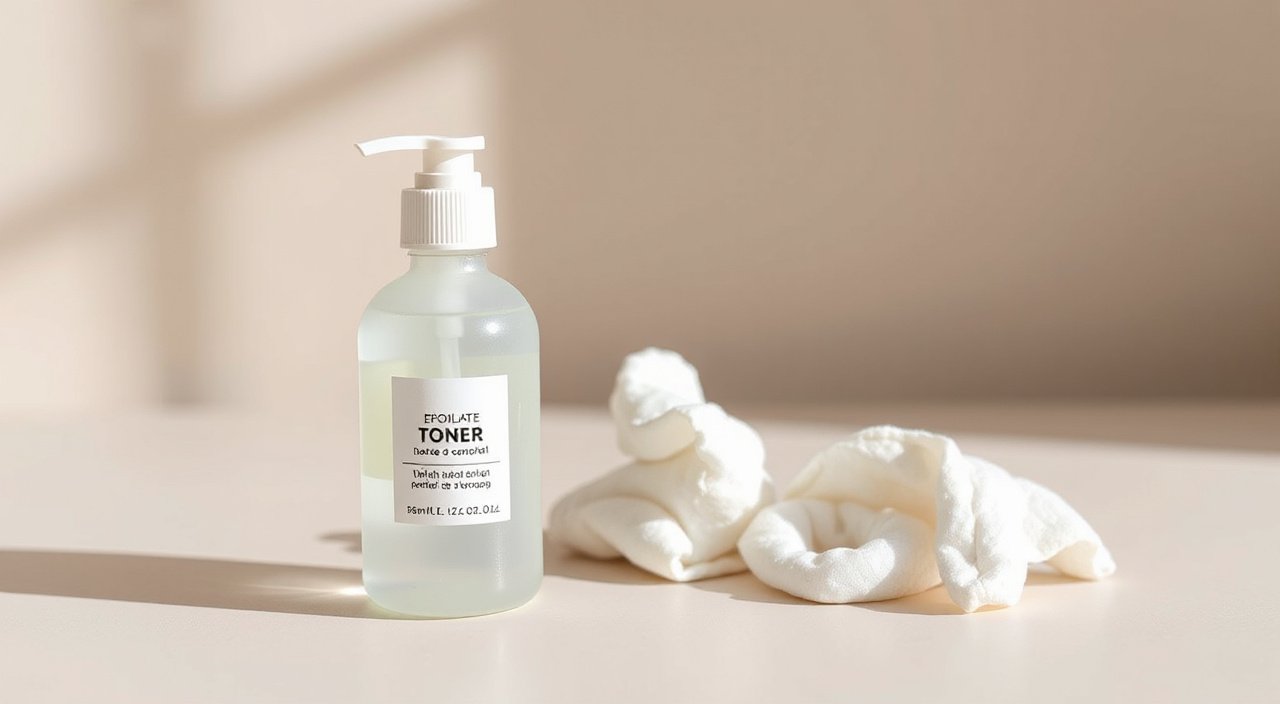
Read ingredient lists for hidden extras. Some exfoliating toners include alcohol, fragrance or essential oils that can add irritation. Fragrance-free options exist for most acid types.
If your skin is both oily and sensitive, a PHA or a low-strength BHA can be an easier starting point. If you have mature skin with texture concerns, a gentle AHA may be a better fit.
Think also about format. Pads are convenient, toners spread easily, and serums can be stronger. Choose the format you will actually use consistently.
| Concern | Suggested acid | Starting use |
|---|---|---|
| Blackheads | BHA | 1 to 2 nights a week |
| Dullness | AHA | 1 to 2 nights a week |
| Sensitive skin | PHA or low lactic | Once a week |
| Mixed concerns | One acid at a time | Start with one |
Our exfoliating toner guide compares popular products, and our guide to the best time to exfoliate covers timing.
How to Start Safely
Go slowly. Acids work, but too much can damage the barrier and cause redness, stinging and peeling.
If you travel or expect strong sun, skip the acid that week. Sun exposure plus an acid raises the risk of irritation and uneven tone.
Store acid products away from heat and light, and check expiry dates, because some formulas change over time.
After a few weeks of comfortable use, you can raise frequency or strength if you want to. But there is no need to chase more. If your skin looks smooth and feels comfortable, you may have found the right level.
Keep notes on how your skin feels the next morning. Slight tightness that goes away quickly may be fine. Stinging, redness or visible flaking means you should reduce use.
Patch test
Test a small area for 24 to 48 hours.
Start once a week
Apply at night to clean, dry skin.
Moisturize
Follow with a barrier-supporting moisturizer.
Increase slowly
Move to two or three nights a week if skin is comfortable.
Wear sunscreen daily
Acids increase sun sensitivity.
Apply acids to dry skin. Damp skin can increase penetration and irritation.
What Not to Combine
Avoid using several strong actives on the same night when you start. Acids with retinol, benzoyl peroxide or other acids can overload the skin.
Vitamin C and acids are both low in pH and can feel stinging when layered. Using vitamin C in the morning and an acid at night is a simple way to keep them apart. Our vitamin C serum guide covers choices.
Physical scrubs and cleansing brushes add friction, so avoid using them on the same day as an acid. If you use a salicylic acid cleanser daily, you probably do not need an additional BHA leave-on.
If you use retinol, alternate nights with your acid. Our skin cycling guide shows a simple schedule.
| Combination | Advice |
|---|---|
| AHA and BHA together | Avoid until your skin is used to both |
| Acid and retinol same night | Avoid at first |
| Acid and vitamin C | Use at different times of day |
| Acid and moisturizer | Always |
Common Mistakes
The biggest mistake is using too much, too soon. Daily acids, high strengths and layering several products often lead to stinging and peeling.
Another mistake is expecting overnight results. Texture may look smoother after a couple of weeks, but changes in tone and clogged pores take longer. If you see no benefit after eight to twelve weeks of steady, gentle use, a different approach may work better.
People also exfoliate when their skin is already irritated, hoping to fix the problem. If your skin is red or sensitive, pause acids and focus on barrier repair with a gentle cleanser and moisturizer.
Another is skipping sunscreen, and a third is exfoliating irritated or sunburned skin.
Worth Doing
- Start once a week
- Moisturize after
- Use sunscreen daily
Skip It
- Use acids daily at the start
- Combine several actives
- Exfoliate sunburned skin
Honest Limits
Exfoliating acids can improve texture and clarity, but they do not erase deep wrinkles or scars. Results are gradual and depend on strength and consistency.
Individual tolerance varies a great deal. Two people can use the same product at the same strength and have very different experiences, which is why gradual introduction and a willingness to pause matter so much.
Marketing claims such as glass skin or instant resurfacing can encourage overuse. Treat these as marketing language, and judge a product by how your skin looks and feels over weeks.
The products below are examples with strong ratings, not recommendations for your skin.
When to See a Professional
See a pharmacist, doctor or dermatologist if you get burning, swelling, severe peeling or a rash, or if you have a skin condition such as eczema or rosacea.
This article is educational and is not medical advice. Product details come from public listings and may change.
Quick Tips
If your skin ever feels raw, stop acids and use only cleanser, moisturizer and sunscreen for a week or two.
Keep acids away from the eye area and the corners of the nose and mouth, where skin is thin and easily irritated. A thin layer of moisturizer around those spots can act as a buffer.
Redness, burning and tightness are signs to pause, not signs the product is working harder.
FAQ
What is the difference between AHA and BHA?
AHAs work on the surface and BHAs work inside pores.
Which acid is best for oily skin?
BHA often suits oily and blackhead-prone skin.
Which acid is gentlest?
PHA is generally the gentlest.
How often should I use an acid?
Start once or twice a week.
Can I use AHA and BHA together?
It is best to start with one.
Can I use acids with retinol?
Not on the same night when starting.
Do acids make me sensitive to the sun?
Yes. Use sunscreen daily.
Can I use acids in the morning?
Many people prefer night use.
Is salicylic acid safe in pregnancy?
Ask a doctor first.
When should I stop?
If you have burning, peeling or swelling.
Where This Leaves You
Choose an acid by your main concern, start once a week and always follow with moisturizer and sunscreen.
Stop if your skin burns or peels, and ask a pharmacist, doctor or dermatologist for advice.

Written by
Registered pharmacist and founder of Facial Adviser. Rakib's pharmacy training covers how skincare actives work and interact; a later course in cosmetology turned that into a focus on facial treatments and skincare products. He plans, researches and edits every guide on the site and checks health claims against sources such as the American Academy of Dermatology, the FDA and the NIH. He is not a dermatologist; see the Editorial Policy and Medical Disclaimer.
About · Editorial policy · How we choose products · Medical disclaimer · Contact
Turn skincare time into me-time with a free audiobook