Makeup After Microneedling: When It Is Safe and What to Use
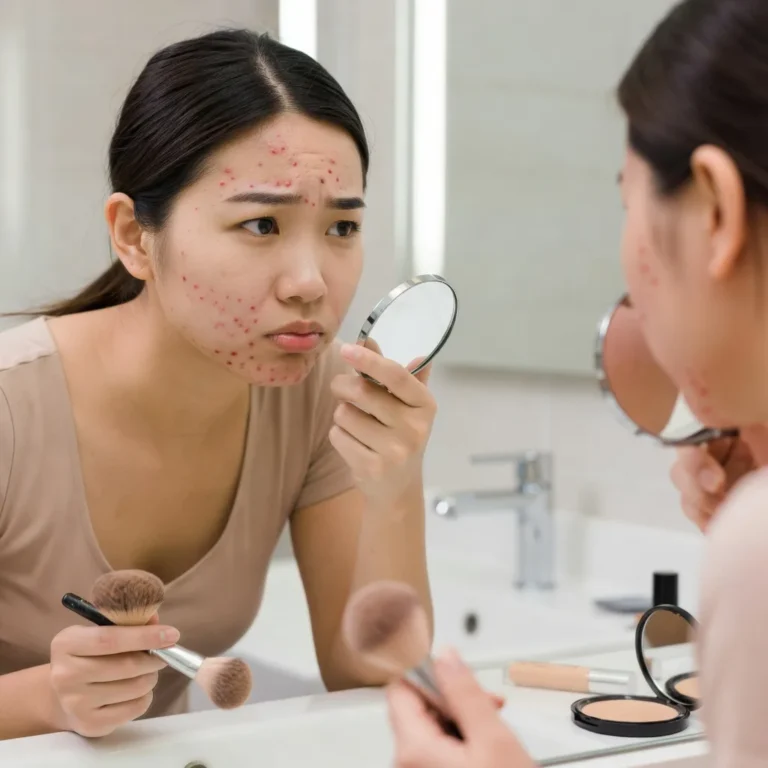
Microneedling creates tiny controlled channels in the skin, so the face is red, sensitive and more open to bacteria afterward. Putting makeup on too soon can irritate healing skin, clog the channels and raise the risk of infection. That is why the wait time and what you use afterward matter.
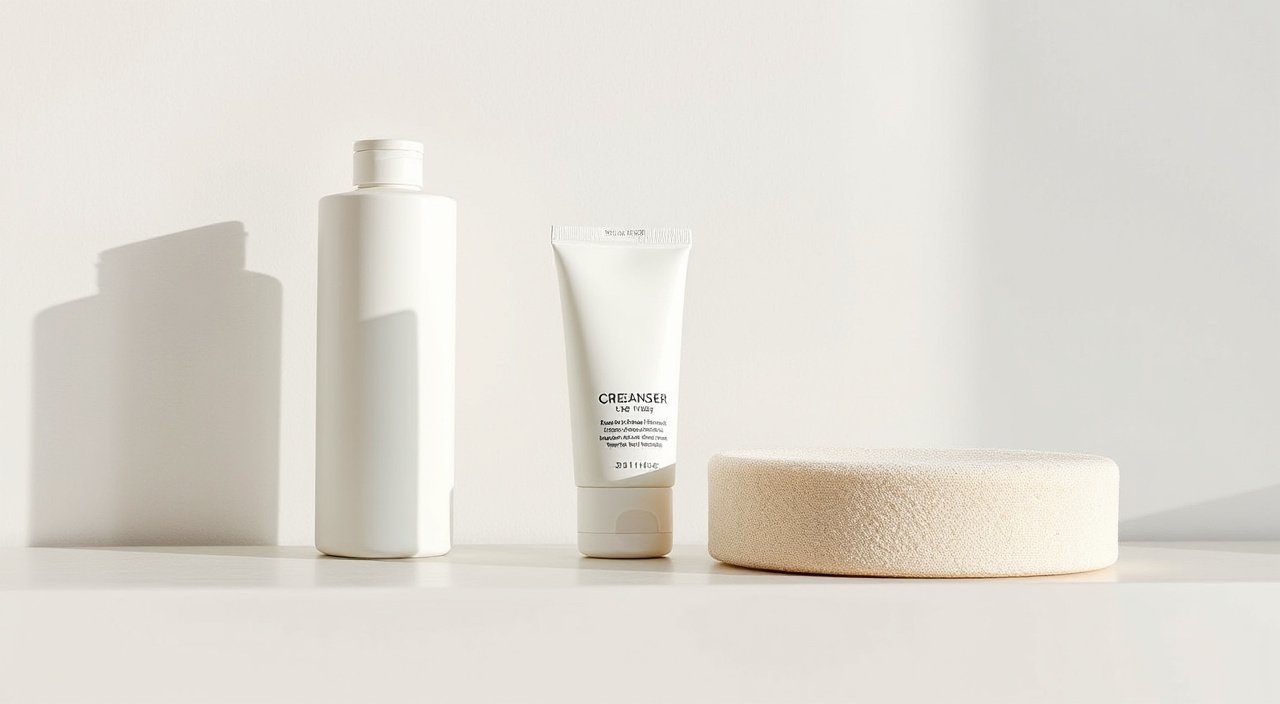
Many clinics give you a printed aftercare sheet, but people often forget the details once they are home. Keep it nearby and refer to it before you reach for any product, even a simple one.
This guide explains the typical timeline for returning to makeup, what to wear first, how to protect healing skin and how to remove products gently. It is general education and not a substitute for your provider’s aftercare sheet, which should always come first.
Black Friday is coming: shop the deals with Prime
I am Rakib Sarwar, a registered pharmacist with a cosmetology course. I am not a dermatologist or the person who performed your treatment. Needle depth, device type and your skin history change your recovery, so follow the advice of your own provider.
In general, many providers say to avoid foundation and other makeup for at least 24 hours after a light, cosmetic session, and longer after deeper treatments, when skin may be raw or crusted. Some mineral products are allowed sooner. Always check with your clinic.
Below you will find a simple timeline, a short product list focused on gentle cleansing, moisturizing and sun protection, and warning signs to watch for. For makeup later in recovery, our guide to reapplying sunscreen over makeup may be useful.
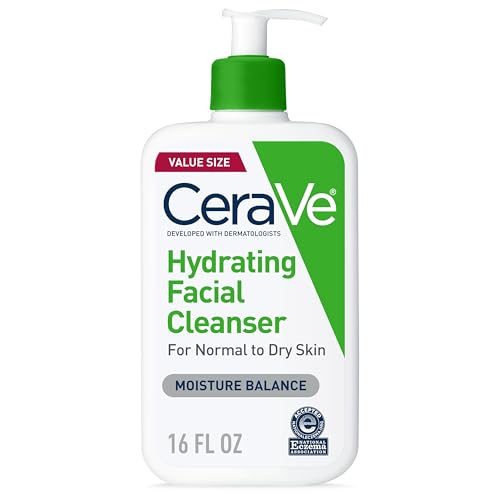
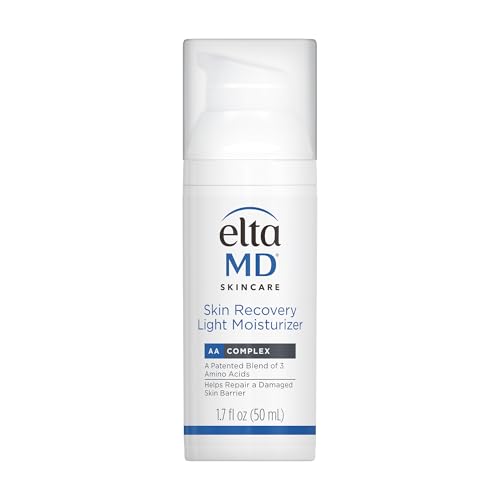
Gentle Products to Consider During Microneedling Recovery



Quick Answer
- Follow your provider’s aftercare first; it overrides general advice.
- Many providers advise skipping makeup for at least 24 hours after light treatments.
- Deeper sessions need longer, until skin is no longer raw or crusted.
- Use gentle cleanser, simple moisturizer and mineral sunscreen first.
- Use clean fingers or new sponges and fresh products.
- Call your provider for swelling, pus, fever or severe pain.
Jump to a Section
- Why Makeup Right After Microneedling Is Risky
- A General Timeline for Returning to Makeup
- What to Use in the First Days
- Which Makeup to Choose First
- Hygiene Rules for Healing Skin
- How to Return to Makeup After Microneedling
- Removing Makeup Gently
- What to Avoid During Recovery
- Choosing Gentle Skincare Alongside Makeup
- Honest Limits
- When to See a Professional
- Frequently Asked Questions
- The Bottom Line
Why Makeup Right After Microneedling Is Risky
The needles make microscopic openings that let serums and moisturizers reach deeper layers. They can also let in bacteria, pigments and irritants. Foundation, powder and brushes carry bacteria, and some ingredients such as fragrance can sting or trigger inflammation on open skin.
Microneedling also triggers a controlled inflammatory response, which is part of how it prompts collagen production. That response is useful, but it means the skin is busy healing and not ready for extra irritation.
People often feel tempted to cover redness for work or events. If you must, plan your treatment date so you have a few days of recovery before you need to be camera-ready.
Heavy makeup can also trap heat and make redness look worse. Skin that is cared for gently usually heals faster and looks better when you do return to makeup.
Aftercare varies by clinic and device. Your provider’s instructions come first.
A General Timeline for Returning to Makeup
Healing times depend on needle depth and how sensitive your skin is. The table below is a general guide and not medical advice. Ask your provider which timeline applies to you.
Photos before treatment give you a baseline to compare against. They also help you decide whether you really need makeup or can leave skin bare during recovery.
Plan important events at least a week after a session when possible, so you are not rushing healing.
Days 2 to 3 often bring dryness and a sandpaper feel, and skin may peel lightly. That is normal and usually settles in about a week for light treatments.
Redness can last longer in fair or sensitive skin. If it increases instead of fading, speak to your provider.
| Time after treatment | What skin looks like | Makeup guidance |
|---|---|---|
| First 24 hours | Red, warm, tight | Avoid makeup; cleanse gently |
| Days 2 to 3 | Pink, dry, flaking | Ask about mineral tint or sunscreen |
| Days 4 to 7 | Mostly calm | Light products if approved |
| After 1 week | Healed for light sessions | Usual routine, introduce slowly |
Deeper treatments or medical-grade sessions can take longer, so wait until any crusts, scabs and open areas have healed fully.
What to Use in the First Days
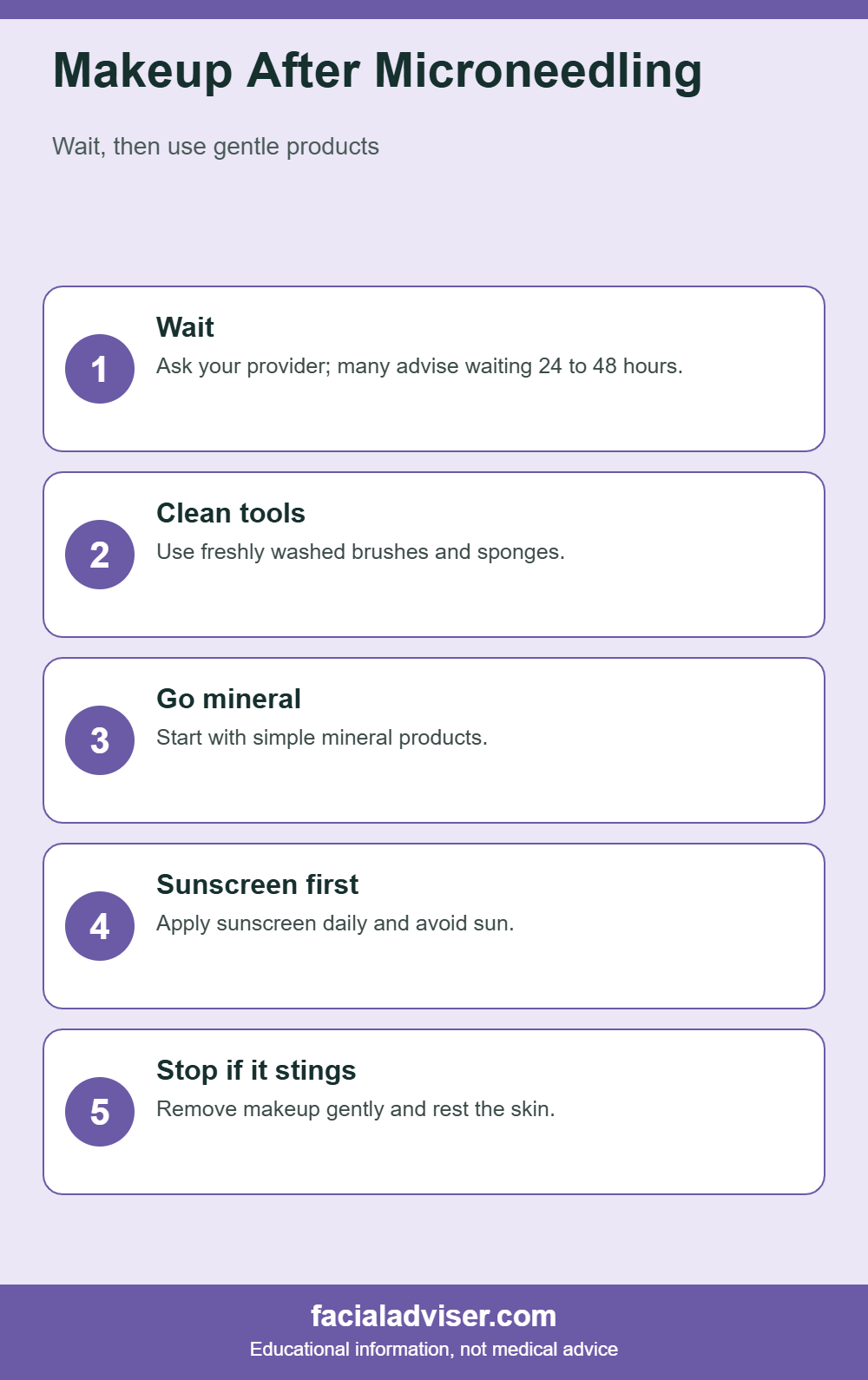
For the first days, think simple: a mild cleanser, a basic moisturizer and a mineral sunscreen recommended by your provider. Avoid active ingredients such as retinoids, acids and vitamin C unless your provider says otherwise.
Drink water and sleep well; healthy habits support recovery from the inside. Avoid alcohol and smoking if you can, since both can slow healing.
Keep your hair away from your face and clean, because oils and styling products can transfer onto sensitive skin.
Choose a cleanser that does not foam heavily and has no scrubbing beads. Pat the skin dry with a clean towel instead of rubbing.
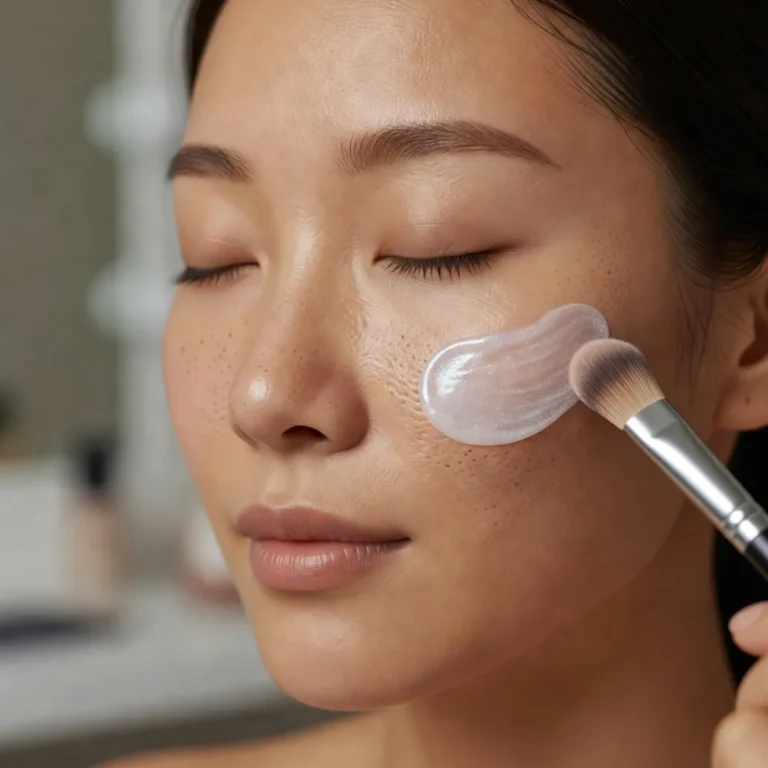
A moisturizer with ceramides and glycerin supports the barrier, while a fragrance-free gel can feel cooling when skin is warm.
Sun protection is the most important piece. New skin burns and pigments easily, so a mineral sunscreen, a hat and shade help prevent dark marks.
Use a fresh, clean applicator for anything that touches your healing skin, and avoid reusing old sponges.
Which Makeup to Choose First
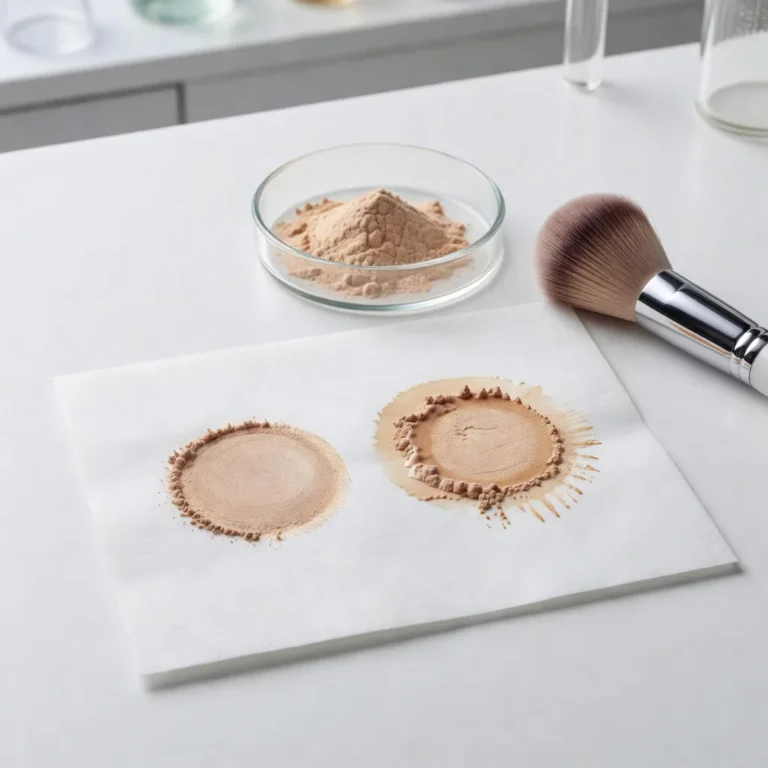
When your provider gives the go-ahead, start with the lightest option. A tinted mineral sunscreen is often a smart first step because it covers redness while protecting skin. Fragrance-free mineral powders are another gentle choice.
Introduce one makeup item per day when you restart. That way, if skin reacts, you will know which item caused it and can stop quickly.
Eye makeup near treated areas deserves extra care, since eyelid skin is thin. Ask your provider before using eyeliner or mascara close to treated skin.
Hold off on heavy full-coverage foundations, glitter and long-wear formulas until the skin is calm. Test one product at a time.
| Option | Pros | Watch out for |
|---|---|---|
| Tinted mineral sunscreen | Protection plus light coverage | Limited shades |
| Mineral powder | Light and simple | Can look dry on flaky skin |
| Liquid foundation | Even coverage | Heavier and harder to remove |
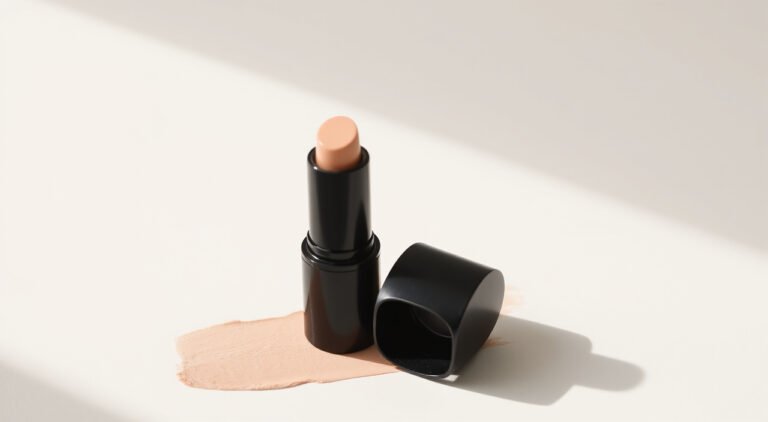
| Concealer | Spot coverage | Avoid on scabs or open areas |
Try This
- Wait for your provider’s approval
- Start with a tinted mineral sunscreen
- Use clean tools and fresh products
Avoid This
- Foundation on scabs or crusts
- Fragranced or alcohol-heavy products
- Sharing sponges or brushes
Hygiene Rules for Healing Skin
Wash your hands before touching your face. Use new or freshly washed sponges and brushes, and avoid sharing products. If you have used a tool over your eyes or on a blemish, do not reuse it on healing skin without cleaning it.
Replace any makeup you used just before treatment if it was near infection or breakouts. Old products can harbor bacteria, and healing skin is less able to cope with them.
Keep pillowcases clean for the first week. Changing your pillowcase every day or two reduces the chance of transferring bacteria overnight.
Avoid touching, picking or scratching flaking skin. Let it shed naturally, because picking can scar or cause pigment changes.
How to Return to Makeup After Microneedling
Wait until your provider confirms that your skin has closed and calmed. Introduce makeup in small steps instead of a full face on day one.
Take photos of your skin in natural light each day. They help you notice slow improvement and share changes with your provider if you worry.
If you experience stinging when you apply a product, rinse it off gently and wait another day before trying again.
Confirm it is safe
Check your aftercare sheet or ask your provider.
Cleanse gently
Use lukewarm water and a mild cleanser.
Moisturize and protect
Apply a simple moisturizer and mineral sunscreen.
Start with a tint
Dab a thin layer of tinted mineral sunscreen with clean fingers.
Add one product at a time
Wait a day before adding foundation or concealer.
Do not apply makeup to open areas, scabs or crusted skin. Call your provider if you see pus, spreading redness or fever.
Removing Makeup Gently
Use a gentle cream cleanser and lukewarm water. Avoid scrubs, rough cloths and hot water. Pat dry and apply your recommended moisturizer.
Avoid makeup wipes with alcohol or fragrance while healing. A cream cleanser with lukewarm water is usually better.
Do not use cleansing devices, brushes or exfoliating mitts until your provider confirms that skin has recovered.
If you have dry flakes, do not exfoliate. Moisturize and wait for them to shed on their own.
What to Avoid During Recovery
Avoid saunas, heavy exercise, swimming pools and direct sun for the period your provider advises. Skip exfoliating acids, retinoids and strong vitamin C unless approved. Do not use new products that you have not patch tested.
Heat can aggravate healing skin, so skip hot showers, steam rooms and hot yoga for the period your provider advises. Swimming pools contain chemicals that can irritate open skin.
Avoid peels, lasers and waxing in the same area until your provider agrees, because stacking treatments raises the risk of irritation and scarring.
| Avoid | Why |
|---|---|
| Retinoids and acids | Can sting and over-irritate |
| Fragranced products | Can trigger reactions |
| Direct sun | Raises the risk of dark marks |
| Picking or scrubbing | Can scar skin |
Choosing Gentle Skincare Alongside Makeup
Look for products with ceramides, glycerin or aloe and without added fragrance. Choose a cleanser that does not foam heavily. A barrier-supporting cream can help comfort, while an unscented gel can feel cooling.
Aloe gels should be pure and free of added alcohol or fragrance. Some people react to aloe, so patch test it on a small area first and stop if redness or itching appears.
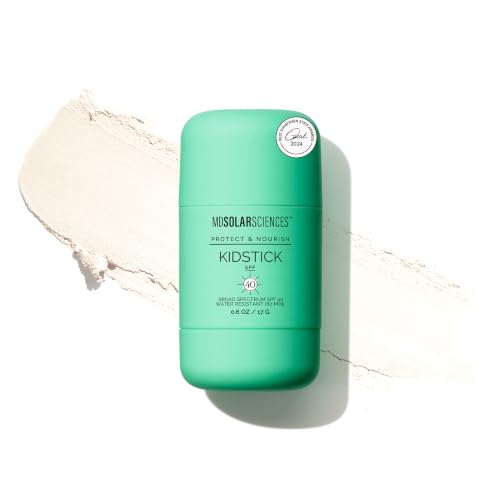
Sunscreen sticks are easy to reapply without touching the face with your fingers, which helps with hygiene while your skin heals.
A simple routine of cleanser, moisturizer and sunscreen is usually enough in the first week. More products do not speed healing and can add risk.
If you use any product recommended by your clinic, do not mix it with new ones from different brands until you check that it is compatible.
Always match your routine to your provider’s advice, since some clinics supply their own aftercare products.
Honest Limits
Everyone heals differently, and a timeline that suits one person may be too soon for another. Home devices and professional treatments are not the same, so follow the advice for yours.
Skin tone, age, medications and sun exposure all influence recovery. If you scar easily or are prone to dark marks, your provider may advise stricter aftercare and a longer break from makeup.
Online timelines are only a general guide, and your own provider knows your treatment depth best.
Makeup cannot speed healing. Gentle care and sun protection do the most for results.
When to See a Professional
Contact your provider or a doctor if you notice increasing pain, swelling, pus, fever, blistering or redness that spreads. Persistent dark patches or scarring should also be checked.
Keep your provider’s phone number handy for the first week. Early advice about swelling or odd healing is far better than waiting, and clinics generally prefer that you ask rather than guess.
If a reaction seems severe, such as trouble breathing or facial swelling, seek urgent medical care.
This article is educational and not medical advice. The author is a registered pharmacist, not a dermatologist, and cannot give aftercare instructions for your treatment.
Frequently Asked Questions
How long should I wait to wear makeup after microneedling?
Many providers advise at least 24 hours after light sessions and longer after deeper ones. Follow your provider’s advice.
Can I wear mineral makeup after microneedling?
Some providers allow mineral products sooner, but confirm with yours first.
Is sunscreen okay after microneedling?
Sun protection is important, and a mineral sunscreen is often recommended. Ask your provider.
Can I use foundation the next day?
Usually not after deeper treatments. Wait until the skin is calm and approved.
Can makeup cause infection after microneedling?
Makeup and dirty tools can carry bacteria, so wait and keep tools clean.
What should I use to cleanse?
A mild, fragrance-free cleanser and lukewarm water are typical choices.
Can I exercise after microneedling?
Avoid sweating and heavy exercise for the time your provider advises.
What if my skin is flaking?
Moisturize gently and do not pick or exfoliate.
Do I need new makeup tools?
Use clean or new tools to lower the risk of infection.
When should I call my provider?
Call for pus, fever, spreading redness or severe pain.
The Bottom Line
Makeup after microneedling should wait until your provider says your skin is ready. Start with gentle cleansing, a simple moisturizer and mineral sunscreen, then add makeup slowly.
Healing is personal, so follow your own aftercare instructions and call your provider with any concerns.

Written by
Registered pharmacist and founder of Facial Adviser. Rakib's pharmacy training covers how skincare actives work and interact; a later course in cosmetology turned that into a focus on facial treatments and skincare products. He plans, researches and edits every guide on the site and checks health claims against sources such as the American Academy of Dermatology, the FDA and the NIH. He is not a dermatologist; see the Editorial Policy and Medical Disclaimer.
About · Editorial policy · How we choose products · Medical disclaimer · Contact
Turn skincare time into me-time with a free audiobook