How to Use a Sheet Mask: Steps, Timing and Common Mistakes
A sheet mask is a thin fabric or gel sheet soaked in a liquid serum, usually called essence. You lay it over the face so the skin stays in contact with the liquid for several minutes. It is one of the simplest ways to add a burst of hydration, and it takes very little skill.
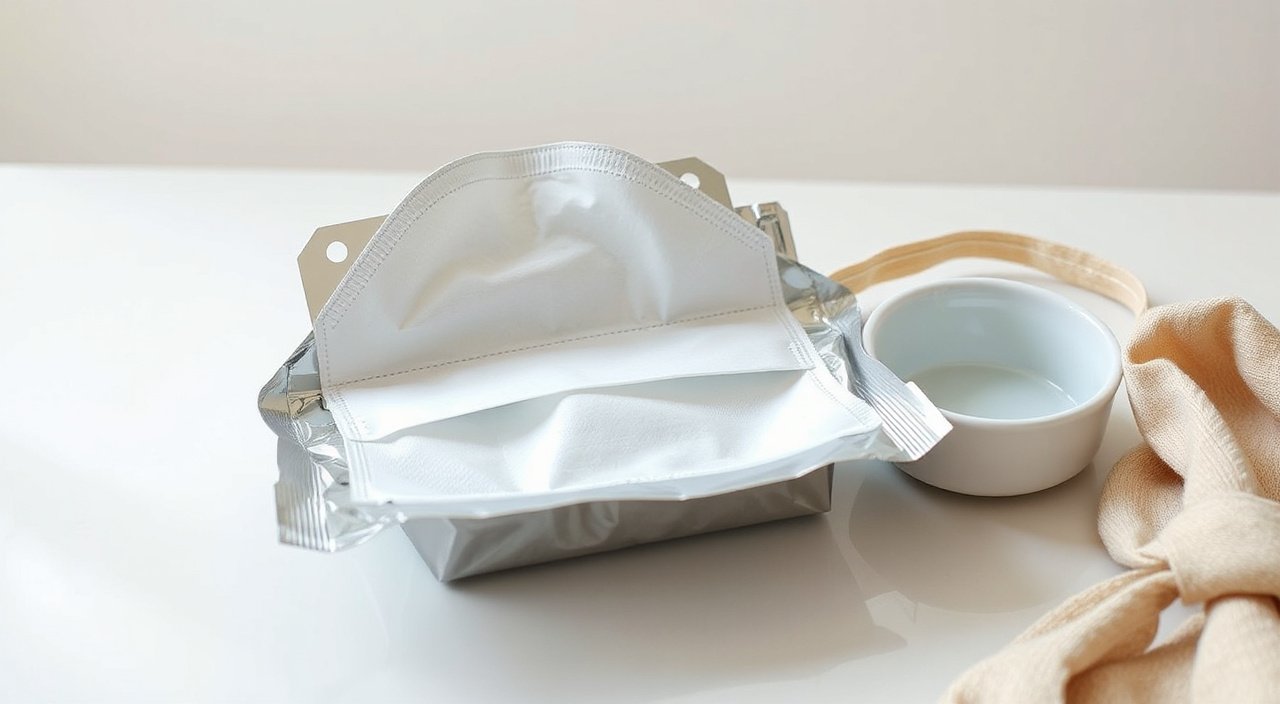
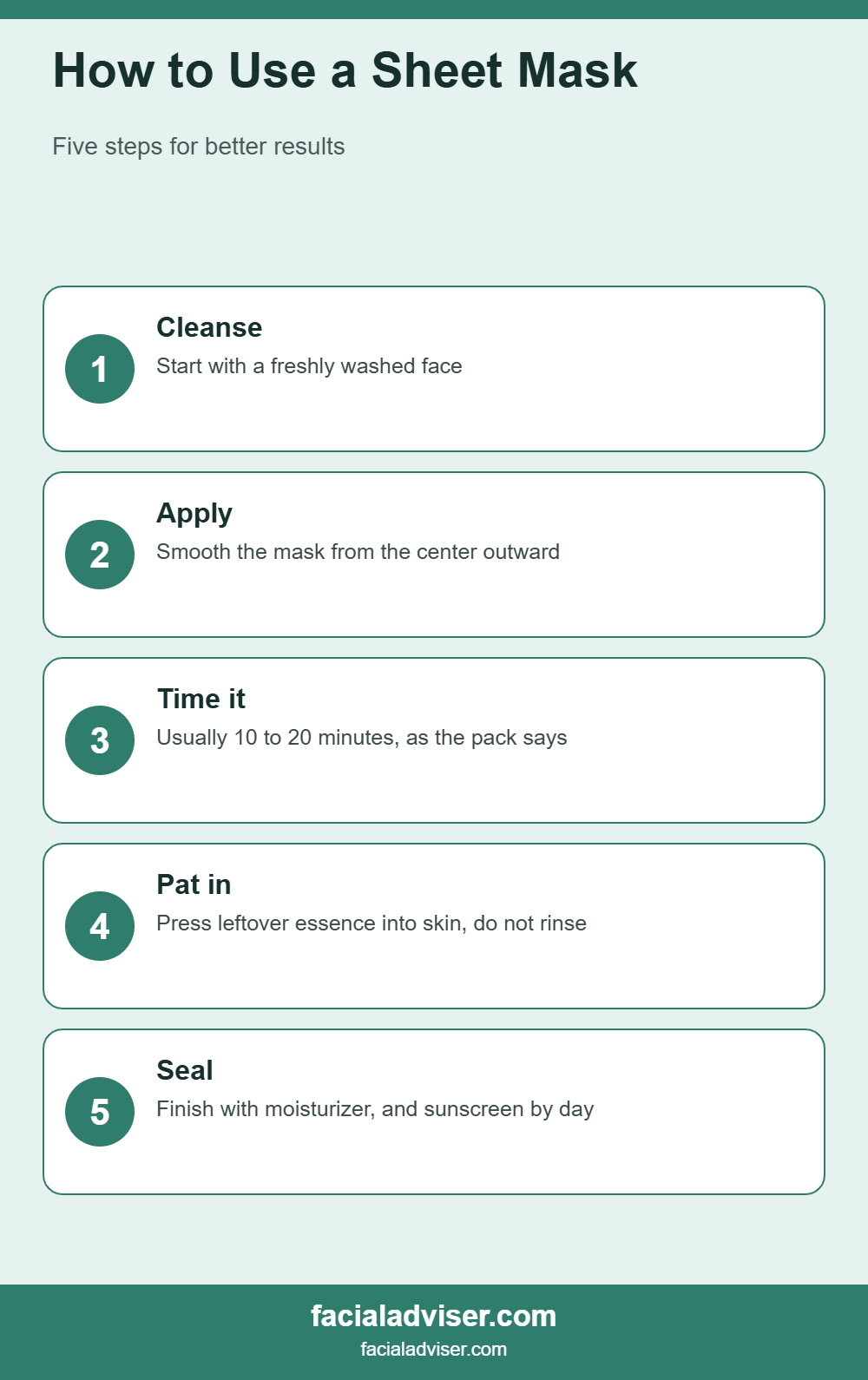
To use a sheet mask, cleanse your face first, then unfold the mask and smooth it over your skin from the center outward, lining up the eye and mouth openings. Leave it on for the time printed on the pack, usually 10 to 20 minutes, and remove it before it dries out. Pat the remaining essence into your skin without rinsing, then apply a moisturizer to seal it in. Use sunscreen afterward if it is daytime. One to three times a week is enough for most people.
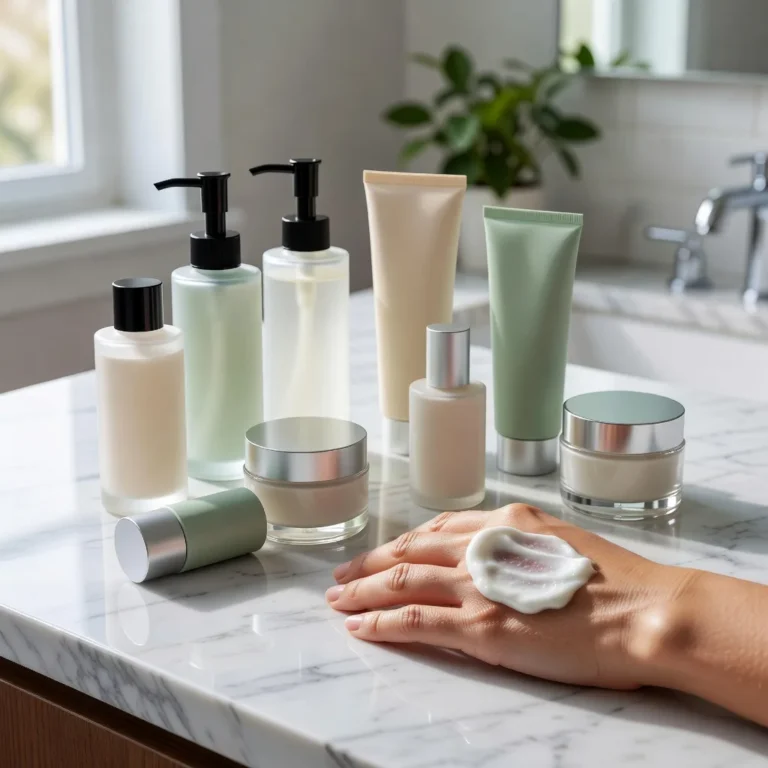
Recommended Sheet Masks and a Moisturizer to Seal Them In

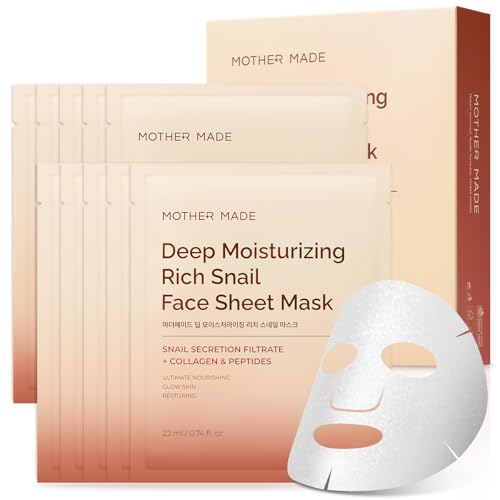
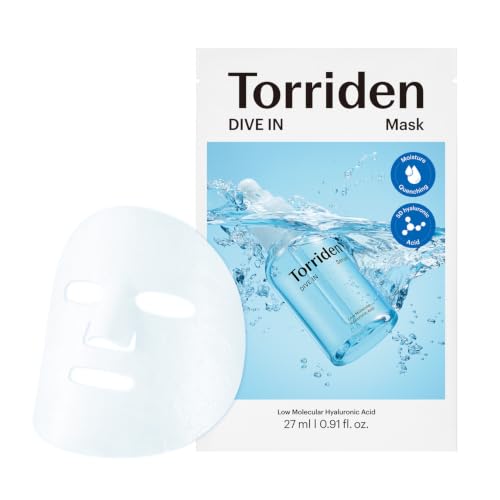

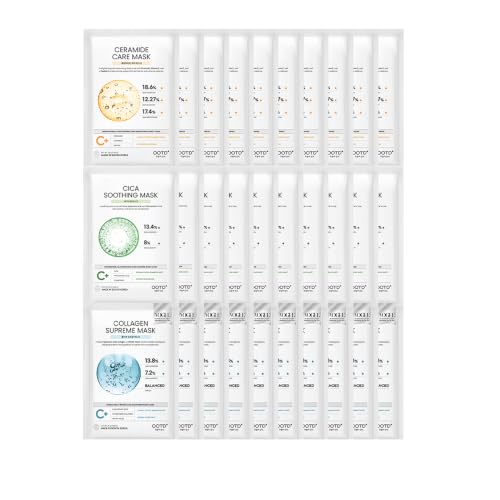

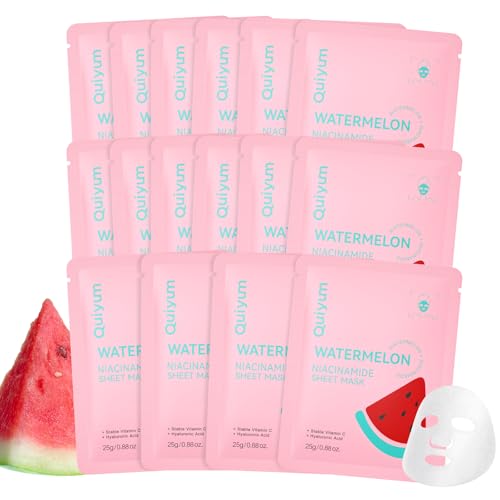
In short: clean skin, the stated time, pat in the essence, then moisturize.
Black Friday is coming: shop the deals with Prime
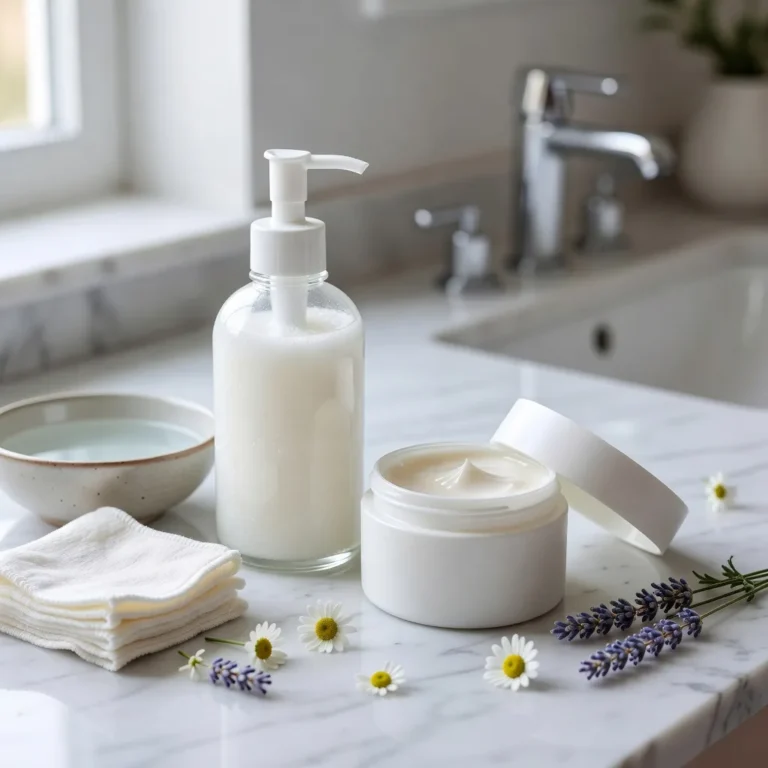
The American Academy of Dermatology advises applying moisturizer while skin is still slightly damp to help hold water in. A sheet mask leaves skin damp with essence, which is why following it with a moisturizer makes sense.
I am Rakib Sarwar, a registered pharmacist with a cosmetology course. This is general information, not medical advice. Disclosure: this post contains affiliate links, and the first sheet mask listed is part of an Amazon Creator Connections campaign that pays us a commission. As an Amazon Associate I earn from qualifying purchases.
What This Covers
- What a Sheet Mask Does
- Types of Sheet Mask and Who They Suit
- Where a Sheet Mask Fits in Your Routine
- How to Use a Sheet Mask: Step by Step
- How Long and How Often
- Do and Do Not for Sheet Masks
- Sensitive Skin and Safety
- What Results to Expect
- Honest Limits of This Guide
- When to See a Professional
- Common Questions
- Summing Up
Quick Answer
- Apply a sheet mask to clean skin, after cleansing and any toner.
- Follow the pack time, usually 10 to 20 minutes, and remove it before it dries.
- Pat leftover essence into the skin; do not rinse unless the pack says to.
- Seal with a moisturizer, and use sunscreen in the daytime.
- One to three times a week suits most skin; daily use is rarely needed.
- Patch test first if you have sensitive skin or react to fragrance.
What a Sheet Mask Does
The sheet works as a temporary cover. It keeps the essence against the skin and slows evaporation, so the outer layer of skin has time to take up water and humectants such as glycerin or hyaluronic acid.
Most of the effect is hydration. Skin can look plumper and feel softer for a few hours to a day afterward. This is pleasant, but it is a short-term change.
Some masks also contain ingredients such as niacinamide, vitamin C or centella. One short session delivers only a modest amount of these, so think of them as a supplement to your routine and not a replacement for a daily serum.
Sheet masks come in cotton, cellulose, hydrogel and bio-cellulose. The material changes how the mask clings and feels, but the essence matters more than the sheet.
Sheet masks became popular through Korean skincare routines, where they are used as a regular hydration step. The idea has spread widely because the format is tidy, portable and easy to use at home.
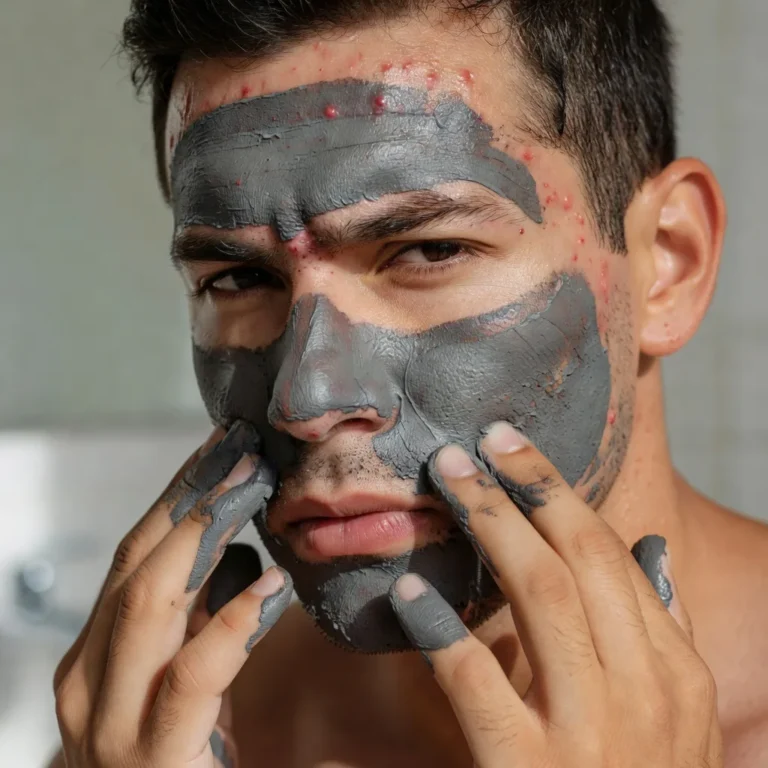
They differ from wash-off masks such as clay. A clay mask absorbs oil and is rinsed away, while a sheet mask adds water-binding ingredients and is left on the skin.
Types of Sheet Mask and Who They Suit
Choosing by skin need works better than choosing by packaging. This table gives a simple starting point.
| Main ingredient focus | Often chosen for | Notes |
|---|---|---|
| Hyaluronic acid or glycerin | Dry or dehydrated skin | Hydration is the main benefit |
| Niacinamide | Dullness and uneven tone | Generally well tolerated |
| Centella or panthenol | Skin that feels irritated | Soothing focus |
| Tea tree or salicylic acid | Oily, blemish-prone skin | Can be drying if overused |
| Vitamin C | Dull skin | May sting on sensitive skin |
Fragrance and alcohol are common in sheet masks. If your skin is reactive, look for fragrance-free options and check the ingredient list.
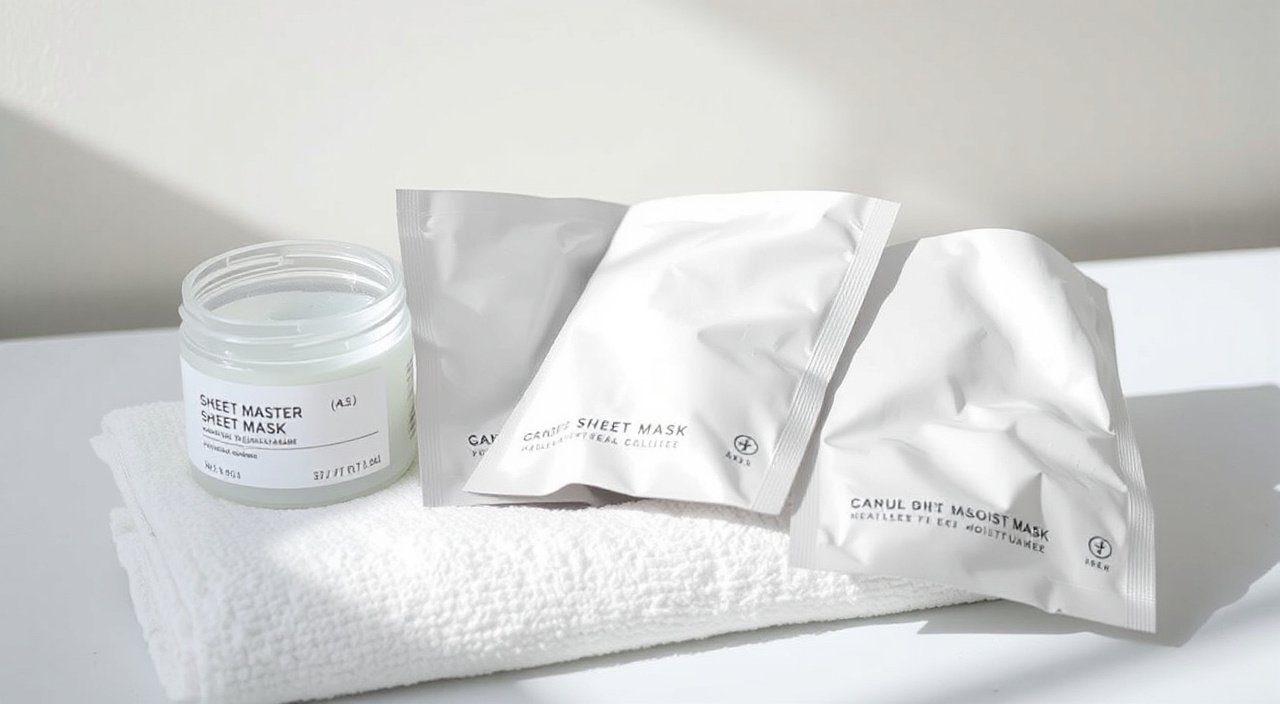
Pack size is worth a look as well. Multipacks usually cost less per mask, which matters if you plan to mask weekly. The QUIYUM watermelon niacinamide sheet mask 14-pack featured at the top of this guide is one option (paid link). Single sachets are useful for trying a formula before you commit.
Check the sheet shape if you have a smaller or larger face. A poor fit leaves gaps around the nose and jaw, and those areas get less contact with the essence.
For a wider comparison of products, see our list of the best under-eye patches if the eye area is your main concern.
Where a Sheet Mask Fits in Your Routine
A sheet mask goes after cleansing and before moisturizer. If you use a toner, apply it first.
| Step | Morning or evening | Purpose |
|---|---|---|
| 1. Cleanser | Either | Removes oil, sunscreen and makeup |
| 2. Toner (optional) | Either | Preps the skin |
| 3. Sheet mask | Either | Delivers hydration |
| 4. Serum (optional) | Either | Can be skipped on mask days |
| 5. Moisturizer | Either | Seals in the essence |
| 6. Sunscreen | Morning | Protects from UV |
Evening is the most popular time, because you can relax while the mask is on. Morning works too if you want a hydrated base before makeup.
If you also use a wash-off mask, do that first, rinse, and then apply the sheet mask. Using both on the same day is optional and can be too much for sensitive skin.
On days when you exfoliate, a simple hydrating sheet mask afterward can feel soothing. Keep it plain, and avoid masks that contain acids on those days.
Avoid layering a sheet mask over strong actives such as retinoids or exfoliating acids on the same night if your skin is sensitive. Covering them can increase irritation.
How to Use a Sheet Mask: Step by Step
Read the pack first, since timing and directions vary between products. These steps cover the usual method.
Cleanse
Wash your face with a gentle cleanser and pat it dry.
Tone if you wish
Apply your usual toner and let it settle.
Unfold the mask
Open the pouch, unfold the sheet and remove any backing film.
Position it
Line up the eye, nose and mouth openings, then smooth the sheet outward from the center so it sits flat.
Relax for the stated time
Leave it on for the time on the pack, usually 10 to 20 minutes. Lying back helps it stay in place.
Remove and pat in
Peel the mask off and gently pat the remaining essence into your face and neck. Do not rinse unless the pack says to.
Moisturize
Apply a moisturizer to seal in the hydration, and sunscreen if it is daytime.
Use any essence left in the pouch on your neck, chest or the backs of your hands.
Keep the pouch flat while you open it, and smooth the sheet with clean fingertips. Tugging at the mask is the usual reason it tears or sits unevenly.
How Long and How Often
Longer is not better. Once a sheet starts to dry, it can begin to draw moisture back out of the skin.
Take the mask off at the time stated on the pack, or sooner if it feels dry at the edges. Sleeping in a sheet mask is not recommended unless the product is designed for overnight wear.
One to three times a week is plenty for most people. Daily masking is rarely necessary and adds cost and waste.
If your skin feels sticky afterward, you may have used too much product on top. A light layer of moisturizer is usually enough.
Timing your mask is easy to forget. Setting a phone timer when you put it on avoids the common habit of leaving it on for half an hour while watching television.
Sheet masks are single-use. Reusing a sheet, or saving an opened mask for later, raises the risk of contamination.
Do and Do Not for Sheet Masks
A few habits make the difference between a nice result and wasted product.
Good Habits
- Apply to clean skin
- Follow the time on the pack
- Pat in the leftover essence
- Seal with moisturizer
- Store unopened masks in a cool, dry place
Common Mistakes
- Leave the mask on until it dries
- Rinse off the essence unless told to
- Reuse a mask
- Mask over broken or sunburned skin
- Share an opened mask
Some people chill masks in the fridge for a cooling feel. That is fine, but it does not change how well the ingredients work.
If your skin often feels tight or stings after masking, the formula may not suit you. Our guide on repairing the moisture barrier explains how to calm irritated skin.
Sensitive Skin and Safety
Sheet masks are generally low risk, but they do hold ingredients against the skin for longer than a quick product application.
Remove the mask and rinse with cool water if you feel burning, intense stinging or itching. See a doctor if you develop swelling, a rash or hives, since these can be signs of an allergic reaction.
If you have eczema, rosacea or a history of contact allergies, patch test first. Apply a little essence to the inner arm or behind the ear and wait a day.
Avoid masks with exfoliating acids or strong fragrance if your skin is already irritated. Simple hydrating formulas are a safer choice.
Pregnant or breastfeeding readers should check ingredient lists for retinoids and high-strength salicylic acid, and ask a doctor or pharmacist if unsure.
Do not use a sheet mask over open cuts, active cold sores or infected spots.
What Results to Expect
Expect softer, more hydrated-looking skin for a short time. That makes sheet masks handy before an event or after a long flight.
Do not expect a sheet mask to treat acne, wrinkles or pigmentation on its own. Those concerns respond better to consistent daily products and, where needed, professional treatment.
Some people notice small bumps or breakouts after masking. Heavy, fragranced or very rich formulas are more likely to cause this, so switch to a lighter mask or use them less often if it happens.
Climate plays a part too. In dry or heated indoor air the plumping effect fades faster, which is another reason to follow the mask with a moisturizer.
The benefit builds from routine, not from a single mask. A plain moisturizer used every day usually does more for the skin barrier than an occasional mask.
Honest Limits of This Guide
Research on sheet masks specifically is limited. Most of what is known comes from studies on occlusion and on individual ingredients, so claims on packaging should be read with some caution.
I have not tested the listed masks myself. They are research-based picks from widely reviewed listings. The first product is part of a paid Amazon campaign, as disclosed above, and it was included because its reviews met our usual bar.
Ingredients vary a lot between products, and formulas change. Always check the current ingredient list if you have allergies.
When to See a Professional
See a doctor or dermatologist if a mask causes a reaction that does not settle within a day or two, or if your skin is persistently dry, red or flaky despite gentle care.
A professional can check for conditions such as eczema or contact dermatitis and suggest suitable products.
This article is general educational information from a pharmacist and is not medical advice. It does not replace an examination by a doctor or dermatologist. Seek professional care for any skin reaction that is severe, spreading or not improving.
Common Questions
How long should I leave a sheet mask on?
Follow the pack, which is usually 10 to 20 minutes. Remove it before it dries, since a dry sheet can pull moisture back from the skin.
Should I wash my face after a sheet mask?
No, unless the pack says to. Pat the remaining essence into your skin and follow with a moisturizer.
How often should I use a sheet mask?
One to three times a week suits most people. Daily use is rarely needed.
Do I use a sheet mask before or after moisturizer?
Before. Apply the mask after cleansing and toner, then finish with moisturizer to seal in the hydration.
Can I use a sheet mask in the morning?
Yes. It can give a hydrated base before makeup. Follow with moisturizer and sunscreen.
Can I reuse a sheet mask?
No. Sheet masks are single-use. Reusing one risks contamination and it will hold little essence.
Is it okay to sleep in a sheet mask?
Not usually. Most sheets dry out and can leave skin drier. Only do so if the product is made for overnight wear.
What should I do with the leftover essence in the pouch?
Use it on your neck, chest or hands straight away. Do not store an opened pouch for later.
Are sheet masks good for sensitive skin?
They can be, if the formula is simple and fragrance-free. Patch test first and avoid masks with acids or strong fragrance.
Do sheet masks actually work?
They give a temporary boost in hydration and softness. They do not replace a daily routine or treat skin conditions.
Summing Up
Using a sheet mask is simple: cleanse, apply the mask, leave it on for the stated time, pat in the essence and moisturize. Taking it off before it dries is the step people most often miss.
Treat masking as a pleasant extra on top of a steady daily routine. If a mask stings or causes a rash, stop using it and ask a professional for advice.

Written by
Registered pharmacist and founder of Facial Adviser. Rakib's pharmacy training covers how skincare actives work and interact; a later course in cosmetology turned that into a focus on facial treatments and skincare products. He plans, researches and edits every guide on the site and checks health claims against sources such as the American Academy of Dermatology, the FDA and the NIH. He is not a dermatologist; see the Editorial Policy and Medical Disclaimer.
About · Editorial policy · How we choose products · Medical disclaimer · Contact
Prime for Young Adults: a longer free trial and a lower price after it