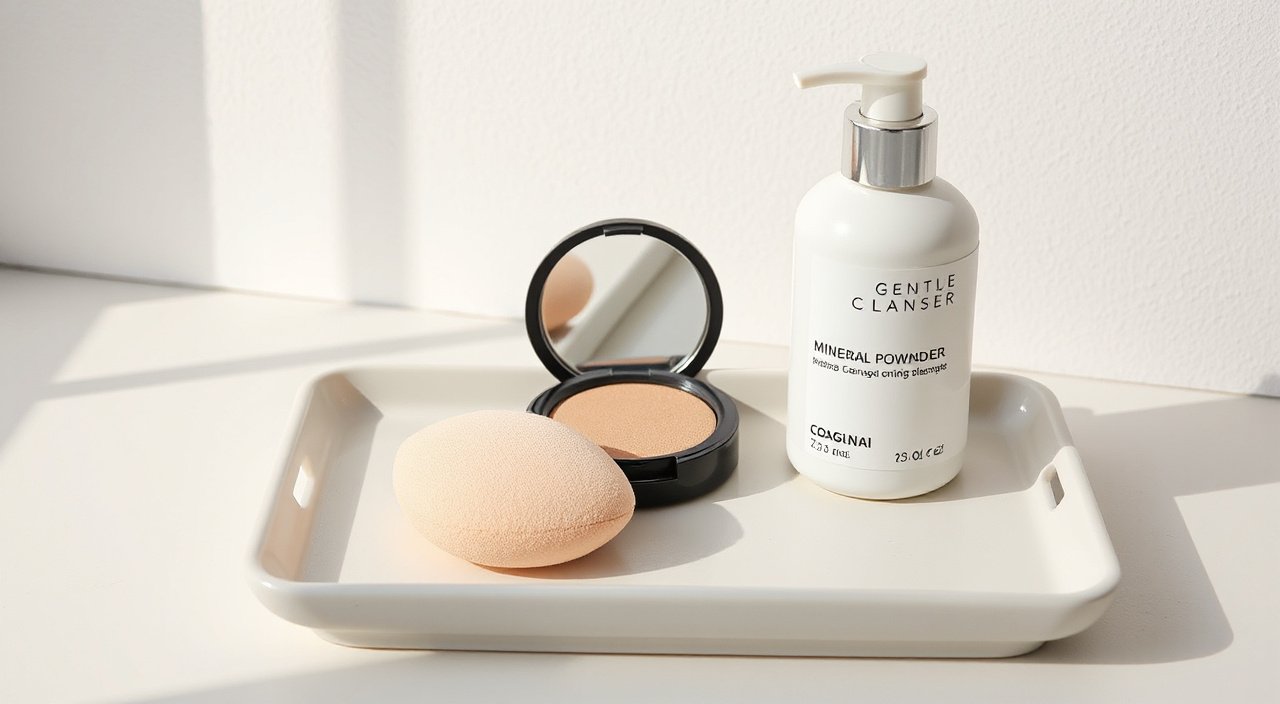
Makeup for Rosacea: Gentle Products and Application Tips
Rosacea makes the face red, flushed and easily irritated, and it can make makeup feel risky. The goal is to cover redness without adding ingredients or habits that trigger a flare. With the right prep, a few gentle formulas and a soft touch, many people with rosacea wear makeup comfortably.
Part of our guide to makeup how-to. Start with: How to Properly Put On Face Makeup: The Right Order, Step by Step
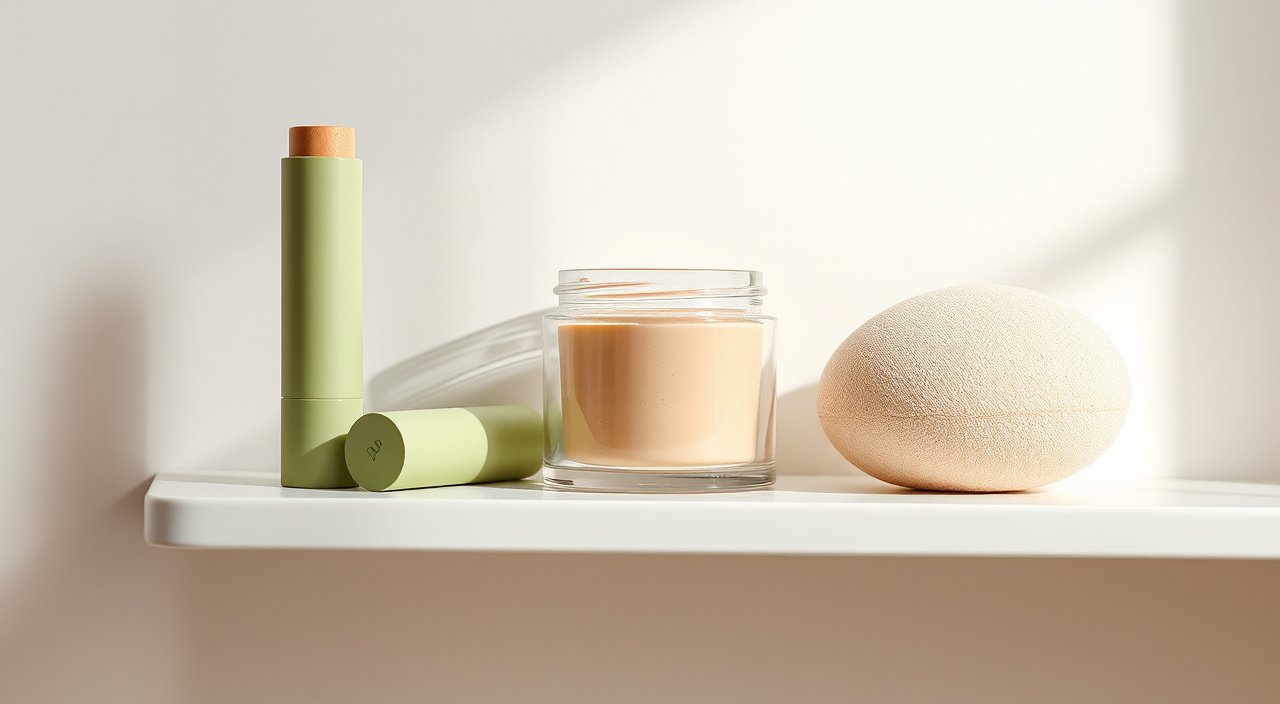
Many people also worry that makeup will hide early warning signs. That is a fair concern, so keep an eye on how your skin looks without makeup too, and take photos in natural light so you can show your doctor how your flare-ups change over time.
This guide explains how to prepare rosacea-prone skin, which types of makeup tend to be better tolerated and how to color-correct redness with green tones. It also covers application tools, what to avoid and when to talk to a doctor.
Black Friday is coming: shop the deals with Prime
I am Rakib Sarwar, a registered pharmacist with a cosmetology course. I am not a dermatologist, and this article is general education. Rosacea needs a medical diagnosis and often prescription treatment, so makeup is a cosmetic add-on and not a treatment.
Triggers differ from person to person. Heat, sun, alcohol, spicy food, harsh scrubs and fragrance are common ones. Because of that, the safest approach is to introduce one new product at a time and watch how your skin reacts over several days.
Below you will find a simple step-by-step routine, product ideas that fit the gentle approach, honest limits and signs that you should see a professional. For sun protection under makeup, our guide to reapplying sunscreen over makeup is a useful companion.
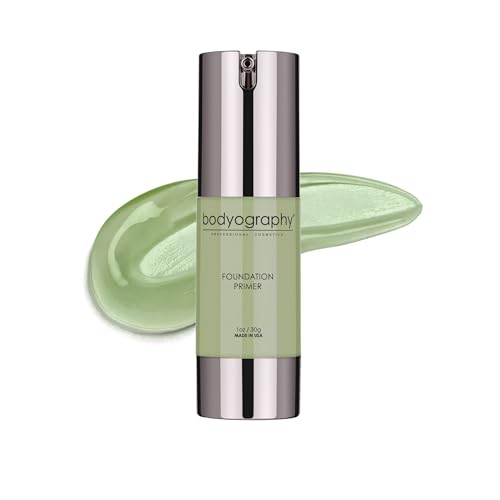
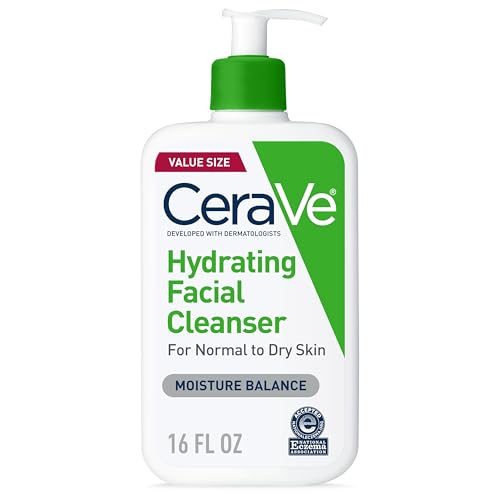
Gentle Products to Consider for Rosacea-Prone Skin

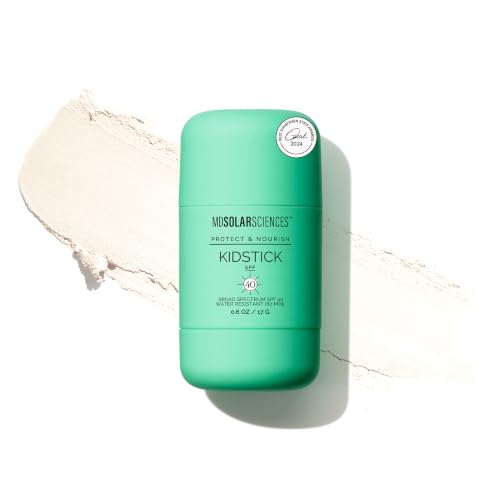


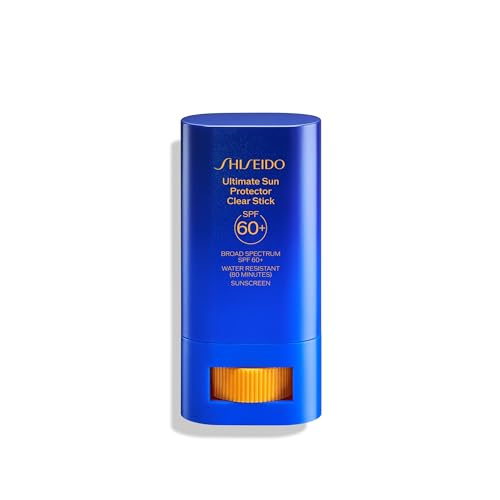
What This Covers
- Why Rosacea-Prone Skin Needs a Different Approach
- Prepping the Skin Before Makeup
- Color Correcting Redness With Green
- Types of Makeup That Tend to Be Gentler
- How to Choose Products
- How to Apply Makeup on Rosacea-Prone Skin
- Tools That Are Kinder to Reactive Skin
- Removing Makeup Gently
- Common Triggers and Mistakes to Avoid
- Honest Limits
- When to See a Professional
- FAQ
- Summing Up
Key Takeaways
- Treat rosacea medically first; makeup only covers redness.
- Prep with a gentle cleanser, moisturizer and a mineral sunscreen.
- Green-toned primers or correctors can neutralize redness.
- Choose fragrance-free formulas and patch test new products.
- Use clean fingers or a soft sponge and avoid rubbing.
- Remove makeup gently and never scrub.
Why Rosacea-Prone Skin Needs a Different Approach
Rosacea skin has a fragile barrier and blood vessels that react quickly to heat, friction and some ingredients. Cosmetics that sting, tingle or contain strong fragrance can cause burning or flushing in this skin type. Removing makeup roughly can also trigger redness.
Rosacea comes in several forms. Some people mainly flush and stay red across the cheeks and nose, while others also get small bumps or visible blood vessels. Each pattern reacts differently to products, so what helps one person may not suit another.
Because the skin barrier is often weakened, ingredients that are fine for most people can sting. Even a rich moisturizer can feel heavy, and some cosmetics contain preservatives or fragrance compounds that irritate. That is why simple, short ingredient lists are a sensible starting point.
The aim is not full coverage at any cost. It is a comfortable, breathable finish that evens out redness and respects the skin barrier.
Rosacea can look like acne, eczema or other conditions. A doctor can confirm the diagnosis.
Prepping the Skin Before Makeup
Good prep helps makeup sit smoothly and lowers friction. Use a mild, fragrance-free cleanser with lukewarm water, pat dry, and apply a simple moisturizer. Give each layer a minute to settle before the next.
Wait a few minutes between steps. Rushing from moisturizer to sunscreen to makeup can make products pill or slide, which tempts you to rub. Patience here saves your skin from friction.
If your doctor prescribed a topical treatment, apply it first as directed and let it absorb before cosmetics. Ask your doctor or pharmacist whether any makeup step should be changed, especially if the treatment makes skin dry or sensitive.
A mineral sunscreen is the most important step, since sun exposure is a classic trigger. Zinc oxide and titanium dioxide are usually better tolerated than chemical filters on sensitive skin, though individual reactions vary.
| Step | What to look for | Why |
|---|---|---|
| Cleanser | Mild, fragrance-free | Avoids stripping the barrier |
| Moisturizer | Ceramides, simple formula | Supports the skin barrier |
| Sunscreen | Mineral, SPF 30 or higher | Sun is a common trigger |
| Primer | Green-toned, silicone-light | Softens visible redness |
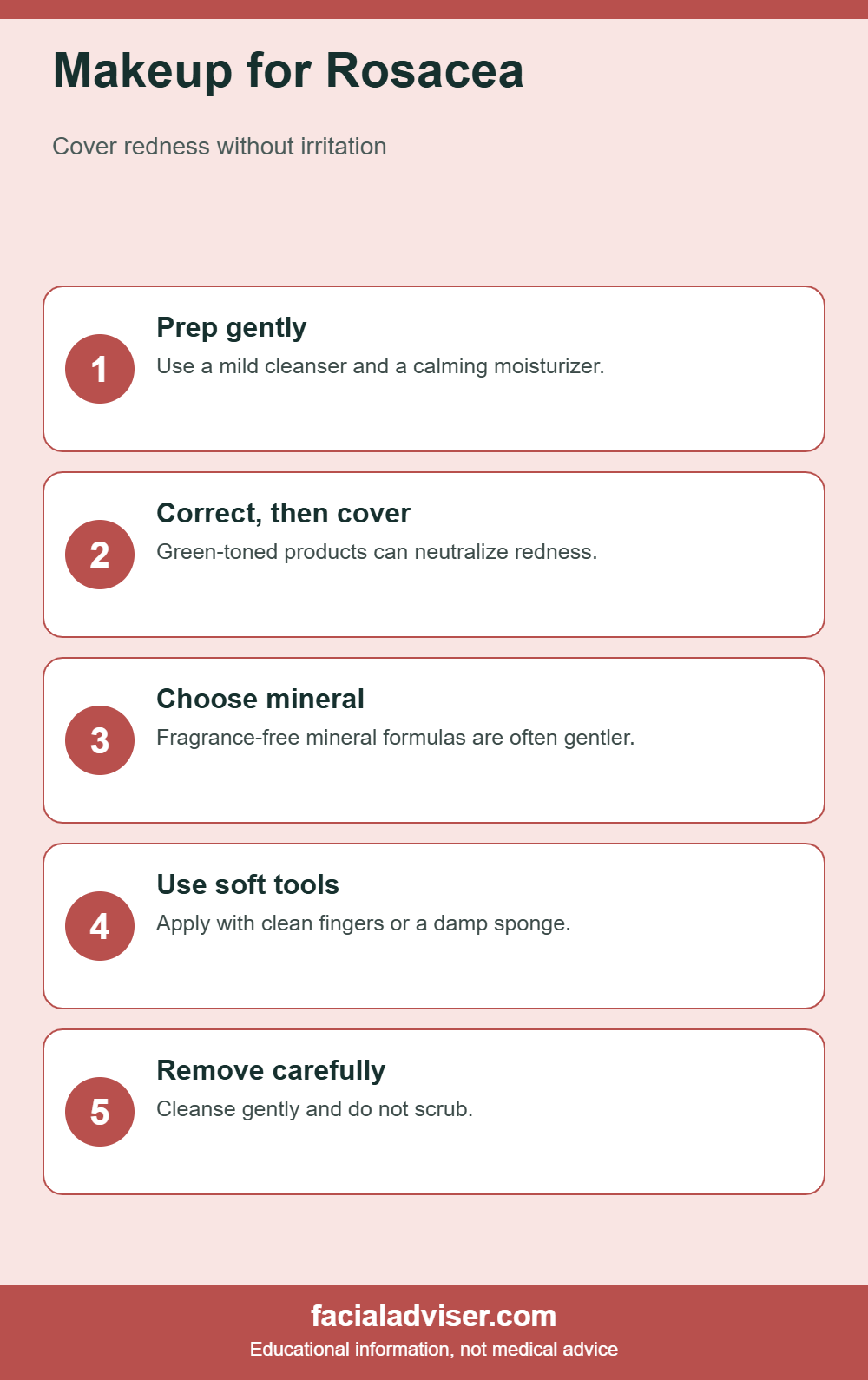
Color Correcting Redness With Green
Green sits opposite red on the color wheel, so a thin layer of green primer or corrector can neutralize redness before foundation. Apply it only where you see redness, such as the cheeks and around the nose, and blend with a clean fingertip.
Corrector colors can be confusing. Green helps with red, but yellow-toned products can help with the purple or blue tones of visible veins, and a tint close to your own skin shade finishes the look. Most people only need green and one tinted layer.
Check your results in daylight near a window. Artificial bathroom light can make green look stronger than it is, and daylight shows whether the redness is truly softened or just covered in a visible patch.
Too much green can look gray or muddy. Start with a tiny amount and build only if needed.
Dot green product only on red areas, then blend the edges outward so there is no visible line.
Types of Makeup That Tend to Be Gentler
Mineral and lightweight tinted formulas are often easier on reactive skin because they have fewer ingredients and less fragrance. A tinted mineral sunscreen can replace foundation on light-coverage days.
Cream and stick formulas tend to blend with fingers, which is gentler than brushes. Powders can look flat and sometimes feel drying on rosacea skin, so use them only where you get shiny, such as the forehead and chin.
Tinted sunscreens are especially handy because they combine protection and coverage in one thin layer. Look for mineral filters and check that the shade matches your neck, since some tints leave a visible line.
Heavy, long-wear or full-coverage formulas can feel occlusive and need stronger removal. Cream products applied with fingers are usually gentler than powders applied with a stiff brush.
| Product type | Pros | Watch out for |
|---|---|---|
| Tinted mineral sunscreen | Sun protection and light coverage | Limited shade range |
| Green primer | Neutralizes redness | Can look gray if overused |
| Mineral powder | Lightweight finish | Can feel drying |
| Liquid foundation | Even coverage | Heavier to remove |
How to Choose Products
Read ingredient lists for fragrance, essential oils, alcohol denat., menthol and strong exfoliating acids, which are common irritants. Look for the phrases fragrance-free and non-comedogenic, but remember that labels are not a guarantee for every person.
Price is not a reliable guide. Some drugstore formulas are fragrance-free and simple, while some luxury ones contain essential oils. Always read the actual ingredient list instead of trusting a marketing phrase like gentle or dermatologist tested.
If you react to a product, note its name and main ingredients. Over time you will see patterns, such as reacting to certain preservatives or to menthol, and you can avoid them in the future.
Patch test any new product on the jawline or behind the ear for several days before using it on the cheeks.
Do
- Fragrance-free formulas
- Mineral sunscreen
- Soft sponges and clean fingers
Don’t
- Menthol, camphor or peppermint
- Alcohol-heavy products
- Stiff brushes and scrubbing
How to Apply Makeup on Rosacea-Prone Skin
Work in a cool room, away from steam. Wash your hands first. Apply thin layers and let each layer dry before the next.
Cool the skin first if you are flushed. Wait until redness settles before applying makeup, because product put on hot, inflamed skin can feel irritating and may look uneven once the flush fades.
If you feel any warmth or tingling after applying a product, remove it gently and skip it next time. A little warmth from friction is normal, but burning is not.
Cleanse and moisturize
Use a mild cleanser, pat dry and apply a simple moisturizer.
Apply mineral sunscreen
Smooth on sunscreen and wait a couple of minutes.
Neutralize redness
Dot a little green primer on red areas and blend gently.
Add light coverage
Use a tint or foundation with a clean finger or damp sponge.
Set only if needed
Use a small amount of loose mineral powder on the T-zone.
Stop using any product that causes burning, stinging or swelling, and see a doctor if symptoms persist.
Tools That Are Kinder to Reactive Skin
Soft, clean tools reduce friction. A damp beauty sponge presses product in without dragging the skin. Wash sponges and brushes weekly, because bacteria and old product can irritate sensitive skin.
Disposable cotton pads and clean fingertips are fine for most steps. If you use a brush, choose a very soft one with synthetic bristles and wash it often with a mild soap, then dry it fully before use.
Store tools in a clean, dry place, not in a humid bathroom where bacteria and mold can grow. Replace sponges every month or two, or sooner if they smell or crumble.
Avoid rubbing, stippling hard or using rough pads. Patting in light layers is better than buffing.
Removing Makeup Gently
Skip rough wipes. A cream cleanser or gentle balm removes most makeup without much friction. Hold a soft cloth soaked in lukewarm water on the face for a few seconds, then wipe lightly.
Give cleansing balm or cream a minute to dissolve makeup before you rinse. This lowers the need to rub and keeps the barrier intact, which matters most at the end of a long day when skin is already tired.
Pat dry with a soft towel, then apply moisturizer while the skin is still slightly damp to support comfort.
Use lukewarm, not hot, water. Hot water can trigger flushing. Follow with a simple moisturizer.
Common Triggers and Mistakes to Avoid
Frequent mistakes include scrubbing, using hot water, layering many new products at once and picking products with fragrance. Skipping sunscreen also invites flare-ups.
Hot showers, saunas and spicy meals are classic triggers, and so is alcohol. Makeup cannot protect you from these, so plan your look around events where you know you may flush, using lighter coverage that will not look cakey when you warm up.
Strong winds, cold air and sudden temperature changes also flare rosacea. A scarf and a thin barrier moisturizer are small steps that help.
| Mistake | Better choice |
|---|---|
| Hot water | Lukewarm water |
| Scrubs | Gentle cleanser |
| Many new products | One new product at a time |
| Fragranced makeup | Fragrance-free options |
Honest Limits
No makeup treats rosacea. Some products can cover redness but cannot change blood vessels or inflammation. Reactions are personal, so a product that works for one person may bother another.
Results also vary with the weather and your stress levels. A routine that works in winter may feel heavy in summer, so be ready to adjust the amount and type of product with the seasons.
If makeup keeps stinging even with simple formulas, take a break and speak to a professional, since treating the underlying inflammation may help more than changing cosmetics.
Green correctors also look different in strong light and on deeper skin tones, where too much can look ashy.
When to See a Professional
See a doctor or dermatologist if you have persistent redness, bumps, eye irritation, thickening skin or flare-ups that do not settle. Prescription options can help far more than makeup.
This article is educational and not medical advice. The author is a registered pharmacist, not a dermatologist, and cannot diagnose rosacea.
FAQ
Can I wear makeup with rosacea?
Many people can, if they choose gentle, fragrance-free products and apply them with a light touch.
Does green primer really work?
Green neutralizes red tones in color theory and can soften visible redness when used in small amounts.
Is mineral makeup better for rosacea?
It is often better tolerated because formulas are simpler, but reactions vary.
Should I wear sunscreen under makeup?
Yes. Sun is a common trigger, so a mineral sunscreen is a good base.
Can makeup make rosacea worse?
Irritating ingredients, rubbing and hot water can. Gentle products and technique help.
How do I remove makeup with rosacea?
Use a mild cream cleanser or balm and lukewarm water, with no scrubbing.
Is full-coverage foundation okay?
It can be, but heavy formulas may feel occlusive and need harsher removal.
How do I patch test a product?
Apply a small amount on the jawline for several days before the cheeks.
Do I need to avoid all fragrance?
Fragrance is a common trigger, so fragrance-free is the safer choice.
When should I see a doctor?
See one if redness persists, bumps appear or your eyes feel irritated.
Summing Up
Makeup for rosacea works best when it is gentle, simple and layered lightly. Start with sunscreen, correct redness only where needed and add one new product at a time.
Rosacea is a medical condition, so talk with a doctor about treatment while using makeup to cover redness comfortably.

Written by
Registered pharmacist and founder of Facial Adviser. Rakib's pharmacy training covers how skincare actives work and interact; a later course in cosmetology turned that into a focus on facial treatments and skincare products. He plans, researches and edits every guide on the site and checks health claims against sources such as the American Academy of Dermatology, the FDA and the NIH. He is not a dermatologist; see the Editorial Policy and Medical Disclaimer.
About · Editorial policy · How we choose products · Medical disclaimer · Contact
Keep reading: Makeup basics and skin
- How to Properly Put On Face Makeup: The Right Order, Step by Step
- How to Remove Halloween Makeup Without Wrecking Your Skin
- How to Calm Your Skin After Halloween Makeup
- Makeup or Hair First? The Real Chemistry Behind It
- Makeup vs No Makeup: Does Wearing It Damage Skin?
- Why Can't I Wear Makeup After Botox?
- Best Way to Use Makeup Remover: Micellar Water, Balms, Oils and Eye Removers
- How to Choose Lipstick Shade: Undertone, Skin Tone and Testing Tips
Build a spa-like routine with ad-free music