Can You Wear Makeup While Using Retinol? Rules That Protect Your Skin
Retinol is one of the most useful skincare ingredients, but it can leave the skin dry, flaky and sensitive, especially in the first weeks. That raises a common question. Yes, you can wear makeup while using retinol, as long as you apply retinol at the right time and treat your skin gently.
Part of our guide to makeup how-to. Start with: How to Properly Put On Face Makeup: The Right Order, Step by Step
Many people worry that makeup will clog pores or reduce retinol results. In practice, the bigger risks are irritation, sun damage and aggressive removal, which are all easy to manage with a gentler routine.
This guide explains when to use retinol relative to makeup, why sunscreen matters more than ever and how to hide dryness and flaking without making them worse. It also covers what to avoid and which gentle products may help the routine.
Black Friday is coming: shop the deals with Prime
I am Rakib Sarwar, a registered pharmacist with a cosmetology course. I am not a dermatologist, and this article is educational only. If a doctor prescribed tretinoin or another retinoid, follow that plan first and ask your prescriber before changing it.
Most people use retinol at night, so makeup and retinol rarely meet on the same skin. The challenge is the morning after, when skin can look dry, red or textured and foundation can cling to flakes. A few simple habits make that much easier.
Below you will find a simple routine, a short product list, honest limits and signs that you should see a professional. For adjusting to a stronger retinoid, our guide to tretinoin purge is also helpful.
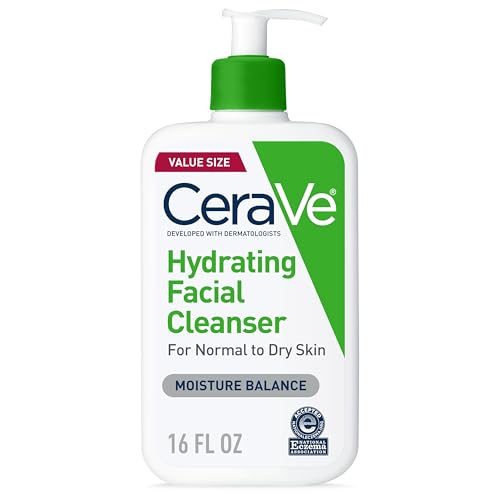
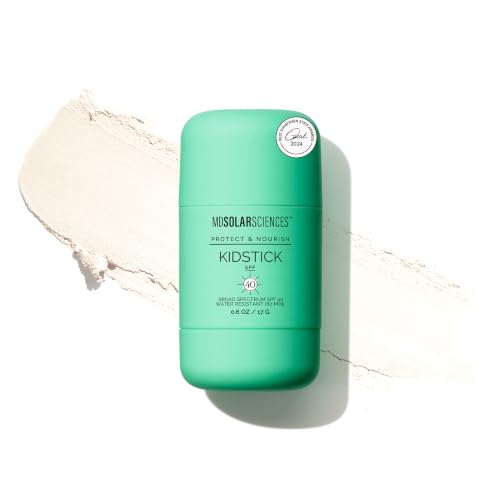
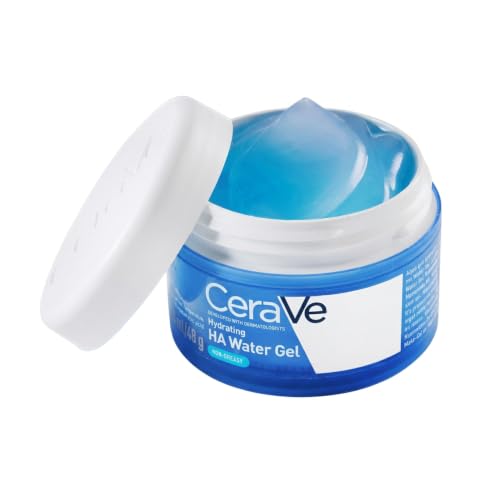
Gentle Products to Pair With Retinol and Makeup




Jump to a Section
- Why Retinol and Makeup Need a Plan
- When to Apply Retinol Relative to Makeup
- Sunscreen Comes First
- Prepping Skin for Makeup While on Retinol
- Which Makeup Works Best
- How to Wear Makeup While Using Retinol
- Removing Makeup Gently
- Common Mistakes to Avoid
- Honest Limits
- When to See a Professional
- Your Questions, Answered
- The Bottom Line
What to Know First
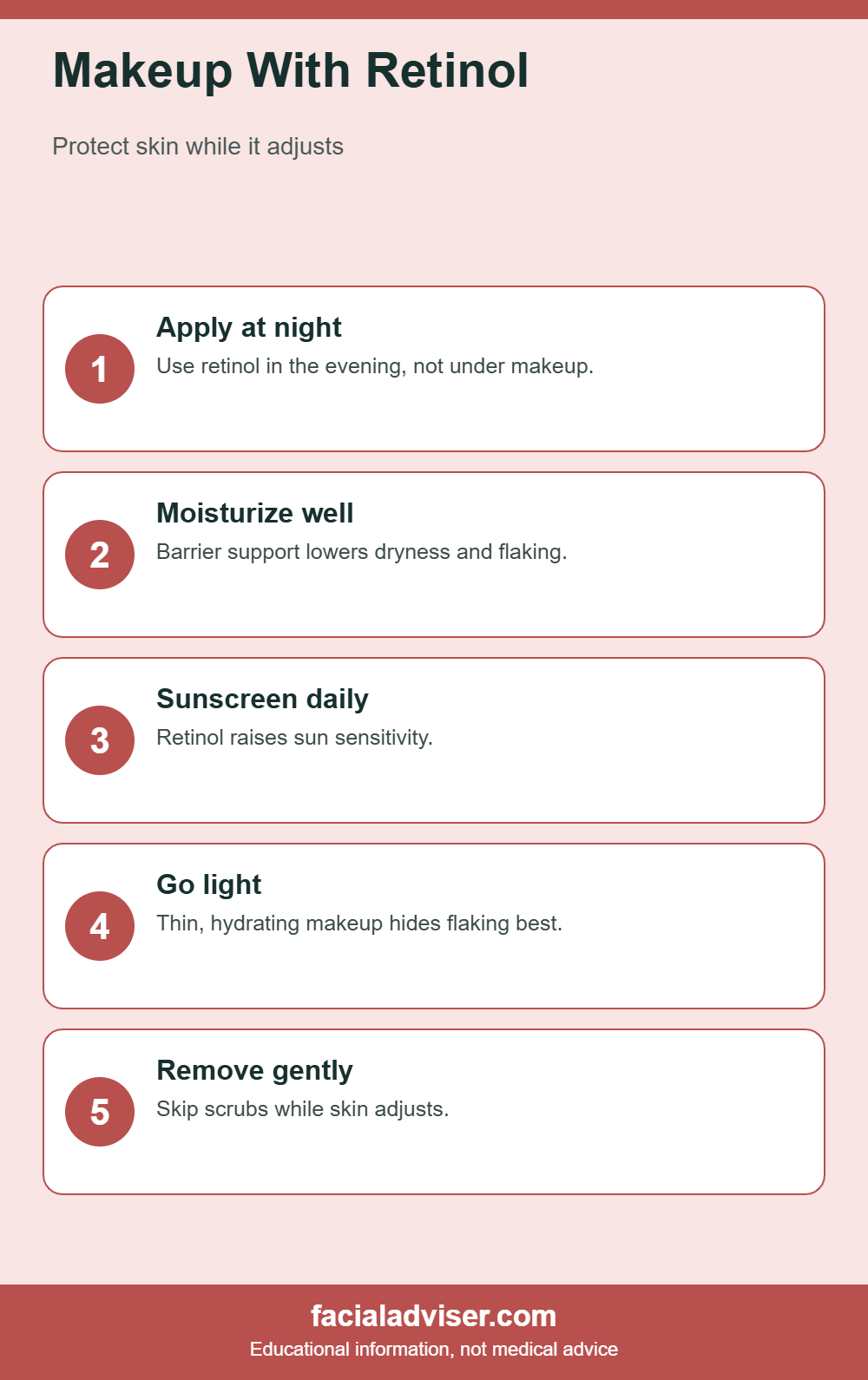
- Apply retinol at night, not under daytime makeup.
- Use sunscreen every morning because retinol raises sun sensitivity.
- Moisturize well so makeup does not cling to flakes.
- Choose thin, hydrating makeup over heavy, matte formulas.
- Skip scrubs and rough tools while skin adjusts.
- Ask a doctor if redness, burning or peeling is severe.
Why Retinol and Makeup Need a Plan
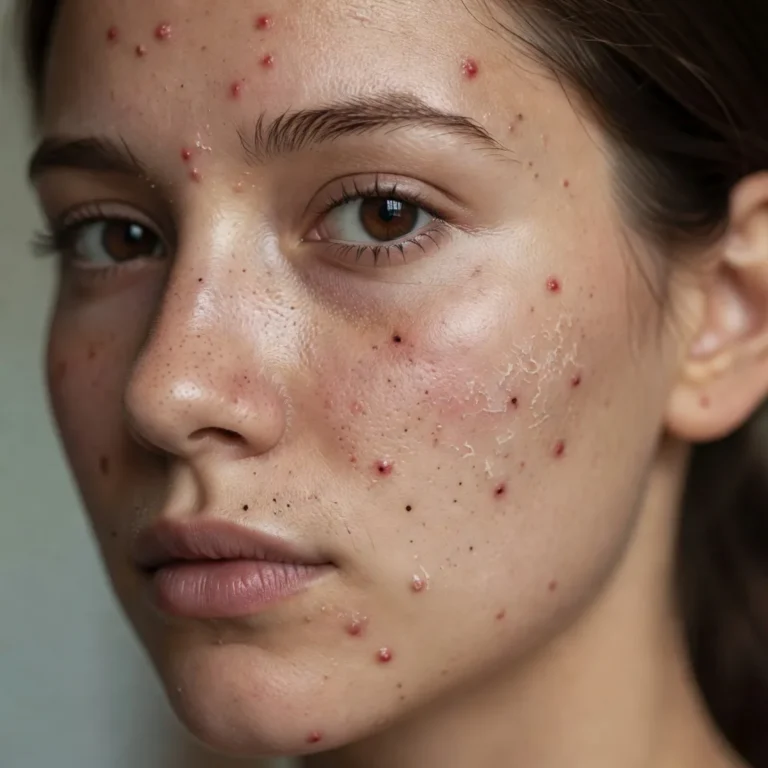
Retinol speeds up skin cell turnover. That is why it helps with fine lines, texture and breakouts, but it also thins the surface layer for a while. Skin can feel tight, look flaky and react to products that were fine before.
Retinoids come in several strengths. Over-the-counter retinol is gentler than prescription tretinoin, and the first weeks often bring dryness, mild redness and small bumps as skin adjusts. This stage is often called retinization.
If you see worsening irritation, spacing out nights and using more moisturizer often helps. Pausing for a few days is better than pushing through burning skin.
Makeup is not harmful on its own, but heavy or drying formulas and rough removal can make irritation worse. Planning timing and texture keeps the skin barrier calm while retinol does its work.
If a doctor prescribed a retinoid, follow their directions on timing and strength.
When to Apply Retinol Relative to Makeup
The simplest rule is to use retinol at night on clean, dry skin, then moisturize. In the morning, cleanse gently, moisturize, apply sunscreen and then makeup. Retinol and makeup are not meant to share the same layer.
Plan special events around your retinol schedule. If you have a wedding or photo shoot, skip retinol for two or three nights beforehand so the skin looks calmer, and restart afterward.
Never apply extra retinol to speed up results. More is not better and often only brings irritation.
Some people like the sandwich method, which means moisturizer, retinol, then moisturizer again. This can soften the sting, but it also reduces strength a little, which is helpful when starting out.
Wait about ten to twenty minutes after washing before applying retinol. Skin that is slightly damp can absorb more product and sting more.
Avoid applying retinol in the morning under makeup. Retinol breaks down in light, can be more irritating when mixed with other products and increases your sun sensitivity during the day.
| Time | Step | Why |
|---|---|---|
| Night | Cleanse, retinol, moisturizer | Retinol works while you sleep |
| Morning | Gentle cleanse, moisturizer | Calm and prep the skin |
| Morning | Sunscreen, then makeup | Daily protection is essential |
| Evening | Remove makeup gently | Avoid scrubbing irritated skin |
Sunscreen Comes First
Retinol can make skin more sensitive to sunlight, so daily sunscreen matters. A mineral sunscreen is often better tolerated on irritated skin than some chemical filters, though reactions vary. Apply it before makeup and reapply as directed.
Even on cloudy days, UV reaches the skin, so make sunscreen a daily habit. Windows also let UVA through, so wear it indoors if you sit near a window.
If you notice new dark spots appearing while you use retinol, tell your doctor. Sun protection and gentle care are the first steps.
Wear a hat and seek shade when you can. Retinol does not make you burn instantly, but UV exposure can undo benefits and increase the risk of dark spots, especially on skin that is already inflamed.
Check the sunscreen label for broad-spectrum protection and SPF 30 or higher. Reapply every two hours outdoors.
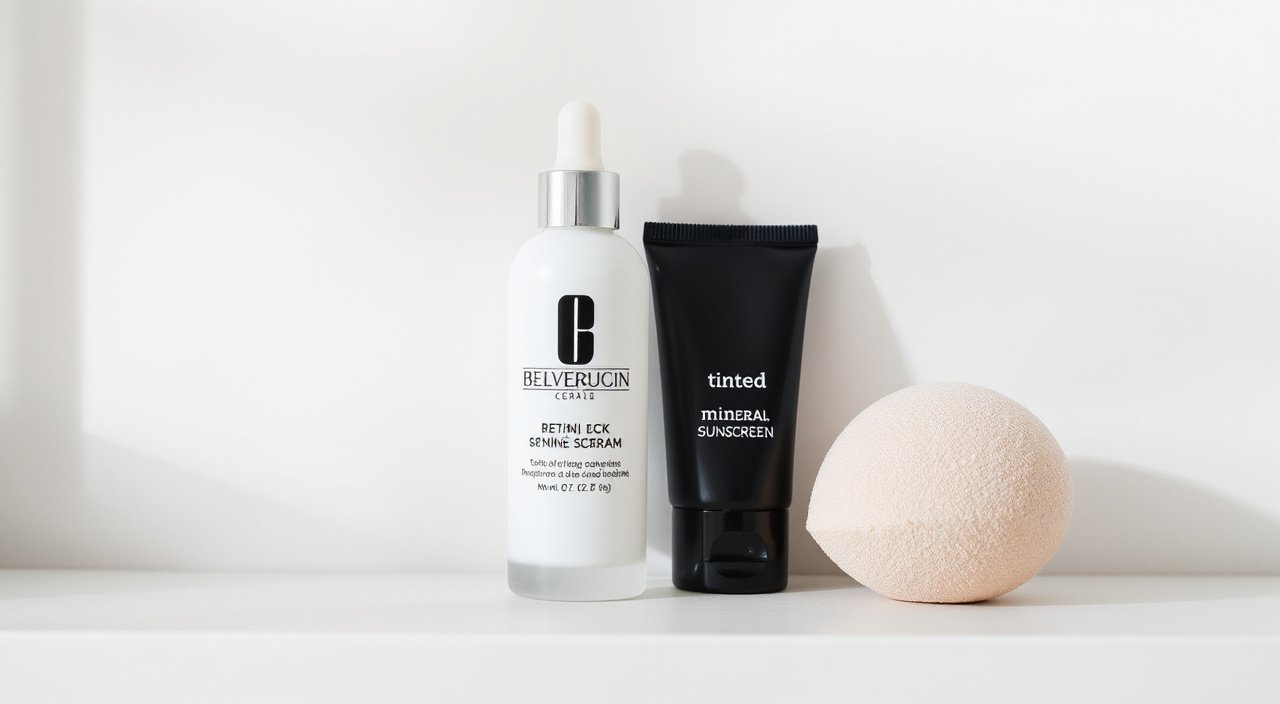
If you wear makeup, a sunscreen stick or a tinted mineral sunscreen is a practical way to top up protection. Our guide to reapplying sunscreen over makeup explains how.
Use a thin layer of tinted mineral sunscreen as your base. It protects and evens tone in one step.
Prepping Skin for Makeup While on Retinol
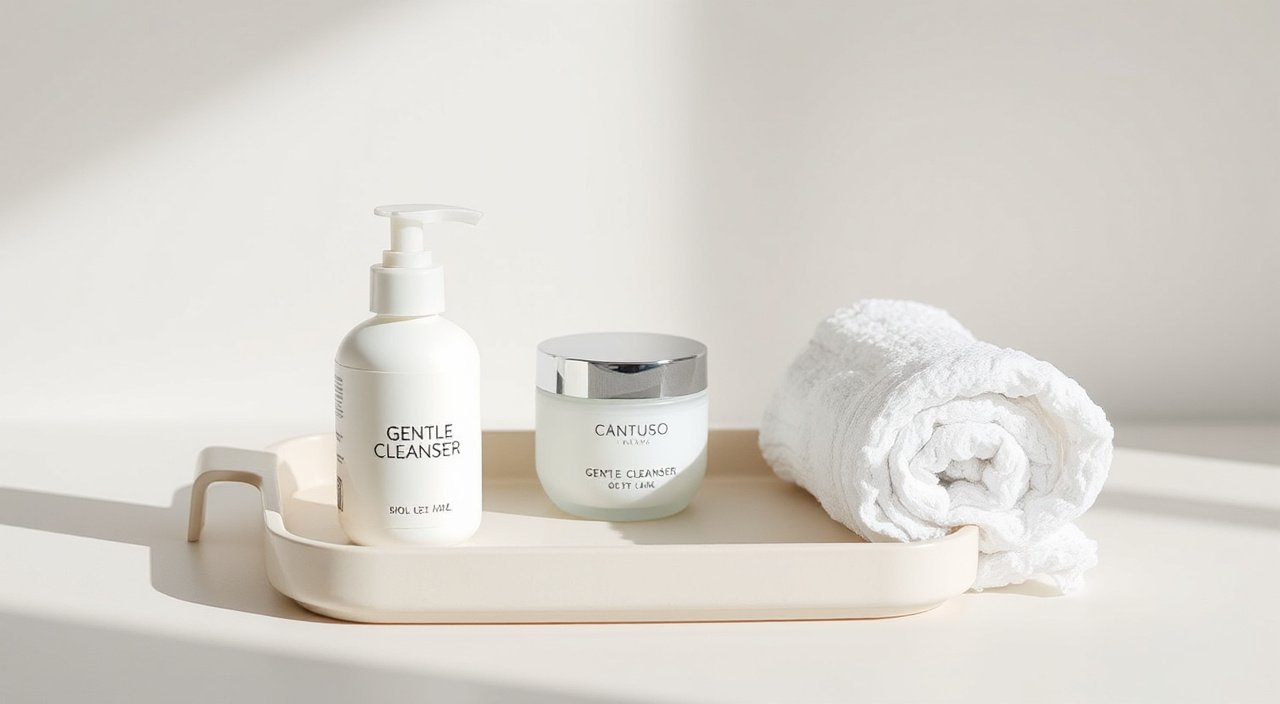
Dryness is the biggest issue. Use a gentle, non-foaming cleanser, pat the skin dry and apply a simple moisturizer with ceramides. Give it a few minutes to absorb before you add anything else.
Lip and eye areas also get dry on retinol. Use a gentle balm on lips and a plain eye cream if the skin around your eyes feels tight, and keep retinol away from the lids and corners of the eyes unless your doctor says otherwise.
Check the corners of the nose and mouth too, where flaking often shows first. A tiny bit of occlusive balm can help before makeup.
Consider a hydrating mist or a light gel moisturizer before foundation if your skin feels tight. Press it in with your palms instead of rubbing.
If your skin is oily, a lightweight water gel is better than a rich cream. Heavy creams can make makeup slide.
If you see flakes, do not scrub them. Moisturize and let them shed naturally. Exfoliating on top of retinol can cause redness and burning.
| Concern | What helps | What to avoid |
|---|---|---|
| Dryness | Ceramide moisturizer | Alcohol-heavy toners |
| Flaking | Gentle hydration | Scrubs and rough cloths |
| Redness | Fragrance-free products | Menthol and strong acids |
| Tightness | Humectants such as glycerin | Hot water |
Which Makeup Works Best
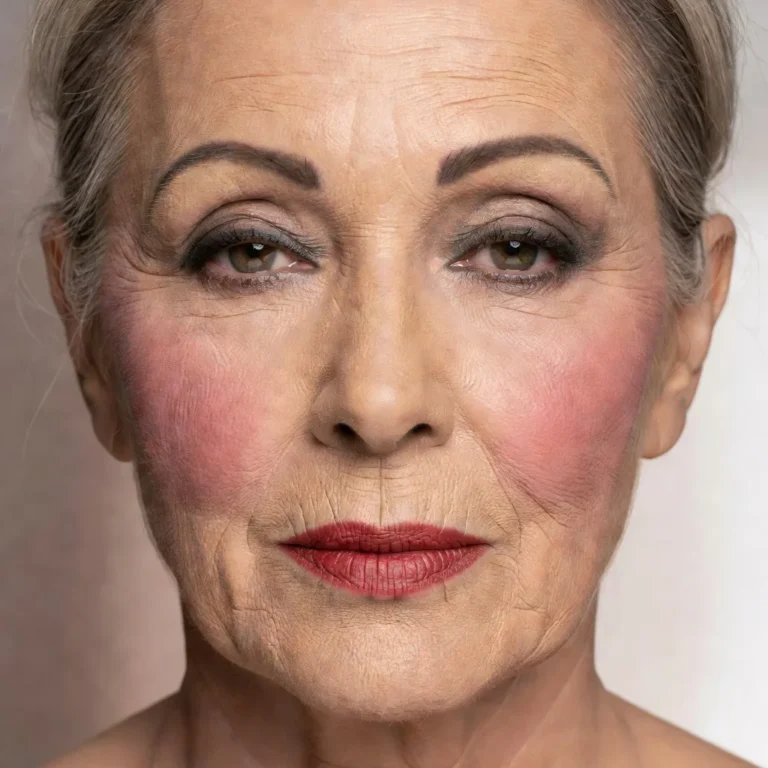
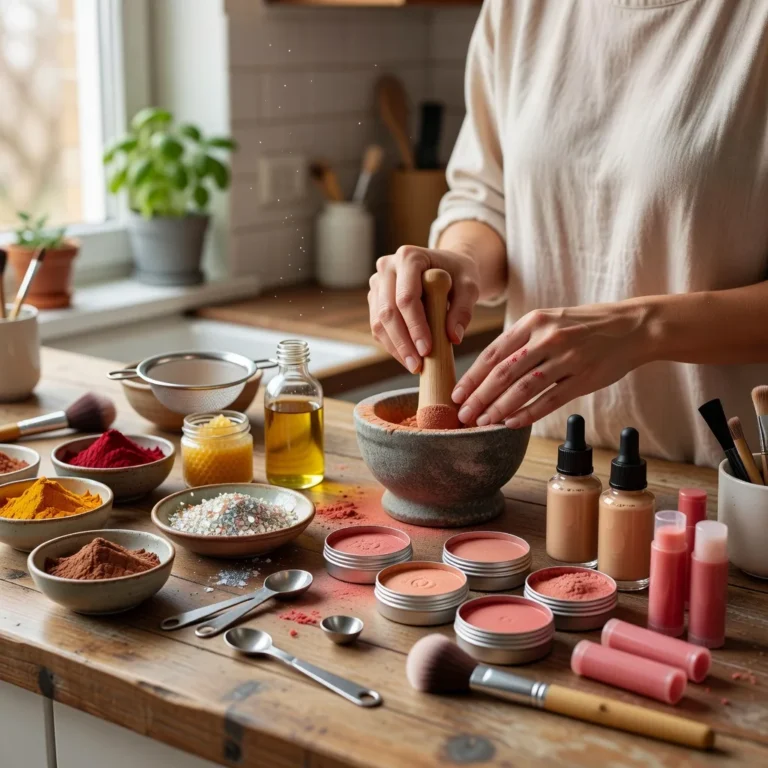
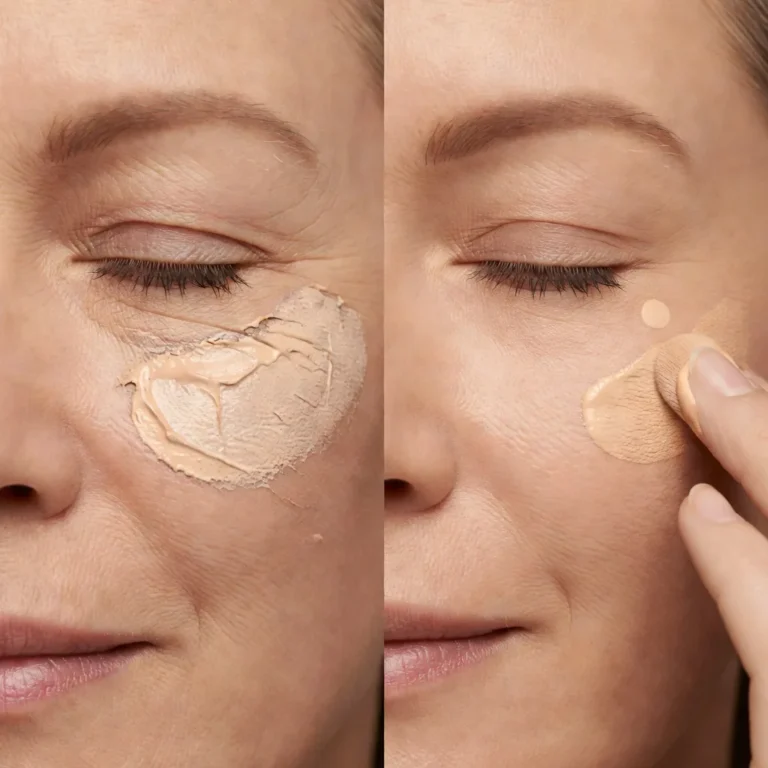
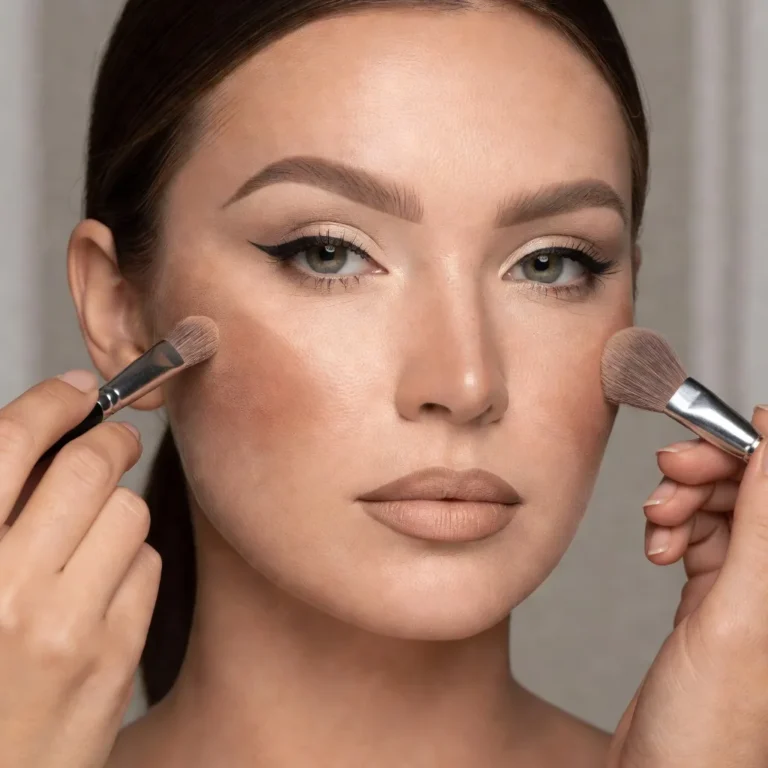
Thin, hydrating formulas look best on retinol-treated skin. Tinted moisturizers, skin tints and light-coverage foundations sit more comfortably than thick, matte ones that cling to dry areas. Cream blush and cream concealer often look more natural than powders.
Cream blush, cream highlighter and balm-like lip products tend to sit well on drier skin. If you like powder products, apply with a soft brush and tap off the excess before touching the face.
Mineral tinted sunscreens can double as foundation on easy days, which reduces the number of layers on sensitive skin.
If you wear full-coverage foundation, apply it in the center of the face first and blend outward. This keeps product off dry cheeks and edges where flakes tend to show up.
Concealer should be creamy and applied lightly. Heavy concealer on dry patches emphasizes texture.
Powders can emphasize flakes, so use them only where you need them. A little setting spray at the end can help makeup look smooth without piling product on.
Try This
- Tinted mineral sunscreen
- Cream products
- Hydrating primers
Avoid This
- Heavy matte foundation
- Lots of powder
- Scrubbing to remove flakes
How to Wear Makeup While Using Retinol
Take time with prep. Even a few extra minutes of hydration can change how makeup looks.
Allow each layer a couple of minutes to settle. Rushing makes sunscreen and makeup pill, which makes people rub and irritate skin.
Use clean tools. Sponges and brushes hold old product and bacteria that can aggravate sensitive skin.
Cleanse gently
Use lukewarm water and a mild cleanser.
Moisturize
Apply a simple moisturizer and let it absorb.
Apply sunscreen
Smooth on a mineral sunscreen or tinted sunscreen.
Add light makeup
Use thin layers with fingers or a damp sponge.
Set only where needed
Use a small amount of powder on oily areas.
Stop using retinol and see a doctor if you have severe burning, swelling, blistering or oozing skin.
Removing Makeup Gently
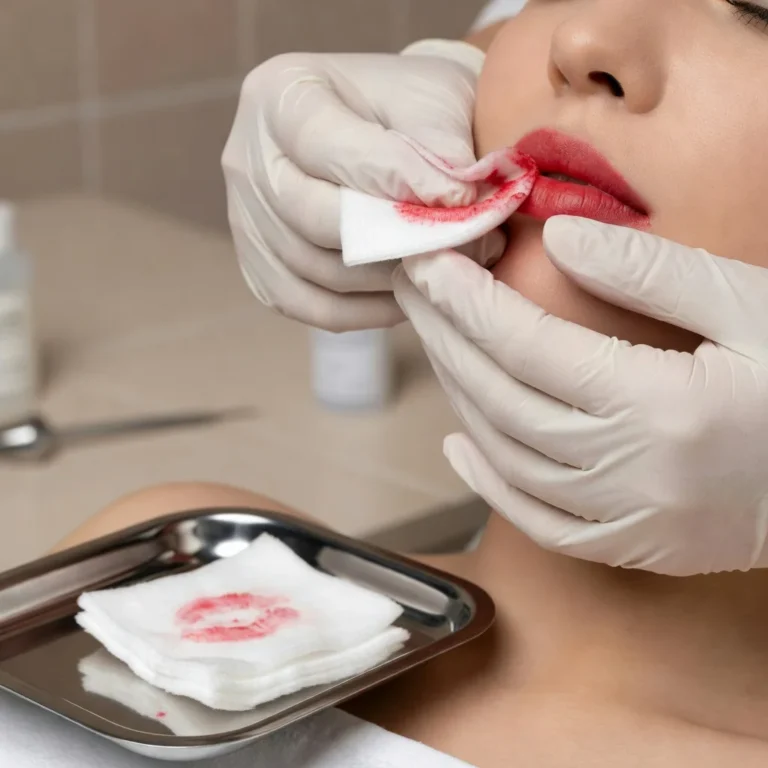
Use a mild cream cleanser or balm and lukewarm water. Avoid wipes with alcohol, rough cloths and scrubs. Pat dry, then let the skin rest before applying retinol so it does not sting.
Avoid cleansing brushes and exfoliating gloves while on retinol. They add friction to skin that is already thin, and the damage may not show until later.
If you wear waterproof products, use an oil-based balm first, then follow with your gentle cleanser. This removes makeup with less rubbing.
Hold a warm, damp cloth on the face for a few seconds to soften makeup. Then wipe lightly in one direction.
Moisturize right after cleansing while skin is slightly damp to help the barrier recover.
On nights you use retinol, wait until the skin is fully dry before applying it. Damp skin can increase irritation.
Common Mistakes to Avoid
Many people start too often, use too much and skip moisturizer. Others pair retinol with strong acids or scrubs. Introduce retinol slowly, two or three nights a week, and add nights only if your skin tolerates it.
Another common mistake is stacking retinol with strong acids, vitamin C and benzoyl peroxide on the same night. These can be fine for some people, but they raise the risk of irritation. If you want to use them, alternate nights and ask a professional.
Skipping rest nights can also slow progress. Taking a break on dry or red days lets the barrier recover.
| Mistake | Better choice |
|---|---|
| Daily use right away | Start two or three nights a week |
| Skipping sunscreen | Use it every morning |
| Scrubbing flakes | Moisturize and wait |
| Many new products at once | Add one thing at a time |
Honest Limits
Not everyone tolerates retinol, and makeup cannot fix a damaged barrier. Pregnant or breastfeeding people should ask a doctor before using retinoids. Results from retinol take months, not days.
Makeup shades can also look different on retinol-treated skin as flaking and redness change through the month. You may need a lighter hand or a slightly different tone during adjustment periods.
Retinol effects vary with age, skin type and starting condition. Online routines are a guide, not a rule.
If you scar easily or have deeper skin tones prone to dark marks, gentle care and sun protection are even more important.
Products also react differently on different skin. Patch test and be patient.
When to See a Professional
See a doctor or dermatologist if redness, burning or peeling is severe, if you develop swelling or sores, or if your skin does not improve after weeks of gentle care. They can adjust the strength or suggest alternatives.
Keep notes on how often you use retinol and how your skin responds. A simple record of nights, products and reactions helps a professional guide you quickly and avoid repeating mistakes.
Bring product names with you to appointments. Some irritation comes from combinations, not from retinol alone.
This article is educational and not medical advice. The author is a registered pharmacist, not a dermatologist, and cannot diagnose skin conditions.
Your Questions, Answered
Can I wear makeup with retinol?
Yes. Use retinol at night, protect with sunscreen in the morning and choose gentle makeup.
Should I apply retinol before makeup?
No. Use retinol at night, not under daytime makeup.
Why does my foundation look flaky on retinol?
Dry skin and flakes catch product. Hydrate well and use thin layers.
Do I need sunscreen with retinol?
Yes. Retinol makes skin more sun sensitive, so use sunscreen daily.
Can I use powder on retinol-treated skin?
Use a little only where needed, since powder can emphasize dryness.
How should I remove makeup on retinol?
Use a mild cream cleanser or balm and lukewarm water.
How many nights should I use retinol?
Many people start with two or three nights a week.
Can I wear retinol every night?
Some people can after they build tolerance, but it is not required.
Is a tinted sunscreen good for retinol users?
It can be, since it protects and evens tone in one step.
When should I see a doctor?
See one for severe burning, swelling or no improvement.
The Bottom Line
Makeup and retinol can work together when retinol goes on at night and sunscreen goes on in the morning. Keep prep gentle and makeup thin.
Be patient with your skin, introduce changes slowly and ask a doctor for help if irritation is strong.

Written by
Registered pharmacist and founder of Facial Adviser. Rakib's pharmacy training covers how skincare actives work and interact; a later course in cosmetology turned that into a focus on facial treatments and skincare products. He plans, researches and edits every guide on the site and checks health claims against sources such as the American Academy of Dermatology, the FDA and the NIH. He is not a dermatologist; see the Editorial Policy and Medical Disclaimer.
About · Editorial policy · How we choose products · Medical disclaimer · Contact
Keep reading: Makeup basics and skin
- How to Properly Put On Face Makeup: The Right Order, Step by Step
- Makeup Over Pimple Patches: How to Hide Them Without Lifting
- Makeup for Glasses Wearers: Eyes, Brows and Nose-Pad Marks
- How to Remove Halloween Makeup Without Wrecking Your Skin
- How to Calm Your Skin After Halloween Makeup
- Makeup or Hair First? The Real Chemistry Behind It
- How to Choose the Right Eye Makeup Color for Your Eyes and Skin
- What Can You Use to Make Your Makeup Stay On All Day? 9 Products and Tricks
Turn skincare time into me-time with a free audiobook