Isavera Fat Freezing System: Does At-Home Fat Freezing Work?
The Isavera Fat Freezing System is an at-home kit of freezable gel packs and adjustable wraps sold as a low-cost, needle-free way to target stubborn fat on the belly, thighs and arms. The name suggests something similar to clinic fat freezing, which is why an honest look at what it can and cannot do matters.
Part of our guide to professional machines. Start with: Best Professional Oxygen Facial Machine: Features, Safety and Results
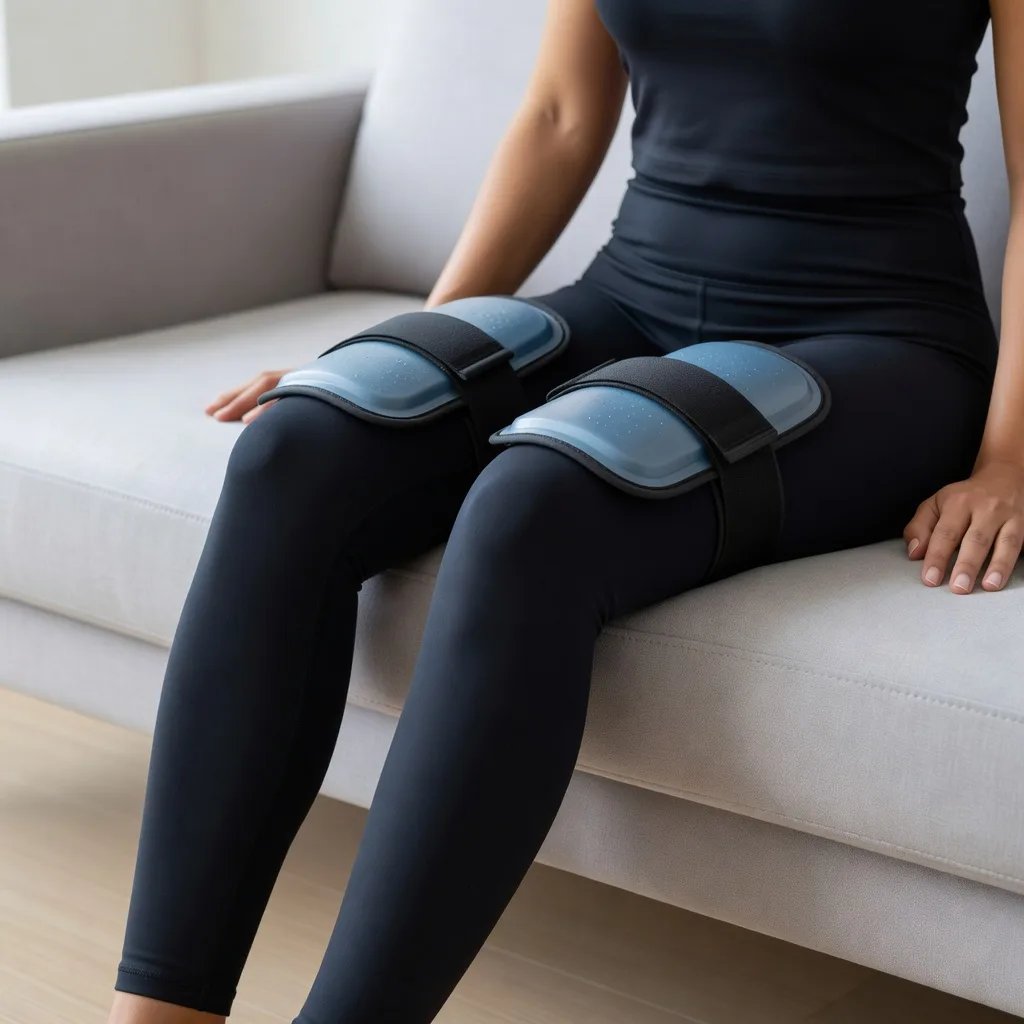
The Isavera Fat Freezing System uses frozen gel packs held against the body with adjustable wraps. The maker recommends wearing it for 60 minutes a day, three times a week, for 10 to 12 weeks, and says it can reduce the appearance of fat. However, it is not the same as clinical cryolipolysis, which uses FDA-cleared machines that cool fat to a precisely controlled temperature under medical supervision. The FDA states that the safety and effectiveness of over-the-counter or home-use fat freezing has not been established. At best, cold wraps may offer a small, uncertain effect; they are not a proven way to reduce fat, and misuse can cause cold injury to the skin.
In short: an inexpensive cold wrap kit with unproven fat-loss results, not a home version of a medical fat freezing treatment.
The US Food and Drug Administration lists cryolipolysis among non-invasive body contouring technologies and warns about risks including freeze burns and a rare fatty bulge called paradoxical adipose hyperplasia.
This guide explains how the Isavera kit works, how it differs from clinical treatment, the safety issues, who might consider it and better-proven alternatives.
Shopping these picks?
Amazon Prime members get fast, free shipping on eligible items, plus Prime Video, Amazon Music and member deals. New members can start with a free trial.
Start a free Prime trialAged 18 to 24? Prime for Young Adults comes with a longer free trial and a lower price after it.
Affiliate link: we may earn a commission at no extra cost to you.
Where to Buy the Isavera Fat Freezing System and Similar Options on Amazon



In Brief
- The kit uses freezable gel packs in adjustable wraps.
- The maker suggests 60 minutes a day, three times a week, for 10 to 12 weeks.
- It is not the same as clinical cryolipolysis.
- The FDA says home fat freezing safety and effectiveness are not established.
- Cold packs on skin for long periods can cause cold injury.
- Diet, activity and sleep remain the proven basis of fat loss.
- For targeted fat reduction, see a qualified clinician.
In This Guide
- What the Isavera Fat Freezing System Is
- Isavera vs Clinical Cryolipolysis
- What the Science Says About Cold and Fat
- How the Kit Is Meant to Be Used
- Who Might Consider It and Who Should Not
- Pros and Cons
- How to Use a Cold Wrap Kit More Safely
- What Buyers Commonly Mention
- Better-Proven Alternatives
- Dos and Don’ts
- Honest Limits
- When to See a Doctor or Dermatologist
- FAQ
- Final Word
What the Isavera Fat Freezing System Is
According to the maker’s website, the kit includes gel packs, adjustable wraps and tools for tracking progress. You freeze the gel packs, slide them into pockets in the wraps and fasten the wraps around the area you want to target, such as the belly, thighs or upper arms.
The maker describes the idea behind it as cold exposure causing fat cells to crystallise and die, with the body clearing them over time, and also mentions the body burning energy to keep warm. These ideas are borrowed from clinical fat freezing research, but a frozen gel pack is a very different tool from a medical device, as the next section explains.
Details in this guide come from the maker’s website. We have not tested the kit, and the maker’s site did not mention FDA clearance when we checked. Always read the instructions and warnings supplied with the product before use.
Isavera vs Clinical Cryolipolysis
Clinical fat freezing and at-home cold wraps share an idea, but they are not the same treatment. This comparison shows why results cannot be assumed to transfer.
| Feature | Clinical cryolipolysis | Isavera cold wraps |
|---|---|---|
| Device | FDA-cleared machine | Freezable gel packs and wraps |
| Temperature control | Precisely controlled and monitored | Not controlled; packs warm up over time |
| Contact with fat | Applicator draws tissue in | Pack rests on the skin surface |
| Supervision | Trained provider | Self-applied at home |
| Evidence | Studied for specific areas | Not established for home use, per the FDA |
| Main risks | Freeze burns, pain, rare fatty bulges | Cold injury to skin if misused |
The FDA page on non-invasive body contouring technologies explains that cryolipolysis devices cool targeted fatty tissue for up to an hour under controlled conditions and states that the safety and effectiveness of home fat freezing has not been established.
What the Science Says About Cold and Fat
Fat freezing is based on the observation that fat cells are more sensitive to cold than the skin and other tissues around them. In clinical cryolipolysis, a device cools a targeted area for a controlled period, aiming to injure fat cells while sparing the skin. The FDA explains that the body then clears the affected cells gradually over the following months.
- The effect depends on reaching and holding the right temperature in the fat layer, not just on the skin.
- Clinical devices monitor and control cooling to balance effect and safety.
- A frozen pack loses its cold steadily and cannot hold a set temperature.
- Brown fat and calorie burning from cold exposure are real but small effects, and they are not a practical route to visible fat loss.
- Results from clinical studies of medical devices cannot be applied to home products that work differently.
In other words, the principle is sound in a clinic, but that does not mean a home cold wrap can reproduce it. Without independent studies of the specific product, any claimed result is unproven.
How the Kit Is Meant to Be Used
The maker gives a simple routine. Here is what it states, alongside an honest note on each point.
| Maker’s guidance | Honest note |
|---|---|
| Freeze the gel packs and place them in the wraps | Frozen packs can be colder than is safe on bare skin for long periods |
| Wrap tightly around the target area | Too tight can restrict circulation and increase cold injury risk |
| Wear 60 minutes a day, 3 times a week | Long cold exposure raises the risk of skin damage |
| Continue for 10 to 12 weeks | A long commitment for an unproven result |
| Use on belly, thighs or arms | These are common areas for clinic treatment too, but home results are unproven |
If you choose to try the kit, follow its instructions exactly, but also use the safety steps in the how-to section below. The maker’s routine is not a medical protocol.
Who Might Consider It and Who Should Not
Cold therapy is not suitable for everyone. Some health conditions make prolonged cold exposure risky.
- Might consider: healthy adults near their goal weight who understand the results are uncertain.
- Should not use: people with Raynaud’s phenomenon, cold urticaria or cryoglobulinaemia.
- Should not use: people with poor circulation, diabetes-related nerve damage or reduced skin sensation.
- Should not use: over broken skin, recent scars, hernias or areas with numbness.
- Should ask a doctor first: anyone pregnant, with heart conditions or with other medical concerns.
Cold exposure can have other effects on skin, both good and bad. Our article on the benefits of cold therapy for skin explains what brief, controlled cold can do and why longer exposure needs care.
Pros and Cons
Here is a balanced summary based on the maker’s claims and what is known about cold exposure and fat freezing.
- Pro: much lower cost than clinical treatment.
- Pro: reusable gel packs and adjustable wraps.
- Pro: no needles, surgery or downtime.
- Pro: easy to use at home.
- Con: no established evidence that home fat freezing works, per the FDA.
- Con: temperature is not controlled, so both effect and safety vary.
- Con: long wear time three times a week for months.
- Con: risk of cold injury if packs are too cold, worn too long or used without a barrier.
- Con: easy to mistake normal weight fluctuations for results.
The biggest risk may be spending months on a routine that does little, instead of on approaches with stronger evidence.
How to Use a Cold Wrap Kit More Safely
If you decide to try an at-home cold wrap, these general cold therapy precautions reduce the risk of skin damage. They do not make the product more effective.
Check with a doctor if you have health conditions
Especially circulation problems, diabetes, cold sensitivity or pregnancy.
Read the kit’s instructions
Follow the maker’s timing and any barrier advice exactly.
Use a thin barrier layer
Keep a thin cloth or layer of clothing between frozen packs and bare skin.
Fasten wraps snugly, not tightly
You should be able to slide a finger underneath.
Check your skin often
Look for white, waxy or grey patches, blisters or numbness.
Stop if it burns or goes numb
Remove the pack and let skin warm up gradually at room temperature.
Let skin fully recover between sessions
Do not reapply to skin that is still red, sore or numb.
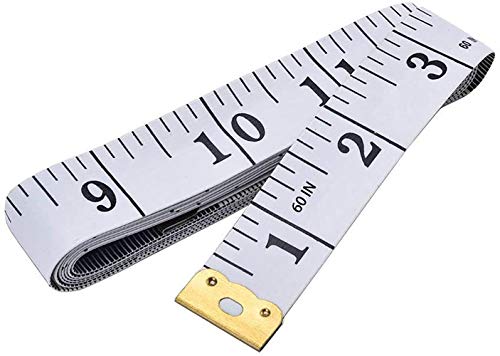
Track progress with the same tape measure at the same time of day, and take photos in the same light. This helps you see whether anything is really changing rather than relying on how your clothes feel from day to day.
What Buyers Commonly Mention
Feedback on retail sites tends to fall into a few repeated themes. We summarise these in general terms rather than quoting individual comments.
- Some buyers report feeling slimmer or seeing small changes in measurements.
- Many say they saw no clear difference after following the routine.
- The cold is often described as uncomfortable at first.
- Some mention the packs warming up quickly or the wraps slipping.
- A few report red, irritated or numb skin after use.
- Many buyers combined the kit with diet and exercise changes, which makes results hard to attribute.
Because most buyers are also trying to lose weight in other ways, positive reports cannot show whether the wraps themselves made a difference.
Better-Proven Alternatives
If your goal is less body fat or a more toned look, these options have stronger evidence or better safety controls.
| Option | How it compares | Best for |
|---|---|---|
| Clinical cryolipolysis | FDA-cleared, controlled, supervised | Small, stubborn fat areas near goal weight |
| Other FDA-cleared body contouring | Various technologies with medical oversight | Targeted areas, under professional advice |
| Balanced diet and regular activity | Proven for overall fat loss | Almost everyone |
| Strength training | Improves muscle tone and shape | Firmer look over time |
| Medical weight management | Supervised programmes and treatments | Larger amounts of weight to lose |
Rapid or large weight loss can leave loose skin, which no fat freezing product addresses. Our guide to skin tightening after weight loss explains the options for that concern.
Dos and Don’ts
Good Habits
- Read the kit’s instructions carefully
- Keep a barrier between packs and skin
- Check your skin regularly during use
- Measure progress consistently
- Talk to a doctor if you have health conditions
Common Mistakes
- Treat it as a home version of clinical cryolipolysis
- Apply frozen packs directly to bare skin for long periods
- Fall asleep while wearing the wraps
- Use it on numb, broken or scarred skin
- Rely on it instead of diet and activity
Honest Limits
The Isavera kit borrows the language of clinical fat freezing, but the FDA states that the safety and effectiveness of over-the-counter or home-use fat freezing has not been established. A gel pack that starts frozen and slowly warms against the skin surface cannot deliver the controlled, sustained cooling that clinical devices are designed to provide.
Any small change you see may come from other factors, such as diet, water balance or measurement differences. Even clinical cryolipolysis is intended for modest reductions in specific areas, not for weight loss, and it carries its own risks.
Stop immediately and seek medical care if your skin turns white, grey or waxy, blisters, stays numb or becomes very painful after warming. These can be signs of cold injury. Never use cold packs on areas with poor sensation, and never wear them while sleeping.
When to See a Doctor or Dermatologist
- Your skin blisters, stays numb or changes colour after using cold packs.
- You notice a firm, growing bulge in a treated area weeks after any fat freezing.
- You have circulation problems, diabetes or cold sensitivity and want to try cold therapy.
- You want targeted fat reduction and need advice on proven, cleared treatments.
This article is for general information and does not replace professional medical advice. Product details are based on the maker’s website and may change. Speak to a doctor or board-certified dermatologist before trying fat reduction treatments.
FAQ
Does the Isavera Fat Freezing System work?
Evidence is lacking; the FDA says home fat freezing is not established.
Is it the same as CoolSculpting or clinical fat freezing?
No, clinical devices control temperature and are FDA-cleared.
How long should I wear it?
The maker suggests 60 minutes, three times a week.
How long until I see results?
The maker cites 10 to 12 weeks; results are not guaranteed.
Is it safe?
It can cause cold injury if misused; follow instructions and use a barrier.
Can I sleep in it?
No, never wear cold packs while sleeping.
Which areas can I use it on?
The maker lists belly, thighs and arms.
Is it FDA-cleared?
The maker’s site did not mention FDA clearance when we checked.
Who should not use it?
People with circulation problems, cold sensitivity or reduced sensation.
What works better for fat loss?
Diet, activity and, for small areas, clinical treatments.
Final Word
The Isavera Fat Freezing System is an affordable cold wrap kit, but it is not the same as clinical cryolipolysis, and the FDA says the safety and effectiveness of home fat freezing has not been established.
If you try it, use it carefully with a barrier and regular skin checks, keep your expectations modest and talk to a qualified clinician if you want proven fat reduction.

Written by
Registered pharmacist and founder of Facial Adviser. Rakib's pharmacy training covers how skincare actives work and interact; a later course in cosmetology turned that into a focus on facial treatments and skincare products. He plans, researches and edits every guide on the site and checks health claims against sources such as the American Academy of Dermatology, the FDA and the NIH. He is not a dermatologist; see the Editorial Policy and Medical Disclaimer.
About · Editorial policy · How we choose products · Medical disclaimer · Contact
Keep reading: Professional spa machines
- Best Professional Oxygen Facial Machine: Features, Safety and Results
- 10 Best Body Wash for Spray Tan (2026): Before and After Picks
- Is 80k Cavitation Better Than 40k?
- Can Cavitation Cause Cancer? The Real Question to Ask First
- Professional Ultrasonic Cavitation Machine: Salon Buying Guide
- FIVONA Unisex Sitz Bath Seat for Soaking: Is It Worth Using?