
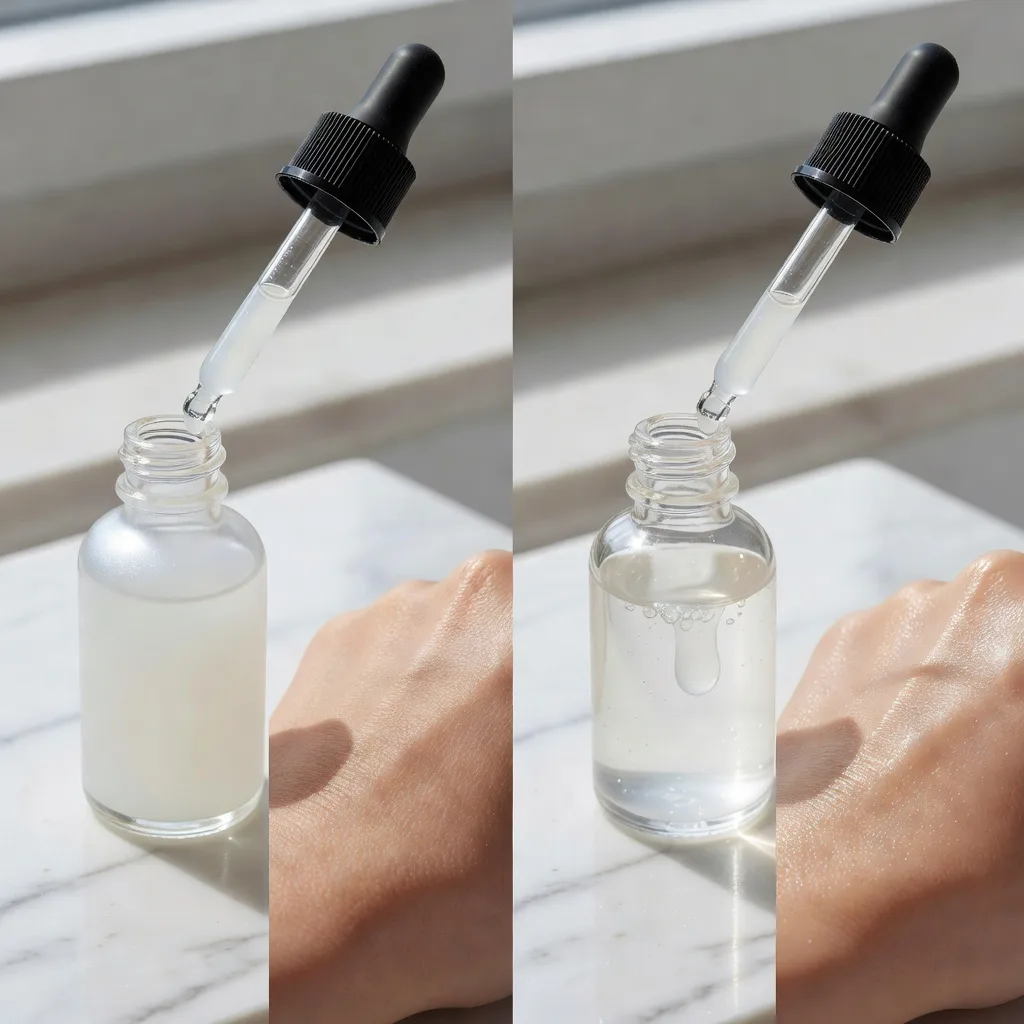
Niacinamide or Hyaluronic Acid: Pick Both?
Niacinamide or hyaluronic acid gets framed online as a head-to-head choice, complete with side-by-side comparisons and “which one should you pick” quizzes. The framing itself is the problem: these two ingredients were never actually competing for the same job.
Part of our guide to skincare products. Start with: 10 Best Facial Serums for Aging Skin (2026): Picks by Concern
Niacinamide is a functional active that repairs the skin barrier, regulates oil, and evens tone. Hyaluronic acid is a humectant whose only real job is pulling water into the skin. Clinical research backs both independently, at very different effective concentrations, and neither one substitutes for the other.
There’s also a persistent myth that niacinamide can’t be combined with vitamin C, which traces back to a decades-old lab study using conditions nothing like how skincare is actually formulated or used today.
This guide covers a quick concern-mapping check for which ingredient your skin actually needs, a full side-by-side comparison, where the vitamin C myth came from, and exactly how to layer both into one routine.
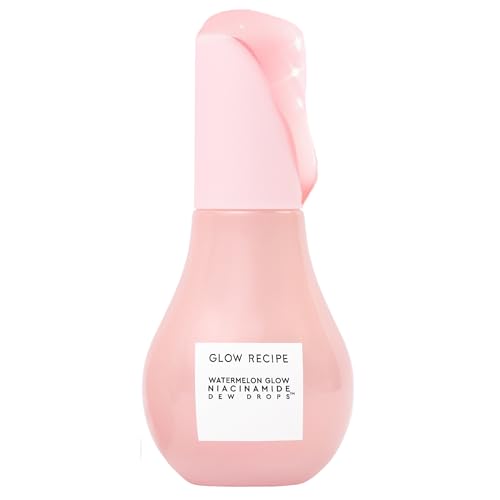
Recommended Niacinamide and Hyaluronic Acid Serums

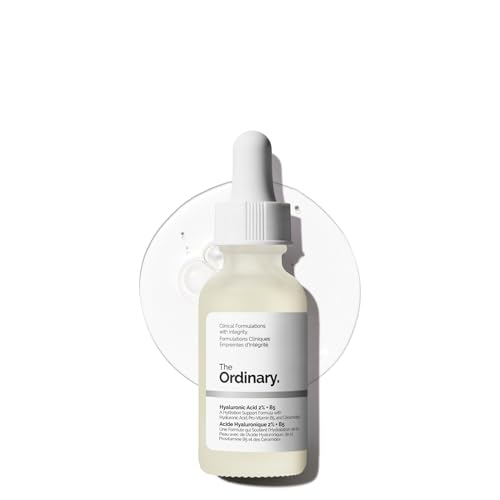
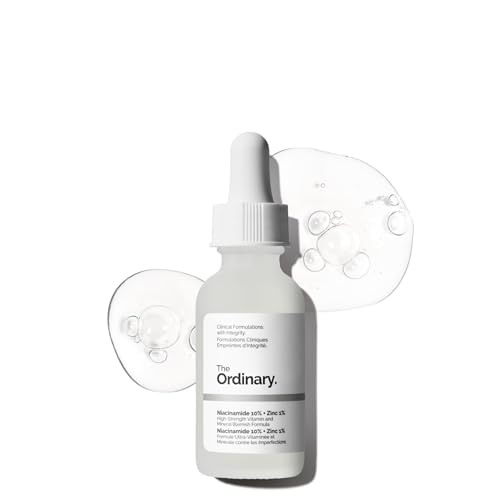

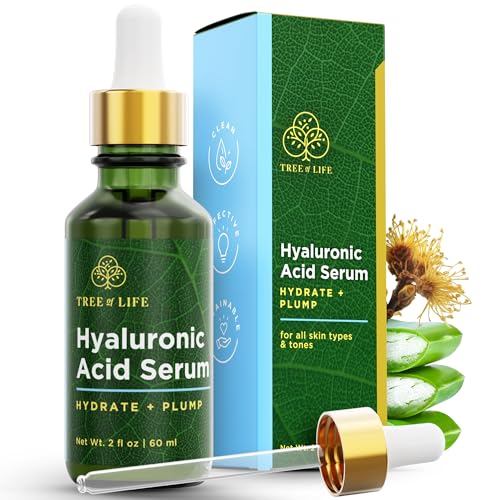

Shopping these picks?
Amazon Prime members get fast, free shipping on eligible items, plus Prime Video, Amazon Music and member deals. New members can start with a free trial.
Start a free Prime trialAged 18 to 24? Prime for Young Adults comes with a longer free trial and a lower price after it.
Affiliate link: we may earn a commission at no extra cost to you.
Key Takeaways
- Niacinamide or hyaluronic acid isn’t really a competition, they solve two completely different problems and are routinely used together, not as alternatives.
- A quick concern-mapping check tells you which one your skin actually needs, or whether the honest answer is both.
- Niacinamide is a functional active: it repairs the skin barrier, regulates oil, calms inflammation, and evens tone. Hyaluronic acid is a humectant: it only binds water into the skin.
- Niacinamide is typically effective at 2-5% concentration. Going above 10% risks flushing and irritation without added benefit.
- Hyaluronic acid has no equivalent efficacy ceiling, it works even at low concentrations because of how much water it can bind.
- The claim that niacinamide and vitamin C can’t be combined traces to a 1960s study using extreme, unrealistic lab conditions. Modern research and current dermatologic consensus consider that concern debunked.
- Layering both ingredients in the same routine is standard practice, not a formulation risk.
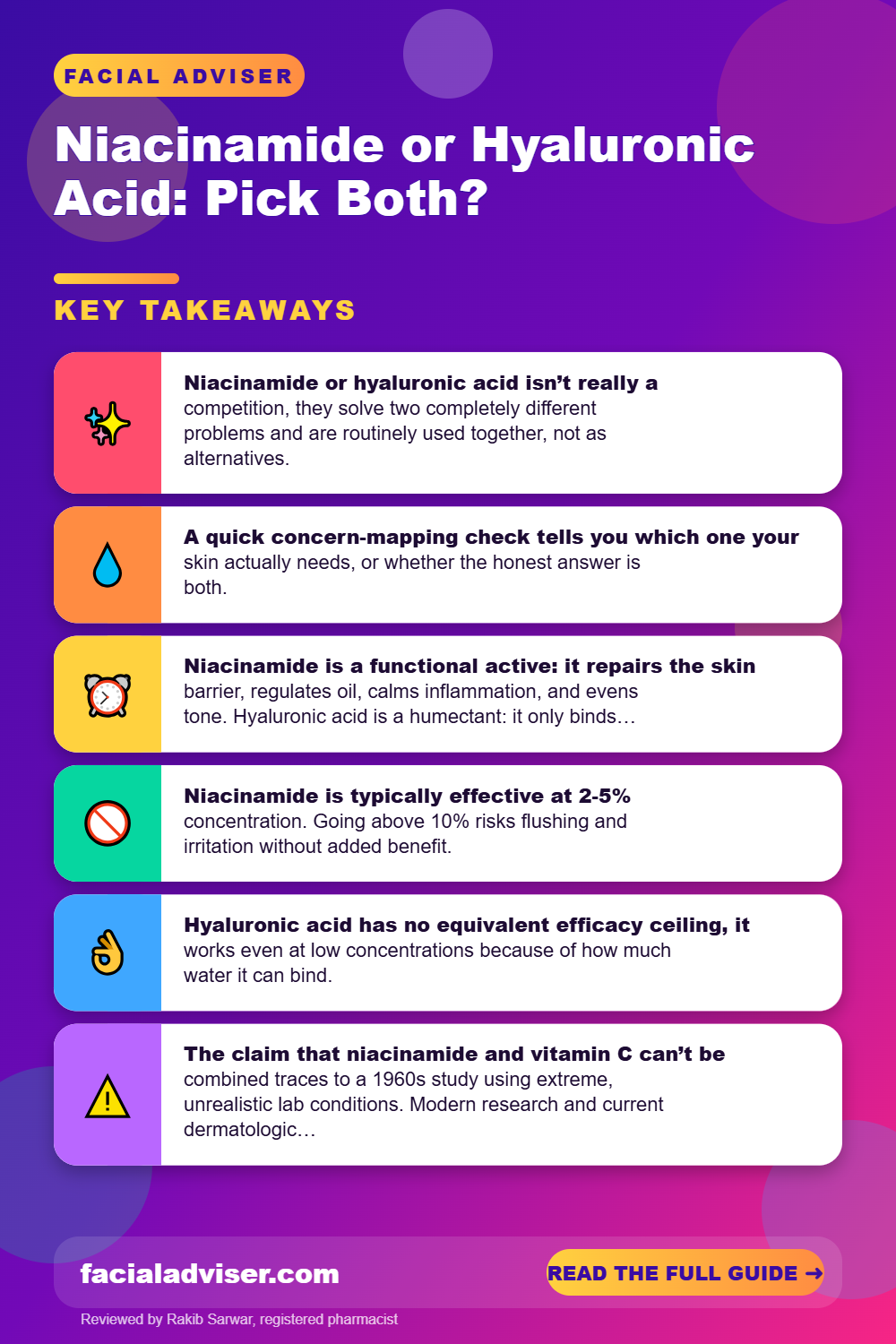
Table of Contents
- What Each Ingredient Actually Does
- The 60-Second Concern Check: Which One Does Your Skin Need
- Niacinamide vs. Hyaluronic Acid, Side by Side
- The Vitamin C Incompatibility Myth
- Do This, Not That: Building a Routine With Both
- How to Layer Them in a Routine
- What Neither Ingredient Can Do
- When Irritation Means See a Dermatologist
- Frequently Asked Questions
- The Bottom Line
What Each Ingredient Actually Does
Niacinamide, a form of vitamin B3, is a functional active that does several distinct things: it boosts ceramide and free fatty acid production to repair the skin barrier, reduces melanosome transfer to even out tone, calms inflammation, and helps regulate excess oil. Clinical research has shown topical niacinamide reduces hyperpigmentation and improves the appearance of blotchiness and fine lines over several weeks of consistent use.
Hyaluronic acid works completely differently. It’s a humectant, a molecule that binds water, and its only real job is pulling moisture into the skin and holding it there. Different molecular weights change where that hydration sits: higher molecular weight forms a hydrating film on the surface, while lower molecular weight penetrates slightly deeper into the epidermis.
Neither ingredient does the other’s job. Niacinamide won’t meaningfully hydrate the way a humectant does, and hyaluronic acid won’t calm inflammation, regulate oil, or fade dark spots the way niacinamide can, which is part of why niacinamide shows up so often alongside routines built around acne-prone skin.
The 60-Second Concern Check: Which One Does Your Skin Need
Match your main concern to the ingredient actually designed for it:
- Dryness, tightness, dehydrated feeling skin: hyaluronic acid is the humectant built for this.
- Uneven tone, enlarged-looking pores, excess oil, or a compromised barrier: niacinamide addresses these directly.
- Both dryness and tone/oil concerns: most dermatologists recommend using both together, since they aren’t competing for the same job.
If your answer is “both,” that’s the most common and reasonable outcome, not a sign you need to pick one.
Niacinamide vs. Hyaluronic Acid, Side by Side
| Niacinamide | Hyaluronic acid | |
|---|---|---|
| Ingredient category | Functional active (vitamin B3 derivative) | Humectant |
| Main job | Barrier repair, oil regulation, tone evening, anti-inflammatory | Binding water into the skin |
| Effective concentration | 2-5%, higher can cause flushing | No real ceiling, effective even at low % |
| Best for | Redness, hyperpigmentation, enlarged pores, oily skin | Dryness, dehydration, plumping fine lines from lack of moisture |
| Can they be combined? | Yes, routinely formulated and used together | |
Reading this table as a choice between the two misses the point. They’re closer to a moisturizer and a treatment serum than two versions of the same product.
The Vitamin C Incompatibility Myth
A persistent claim online says niacinamide and vitamin C can’t be used together, or that combining them triggers a reaction that causes flushing. The origin traces to a 1960s lab study that heated pure niacinamide with pure L-ascorbic acid under extreme, unrealistic conditions, high heat, very low pH, no buffering agents, over weeks of storage, producing a small conversion to nicotinic acid, which can cause flushing at high doses.
Note: That lab scenario doesn’t resemble how modern, stabilized skincare formulations behave under normal use. Later research examining niacinamide alongside ascorbic acid in actual use found no interaction problem, and neither major dermatologic body has published a warning against combining them.
The myth persisted partly because it conveniently justified separate morning and evening product lines. Current dermatologic consensus treats the incompatibility claim as debunked.
Do This, Not That: Building a Routine With Both
Do
- Use both ingredients together if your skin has more than one concern
- Patch test any new active for 24-48 hours before full use
- Start niacinamide at a lower concentration (2-5%) if you have sensitive skin
- Apply hyaluronic acid to damp skin for better water-binding effect
- Follow with a moisturizer to seal in whatever hydration you’ve applied
Don’t
- Assume you need to choose one over the other
- Jump straight to a 10%+ niacinamide concentration without testing lower first
- Avoid combining niacinamide with vitamin C based on outdated, debunked claims
- Apply hyaluronic acid to bone-dry skin in a very dry climate without sealing it in, it can pull moisture from deeper layers instead
- Expect either ingredient alone to address a concern it isn’t designed for
How to Layer Them in a Routine
Cleanse
Start with a gentle cleanser appropriate for your skin type.
Apply hyaluronic acid to damp skin
Applying to slightly damp skin gives the humectant more surface moisture to bind.
Layer niacinamide serum
Apply next, whether that’s minutes later or as part of the same step depends on the specific products.
Tip: Strict layering order matters less than consistent daily use. Don’t let uncertainty about the “correct” order stop you from using both.
Add other actives if needed
Vitamin C, retinoids, or other treatments can be layered in based on your routine and tolerance.
Moisturize
Seal everything in with a moisturizer suited to your skin type.
Sunscreen in the morning
Both ingredients pair fine with daily sunscreen, which matters more than either active for long-term skin health.
What Neither Ingredient Can Do
Niacinamide doesn’t hydrate the way a true humectant does, and hyaluronic acid doesn’t repair a compromised barrier, calm inflammation, or fade dark spots. Neither is a substitute for sunscreen, and neither reverses deep wrinkles or significant skin laxity, those need a different category of treatment entirely.
When Irritation Means See a Dermatologist
Warning: Persistent redness, burning, or breakouts after introducing either ingredient, especially at higher concentrations, warrant stopping use and consulting a dermatologist rather than pushing through the irritation.
Frequently Asked Questions
Which is better, niacinamide or hyaluronic acid?
Neither is objectively better, they address different concerns. Niacinamide handles barrier repair, oil, tone, and inflammation, while hyaluronic acid handles hydration.
Can I use niacinamide and hyaluronic acid together?
Yes. They’re routinely formulated together and commonly recommended as a combination since they solve different problems.
What concentration of niacinamide is effective?
Most research supports 2-5% niacinamide. Concentrations above 10% can cause flushing or irritation without added benefit.
Does hyaluronic acid have an effective concentration ceiling like niacinamide?
No. It works even at low concentrations because of its high water-binding capacity.
Can niacinamide and vitamin C be used together?
Yes. The claim that they can’t be combined traces to a 1960s study using extreme, unrealistic lab conditions. Modern research and current dermatologic consensus consider that concern debunked.
What order should I apply niacinamide and hyaluronic acid?
A common approach is hyaluronic acid on damp skin followed by niacinamide, though strict ordering matters less than consistent daily use.
Is niacinamide good for oily or acne-prone skin?
Yes, it helps regulate sebum production and has anti-inflammatory properties that can benefit acne-prone skin.
Does hyaluronic acid help with fine lines?
It can temporarily plump fine lines caused by dehydration by pulling in moisture, but it doesn’t address deeper wrinkles from collagen loss.
Can niacinamide cause skin irritation?
At higher concentrations, some people experience flushing or irritation. Starting at a lower concentration (2-5%) reduces this risk.
Should I patch test before using these ingredients?
Yes, a 24-48 hour patch test is recommended before introducing any new active ingredient, including niacinamide or hyaluronic acid.
The Bottom Line
Niacinamide or hyaluronic acid was never really a fair fight, one is a functional treatment ingredient and the other is a hydration workhorse, and most skin genuinely benefits from both. The concern-mapping check above is the fastest way to see which job your skin actually needs done, and for most people the honest answer is both, not either.
The old vitamin C incompatibility concern is outdated and doesn’t reflect how modern formulations behave, so don’t let it stop you from building a routine around what your skin actually needs rather than around a myth.

Written by
Registered pharmacist and founder of Facial Adviser. Rakib's pharmacy training covers how skincare actives work and interact; a later course in cosmetology turned that into a focus on facial treatments and skincare products. He plans, researches and edits every guide on the site and checks health claims against sources such as the American Academy of Dermatology, the FDA and the NIH. He is not a dermatologist; see the Editorial Policy and Medical Disclaimer.
About · Editorial policy · How we choose products · Medical disclaimer · Contact
Keep reading: Serums and actives
- 10 Best Facial Serums for Aging Skin (2026): Picks by Concern
- Antioxidant Facial Treatment: What Holds Up
- Vitamin C Facial: What the Real Data Shows
- Collagen Facial Treatment: What the Evidence Shows
- Is Hyaluronic Acid Good for Acne?
- Does Hyaluronic Acid Cause Purging?
- 10 Best Facial Moisturizers for Dry Skin (2026): Rich, Gentle Creams
- 10 Best Face Masks for Every Skin Type (2026): Clay, Gel and Sheet


2 Comments