Benefits of Diamond Glow Facial, Explained Honestly
The real benefits of diamond glow facial treatment come down to one genuine mechanical advance: exfoliation, pore extraction, and serum infusion all happen simultaneously in a single device pass.
Part of our guide to facial treatments. Start with: Is Hydrafacial a Gimmick? What Evidence Shows
Plain diamond-tip microdermabrasion only exfoliates and suctions; DiamondGlow’s patented tip adds a dedicated deep-cleaning extraction step and delivers serum directly into freshly cleared pores. The manufacturer’s own usage data reports meaningful improvement in radiance, tone, and fine lines, figures worth reading as company data rather than an independent trial.
Two practical precautions matter more than the marketing: avoid Botox for two weeks beforehand, and stop retinoids or AHAs three to five days ahead of your session.
This guide covers exactly what makes the device different from plain microdermabrasion, what its own clinical figures actually show, and how many sessions it realistically takes to see results.
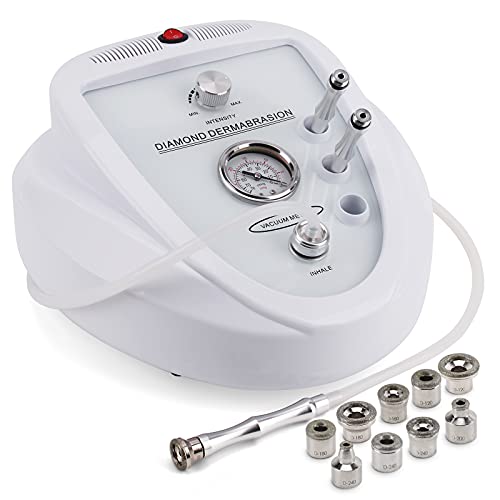
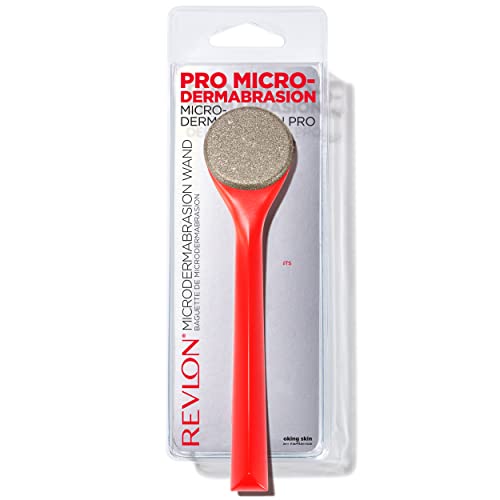
Recommended At-Home Diamond Microdermabrasion Devices

Key Takeaways
- DiamondGlow performs exfoliation, pore extraction, and serum infusion simultaneously in a single device pass, not as three separate add-on steps.
- Plain diamond-tip microdermabrasion only exfoliates and suctions; it doesn’t deep-clean pores the way DiamondGlow’s extraction step does, and it delivers no serum.
- The manufacturer’s own clinical figures (90 percent-plus improvement ratings) come from company-sponsored usage data, not an independent peer-reviewed trial, and should be read as such.
- Avoid Botox for two weeks before a session and discontinue retinoids or AHAs for three to five days beforehand.
- The abrasion component is regulated as a Class I dermabrasion device; the infused serum is regulated as a cosmetic, not a drug.
- Most people need three to six sessions spaced two to four weeks apart to see the tracked improvements, with monthly maintenance afterward.
Table of Contents
- What Is a DiamondGlow Facial?
- DiamondGlow vs. Plain Diamond Microdermabrasion
- What the Manufacturer’s Clinical Data Actually Shows
- Who Should Avoid or Delay It
- How Many Sessions You’ll Actually Need
- Cost and Choosing a Reputable Provider
- Do This, Not That
- Preparing for and Recovering From a Session
- When to See a Dermatologist
- Frequently Asked Questions
- The Bottom Line
What Is a DiamondGlow Facial?
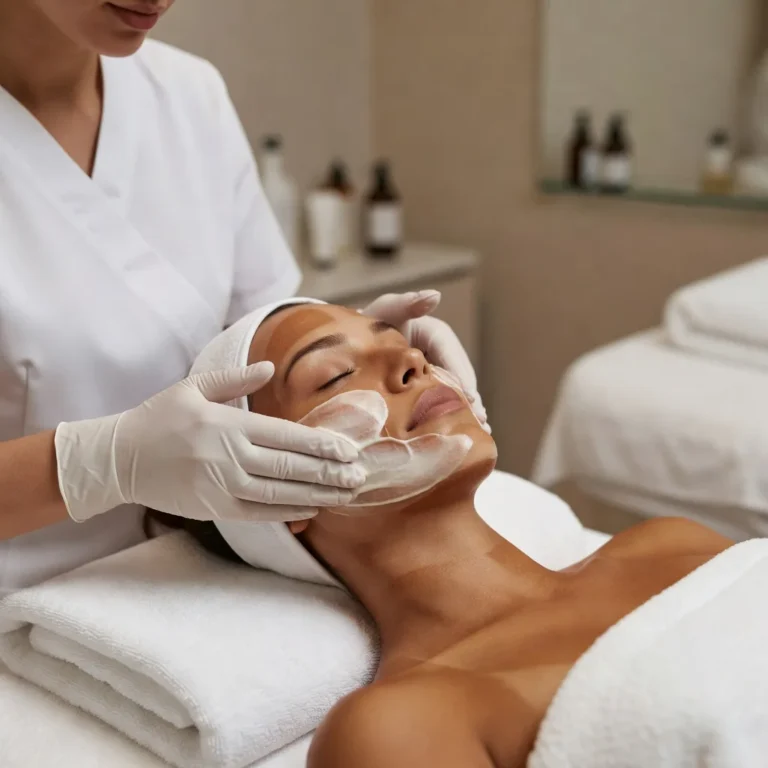
DiamondGlow is a trademarked device system, sold by Allergan Aesthetics (part of AbbVie) and previously marketed as Dermalinfusion, that performs three things at once: diamond-tip exfoliation, pore extraction by vacuum, and serum infusion delivered directly into the just-cleared pores. Those three steps happen simultaneously in a single pass of the device’s patented tip, not as three separate treatments bundled into one appointment.
Shopping these picks?
Amazon Prime members get fast, free shipping on eligible items, plus Prime Video, Amazon Music and member deals. New members can start with a free trial.
Start a free Prime trialAged 18 to 24? Prime for Young Adults comes with a longer free trial and a lower price after it.
Affiliate link: we may earn a commission at no extra cost to you.
That simultaneous design is the whole point of the device. Rather than exfoliating first and applying a serum on top afterward, hoping it absorbs through freshly buffed skin, DiamondGlow’s tip is built to clear the pore and deliver product into it in the same motion, while the pore is mechanically open.
DiamondGlow vs. Plain Diamond Microdermabrasion
Plain diamond-tip microdermabrasion, the device covered in our separate diamond microdermabrasion guide, exfoliates the skin’s surface and uses vacuum suction to lift away the debris. Cleveland Clinic describes the difference plainly: standard microdermabrasion’s vacuum “doesn’t deep clean pores like Dermalinfusion’s extraction step,” and patients using the plain device “don’t receive a serum treatment” at all.
| Plain diamond microdermabrasion | DiamondGlow | |
|---|---|---|
| Exfoliation | Yes, diamond-tip wand | Yes, diamond-tip wand |
| Pore extraction | Basic vacuum suction only | Dedicated deep-cleaning extraction step |
| Serum infusion | None | Yes, delivered simultaneously into cleared pores |
| Sensitivity tolerance | Standard | Generally gentler and better tolerated per provider reports |
In short, plain diamond microdermabrasion is exfoliation plus suction. DiamondGlow is exfoliation plus extraction plus infusion, built into one patented architecture rather than layered on as optional extras.
What the Manufacturer’s Clinical Data Actually Shows
DiamondGlow’s manufacturer publishes its own results data, and it’s worth being direct about what that is: company-sponsored usage figures, not an independently conducted, peer-reviewed randomized trial. With that framing in mind, the immediate post-treatment data (15 minutes after a single session, n=20) reported 90 percent of participants with improved radiance, 89 percent with improved dryness or scaling, and 95 percent describing skin as thoroughly exfoliated while still hydrated.
| Manufacturer data point | Immediate (15 min, n=20) | 3-month follow-up (6 sessions, n=17) |
|---|---|---|
| Improved radiance | 90% | — |
| Improved dryness/scaling | 89% | — |
| Felt thoroughly exfoliated and hydrated | 95% | — |
| Improved skin-tone unevenness | — | 81% |
| Improved visible fine lines | — | 79% |
| Wanted more treatments | — | 100% |
The 3-month follow-up, after six treatments spaced two weeks apart (n=17), reported 81 percent with improved skin-tone unevenness and 79 percent with improved visible fine lines around the forehead and mouth, plus every participant surveyed saying they wanted more treatments and describing a “deep cleaning” feel. A separate, more independent-adjacent 2023 study in Clinical, Cosmetic and Investigational Dermatology examined the same core mechanism, diamond-tip exfoliation combined with topical delivery, though as a usage study rather than a large randomized controlled trial.
Who Should Avoid or Delay It
Warning: DiamondGlow carries the standard microdermabrasion contraindication list, active acne, active infection, and suspicious lesions, plus two device-specific precautions: avoid Botox injections in the two weeks before a session, and discontinue retinoids or AHAs three to five days beforehand. Because the device infuses a serum directly into freshly opened pores, sensitivity to that specific serum, commonly a Pro-Infusion formula, is an added consideration beyond standard microdermabrasion screening.
Minor redness and swelling are the most common side effects and typically resolve within about 48 hours. Rare complications reported for the broader device category include blistering, infection, bruising, and discoloration, reasons to disclose any skin sensitivities or recent treatments to your provider before starting.
People with very reactive or rosacea-prone skin should also flag that history before their first session, since the combination of mechanical exfoliation and a topical serum infused into freshly cleared pores can produce more noticeable flushing in reactive skin types than exfoliation alone. This isn’t a reason to avoid the treatment outright for most people with rosacea, but it is a reason to mention it up front so the provider can choose a gentler pressure setting or a less potentially irritating serum option for that first session.
How Many Sessions You’ll Actually Need
Cleveland Clinic recommends three to six treatments spaced two to four weeks apart to see meaningful results, with monthly sessions afterward for maintenance. The manufacturer’s own follow-up data used six treatments spaced two weeks apart as its protocol, which lines up with that general range. A single session can deliver an immediate, temporary glow, but the tracked improvements in tone and fine lines came from a repeated course, not a one-time visit.
On regulatory status, the abrasion component of the device falls under the same FDA Class I dermabrasion device category (21 CFR 878.4820) as plain microdermabrasion tools, the lowest-risk device classification. The infused serum itself is regulated as a cosmetic rather than a drug, a distinction the manufacturer’s own results page discloses directly.
Note: DiamondGlow’s regulatory status is split in two: the physical abrasion and extraction mechanism is a Class I dermabrasion device (21 CFR 878.4820), the same lowest-risk category as any other diamond-tip microdermabrasion tool, while the infused serum itself is regulated as a cosmetic rather than a drug. Neither half of the treatment goes through drug-level clinical trial requirements, which is part of why the manufacturer’s own usage data, rather than an independent trial, is what’s available to evaluate its results.
Cost and Choosing a Reputable Provider
Because DiamondGlow is a licensed, trademarked device rather than a generic technique, it’s typically only available through providers who have purchased the specific Allergan Aesthetics equipment, medical spas, dermatology offices, and licensed aesthetician practices. That licensing model tends to put it at a higher price point per session than a generic diamond-tip microdermabrasion treatment on a non-branded device, since the provider is paying for the patented hardware and its consumable tips and serums.
When comparing quotes, it’s worth asking directly whether the provider is using genuine DiamondGlow equipment or a different, unbranded diamond-tip device marketed under a similar-sounding name, since the simultaneous extraction-and-infusion mechanism is specific to the patented device, not something every “diamond facial” on a spa menu actually delivers. A reputable provider should be able to name the equipment and explain which serum options they offer as part of the infusion step, rather than describing the treatment only in general marketing terms.
It’s also reasonable to ask how many DiamondGlow sessions the provider has performed and to see before-and-after examples from their own practice rather than relying solely on the manufacturer’s published figures, since individual technique and serum selection can affect how closely your own results track the company’s reported averages.
Do This, Not That
Do
- Ask your provider exactly which serum will be infused and check it against any known sensitivities
- Stop retinoids or AHAs 3 to 5 days before your session
- Plan for a course of 3 to 6 sessions if you want the tracked tone and fine-line improvements
- Read manufacturer-reported results as company data, not independent clinical proof
- Disclose any recent Botox, laser, or peel treatments before your session
Don’t
- Get Botox within 2 weeks before a scheduled session
- Book a session with active acne, an active infection, or an unevaluated skin lesion present
- Expect a single session to match the 3-month follow-up data, that came from six treatments
- Assume the serum step is risk-free just because the device is gentle
- Skip mentioning current skincare actives like retinoids when booking
Preparing for and Recovering From a Session
Stop retinoids and AHAs 3 to 5 days ahead
Discontinue these actives before your session to reduce irritation risk during the treatment.
Avoid Botox for 2 weeks prior
Schedule any Botox appointment well clear of your DiamondGlow session date.
Confirm the serum with your provider
Ask which specific serum will be infused and flag any known ingredient sensitivities beforehand.
Tip: This question is specific to DiamondGlow’s infusion step, plain diamond microdermabrasion has no serum to check since it doesn’t infuse anything.
Disclose recent treatments
Mention any recent laser, peel, or other resurfacing treatment before your session begins.
Expect mild redness for about 48 hours
Plan your schedule around brief redness or swelling rather than a longer downtime period.
Book follow-up sessions 2 to 4 weeks apart
Space a course of 3 to 6 treatments this way to work toward the tracked tone and texture improvements.
When to See a Dermatologist
See a dermatologist or skin specialist before your first session if you have active acne, a history of reactions to skincare actives, or are unsure whether a specific serum ingredient could affect you. If you’d like to compare this device against the simpler exfoliation-only version first, our diamond microdermabrasion guide walks through that treatment on its own.
Frequently Asked Questions
What is a DiamondGlow facial?
A trademarked device treatment that performs exfoliation, pore extraction, and serum infusion simultaneously in one pass.
How is DiamondGlow different from plain microdermabrasion?
Plain microdermabrasion only exfoliates and suctions; DiamondGlow adds a dedicated deep-cleaning extraction step and simultaneous serum infusion.
Is the manufacturer’s clinical data independently verified?
No, it’s company-sponsored usage data, not an independent peer-reviewed randomized trial, and should be read with that in mind.
Can I get Botox and DiamondGlow close together?
No, avoid Botox for two weeks before a DiamondGlow session.
Do I need to stop using retinoids before a session?
Yes, discontinue retinoids or AHAs three to five days beforehand.
How many sessions does DiamondGlow take to show results?
Most people need three to six sessions spaced two to four weeks apart, with monthly maintenance afterward.
Is DiamondGlow regulated by the FDA?
The abrasion component falls under the Class I dermabrasion device category; the infused serum is regulated as a cosmetic, not a drug.
What side effects should I expect?
Mild redness and swelling that typically resolve within about 48 hours; rare complications include blistering or bruising.
Should I ask what serum will be used?
Yes, this is a DiamondGlow-specific question since the device infuses serum directly, unlike plain microdermabrasion.
Who should avoid DiamondGlow?
Anyone with active acne, an active infection, or an unevaluated skin lesion should avoid or delay treatment.
The Bottom Line
DiamondGlow’s real differentiator is mechanical: exfoliation, extraction, and serum infusion happen in the same device pass, not as three bundled add-ons, which is a genuine advance over plain diamond-tip microdermabrasion’s exfoliation-and-suction-only design. The manufacturer’s reported improvement figures are worth taking seriously as usage data while remembering they come from the company itself, not an independent trial.
The practical checklist matters more than the marketing: stop retinoids and AHAs several days ahead, avoid Botox for two weeks prior, ask specifically which serum will be infused, and plan for a multi-session course if tone and fine-line improvement is your actual goal.

Written by
Registered pharmacist and founder of Facial Adviser. Rakib's pharmacy training covers how skincare actives work and interact; a later course in cosmetology turned that into a focus on facial treatments and skincare products. He plans, researches and edits every guide on the site and checks health claims against sources such as the American Academy of Dermatology, the FDA and the NIH. He is not a dermatologist; see the Editorial Policy and Medical Disclaimer.
About · Editorial policy · How we choose products · Medical disclaimer · Contact
Keep reading: HydraFacial and hydrodermabrasion
- Aqua Gold Facial: What It Really Is and Isn't
- 10 Best HydraFacial-Style Serums (2026): At-Home Swaps for Glowing Skin
- Is Hydrafacial a Gimmick? What Evidence Shows
- Hydrodermabrasion: What It Actually Does
- Hydrodermabrasion vs Microdermabrasion Compared
- Ultimate Guide Microdermabrasion: What to Know
- Facial vs Chemical Peel: Differences, Results and Which to Choose