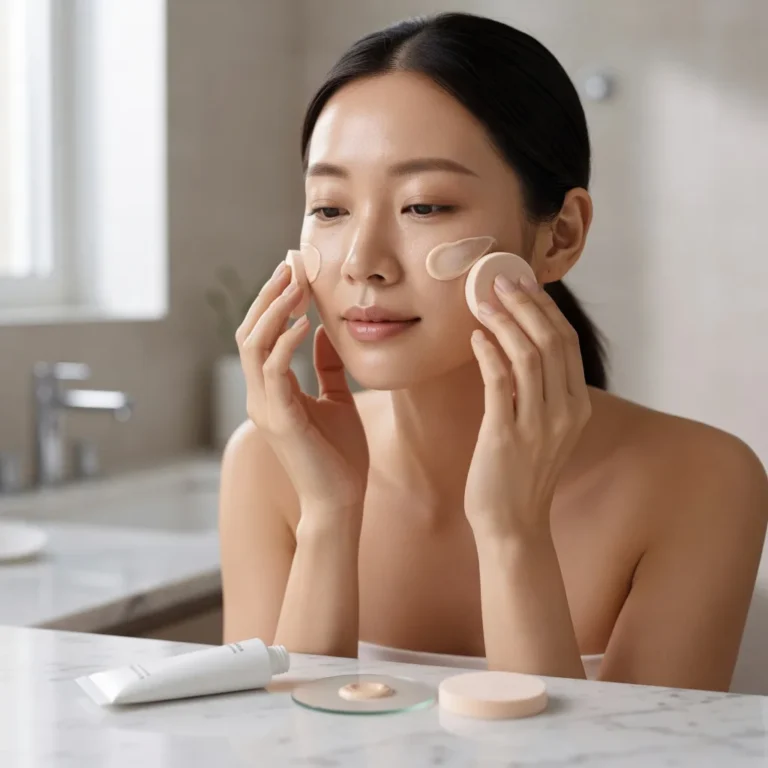

Ceramides for Skin Barrier Repair: How to Use Them Correctly
If your skin feels tight, stings when you apply products, or flakes despite moisturizing, you have probably heard that your skin barrier needs repair. Ceramides are the ingredient most often recommended for that job, and nearly every moisturizer now has the word on the label.
Part of our guide to skincare products. Start with: 10 Best Facial Serums for Aging Skin (2026): Picks by Concern
The question is how to use them so they actually help.

Ceramides are fat-like molecules that make up about half of the skin’s outer layer and act like grout between skin cells, keeping moisture in and irritants out. Moisturizers with ceramides, ideally combined with cholesterol, fatty acids and humectants such as glycerin or hyaluronic acid, can help dry, aging or eczema-prone skin hold water. Apply them to damp skin right after washing, use them consistently for several weeks, and cut back on scrubs and strong actives while the barrier recovers.
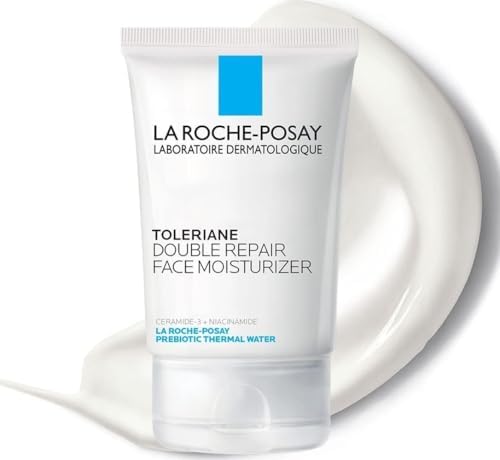
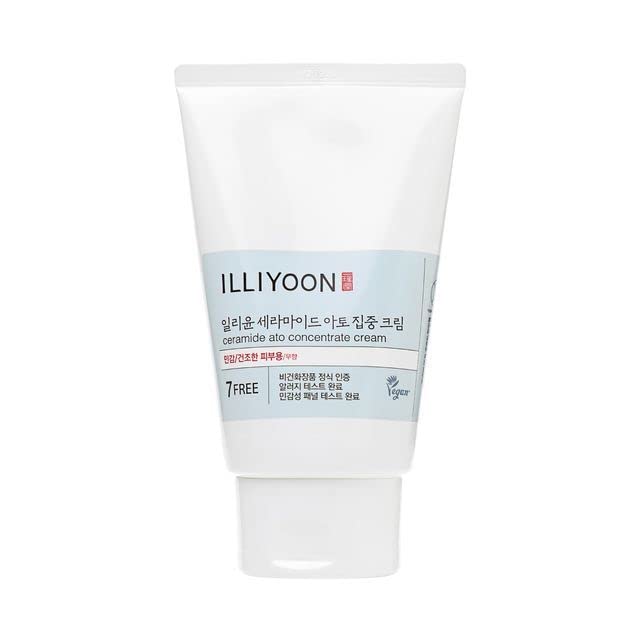
Recommended Ceramide Moisturizers and Barrier Basics



Black Friday is coming: shop the deals with Prime
Cleveland Clinic explains that ceramides make up about half of the skin’s outer layer, that skin makes them naturally but produces fewer as it ages, and that eczema is linked to lower ceramide levels. It also recommends pairing them with emollients, humectants and occlusives and applying moisturizer to damp skin within three minutes of washing.
In this guide we explain what ceramides do, how to spot a good ceramide product, the order in which to apply it, how long repair takes, and when a damaged barrier needs a doctor. We also point out common mistakes, such as stacking exfoliating acids on top of a stressed barrier.
If you want a broader plan, our skin care routine guide and our guide to facial moisturizers for dry skin show how ceramide products fit in.
At a Glance
- Ceramides are lipids that help the skin barrier hold moisture and block irritants.
- They work best with cholesterol, fatty acids and humectants.
- Apply moisturizer to damp skin within a few minutes of washing.
- Barrier repair takes weeks, so be consistent and patient.
- Pause scrubs, strong acids and retinoids if your barrier is irritated.
- Look for named ceramides such as ceramide NP, AP and EOP on the label.
- See a doctor for eczema, severe dryness or a barrier that does not improve.
Contents
- What Ceramides Are and What They Do
- Signs Your Skin Barrier May Need Help
- Types of Ceramides on Ingredient Labels
- How to Choose a Ceramide Product
- How to Use Ceramides Correctly
- How Long Barrier Repair Takes
- What to Pair Ceramides With and What to Avoid
- Do and Do Not
- Common Ceramide Myths
- Who Benefits and Who Should Be Careful
- Honest Limits
- When to See a Professional
- Your Questions, Answered
- Summing Up
What Ceramides Are and What They Do
Ceramides are lipids, which means fat-like molecules, found naturally in the outer layer of skin. Cleveland Clinic describes them as making up about half of that layer and acting like grout between skin cells. Together with cholesterol and fatty acids, they form a seal that keeps water in and irritants out.
When ceramide levels drop, the barrier weakens. Skin loses water more easily, feels tight and rough, and reacts more strongly to products. Aging skin makes ceramides more slowly, and people with eczema often have lower levels.
Skincare ceramides are mostly synthetic, made to match the structure of the skin’s own lipids. They do not replace medical treatment, but they support the barrier so that other care works better.
You can read Cleveland Clinic’s explanation in What Do Ceramides Do for Your Skin?.
Signs Your Skin Barrier May Need Help
A stressed barrier shows up in recognizable ways.
| Sign | What it suggests |
|---|---|
| Tightness after washing | Water loss, harsh cleanser |
| Stinging with normal products | Weakened barrier |
| Flaking and rough patches | Dehydration or over-exfoliation |
| Redness and sensitivity | Irritation or inflammation |
| Breakouts with dry skin | Over-treated acne-prone skin |
These signs can also be caused by medical conditions such as eczema or contact dermatitis, so persistent symptoms deserve a professional look.
The common causes are over-cleansing, hot water, too many exfoliating acids and retinoids, cold dry weather and low humidity.

Types of Ceramides on Ingredient Labels
Ceramides appear on labels under several names, and the differences are confusing. Knowing the common ones helps you read a product instead of trusting the front of the jar.
- Ceramide NP, AP and EOP are the names you will see most often in moisturizers. They are skin-identical lipids, meaning they resemble the ceramides in your own skin.
- Phytoceramides come from plants and are often listed as plant ceramides. They are used in some serums and creams, and sometimes in oral supplements.
- Ceramide-like or pseudo-ceramide ingredients are lab-made molecules that try to behave like ceramides. They are less well known but are used in some Korean formulas.
A formula that pairs ceramides with cholesterol and fatty acids is closer to how the skin barrier is built, which is why many barrier creams list all three. The order of ingredients also matters. A ceramide listed near the end of a long list is present in a small amount.
You do not need to memorize every name. Look for ceramides together with humectants such as glycerin, plus a gentle occlusive such as petrolatum or a plant butter. That combination is usually more useful than a single headline ingredient.
If you are comparing two creams, check the first five ingredients as well as the ceramide names. Water, glycerin and a fatty alcohol near the top usually indicate a comfortable, hydrating base, while a long list of fragrances or essential oils near the top is a reason to be careful if your skin is reactive.
How to Choose a Ceramide Product
Not every product with the word ceramide is equally useful. A few checks help.
- Look for named ceramides such as ceramide NP, ceramide AP and ceramide EOP, plus cholesterol and fatty acids
- Prefer products that also contain glycerin or hyaluronic acid to pull in water
- Choose fragrance-free formulas if your skin is reactive
- Use a lotion or gel-cream in warm weather and a thicker cream in winter
- Check the format: creams and lotions are easier to use consistently than ceramide serums
If labels are confusing, our guide to reading a cosmetic ingredient list helps you find the useful ingredients.
The American Academy of Dermatology also has advice on picking a moisturizer by skin type. See how to pick the right moisturizer for your skin.
How to Use Ceramides Correctly
Technique matters as much as the product.
Cleanse gently
Use lukewarm water and a mild, low-foam cleanser. Pat the skin dry, leaving it slightly damp.
Apply a humectant
If you use a hydrating serum, apply it now while the skin is damp.
Apply the ceramide moisturizer
Smooth it over the face within a few minutes of washing so it traps the water.
Seal if needed
On very dry nights, add a thin layer of a richer cream or balm over the top.
Protect in the morning
Finish the morning routine with broad-spectrum sunscreen.
Cleveland Clinic recommends moisturizing within about three minutes of washing. Waiting longer lets water escape from the skin.
Do not layer ceramides over broken, oozing or infected skin without medical advice. Those conditions need treatment, not only moisturizer.
How Long Barrier Repair Takes
Skin renews on a cycle of several weeks, so expect gradual change.
| Time | What to expect |
|---|---|
| Days 1 to 7 | Skin feels more comfortable and less tight |
| Weeks 2 to 4 | Less flaking and stinging |
| Weeks 4 to 8 | More stable barrier, fewer reactions |
If your skin has not improved in a few weeks, reconsider what else you are using. Heavy exfoliation or irritating actives can undo the work of a moisturizer.
What to Pair Ceramides With and What to Avoid
Ceramides are easy to combine with other ingredients, which is part of their appeal. They work well after hydrating steps and before sunscreen in the morning, or as the last step at night.
| Ingredient | Works well with ceramides? | Notes |
|---|---|---|
| Hyaluronic acid | Yes | Adds water; seal it in with a ceramide cream |
| Niacinamide | Yes | Often paired for barrier support |
| Retinoids | Yes | Ceramides can ease dryness from retinoids |
| Strong exfoliating acids | Use carefully | Do not stack on irritated skin |
| Harsh foaming cleansers | Avoid | They can strip what a ceramide cream replaces |
If your barrier is damaged, strip the routine back to a gentle cleanser, a ceramide moisturizer and sunscreen for a couple of weeks before reintroducing actives. Redness, stinging and tightness are signs that the routine is too much for your skin right now.
Apply ceramide creams to slightly damp skin when possible. Damp skin holds more water, and the cream helps seal it in. Use a fingertip amount for the face and avoid layering several rich creams on top of each other, which can feel heavy and may clog pores on oily skin.
Do and Do Not
Do
- Moisturize twice a day
- Use lukewarm water
- Choose fragrance-free products
- Introduce one new product at a time
- Wear sunscreen daily
Don’t
- Scrub or over-exfoliate
- Stack several strong acids
- Use hot water or harsh cleansers
- Skip moisturizer on oily skin
- Expect results in one night
Common Ceramide Myths
One myth is that more ceramide is always better. There is no proof that a product with a long ceramide list repairs the barrier faster than a simple cream that includes a few. The overall formula, how often you apply it and how well you protect your skin from irritants matter more.
Another myth is that ceramides can reverse aging. They support the barrier and reduce dryness, which can make skin look smoother and plumper. They do not replace sunscreen, retinoids or professional treatments for deeper wrinkles.
A third myth is that oily skin does not need them. Oily skin can still have a damaged barrier, especially if you over-cleanse or use strong acne treatments. A light gel-cream with ceramides can help oily and acne-prone skin stay comfortable without feeling heavy.
Finally, oral ceramide supplements are not a substitute for a moisturizer. Evidence on them is limited, and we do not recommend them as a first step. If you are curious, ask a doctor or pharmacist before starting any supplement.
It is also worth remembering that a moisturizer cannot do everything. If your dryness comes from a condition such as eczema or from medication, a ceramide cream may help comfort but will not replace treatment from your doctor.
Last, be wary of before-and-after photos on product pages. Lighting, hydration and filters can change how skin looks in a single day, so compare your own skin over several weeks instead.
Who Benefits and Who Should Be Careful
Ceramide moisturizers suit dry, aging and eczema-prone skin and anyone using drying treatments such as retinoids. They are also useful in cold or low-humidity weather.
Oily and acne-prone skin can still benefit from a lightweight ceramide lotion, but heavy creams may feel greasy. People with eczema, severe dryness, or conditions such as seborrheic dermatitis should discuss treatment with a doctor.
Always patch test new products, especially if you have reacted to creams before.
Honest Limits
Ceramide products help the barrier recover, but they are not a cure for eczema or other skin conditions. Studies on cosmetic ceramides are mostly small and vary in quality.
The product suggestions here are examples of popular ceramide moisturizers and barrier basics. Check each listing’s ingredient list, since formulas change.
Barrier repair also depends on what you stop doing, such as over-cleansing and exfoliating, not only what you add.
When to See a Professional
See a doctor or dermatologist if your skin is itchy, cracked, red or oozing, or if it does not improve after several weeks of gentle care. Eczema and other conditions often need prescription treatment alongside moisturizer.
This article is for general information and is not medical advice. Rakib Sarwar is a registered pharmacist with a cosmetology course, not a dermatologist. Talk to a doctor or dermatologist about persistent dryness or irritation.
Your Questions, Answered
What do ceramides do for skin?
They help the skin barrier hold moisture and keep irritants out.
Are ceramides good for dry skin?
Yes. Ceramide moisturizers can help dry and aging skin hold water.
Which ceramides are best?
Look for ceramide NP, AP and EOP together with cholesterol and fatty acids.
How often should I use a ceramide moisturizer?
Twice a day on clean, damp skin works for most people.
Can ceramides help eczema?
They can support the barrier, but eczema needs medical treatment as well.
Can oily skin use ceramides?
Yes, in a lightweight lotion or gel-cream.
Can I use ceramides with retinol?
Yes. They often help reduce dryness from retinoids.
Do ceramides clog pores?
Most are not comedogenic, but heavy creams can feel greasy on oily skin.
How long until my barrier recovers?
Several weeks with consistent gentle care.
Do I need ceramides if my skin is fine?
Not necessarily, but they are a good option for dry or stressed skin.
Summing Up
Ceramides are a simple way to support a stressed skin barrier, but they work best when you also stop the habits that damaged it. Moisturize on damp skin, keep the routine gentle and give it a few weeks.
If your skin stays irritated, talk to a doctor.

Written by
Registered pharmacist and founder of Facial Adviser. Rakib's pharmacy training covers how skincare actives work and interact; a later course in cosmetology turned that into a focus on facial treatments and skincare products. He plans, researches and edits every guide on the site and checks health claims against sources such as the American Academy of Dermatology, the FDA and the NIH. He is not a dermatologist; see the Editorial Policy and Medical Disclaimer.
About · Editorial policy · How we choose products · Medical disclaimer · Contact
Keep reading: Serums and actives
- 10 Best Facial Serums for Aging Skin (2026): Picks by Concern
- Squalane vs Hyaluronic Acid: Which Does Your Skin Need?
- Niacinamide or Hyaluronic Acid: Pick Both?
- Antioxidant Facial Treatment: What Holds Up
- Vitamin C Facial: What the Real Data Shows
- Collagen Facial Treatment: What the Evidence Shows
- 10 Best Facial Moisturizers for Dry Skin (2026): Rich, Gentle Creams
- 10 Best Face Masks for Every Skin Type (2026): Clay, Gel and Sheet
Build a spa-like routine with ad-free music