Hypochlorous Acid Spray for Face: What It Does and How to Use It
Hypochlorous acid spray has moved from clinic supply rooms to bathroom shelves, and the promises have grown with it: calms redness, clears breakouts, cleans pores, helps everything heal. Some of that rests on real chemistry. Some of it is marketing running ahead of the studies.
Part of our guide to body and other. Start with: 10 Best Body Tools for Skincare and Massage (2026): Smooth and Relax
This guide separates the two so you can decide whether a bottle belongs in your routine.
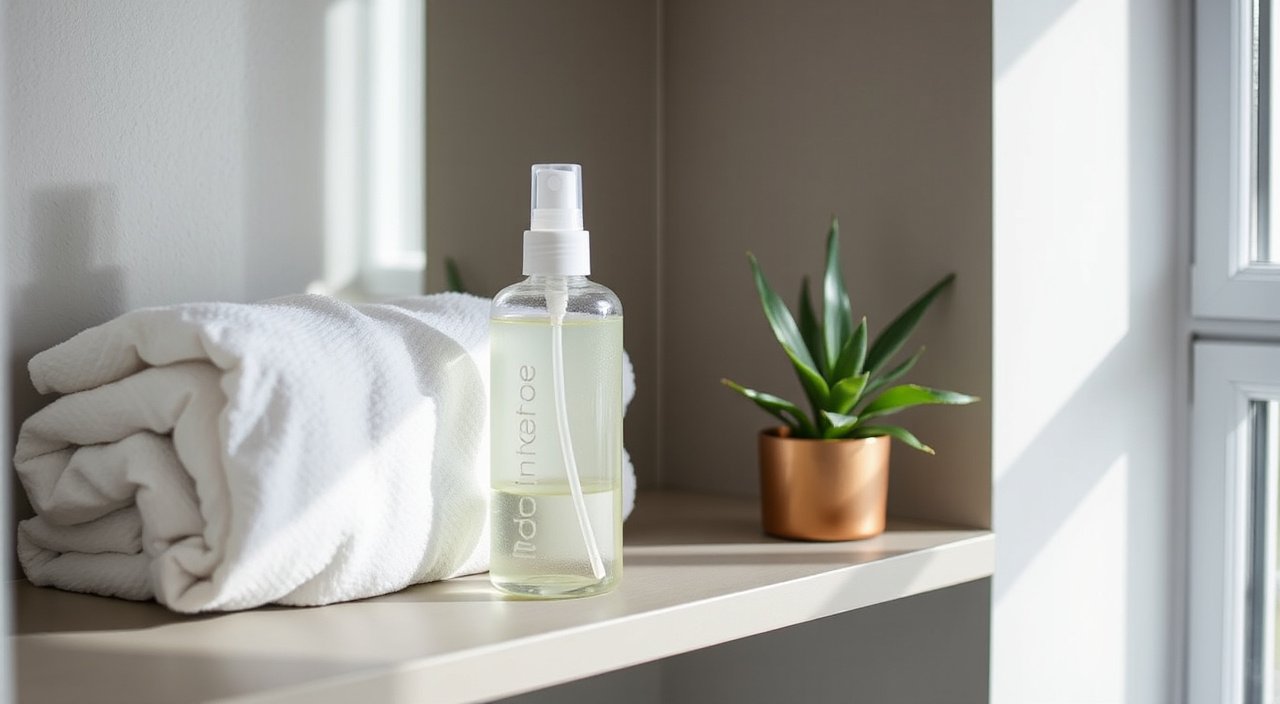
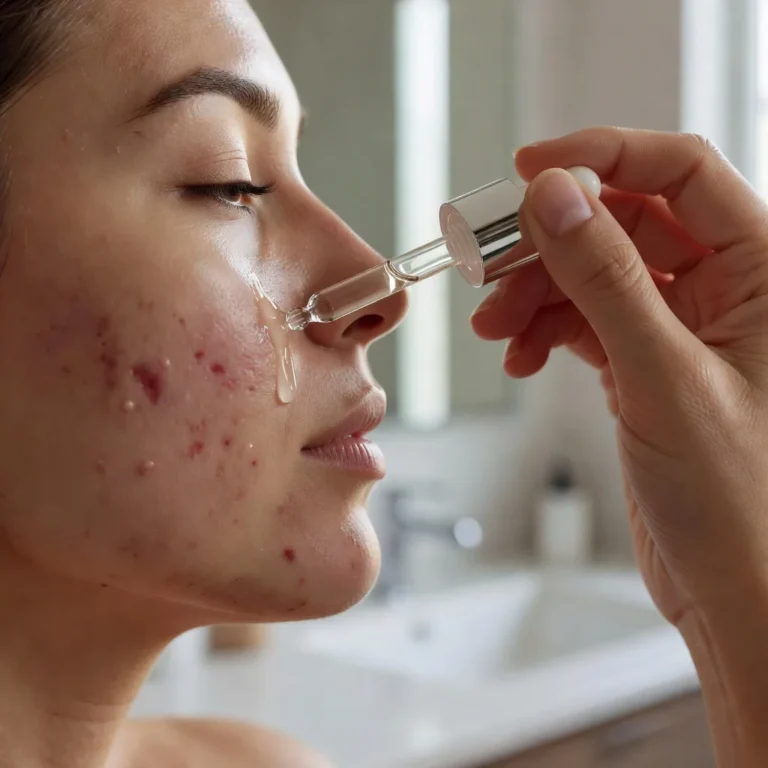
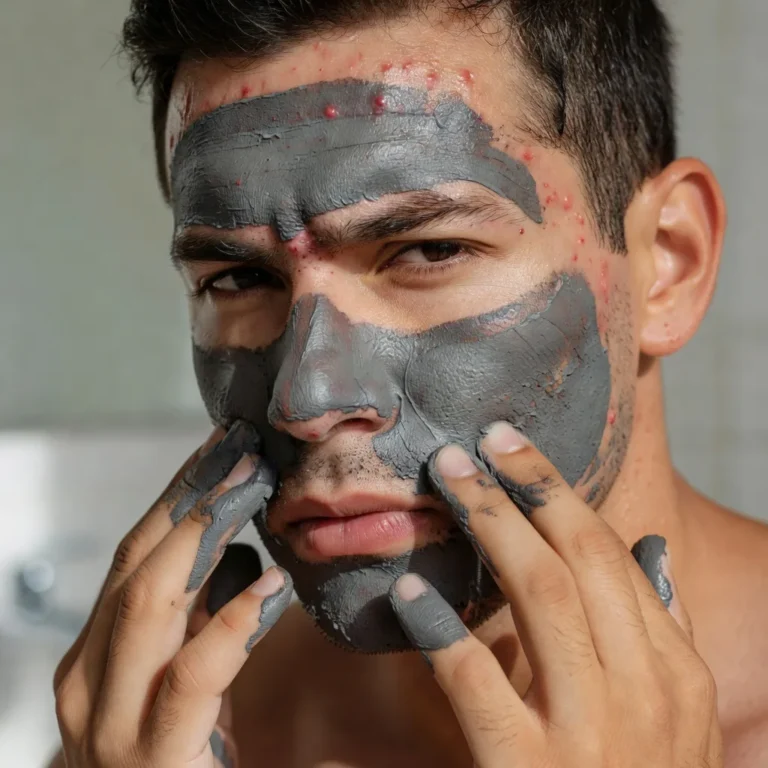
Hypochlorous acid (HOCl) is a mild, water-based antimicrobial that your own white blood cells make to fight germs. In a face spray it works as a gentle mist that lowers the number of microbes on the skin surface and leaves skin feeling clean and calm, without the sting of alcohol. It is a cosmetic-style care step, not a cure for acne, eczema or infection. Most people spray it on after cleansing and before moisturizer, once or twice a day. Expect modest benefits for surface irritation, razor bumps and breakout-prone skin, and see a clinician for deep, painful or spreading lesions.
Black Friday is coming: shop the deals with Prime
In short: HOCl is a low-risk add-on for oily, breakout-prone or easily irritated skin, and a poor substitute for treatments with proven acne results. Its value depends on a fresh, well-packaged product, so what you buy matters as much as how you use it.
A 2025 summary of clinical studies in the journal Biomedicines describes HOCl as part of the human immune response with antimicrobial and anti-inflammatory properties, and says it is generally well tolerated.
The same paper is candid that evidence for acne in particular is limited and that results across studies are not fully consistent. We keep that balance throughout this article.
Below you will find how HOCl works, what to look for on a label, a step-by-step routine, honest limits and when to see a professional, plus seven sprays we shortlisted from widely reviewed listings. If you are building a routine from scratch, our skin care routine guide is a good companion read.
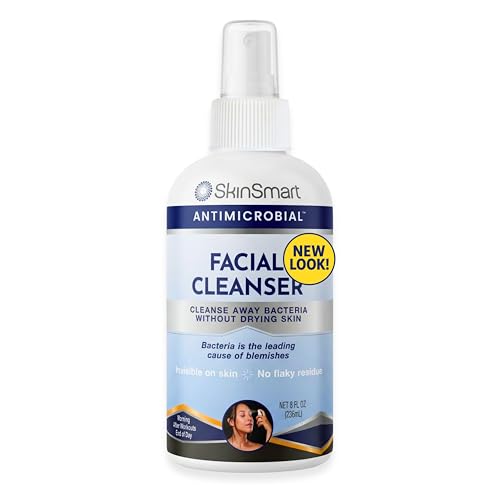
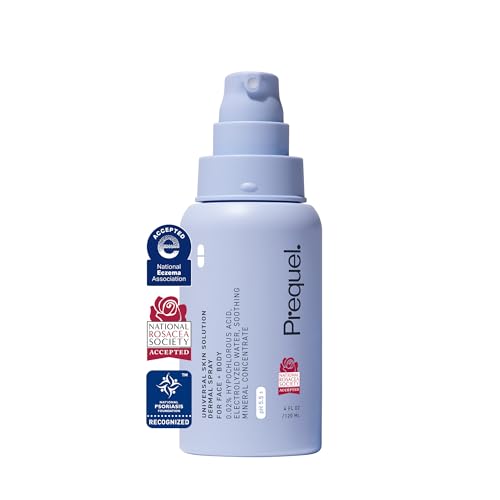
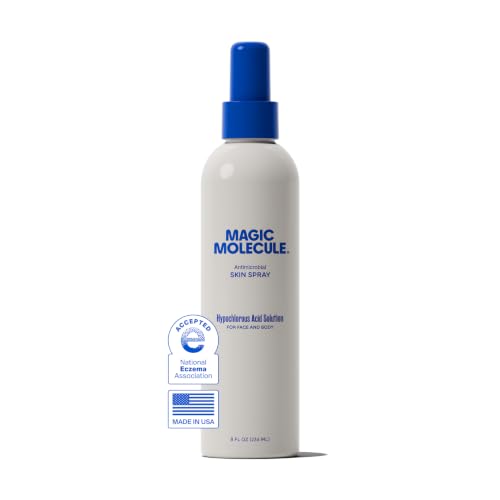
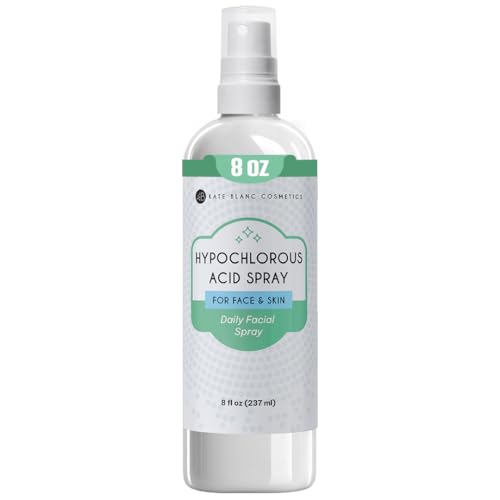
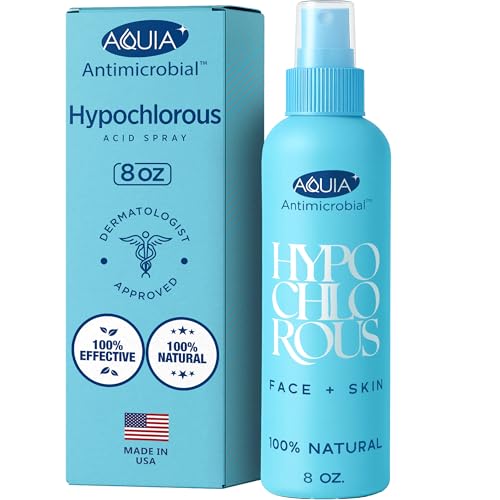
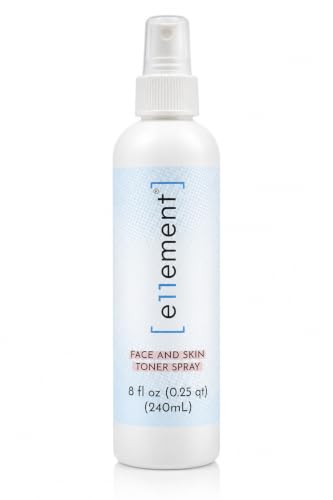
Recommended Hypochlorous Acid Sprays for Face

Quick Answer
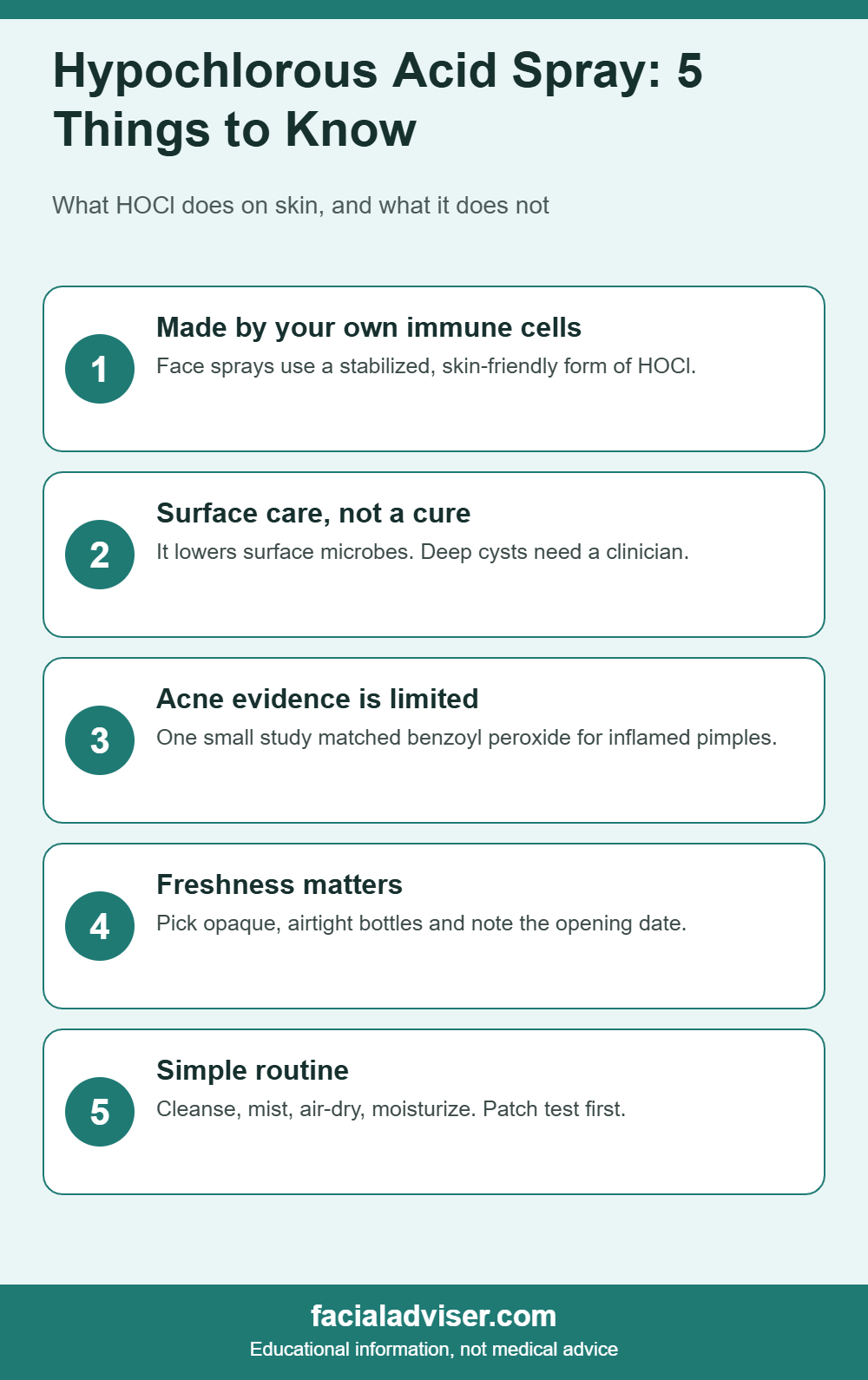
- HOCl is made naturally by white blood cells; face sprays use a stabilized, skin-friendly version of it.
- It reduces surface microbes and can calm irritation, but it does not treat deep cystic acne.
- Evidence for acne is limited: one small comparison found a related solution similar to benzoyl peroxide for inflamed pimples.
- Freshness matters: choose opaque, airtight packaging and use the bottle within the stated window.
- Spray after cleansing on dry or damp skin, let it air-dry, then moisturize.
- Patch test first and stop if you notice stinging, itching or new redness.
- Persistent, painful or spreading breakouts deserve a professional opinion, not more sprays.
In This Guide
What Hypochlorous Acid Actually Is
Hypochlorous acid is a small molecule formed when chlorine dissolves in water at a mildly acidic to neutral pH. Your body makes it too: immune cells called neutrophils release it when they meet bacteria, fungi or viruses. That natural role is why skincare brands call it “skin-identical.”
The word chlorine makes people nervous, and it is worth being precise. HOCl is not bleach and it is not pool water. Household bleach is sodium hypochlorite, a stronger and more alkaline relative.
In a properly made HOCl spray the active ingredient is a tiny amount of HOCl in salt water, buffered to a skin-friendly pH.
That chemistry has one practical catch: HOCl is unstable. Light, heat, air and time break it down, which is why the packaging and the date on the bottle carry real weight.
How It Works on Skin
On the skin surface HOCl reacts with proteins and fats in microbes, which disrupts their membranes and enzymes. Human skin cells are better protected by their own antioxidant systems and are largely spared at the low strengths used in cosmetic sprays.
Researchers also describe anti-inflammatory effects, including reduced itch signaling, though most of that work comes from clinical wound care rather than everyday face care.
For an everyday user, that translates to three plausible benefits: fewer surface microbes on oily or breakout-prone skin, a calmer feel on irritated skin, and a gentle option for cleaning skin after shaving or sweating. The table compares HOCl with other things people spray or wipe on their faces.
| Option | Main job | Typical drawback |
|---|---|---|
| HOCl spray | Lowers surface microbes, soothes | Breaks down over time; modest effect on acne |
| Alcohol-based toner or wipe | Degreases, quick-dry feel | Can sting and dry out skin |
| Witch hazel toner | Mild astringent feel | May irritate sensitive skin; weak antimicrobial role |
| Benzoyl peroxide wash or gel | Proven acne treatment | Dryness, bleaching of fabrics |
| Plain thermal water mist | Hydrating feel | No antimicrobial action |
What the Evidence Says (and Does Not)
Most clinical HOCl research is in wound care, where solutions at 100 to 200 parts per million have been used to lower bacterial load and support healing. For facial skin the picture is thinner.
The 2025 summary linked above lists acne vulgaris among conditions where HOCl has been tried, then notes that only one study, using a super-oxidized solution, found it as effective as benzoyl peroxide for inflammatory acne.
One small study is a signal, not a verdict. It does not show that a drugstore spray will clear your skin, and it does not compare products. Treat HOCl as a supporting player.
In practice, the strongest case for HOCl on the face is tolerability. Summaries of the clinical literature repeatedly describe it as gentle on skin and mucous membranes compared with older antiseptics, which is why it appears in aftercare kits and in products for sensitive eyelids.
That gentleness is the point: you are choosing a low-risk step, not a high-powered one. If a spray does nothing visible after four to six weeks of steady use, that is useful information. Stop buying more bottles and reassess your routine instead.
Clinicians use medical-grade HOCl products after procedures. If you have had surgery, a peel or laser work, follow your clinician’s aftercare instructions rather than choosing a spray yourself.
If you have clogged pores and surface bumps, our guide to cleansers for hormonal breakouts covers the core step that matters more than any mist.
Who May Benefit and Who Should Skip It
HOCl sprays tend to suit people with oily, combination or reactive skin who want a gentle antimicrobial step. Shavers like it because it is not stingy on small nicks and razor irritation. People who sweat during workouts use it as a light freshening step when they cannot cleanse right away.
Good Habits
- Use it after cleansing as a light extra step
- Choose opaque, airtight bottles and note the opening date
- Spray on after shaving or sweating
- Patch test behind the ear or on the jaw first
Common Mistakes
- Expect it to clear deep cysts or nodules
- Spray it into your eyes or mouth
- Layer it right after antioxidant serums and expect both to work
- Keep using a bottle that smells strongly of bleach or has sat open for months
Skip it, or ask first, if you have a known allergy to ingredients in the formula, very broken skin, or a diagnosed condition such as eczema or rosacea being managed by a clinician. For redness-prone skin, our notes on calming inflamed red patches may help you decide what to try first.
How to Use It: Step by Step
Cleanse first
Wash with a gentle cleanser and rinse well. HOCl is meant to follow clean skin, not replace the wash.
Pat skin dry or leave slightly damp
Either works. A bone-dry face lets you see exactly where you sprayed.
Hold the bottle 15 to 20 cm away
Close your eyes and mouth and mist evenly. Two to four sprays usually cover the face.
Let it air-dry
Wait about a minute. Do not rub it in. Skip towels so the film stays on the surface.
Follow with moisturizer
A light, fragrance-free moisturizer locks in comfort. Add sunscreen in the morning.
Repeat once or twice a day
More is not better. Stop for a few days if skin feels tight, itchy or stingy.
Keep the bottle in a drawer or cabinet away from sunlight and steamy bathrooms. Light and heat shorten the life of HOCl more than anything else.
What to Look for on the Label
Labels vary widely, and the details tell you whether a spray is likely to stay stable.
| Label detail | Why it matters | What to look for |
|---|---|---|
| Packaging | Light and air degrade HOCl | Opaque, sealed pump or airtight spray |
| Ingredient list | Short lists mean fewer irritants | Water, HOCl, sodium chloride; few extras |
| pH or strength notes | Potency depends on pH | Mildly acidic to neutral; clear ppm statement if given |
| Date or shelf-life guidance | Strength fades with time | Production date or use-within window |
| Fragrance | Common irritant | Fragrance-free |
| Size | Fresh matters more than volume | Smaller bottles if you use it rarely |
Do not mix HOCl with other cleaning products, and do not make it at home from household bleach. Mixing chlorine-containing products with acids or ammonia can release harmful gases, and homemade solutions have no safety testing for skin.
HOCl Versus Other Breakout Helpers
It helps to remember where HOCl sits next to ingredients with stronger track records for acne. Benzoyl peroxide, salicylic acid, adapalene and azelaic acid have been studied extensively and are the usual first-line options. HOCl may sit beside them as a gentler support, particularly for people who find stronger actives drying.
A simple routine for a breakout-prone person might be a gentle cleanser, an evidence-backed active at night, HOCl on mornings after shaving or sweating, moisturizer and sunscreen. If you are unsure how ingredients stack, our guide to reading a cosmetic ingredient list shows how to spot overlaps.
Honest Limits
No spray replaces sleep, sunscreen, a gentle routine or medical care. Studies on HOCl vary in strength, delivery and population, so results do not transfer neatly to any single bottle. Cosmetic sprays are not tested against each other, and labels rarely give independent proof of strength or shelf life.
Some people notice a faint chlorine smell, mild tightness or a brief tingle. Those are usually harmless, but persistent stinging is a reason to stop. We recommend products from widely reviewed listings with clear labeling, based on research and listing details, not lab testing of our own.
When to See a Professional
Book an appointment if breakouts are deep, painful or leaving scars, if one patch is spreading or weeping, if you have fever with skin changes, or if a spray makes skin worse. Itchy, uniform small bumps on the chest or back may also be a yeast-related folliculitis, which needs a different approach than ordinary acne.
This article is for general information and is not medical advice. It does not diagnose or treat any condition. Talk to a doctor, pharmacist or dermatologist about persistent skin problems or before using a new product on broken skin.
Your Questions, Answered
What does hypochlorous acid spray do for your face?
It lowers the number of microbes on the skin surface and can leave skin feeling calm and clean. It is a supporting care step, not a treatment for acne or infection.
Is hypochlorous acid the same as bleach?
No. Bleach is sodium hypochlorite, which is stronger and more alkaline. A skin spray contains a small amount of hypochlorous acid in buffered salt water at a skin-friendly pH.
Can hypochlorous acid clear acne?
Not on its own. A 2025 summary of clinical studies notes limited acne evidence, including one study where a related solution matched benzoyl peroxide for inflamed pimples. Proven acne ingredients still come first.
How often should I use it?
Once or twice daily is typical. Start with once a day and watch your skin before adding more.
Do I rinse it off?
No. Let it air-dry, then apply moisturizer. Rinsing removes the thin film you just applied.
Can I use it with retinol, vitamin C or acids?
Many people do, but HOCl can react with antioxidants such as vitamin C. Use them at different times of day, and keep strong acids and retinoids on separate nights if your skin is sensitive.
Does it expire?
Yes. HOCl fades with light, heat and air. Check dates, pick opaque airtight packaging and replace a bottle that smells strongly of chlorine.
Is it safe for sensitive skin?
Studies describe good tolerability, but any new product can irritate. Patch test first and stop if you notice itching, stinging or redness.
Can I spray it on my eyes?
Face sprays are not made for the eye. Close your eyes when you mist. Eyelid-specific HOCl products exist for blepharitis, and an eye doctor should guide that use.
Is hypochlorous acid good after shaving?
Many shavers like it for mild razor irritation because it is gentle on skin. Avoid it on deep cuts and ask a clinician about wounds that bleed or look infected.
Summing Up
Hypochlorous acid spray is a sensible, low-drama addition for oily, breakout-prone or easily irritated skin when you choose a fresh, well-packaged bottle. It supports a routine; it does not replace one.
Start with a single spray after cleansing, keep the bottle cool and dark, and give it a few weeks before judging. If your skin is not improving or getting worse, move on to a professional opinion rather than adding more products.

Written by
Registered pharmacist and founder of Facial Adviser. Rakib's pharmacy training covers how skincare actives work and interact; a later course in cosmetology turned that into a focus on facial treatments and skincare products. He plans, researches and edits every guide on the site and checks health claims against sources such as the American Academy of Dermatology, the FDA and the NIH. He is not a dermatologist; see the Editorial Policy and Medical Disclaimer.
About · Editorial policy · How we choose products · Medical disclaimer · Contact
Keep reading: Body care and more
- 10 Best Body Tools for Skincare and Massage (2026): Smooth and Relax
- Skin Flooding: The Layering Method Explained Step by Step
- Is a Muscle Massage Gun Worth It? What the Evidence Says and Who Benefits
- Jeroboam Gozo Perfume: Notes, Wear and Who It Suits
- 10 Best Massage Chairs Under $2,000 (2026): Full-Body Picks for Home
- 10 Best Massage Chairs Under $500 (2026): Budget Recliners With Heat
Prime for Young Adults: a longer free trial and a lower price after it