What Is the Difference Between Makeup and Skincare?
The line between makeup and skincare has become blurry. Foundations promise hydration, serums come tinted, and lip balms add color. Beauty shelves mix both together, and it is easy to wonder whether a tinted moisturizer counts as makeup, skincare, or both. The confusion is understandable, and it affects how people build their routines.
Part of our guide to makeup how-to. Start with: How to Properly Put On Face Makeup: The Right Order, Step by Step
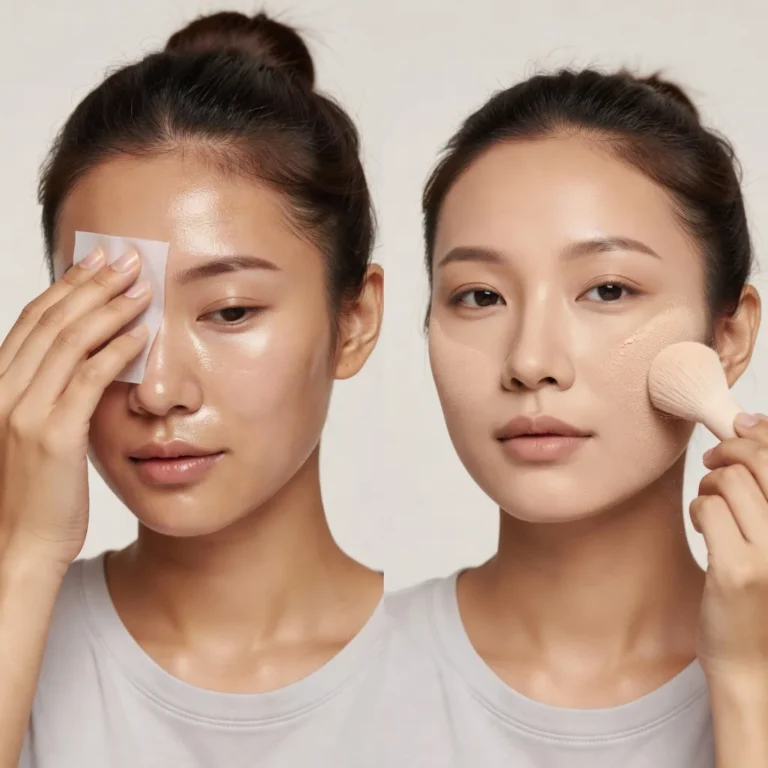
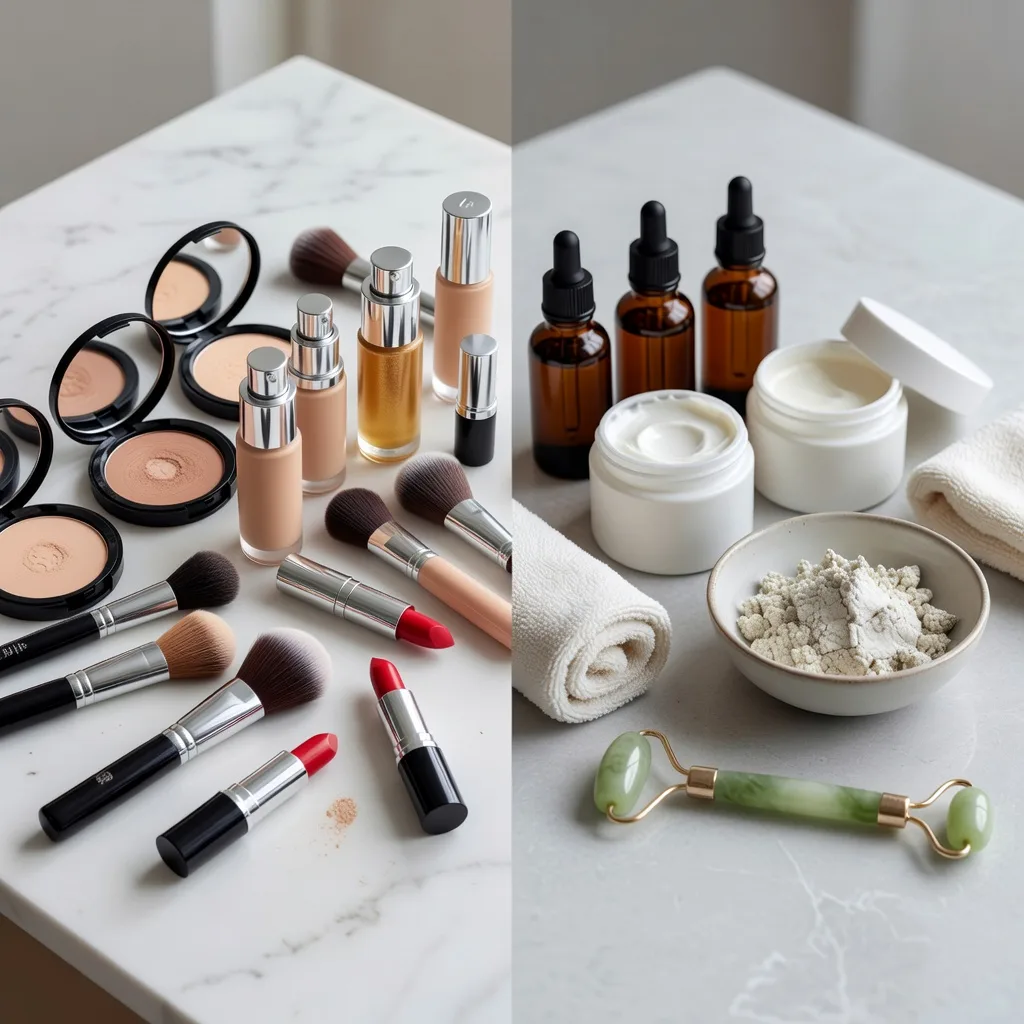
The simplest way to tell them apart is by purpose. Makeup changes how your skin looks right now, and it washes off at the end of the day. Skincare aims to change or support how your skin behaves over time, by cleansing, hydrating, protecting, or treating it.
That difference affects how you use them. Skincare usually goes on first, often morning and night, and works best with consistent use over weeks or months. Makeup goes on top, can be adjusted day by day, and gives instant but temporary results. Knowing which is which helps you set realistic expectations for both.
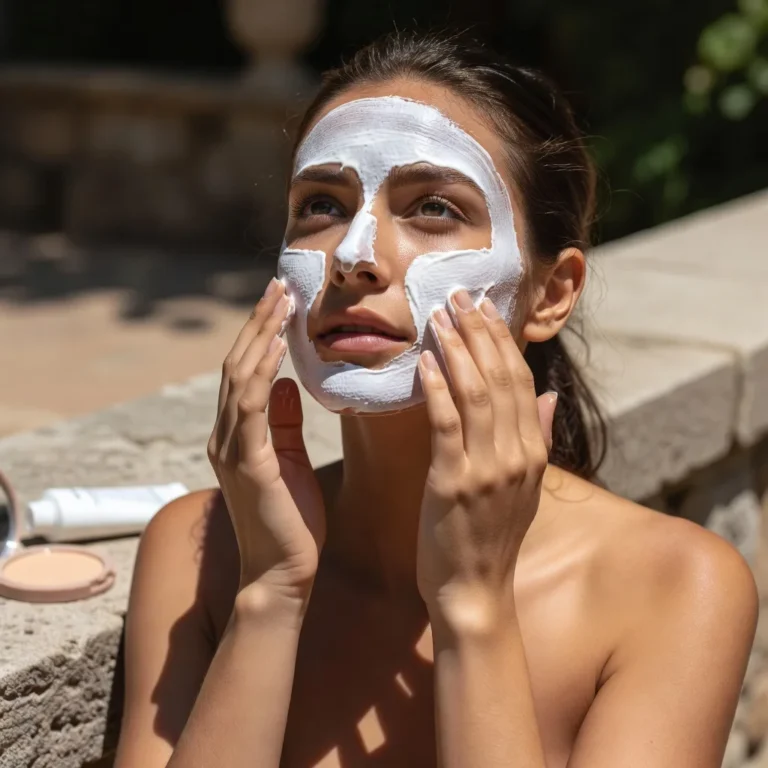
Some products are genuinely both. A tinted sunscreen protects skin and evens tone; a BB cream hydrates and covers. Even so, most dermatologists suggest treating sun protection and core skincare as the priority, with makeup as an optional layer on top.
This guide explains what each category does, where they overlap, how to order them in a routine, how to decide where to spend your time and money, and when skin problems need more than either one can offer.
Shopping these picks?
Amazon Prime members get fast, free shipping on eligible items, plus Prime Video, Amazon Music and member deals. New members can start with a free trial.
Start a free Prime trialAged 18 to 24? Prime for Young Adults comes with a longer free trial and a lower price after it.
Affiliate link: we may earn a commission at no extra cost to you.
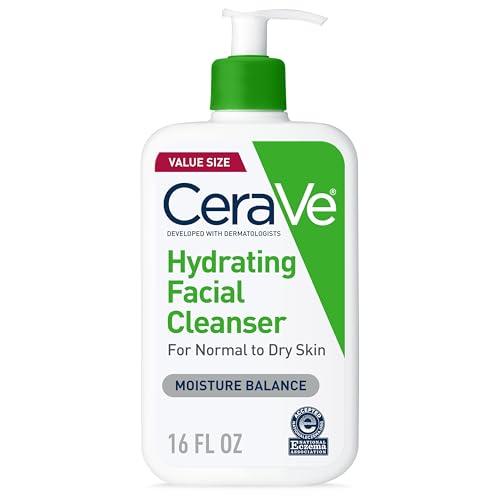
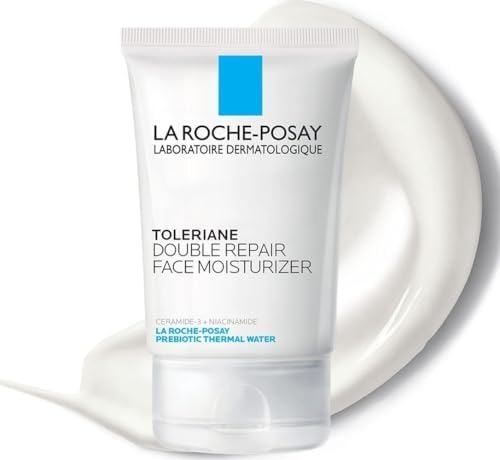
Recommended Skincare and Makeup Essentials

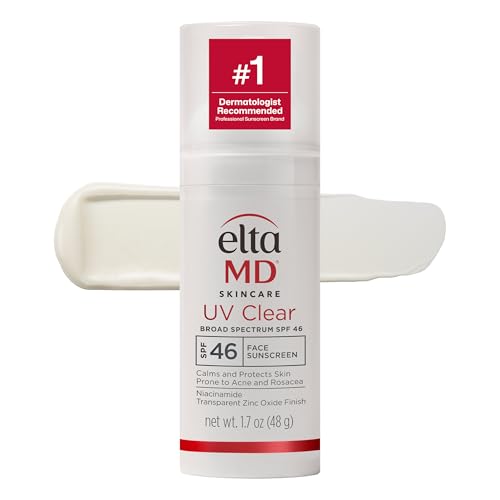
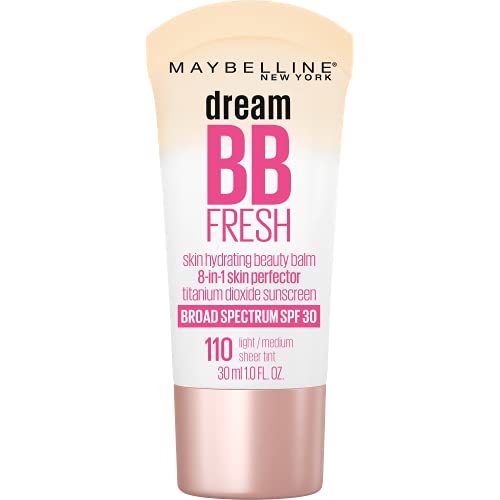


Jump to a Section
- What Makeup Does
- What Skincare Does
- Makeup vs Skincare at a Glance
- Where Makeup and Skincare Overlap
- How to Balance Both in Your Routine
- The Right Order: Skincare First, Makeup Second
- Skincare Basics by Skin Type
- Making Skincare and Makeup Work Together
- Where to Spend Your Time and Money
- What Neither Can Do Alone
- When You Need More Than Makeup or Skincare
- FAQ
- Where This Leaves You
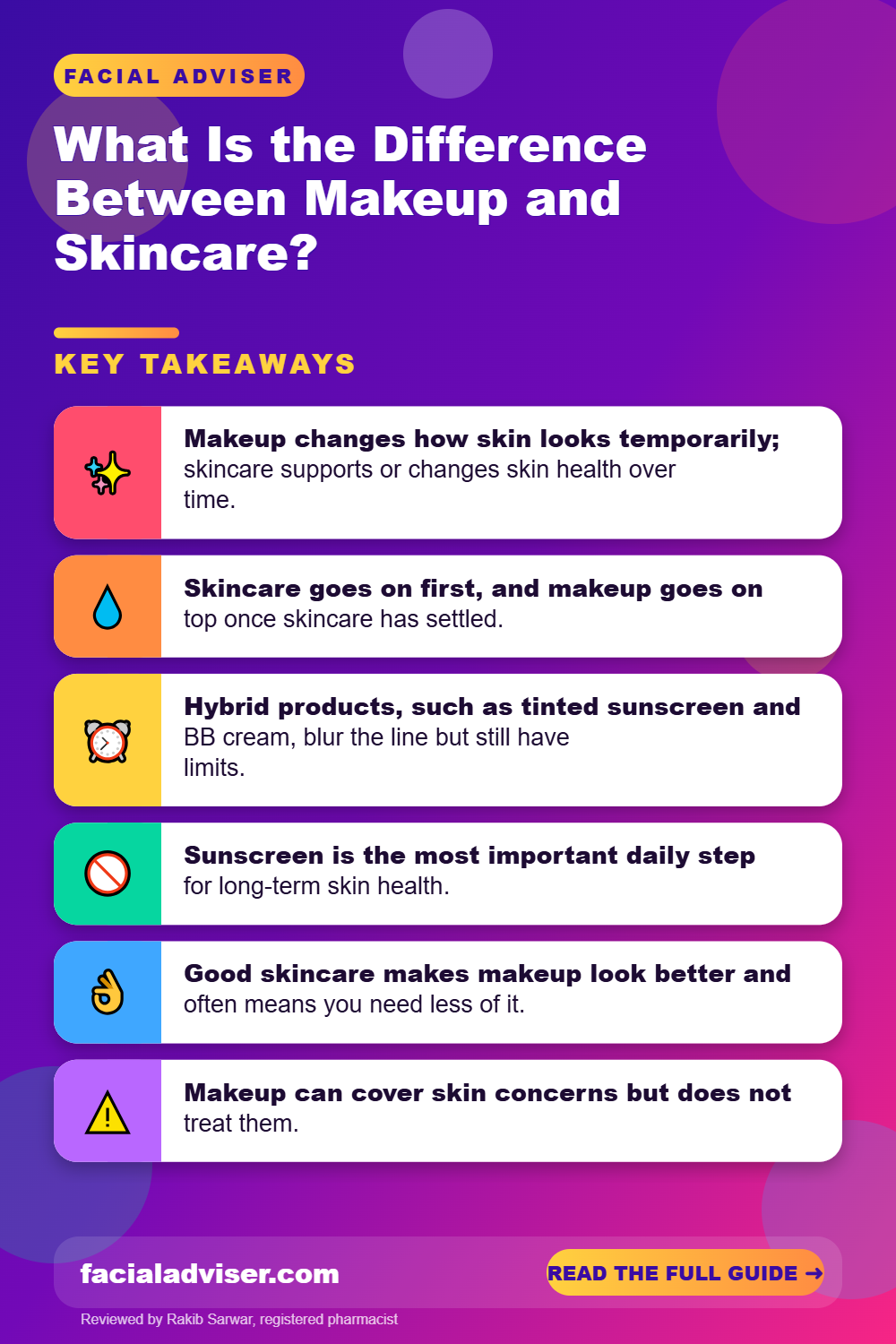
Key Takeaways
- Makeup changes how skin looks temporarily; skincare supports or changes skin health over time.
- Skincare goes on first, and makeup goes on top once skincare has settled.
- Hybrid products, such as tinted sunscreen and BB cream, blur the line but still have limits.
- Sunscreen is the most important daily step for long-term skin health.
- Good skincare makes makeup look better and often means you need less of it.
- Makeup can cover skin concerns but does not treat them.
- Persistent acne, redness, or pigmentation need treatment, not just coverage.
What Makeup Does
Makeup is designed to change or enhance appearance. Foundation and concealer even out tone and cover blemishes, blush and bronzer add color and warmth, eye makeup defines the eyes, and lip products add color and shine.
Its effects are immediate and temporary. You can change your look from one day to the next, and everything comes off with cleansing. That flexibility is one of the joys of makeup, but it also means it does not change the underlying skin.
Many makeup products now include skin-friendly ingredients such as hyaluronic acid, niacinamide, or antioxidants. These can make the product more comfortable to wear, but they are usually present in small amounts and are not a substitute for a skincare routine.
If you are also curious how makeup fits into the wider world of cosmetics and drugs, our guide on makeup vs cosmetics explains the legal definitions.
Makeup also has emotional and social value. Many people enjoy it as creative expression or find it boosts their confidence, which is a perfectly good reason to wear it, as long as the skin underneath is cared for too.
What Skincare Does
Skincare aims to keep skin healthy and, in some cases, change how it looks and behaves over time. The core steps are simple: cleanse, moisturize, and protect with sunscreen. Treatment products such as retinoids, exfoliating acids, vitamin C, and acne treatments target specific concerns.
Unlike makeup, skincare usually works gradually. Moisturizer improves comfort within minutes, but results from a retinoid or an exfoliant often take several weeks to months. Consistency matters far more than any single product.
Some skincare products are regulated as drugs in the United States, including sunscreens and many acne treatments, because they make claims about preventing or treating conditions.
Good skincare also supports makeup. Hydrated, well-cared-for skin gives makeup a smoother base, so you often need less coverage.
A simple way to think about skincare is in three layers: cleanse to remove what does not belong on the skin, treat with products that target your concerns, and protect with moisturizer and sunscreen. Everything else is optional.
Makeup vs Skincare at a Glance
| Feature | Makeup | Skincare |
|---|---|---|
| Main purpose | Change appearance | Support or improve skin health |
| How fast it works | Instantly | Gradually, over weeks to months |
| How long it lasts | Until removed | Builds with consistent use |
| When it goes on | After skincare | First, on clean skin |
| Typical products | Foundation, concealer, blush, mascara, lipstick | Cleanser, moisturizer, sunscreen, serums, treatments |
| Can it treat conditions? | No, it can only cover them | Some products can, especially medicated ones |
| Removed at night? | Yes | Night products stay on |
A useful way to think about it is that skincare looks after the canvas, and makeup is the paint on top.
Where Makeup and Skincare Overlap
Hybrid products combine color with skincare benefits. They can simplify a routine, but it helps to understand their limits.
- Tinted sunscreen: adds light coverage and sun protection. Tinted mineral sunscreens with iron oxides also help protect against visible light, which can worsen dark spots.
- BB and CC creams: combine light coverage, hydration, and often SPF.
- Serum foundations and skin tints: lightweight coverage with hydrating ingredients.
- Tinted lip balms: moisturize lips while adding a hint of color.
- Medicated concealers: some contain salicylic acid for blemishes.
SPF in makeup is rarely enough on its own. Sunscreen values are tested with a generous amount of product, far more than most people apply as makeup. A separate sunscreen underneath is the safer choice.
Hybrids work best for people with fairly simple needs who want to save time. If you have a specific concern, such as acne or melasma, a dedicated treatment product under a hybrid is usually more effective than relying on the hybrid alone.
How to Balance Both in Your Routine
This simple plan helps you get the most from each without overloading your skin.
Start with the skincare basics
Cleanse gently, moisturize, and apply broad-spectrum sunscreen of SPF 30 or higher every morning.
Add one treatment if needed
If you have a specific concern, such as acne or dark spots, add one targeted product, often at night, and give it several weeks.
Let skincare settle
Wait a few minutes after sunscreen before applying makeup, so both perform well.
Keep makeup light
Use makeup where you want it rather than covering everything. Good skincare usually means you need less.
Remove makeup at night
Cleanse gently every evening, then apply your night skincare to clean skin.
If time or budget is limited, prioritize sunscreen and a good moisturizer over extra makeup products.
The Right Order: Skincare First, Makeup Second
In the morning, a typical order is cleanser, any water-based serum, moisturizer, and sunscreen, followed by makeup once everything has settled. At night, remove makeup, cleanse, and apply treatment products and moisturizer.
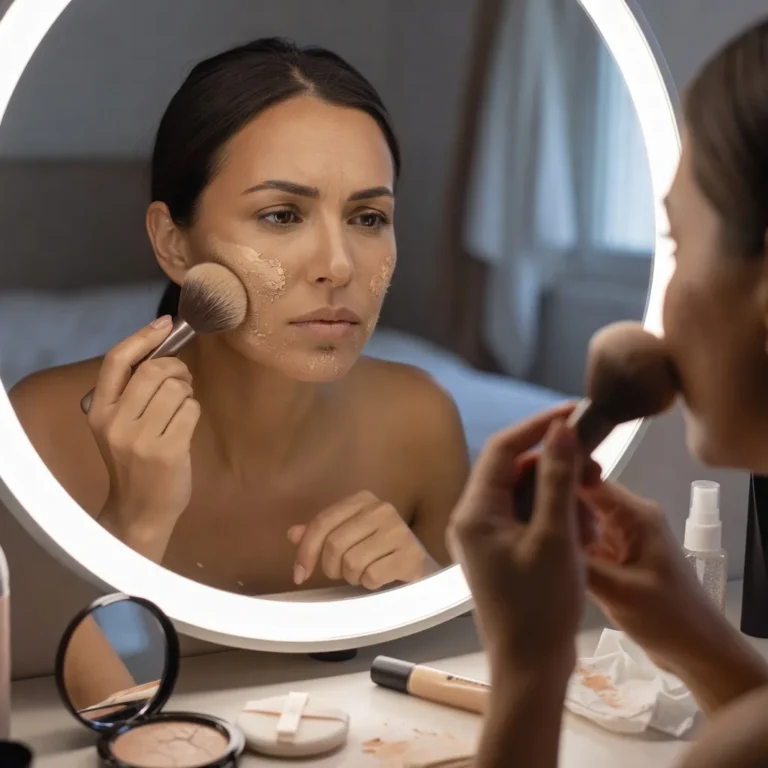
Applying makeup before skincare has settled can cause pilling and patchiness. Our step-by-step guide on how to put on face makeup explains the makeup order in detail.
Try This
- Apply skincare to clean skin.
- Wait a few minutes before makeup.
- Choose makeup that suits your skin type.
- Remove makeup every night.
- Give skincare treatments time to work.
Avoid This
- Skip sunscreen because makeup has SPF.
- Layer many active products at once.
- Sleep in makeup.
- Expect makeup to fix skin problems.
- Change skincare every few days.
If you use many products, simplify on busy mornings. Cleanser, moisturizer, sunscreen, and one or two makeup items are enough for most days.
Skincare Basics by Skin Type
The core skincare routine is similar for everyone, but the textures and extras change with skin type.
- Oily skin: a gentle foaming or gel cleanser, a lightweight gel moisturizer, and a fluid sunscreen. Salicylic acid can help with clogged pores.
- Dry skin: a creamy cleanser, a richer moisturizer with ceramides, and a hydrating sunscreen. Avoid harsh exfoliants.
- Combination skin: a mild gel cleanser, a light moisturizer, and extra hydration on dry areas only.
- Sensitive skin: fragrance-free basics with short ingredient lists, introduced one at a time.
- Mature skin: a hydrating cleanser, a nourishing moisturizer, daily sunscreen, and a retinoid at night if tolerated.
Once the basics suit your skin, makeup usually applies more smoothly and lasts longer.
Making Skincare and Makeup Work Together
A few small habits help your skincare and makeup cooperate instead of fighting each other.
Use lighter skincare textures in the morning and save richer creams for night, when there is no makeup on top. Too many layers of serum and moisturizer before makeup can cause pilling and sliding.
Apply active treatments such as retinoids and strong acids at night. They can make skin more sensitive and are best kept away from makeup application in the morning.
If your makeup always looks patchy or dry, look at your skincare first. Dehydration, over-exfoliation, or an unsuitable moisturizer are often the real problem, and adjusting them can transform how makeup looks.
Where to Spend Your Time and Money
If you are building a routine on a budget, most dermatologists would suggest putting sunscreen and a good moisturizer first. These have the biggest long-term impact on how your skin looks and feels.
After that, one or two targeted treatments for your main concerns often do more than a large collection of makeup. Many excellent cleansers, moisturizers, and sunscreens are affordable drugstore products.
Makeup spending is more personal. Many people find that a few versatile products, such as a skin tint, concealer, mascara, and a cream blush, cover most needs.
It also helps to spend time rather than money. Applying sunscreen generously, removing makeup every night, and sticking with products long enough to judge them are free habits that make a real difference.
What Neither Can Do Alone
| Belief | Reality |
|---|---|
| Makeup with skincare ingredients replaces skincare | The amounts are usually too small to act as treatment |
| Skincare works instantly | Most results take weeks to months |
| Heavy makeup protects skin | Only sunscreen reliably protects from UV |
| Skincare makes makeup unnecessary | Makeup is optional and personal |
| More products mean better skin | A simple, consistent routine usually works best |
Our guide on whether makeup messes up your skin covers how to wear makeup without causing problems.
The best results usually come from letting each do its own job well.
When You Need More Than Makeup or Skincare
See a dermatologist if you notice:
- Acne that is painful, leaves scars, or does not improve after a few months.
- Persistent redness, flushing, or visible vessels.
- Dark patches that spread or darken.
- Rashes or irritation from many products.
- A mole or spot that changes in size, shape, or color.
- Very dry, scaly, or itchy skin that does not respond to moisturizer.
Do not use makeup to hide a changing spot without getting it checked first.
Medical disclaimer: This article is for general information and is not a substitute for professional medical advice. See a healthcare provider about persistent skin concerns.
FAQ
What is the difference between makeup and skincare?
Makeup changes how skin looks temporarily; skincare supports or improves skin health over time.
Should skincare or makeup go on first?
Skincare goes first, then makeup once it has settled.
Is tinted sunscreen makeup or skincare?
It is both, adding light coverage and sun protection.
Can makeup replace skincare?
No. Makeup may contain helpful ingredients, but not enough to replace a skincare routine.
Is BB cream skincare?
It is a hybrid product with light coverage, hydration, and often SPF.
Do I need both makeup and skincare?
Skincare basics, especially sunscreen, are important for everyone. Makeup is optional.
Does good skincare mean I need less makeup?
Often yes. Healthier, hydrated skin usually needs less coverage.
Is foundation with SPF enough sun protection?
Usually not, because most people apply too little. Use sunscreen underneath.
Can skincare products go on top of makeup?
Some mists and setting sprays can, but most skincare works best on clean skin.
Which should I spend more on?
Prioritize sunscreen and a good moisturizer, then targeted treatments, then makeup.
Where This Leaves You
Makeup and skincare do different jobs. Makeup changes how your skin looks for the day and washes off at night, while skincare cleanses, hydrates, protects, and sometimes treats your skin over weeks and months. Hybrid products blur the line but do not replace a basic routine.
Put skincare first, especially daily sunscreen and moisturizer, let it settle, then add as much or as little makeup as you like. If a skin concern keeps pushing you toward heavier coverage, a dermatologist can help treat the cause.

Written by
Registered pharmacist and founder of Facial Adviser. Rakib's pharmacy training covers how skincare actives work and interact; a later course in cosmetology turned that into a focus on facial treatments and skincare products. He plans, researches and edits every guide on the site and checks health claims against sources such as the American Academy of Dermatology, the FDA and the NIH. He is not a dermatologist; see the Editorial Policy and Medical Disclaimer.
About · Editorial policy · How we choose products · Medical disclaimer · Contact
Keep reading: Makeup basics and skin
- How to Properly Put On Face Makeup: The Right Order, Step by Step
- How Much Makeup Can I Take on a Plane? Carry-On and Checked Bag Rules
- Are You Supposed to Put Makeup on Your Forehead?
- Should You Wear Makeup After a Facial? How Long to Wait
- How to Make Makeup at Home Safely: Simple Recipes and Real Risks
- Which Makeup Brand Is Best for Mature Skin? What Actually Matters
- How to Choose Lipstick Shade: Undertone, Skin Tone and Testing Tips
- How to Find the Right Shade of Makeup: Undertone, Depth and Testing