Peeling Sunburned Face: What to Do and What to Avoid
A few days after a sunburn, your face starts to feel tight and then the peeling begins. Flakes lift around the nose, cheeks and forehead, and it is tempting to pull them away.
Part of our guide to facial treatments. Start with: Facial vs Chemical Peel: Differences, Results and Which to Choose
Peeling after a sunburn is your skin shedding cells that were damaged by ultraviolet light, and the best thing you can do is support it gently.
The outer layer of skin takes the hit from a burn. When the damage is bad enough, those cells die and your body replaces them, usually three to eight days after the burn. That is why peeling appears after the redness fades.
Black Friday is coming: shop the deals with Prime
Pulling at the skin can open raw patches, slow healing and increase the chance of marks or infection.
This guide explains what is happening, a day-by-day idea of what to expect and a simple care routine. It also covers what to avoid, including exfoliating acids, retinoids and scrubs, and when a sunburn needs medical attention.
Prevention matters too, so we link to our guide on sun damage on the face to help you understand the longer-term effects.
If your face is already peeling, read the care steps first and come back to the rest later. A few small habits in the first week make the biggest difference to how comfortable you feel and how your skin looks afterward.
The author is a registered pharmacist, not a dermatologist. Use this as educational background and seek professional advice for severe burns, blisters, fever or burns on babies.
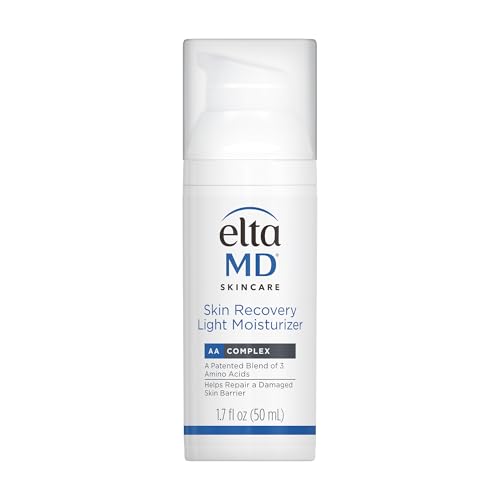
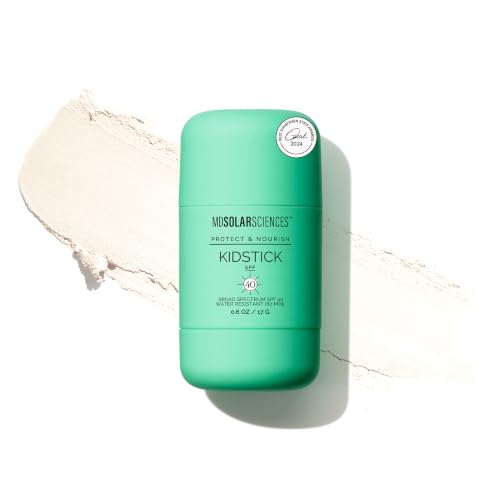
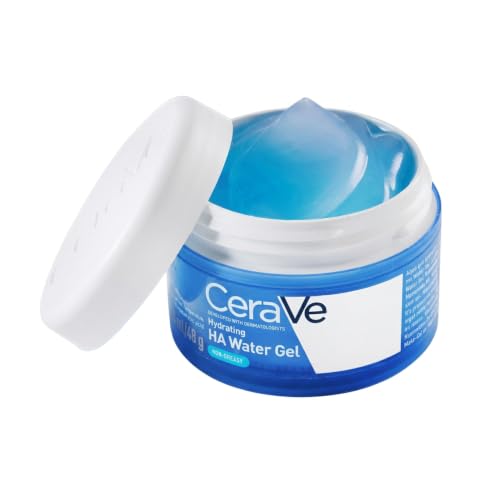
Gentle Products for a Peeling, Sun-Damaged Face


On This Page
- Why a Sunburned Face Peels
- What to Expect, Day by Day
- What to Do When Your Face Starts Peeling
- What to Avoid
- Ingredients That Help and Ingredients to Skip
- Pain, Itch and Swelling Relief
- Makeup and Skincare While You Peel
- Protecting Healing Skin From More Sun
- Dark Marks and Long-Term Effects
- Lips, Eyes and Ears: Often-Forgotten Areas
- Sleep, Pillowcases and Comfort Tips
- When to See a Doctor
- FAQ
- The Takeaway
What to Know First
- Peeling is normal after a moderate sunburn; do not pull flakes off.
- Use cool compresses, lukewarm showers and a plain, fragrance-free moisturizer.
- Skip scrubs, acids, retinoids and peels until the skin has healed.
- Drink water and avoid more sun, including sun through windows.
- Blisters, fever, chills, confusion or a burn covering a large area need medical care.
- Use sunscreen and cover up once the skin allows it.
Why a Sunburned Face Peels
Sunburn is a radiation injury. Ultraviolet B rays damage the DNA of skin cells in the outer layers. When the damage is serious, cells trigger a self-destruct process, which is why the skin turns red and hurts. A few days later, the body removes the damaged layer by shedding it.
Peeling does not mean the burn was worse than usual, but it does mean the damage was real. Even a mild burn that peels increases your lifetime risk of skin damage, so treat it as a lesson to improve sun habits rather than as a cosmetic problem.
People often confuse peeling with dryness. Dryness improves quickly with moisturizer, while burn peeling comes in sheets or patches and keeps going for several days. Knowing the difference helps you avoid over-treating the skin with products it does not need.
The face has thinner skin than most of the body, so it peels quickly and visibly. The nose, cheekbones, forehead and tops of the ears are the most common areas.
Peeling is part of the healing process, not a sign that something has gone wrong.
What to Expect, Day by Day
Sunburn redness usually peaks 12 to 24 hours after exposure, then eases over two to three days. Peeling often starts on day three to five and can last for a week or more. The skin underneath is pink and sensitive for a while longer.
| Day | What happens | What helps |
|---|---|---|
| 0-1 | Pain, redness, heat | Cool compresses, shade, water |
| 2-3 | Tightness, itch, swelling may peak | Moisturizer, cool showers |
| 3-7 | Peeling begins | Do not pull, moisturize often |
| 7-14 | Flaking slows, new skin is pink | Gentle care, sunscreen |
Every burn is different. Deeper burns can take longer, and the skin may stay pink for weeks.
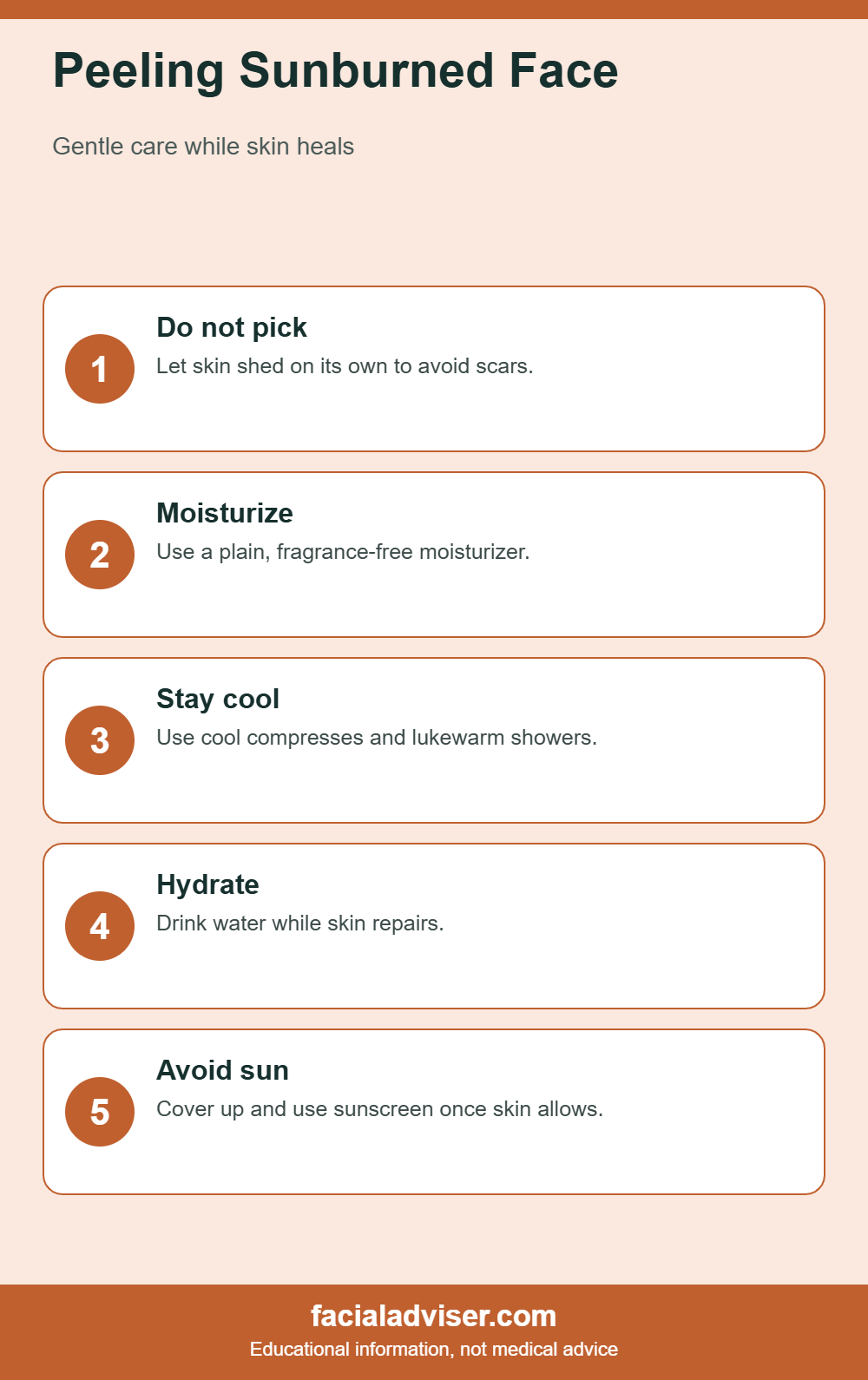
What to Do When Your Face Starts Peeling
Keep the skin clean, cool and moisturized. Wash with lukewarm water and a very gentle cleanser. Pat dry rather than rubbing. Apply moisturizer while the skin is still slightly damp to trap water.
Cool the skin
Use a cool, clean damp cloth for 10 to 15 minutes, several times a day.
Cleanse gently
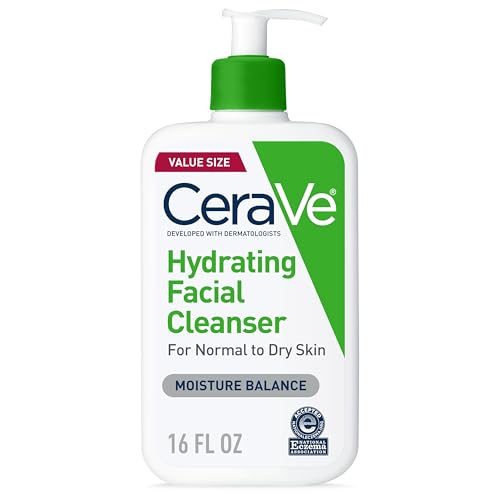
Wash with lukewarm water and a mild, fragrance-free cleanser, then pat dry.
Moisturize
Apply a plain moisturizer often, especially after washing.
Drink water
Rehydrate to support skin repair.
Protect
Stay out of the sun. Use shade and a wide-brimmed hat.
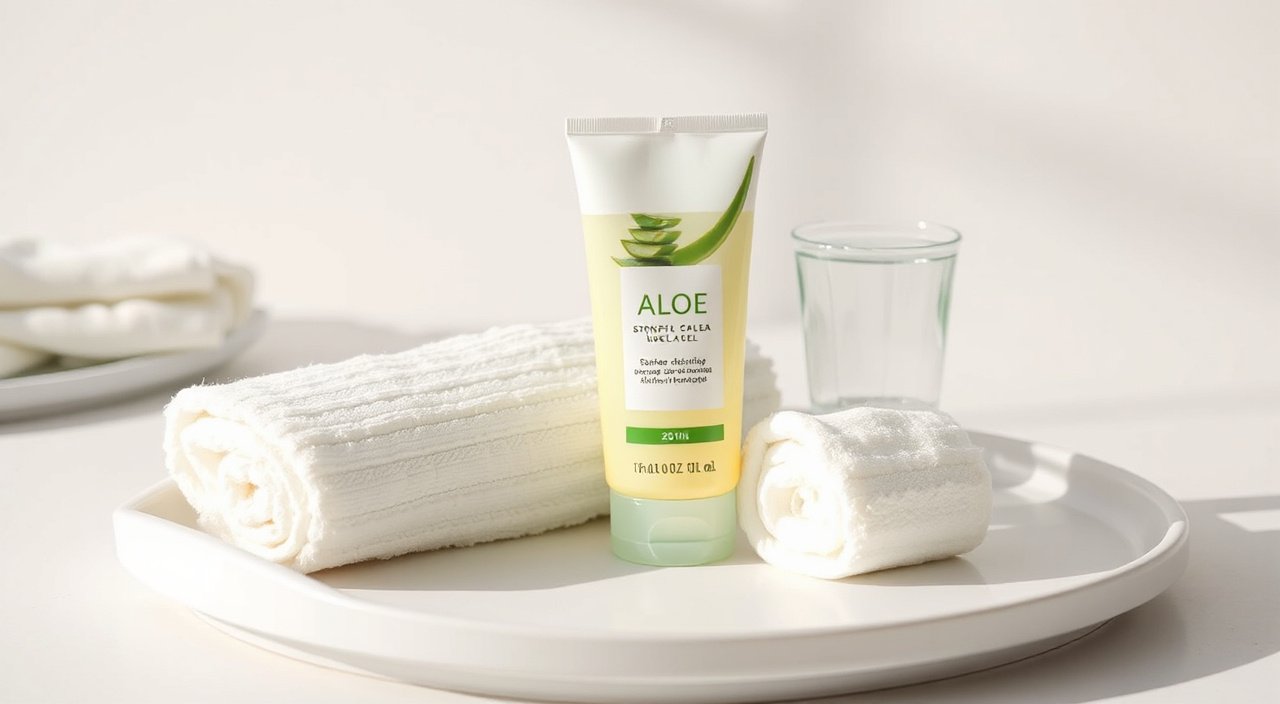
Aloe vera gel can feel soothing. Check that it is free from added fragrance and alcohol, which can sting.
Keep your moisturizer in the fridge for an extra cooling effect.
What to Avoid
The biggest mistakes are picking the skin, scrubbing, and using strong actives. Pulling off flakes that are not ready leaves raw skin and may cause scars or dark marks. Exfoliating acids, scrubs and retinoids can burn already sensitive skin.
Helps
- Use lukewarm water
- Moisturize often
- Use fragrance-free products
- Wear a hat outdoors
Backfires
- Do not pick or peel flakes
- Do not scrub or use a cleansing brush
- Do not use acids, retinoids or peels
- Do not use hot water or steam
Also avoid products with petroleum jelly or heavy oils in the first day, since they can trap heat. After that, a thin layer on very dry spots is usually fine.
Ingredients That Help and Ingredients to Skip
Helpful ingredients include glycerin, hyaluronic acid, ceramides, panthenol and colloidal oatmeal. They draw in water or help repair the barrier without stinging. Aloe vera is popular and generally gentle.
Skip fragrance, essential oils, alcohol, witch hazel, menthol and numbing creams containing benzocaine or lidocaine unless a professional recommends them. Some of these can cause allergic reactions on damaged skin.
| Helpful | Why | Skip | Why |
|---|---|---|---|
| Glycerin | Draws in water | Fragrance | Can sting |
| Ceramides | Support the barrier | Alcohol | Dries skin |
| Hyaluronic acid | Hydrates | Benzocaine | Allergy risk |
| Aloe vera | Cooling and soothing | Acids and retinoids | Too irritating |
Pain, Itch and Swelling Relief
Over-the-counter pain relievers such as ibuprofen can help with pain and swelling if they suit you. Check the label and ask a pharmacist if you take other medicines. Do not give aspirin to children.
Cool showers or baths can also bring relief, as long as the water is lukewarm and the stream is not aimed directly at your face. Avoid soap on burned areas and rinse gently.
Staying well hydrated matters too, because a burn pulls fluid toward the surface of the skin and away from the rest of the body, so drink water regularly.
For itch, cool compresses and moisturizer usually help. A short course of low-strength hydrocortisone is sometimes suggested by professionals, but only on intact skin and for a short time.
Seek medical care for blisters over a large area, fever, chills, severe pain, confusion, dizziness or signs of infection.
Makeup and Skincare While You Peel
The best choice is to skip makeup until the skin settles. Powder and foundation can cling to flakes and look patchy. If you must wear makeup, use clean brushes or sponges, keep layers thin and cleanse gently at night.
Skip active skincare, such as vitamin C, retinol, AHAs and BHAs. Restart them slowly after the peeling ends and the skin feels normal again. If you use a prescription retinoid, ask your prescriber when it is safe to resume.
For an overview of keeping skin calm during a flare, our guide to the skin type basics can help you pick gentle options.
Protecting Healing Skin From More Sun
Healing skin is more vulnerable to another burn. Stay in the shade, wear a wide-brimmed hat and sunglasses and cover exposed areas with clothing. Sun through windows can still add exposure.
If you have to be outdoors while your face is healing, wear a wide-brimmed hat and keep to the shade even on cloudy days, because a large share of UV still passes through clouds. Reflective surfaces such as water, sand and snow can send additional UV toward your face from below the brim.
When the skin is comfortable enough to wear sunscreen, choose a gentle, fragrance-free broad-spectrum formula. Mineral sunscreens with zinc oxide are often the most comfortable on sensitive, peeling skin.
| Protection | Tip |
|---|---|
| Shade | Avoid midday sun, 10 am to 4 pm |
| Hat | Wide brim covers face and ears |
| Sunglasses | UV400 lenses protect eyes and eyelids |
| Sunscreen | Mineral, broad-spectrum, SPF 30 or higher |
Dark Marks and Long-Term Effects
After the peeling ends, some people notice uneven color, particularly on deeper skin tones. This post-inflammatory change usually fades over weeks to months. Daily sunscreen is the most important thing you can do for it.
Keep a photo record if you want to track how your skin recovers. Healthy new skin often looks shiny, thin and slightly pink at first, and it usually settles into your normal tone within a few weeks.
If a patch stays raised, scaly or rough long after the rest of your face has healed, show it to a doctor, because that can sometimes be a sign of sun damage that deserves a closer look.
Repeated sunburns raise the risk of premature aging and skin cancer. Check your skin regularly, and see a doctor if you notice a spot that changes, bleeds or does not heal.
Do not try to fade dark marks with harsh bleaching or aggressive peels. Wait until the skin is fully healed, then ask a professional for a safe plan.
Lips, Eyes and Ears: Often-Forgotten Areas
Lips and eyelids burn easily and are often forgotten when applying sunscreen. Burned lips can crack and peel. Use a plain lip balm with a thick, non-medicated base and avoid licking them, because saliva dries them further. Do not peel dead skin from the lips.
The eyelids have the thinnest skin on the body. Cool compresses help, and sunglasses with UV400 protection protect the eyes and the surrounding skin. If your eyes feel gritty, painful or very sensitive to light after sun exposure, see a doctor, because the surface of the eye can be burned too.
Ears and hairline are common missed spots. Moisturize them like the rest of the face, and wear a hat with a brim when you are outside.
Sleep, Pillowcases and Comfort Tips
Sleeping on a burned face can be uncomfortable. Use a clean, soft pillowcase and change it often, because flakes and moisturizer transfer onto it. Sleeping on your back with an extra pillow can reduce swelling around the eyes.
Keep the bedroom cool and use a humidifier if the air is dry. Take lukewarm rather than hot showers, and keep them short. Hot water dries and irritates the skin and can make peeling worse.
Wear loose, soft clothing around the neck and chin so fabric does not rub. Avoid harsh scarves and tight hat bands until the skin settles, and wash new items before wearing them to remove any irritants.
When to See a Doctor
Get medical help promptly for blistering over a large area, fever, chills, nausea, confusion, severe pain or signs of infection such as pus, spreading redness or warmth. Babies under one year old with sunburn need medical advice right away.
Also check in if your face is very swollen, if you have trouble opening your eyes or if you take medicines that make you more sensitive to the sun.
This article is educational and not medical advice. The author is a registered pharmacist, not a dermatologist, and cannot diagnose skin conditions.
FAQ
How long does a sunburned face peel?
Peeling usually starts three to five days after the burn and lasts about a week, sometimes longer.
Should I peel the skin off?
No. Let it shed on its own to avoid scars and infection.
Can I use makeup on peeling skin?
It is best to skip makeup until the skin settles. If you must, use clean tools and thin layers.
Is aloe vera good for sunburn?
Aloe vera gel is soothing for many people. Choose one without fragrance or alcohol.
Can I exfoliate to help flakes?
No. Exfoliating can irritate healing skin. Wait until it is fully healed.
What moisturizer is best?
A plain, fragrance-free moisturizer with ceramides or glycerin is a good choice.
Can I use retinol while peeling?
No. Retinoids can irritate sunburned skin. Wait until it has healed.
Should I wear sunscreen?
Yes, once the skin tolerates it, use a gentle broad-spectrum sunscreen and cover up.
Will the dark marks go away?
They usually fade over weeks to months with sun protection.
When should I worry?
If you have blisters, fever, chills, confusion or signs of infection, see a doctor.
The Takeaway
A peeling sunburned face needs patience, not scrubbing. Keep it cool, moisturized and out of the sun, and let the skin finish shedding on its own.
The products below are gentle options for the healing period. They do not speed up healing, but they can make you more comfortable.

Written by
Registered pharmacist and founder of Facial Adviser. Rakib's pharmacy training covers how skincare actives work and interact; a later course in cosmetology turned that into a focus on facial treatments and skincare products. He plans, researches and edits every guide on the site and checks health claims against sources such as the American Academy of Dermatology, the FDA and the NIH. He is not a dermatologist; see the Editorial Policy and Medical Disclaimer.
About · Editorial policy · How we choose products · Medical disclaimer · Contact
Keep reading: Chemical peels and acid facials
- Facial vs Chemical Peel: Differences, Results and Which to Choose
- Grape Peel Treatment: What It Really Does
- Vitalize Peel Treatment: What's Really In It
- Azelaic Acid Facial: What It Treats Best
- Enzyme Peel Facial: How Fruit Enzymes Work, Benefits and Who It Suits
- Lactic Peel Facial: Strengths, Who It Suits, Procedure and Aftercare
- Microneedling Facial: Real Results, Explained
- Is Hydrafacial a Gimmick? What Evidence Shows
Build a spa-like routine with ad-free music