How to Dermaplane at Home: Safe Steps, Tools and Aftercare
Dermaplaning at home means gently shaving the face with a small, single-edge facial razor. It removes fine vellus hair, often called peach fuzz, along with some dead surface cells. Many people do it so makeup sits more smoothly, and it takes only a few minutes once you know the technique.
Part of our guide to at-home facial devices. Start with: 10 Best Products for Women's Facial Hair Removal (2026): Gentle Picks
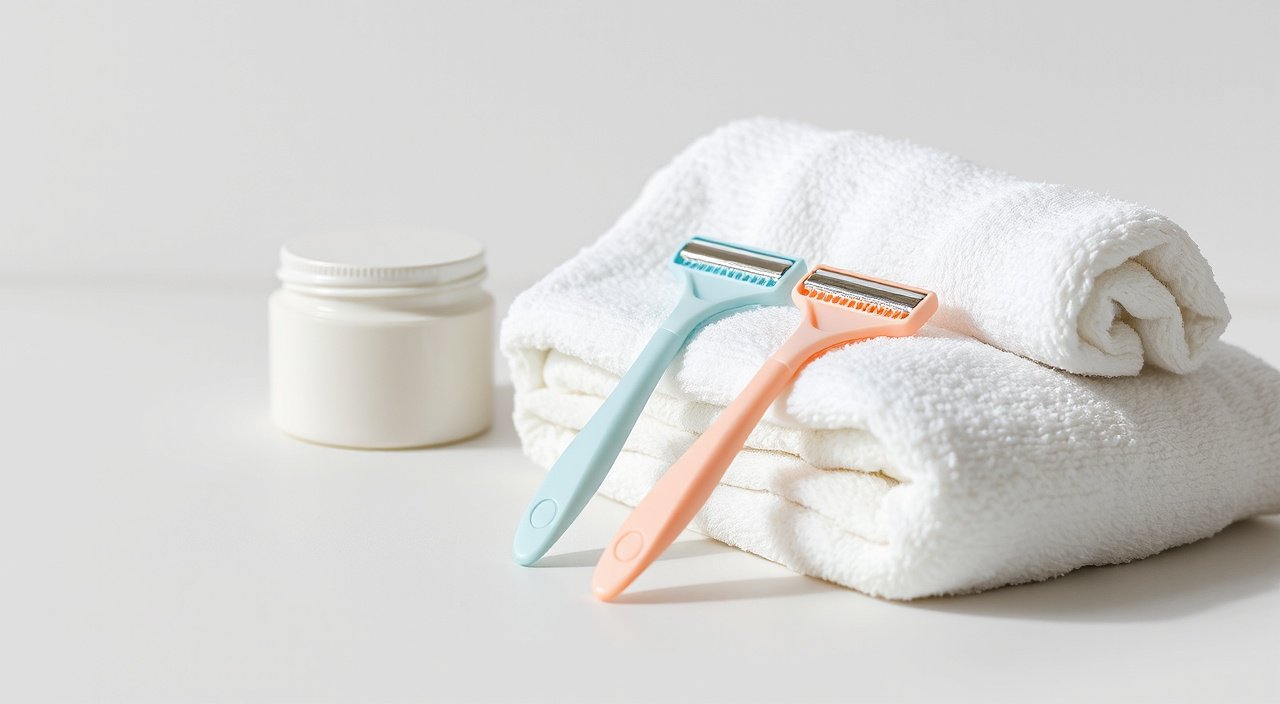
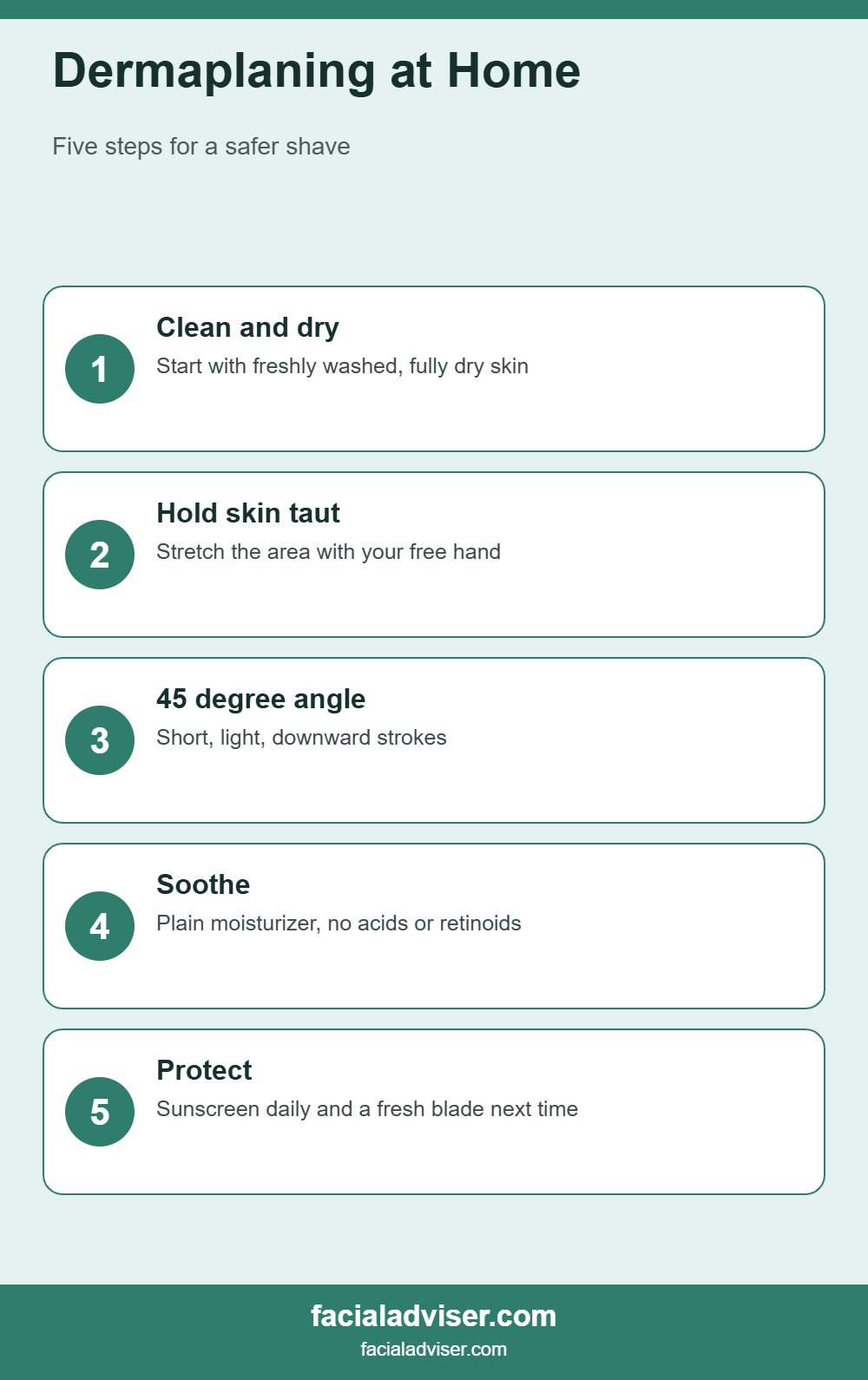
To dermaplane at home safely, use a clean facial razor made for the purpose on freshly washed, completely dry skin. Hold the skin taut, keep the blade at about a 45 degree angle, and use short, light, downward strokes. Avoid the eyelids, lips, nose creases and any spots, cuts or irritation. Afterward, apply a plain moisturizer, skip acids and retinoids for a few days, and wear sunscreen daily. Most people repeat it every three to four weeks, with a fresh blade each time.
Recommended Dermaplaning Razors and Aftercare for Home Use
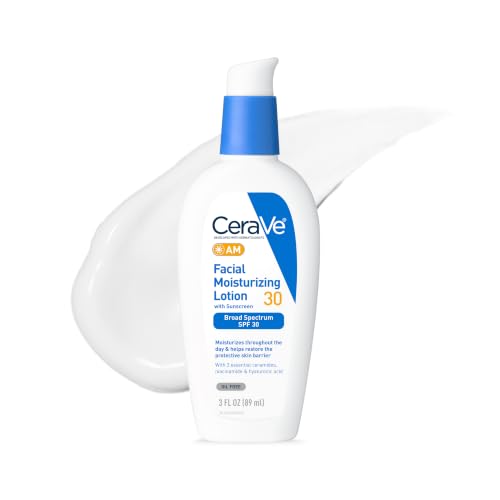


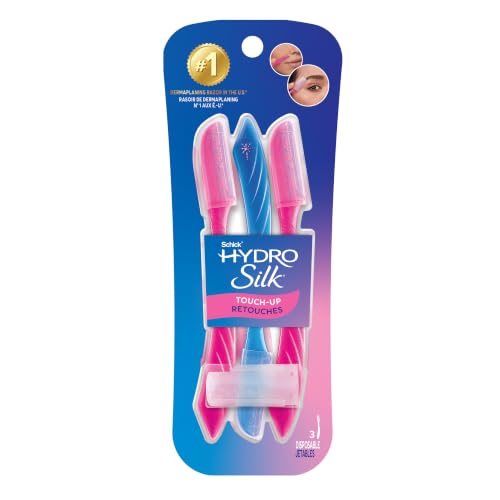



In short: light pressure, dry skin, a sharp clean blade, and gentle aftercare. Shaving does not make facial hair grow back thicker.
Black Friday is coming: shop the deals with Prime
The American Academy of Dermatology notes that shaving does not change the thickness, color or growth rate of hair. Regrowth can feel blunt at first because the hair has been cut straight across, which is why it may seem coarser.
I am Rakib Sarwar, a registered pharmacist with a cosmetology course. This is general information, not medical advice. Disclosure: this post contains affiliate links, and the first razor listed is part of an Amazon Creator Connections campaign that pays us a commission. As an Amazon Associate I earn from qualifying purchases.
Jump to a Section
- What Dermaplaning Is and What It Does
- At-Home vs Professional Dermaplaning
- Choosing the Right Dermaplaning Tool
- Before You Start
- How to Dermaplane at Home: Step by Step
- Aftercare and How Often to Do It
- Do and Do Not for Dermaplaning
- Does Hair Grow Back Thicker?
- Who Should Avoid Dermaplaning at Home
- Honest Limits of This Guide
- When to See a Professional
- Questions People Ask
- Summing Up
The Short Version
- Use a facial razor made for dermaplaning, not a body razor.
- Work on clean, completely dry skin with light, short strokes at about 45 degrees.
- Avoid active acne, cuts, sunburn, eczema or rosacea flares, and cold sores.
- Moisturize afterward and avoid acids, retinoids and scrubs for a few days.
- Repeat about every three to four weeks, and use a fresh, clean blade.
- Shaving does not make hair grow back thicker or darker.
What Dermaplaning Is and What It Does
Dermaplaning is a form of physical exfoliation. A blade glides over the skin and removes fine hair plus some of the loose, dead cells on the surface.
In a clinic, a trained provider uses a surgical-style blade. At home, people use small guarded facial razors that are designed to be more forgiving.
The immediate effect is skin that feels smoother. Makeup and skincare can go on more evenly because there is less fuzz and flaking in the way.
The effect is temporary. Hair grows back at its usual rate, and the smooth feel usually lasts a few weeks.
If you are comparing methods, our guide to microdermabrasion vs dermaplaning explains how the two differ.
At-Home vs Professional Dermaplaning
The name is the same, but the tools and results are not identical. This table shows the main differences.
| Feature | At home | Professional |
|---|---|---|
| Tool | Guarded facial razor | Sterile surgical-style blade |
| Who does it | You | Trained provider |
| Exfoliation | Light | More thorough |
| Risk of nicks | Low with care | Low in trained hands |
| Cost pattern | Low cost razors | Fee for each session |
A home razor mainly removes hair with mild exfoliation. A professional treatment removes more of the dead surface layer in one session.
If your main goal is smooth makeup application, home tools are usually enough. For a deeper treatment, book a professional.
Choosing the Right Dermaplaning Tool
The tool matters more than most people expect. A dull or unsuitable blade is the usual cause of irritation and small cuts.
| Tool type | Good for | Keep in mind |
|---|---|---|
| Disposable facial razors | Beginners and occasional use | Replace often; one blade for one or two uses |
| Foldable razors | Travel and storage | Check the blade guard is intact |
| Tools with replaceable heads | Regular users | Change the head as directed |
| Powered sonic tools | People who want more exfoliation | Higher cost; follow the manual closely |
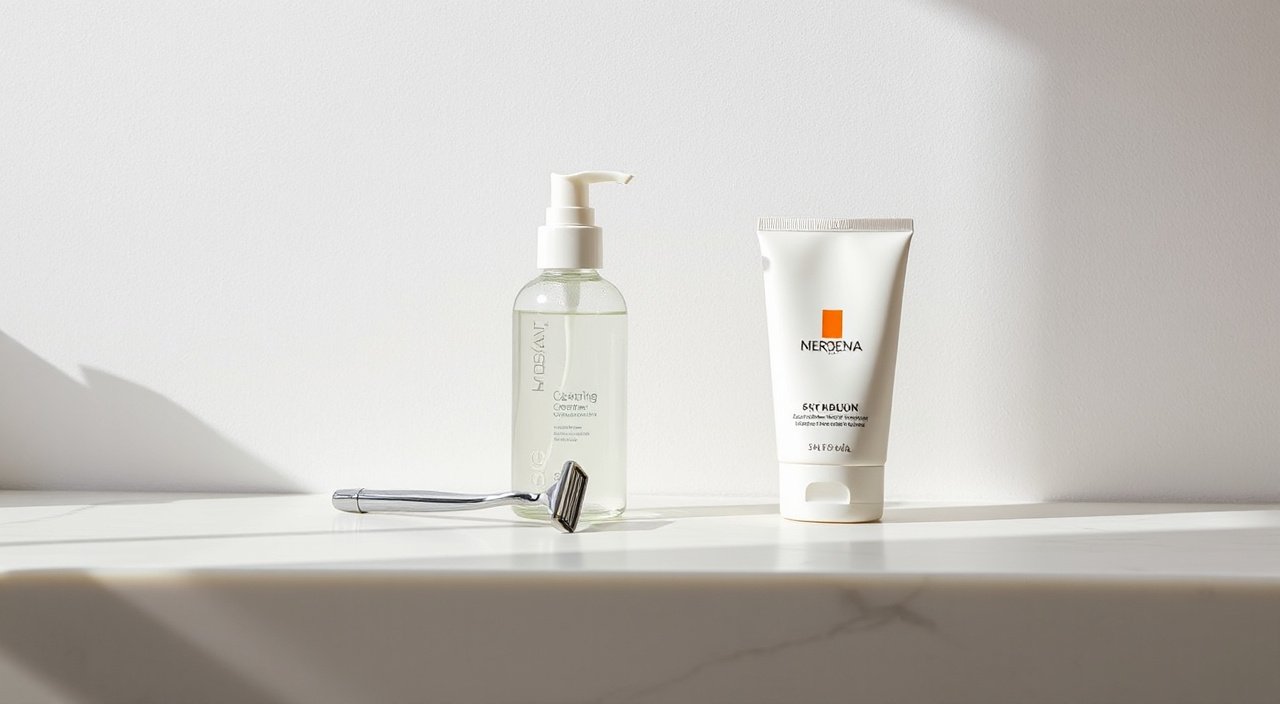
Look for a small blade with fine safety guards, a non-slip handle and a cover for storage. Avoid body razors, which are too large and too aggressive for the face.
Blade quality varies between brands, so read recent reviews for comments on sharpness and consistency. A razor that tugs on fine hair on the first use is not worth keeping.
Store razors dry with the cap on. Moisture dulls the edge and encourages bacteria, which is another reason to replace blades often.
For product comparisons, see our list of the best dermaplaning tools and the best facial razors for women.
Buy multipacks if you dermaplane regularly. A fresh blade each session is safer than stretching one blade across several uses. The foldable 12-pack dermaplane razors featured at the top of this guide are one multipack option (paid link).
Before You Start
A little preparation makes the session smoother and lowers the chance of irritation.
- Wash your face with a gentle cleanser and dry it completely
- Tie back your hair and work in good light with a mirror
- Check the blade is clean, sharp and undamaged
- Skip the session if your skin is sunburned, broken or irritated
- Stop retinoids and exfoliating acids a few days before if your skin is sensitive
Most at-home tools are designed for dry skin, which gives the blade better grip on fine hair. Some people prefer a thin layer of facial oil for glide. Follow the instructions for your tool.
Choose a time when you are not rushed. Evening works well for many people, because any brief redness settles overnight and you avoid sun exposure straight afterward.
If you have never shaved your face before, try a small area near the jaw first and wait a day to see how your skin responds.
How to Dermaplane at Home: Step by Step
Take your time, especially the first few sessions. The whole face usually takes five to ten minutes.
Start with clean, dry skin
Cleanse, rinse and pat completely dry. Any leftover product can drag the blade.
Hold the skin taut
Use your free hand to gently stretch the area you are working on so the surface is flat.
Angle the blade
Hold the razor at about 45 degrees to the skin, not flat and not upright.
Use short, light strokes
Move downward in the direction of hair growth with feather-light pressure. Let the blade do the work.
Work in sections
Do the cheeks, then the jaw, chin, upper lip and forehead. Wipe the blade on a clean pad as fuzz collects.
Avoid delicate areas
Stay away from the eyelids, the sides of the nose, the lips and any spots or moles.
Rinse and moisturize
Rinse with cool water or wipe with a damp cloth, then apply a plain, fragrance-free moisturizer.
Do not go over the same patch again and again. One or two light passes are enough, and repeated passes cause redness.
If you nick the skin, stop, rinse with clean water and apply gentle pressure. Leave that area alone until it heals.
Aftercare and How Often to Do It
Freshly shaved skin has lost some of its surface layer, so it needs calm care for a few days.
Use a gentle cleanser and a plain moisturizer. Avoid exfoliating acids, retinoids, scrubs and strong fragrance for two to three days.
Wear broad-spectrum sunscreen of SPF 30 or higher every day. Exfoliated skin can be more sensitive to the sun.
Most people find every three to four weeks is enough. Doing it more often can irritate skin without adding benefit.
If your skin feels tight or stings afterward, our guide on repairing the moisture barrier covers how to settle it.
Throw away disposable razors after one or two uses, and never share a facial razor. A blunt or dirty blade raises the risk of irritation and infection.
Do and Do Not for Dermaplaning
Keep these basics in mind each time you pick up the razor.
Try This
- Use a clean, sharp facial razor
- Work on dry, freshly washed skin
- Use short, light, downward strokes
- Moisturize and wear sunscreen afterward
- Replace blades regularly
Avoid This
- Shave over active acne, cuts or cold sores
- Press hard or go over the same area repeatedly
- Use a body razor on your face
- Apply acids or retinoids right afterward
- Share your razor with anyone
If you already use strong actives, plan them around your shave day, and leave a few days between an exfoliating acid or retinoid and your next dermaplaning session.
Does Hair Grow Back Thicker?
This is the most common worry, and the answer is no. Shaving cuts the hair at the surface and does not affect the follicle, so it cannot change how thick, dark or fast the hair grows.
Regrowth can feel stubbly for a short time because the tip is blunt, not tapered. With fine vellus hair this is usually barely noticeable.
Some people also worry about breakouts afterward. These are usually linked to a dirty blade, heavy products applied straight after, or shaving over existing spots, and clean technique lowers the risk.
Coarser, darker facial hair is a different matter. It can feel bristly as it grows back, and dermaplaning may not be the best method for it. Our guide to peach fuzz vs facial hair explains the difference.
Who Should Avoid Dermaplaning at Home
Dermaplaning is generally low risk, but it is not suitable for every skin or every day.
Do not dermaplane over active or inflamed acne, cold sores, open cuts, sunburn, warts, or a flare of eczema, rosacea or psoriasis. Shaving over these can spread infection or worsen irritation. See a doctor if you develop a rash, pus, or redness that keeps spreading.
Be cautious if you take blood thinners, have diabetes, or heal slowly, since small nicks matter more. Ask your doctor or pharmacist first.
If you use prescription retinoids or have recently had a peel or laser treatment, wait until your prescriber or provider says your skin is ready.
A sudden increase in coarse facial hair is worth mentioning to a doctor, as it can have a hormonal cause.
Honest Limits of This Guide
Dermaplaning gives a temporary smooth finish. It does not treat wrinkles, acne scars or pigmentation, and evidence for longer-term skin benefits is limited.
I have not tested the listed razors myself. They are research-based picks from widely reviewed listings. The first product is part of a paid Amazon campaign, as disclosed above, and it was included because its reviews met our usual bar.
Skin differs from person to person. A method that suits one face can irritate another, so start cautiously and stop if your skin objects.
When to See a Professional
See a dermatologist if you get repeated irritation, ingrown hairs or breakouts after shaving, or if you have a skin condition and are unsure whether dermaplaning is safe for you.
A professional treatment is also worth considering if you want more thorough exfoliation than a home razor can give.
This article is general educational information from a pharmacist and is not medical advice. It does not replace an examination by a doctor or dermatologist. Seek professional care for any skin reaction that is severe, spreading or not improving.
Questions People Ask
Is it safe to dermaplane at home?
For most people with healthy skin, yes, if you use a proper facial razor, light pressure and clean technique. Avoid it over acne, cuts or irritated skin.
Does dermaplaning make hair grow back thicker?
No. Shaving does not change hair thickness, color or growth rate. Regrowth can feel blunt at first because the hair tip has been cut straight.
How often should I dermaplane at home?
About every three to four weeks suits most people. More frequent shaving can irritate skin without giving extra benefit.
Should I dermaplane on wet or dry skin?
Most at-home razors are designed for clean, completely dry skin. Some people use a light facial oil for glide. Follow the instructions for your tool.
Can I dermaplane if I have acne?
Avoid shaving over active or inflamed spots, as this can spread bacteria and cause irritation. Wait until the skin is clear or ask a dermatologist.
What should I put on my face after dermaplaning?
A plain, fragrance-free moisturizer, and broad-spectrum sunscreen in the daytime. Avoid acids, retinoids and scrubs for a few days.
How many times can I use a dermaplaning razor?
Disposable facial razors are best replaced after one or two uses. A dull blade drags on skin and raises the risk of nicks.
Does dermaplaning hurt?
It should not. It feels like light scraping. Pain or stinging means too much pressure, a dull blade or irritated skin, so stop.
Can I wear makeup after dermaplaning?
Many people apply makeup the same day without trouble. If your skin looks red or feels tender, wait until it settles.
Is dermaplaning the same as shaving?
At home it is very similar: a facial razor removes fine hair and some dead cells. Professional dermaplaning uses a sharper blade and exfoliates more.
Summing Up
Dermaplaning at home is a simple way to remove peach fuzz and smooth the surface of the skin. Use a clean facial razor on dry skin, keep your strokes short and light, and look after your skin afterward with moisturizer and sunscreen.
Skip it when your skin is broken out or irritated, replace blades often, and see a professional if you want deeper exfoliation or keep having reactions.

Written by
Registered pharmacist and founder of Facial Adviser. Rakib's pharmacy training covers how skincare actives work and interact; a later course in cosmetology turned that into a focus on facial treatments and skincare products. He plans, researches and edits every guide on the site and checks health claims against sources such as the American Academy of Dermatology, the FDA and the NIH. He is not a dermatologist; see the Editorial Policy and Medical Disclaimer.
About · Editorial policy · How we choose products · Medical disclaimer · Contact
Keep reading: Facial hair removal
- 10 Best Products for Women's Facial Hair Removal (2026): Gentle Picks
- How Much Facial Hair Is Normal for a Woman?
- Dermaplaning Facial: What the Evidence Shows
- Is Home Laser Hair Removal Safe? Real Data
- Facial Bleach: What It Actually Does to Your Skin
- Dark Upper Lip Treatment: What Actually Works
- 10 Best Facial Tools (2026): LED, Cleansing, Gua Sha and More
- 10 Best LED Light Therapy Masks (2026): Clearer Skin, Softer Lines
Prime for Young Adults: a longer free trial and a lower price after it