Heat Rash on the Face: Causes, Relief and When to Worry
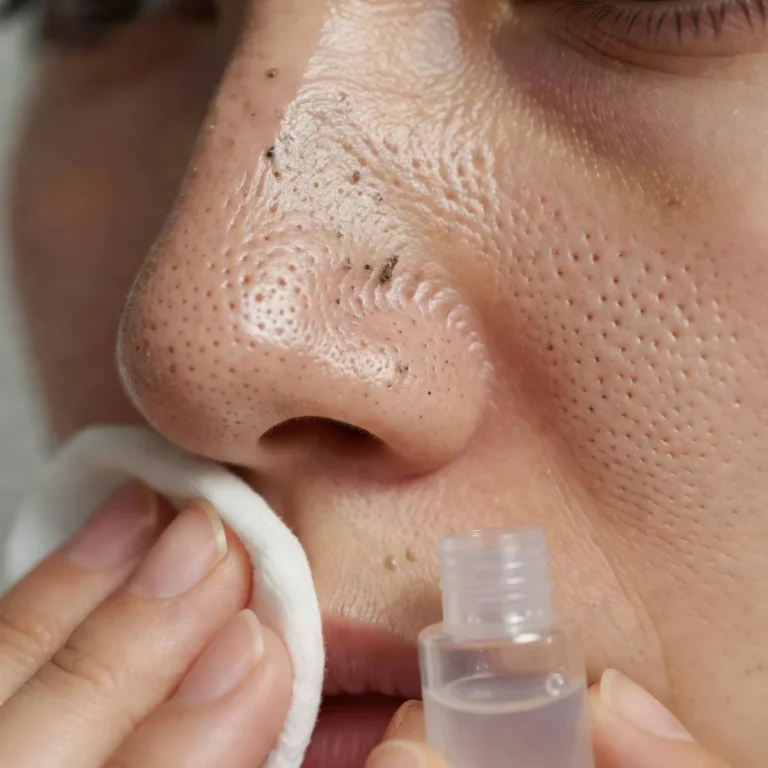
After a hot day, a workout or a sticky night, you notice a patch of tiny red bumps on your forehead, cheeks or around your hairline. They itch or prickle, and they look like a rash.
Part of our guide to makeup how-to. Start with: What Can You Use to Make Your Makeup Stay On All Day? 9 Products and Tricks
This is often heat rash, also called prickly heat or miliaria, and it happens when sweat gets trapped under the skin.
Heat rash is caused by blocked sweat ducts. When you sweat a lot in hot, humid conditions, the sweat cannot reach the surface and leaks into the skin. That produces small blisters or red bumps.
Black Friday is coming: shop the deals with Prime
It is common in babies and adults and usually clears by itself in a few days once the skin cools down.
On the face, heat rash can be mistaken for acne, folliculitis, rosacea or an allergic reaction. Heavy creams, oily sunscreens and tight hats can make it worse by sealing in sweat. Knowing the signs and the right first steps helps you avoid irritating the skin.
Because the face is exposed to sun and sweat at the same time, summer routines need extra care.
This guide explains the types of heat rash, what to do for quick relief, which products to avoid and when to see a doctor. We also list gentle cleansers and soothing products that suit heat-irritated skin. For sun-related care, see our guide to a peeling sunburned face.
The author is a registered pharmacist, not a dermatologist, so treat this as educational background and see a doctor for a diagnosis.
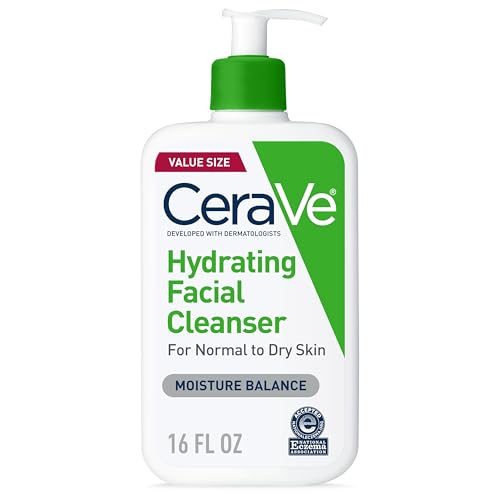
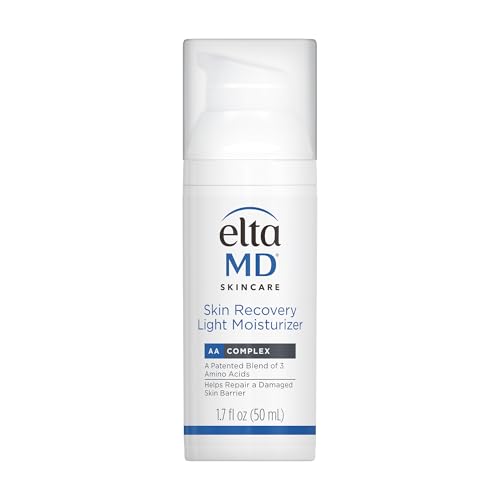
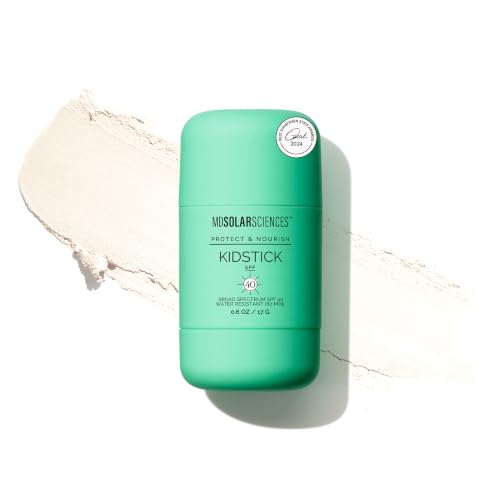
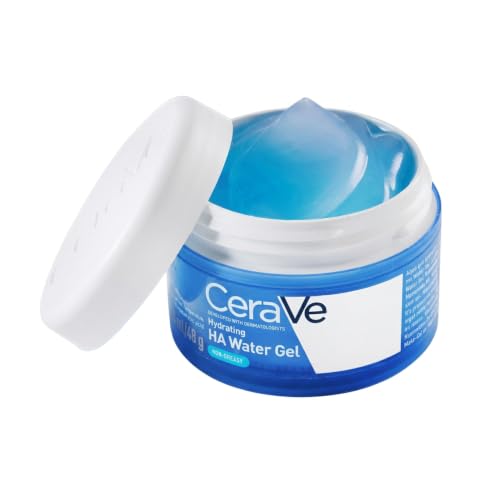
Gentle Cleansers, Soothers and Sun Protection for Heat-Irritated Skin



Contents
- What Heat Rash Is
- Types of Heat Rash
- Causes and Triggers
- Conditions That Look Similar
- Quick Relief for Heat Rash on the Face
- What to Avoid
- Product Ideas for Heat-Irritated Skin
- Preventing Heat Rash
- Heat Rash in Babies and Children
- Makeup, Sunscreen and Skincare During Heat Rash
- When to See a Doctor
- Honest Limits and Myths
- Frequently Asked Questions
- Final Word
In Brief
- Heat rash happens when sweat ducts get blocked and sweat is trapped under the skin.
- It looks like tiny red or clear bumps and may itch or prickle.
- Cool the skin, keep it dry and avoid heavy creams and oils.
- Do not scratch or use harsh scrubs.
- Wear breathable fabrics and shade your face from the sun.
- See a doctor for fever, pus, spreading redness or a rash that lasts more than a week.
What Heat Rash Is
Heat rash, or miliaria, is a skin reaction to trapped sweat. Sweat glands open to the skin through tiny ducts. In hot, humid weather, or when skin is covered or sweaty for long periods, those ducts can swell shut. Sweat then collects under the skin and causes bumps.
It can appear anywhere, but areas where skin is covered, rubbed or folded are common. On the face, it often shows up on the forehead, along the hairline, under hats or helmets, and in areas covered by masks.
Heat rash is usually harmless and not contagious. It is mostly uncomfortable and unsightly, and it clears when the skin cools and sweat flows again.
Heat rash is common in babies and in adults who exercise in hot weather, wear heavy clothing or have a fever.
Because sweat glands are spread over the whole body, heat rash can show up in other places at the same time, such as the neck, chest and back. Looking for similar bumps elsewhere can help distinguish heat rash from acne, which usually has a typical pattern on the face, chest and back.
Types of Heat Rash
There are three main types. Miliaria crystallina has tiny, clear, fluid-filled bumps that break easily and usually do not itch. Miliaria rubra, also called prickly heat, causes red bumps that itch or sting. Miliaria profunda affects deeper layers of the skin and is rare.
| Type | What you see | Feel |
|---|---|---|
| Crystallina | Tiny clear bumps | Usually painless |
| Rubra (prickly heat) | Red, small bumps | Itchy or prickly |
| Profunda | Flesh-colored, firm bumps | Can be uncomfortable |
Most facial heat rash is the clear or red type. Persistent or painful bumps need a professional check.
Causes and Triggers
Heat, humidity and sweat are the main triggers. Anything that traps sweat on the face, such as tight hats, masks, helmets, thick sunscreens, heavy creams or oily makeup, can contribute. Intense exercise and fever can also cause heat rash.
| Trigger | Why it matters |
|---|---|
| Hot, humid weather | Increases sweating |
| Heavy creams and oils | Block sweat ducts |
| Tight hats, masks, helmets | Trap sweat and heat |
| Exercise | Raises sweat output |
| Fever | Increases body temperature |
Some medicines can increase sweating or sensitivity, so mention them to your pharmacist if rashes keep recurring.
Some people are more prone to heat rash than others. Skin that is oily, skin that has been recently sunburned and skin that is covered by thick products all have a higher chance of blocked sweat ducts. Wearing the same sweaty hat or helmet day after day without washing it can also trigger repeat rashes.
Conditions That Look Similar
Heat rash can look like acne, folliculitis, rosacea, contact dermatitis or an allergic reaction. Acne has whiteheads and blackheads. Folliculitis has pus-filled bumps around hairs and may be tender. Rosacea has flushing and visible vessels. Contact dermatitis follows exposure to a new product and often burns or itches strongly.
| Condition | How it differs |
|---|---|
| Acne | Whiteheads, blackheads, tender |
| Folliculitis | Pus-filled bumps around hairs |
| Rosacea | Flushing and visible vessels |
| Contact dermatitis | Appears after a new product, often burns |
| Heat rash | Tiny itchy bumps after sweating |
If bumps do not improve after cooling the skin, or if you are unsure, ask a pharmacist or doctor.
Quick Relief for Heat Rash on the Face
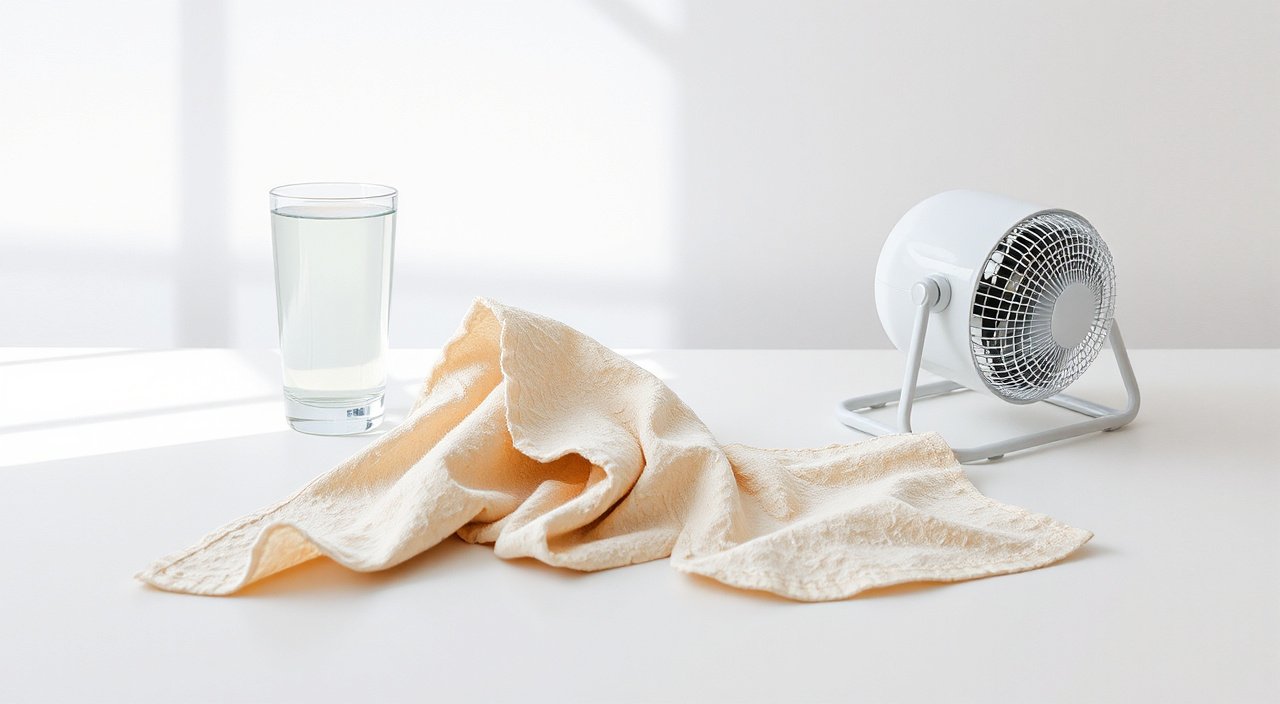
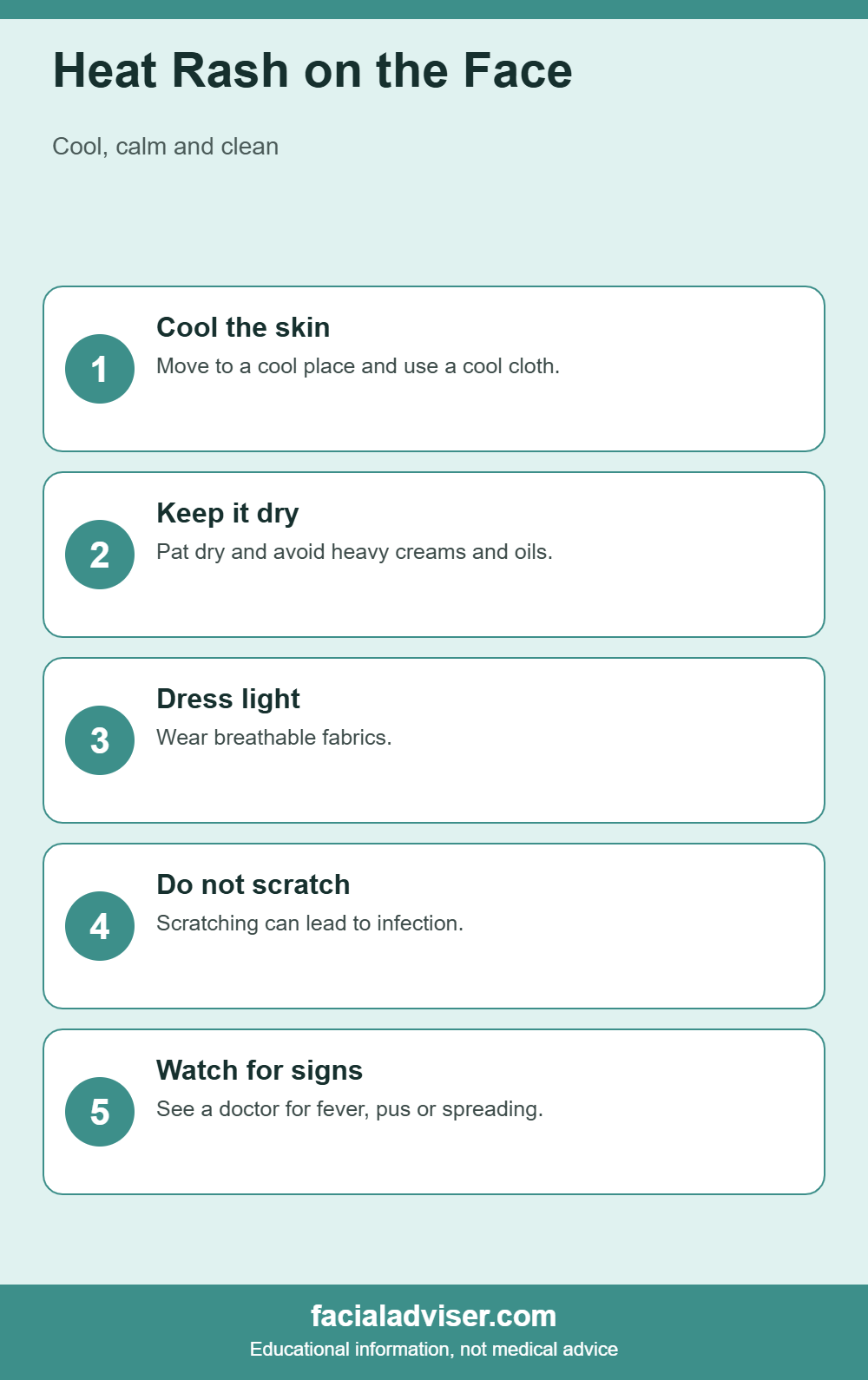
The key is to cool the skin and keep it clean and dry. Move to a cool, shaded or air-conditioned place, remove hats and masks and let the skin breathe. Apply a cool, damp cloth for 10 to 15 minutes at a time.
Cool down
Move to a cool place and remove anything tight on your face.
Apply a cool cloth
Hold a cool, damp cloth on the area for 10 to 15 minutes.
Cleanse gently
Wash with lukewarm water and a mild cleanser, then pat dry.
Soothe
Apply a light gel such as aloe, if it does not sting.
Avoid irritation
Skip heavy creams, oils and scrubs until the skin settles.
Keep a small spray bottle of cool water in your bag in hot weather for quick cooling.
A lukewarm shower or a cool compress can also help, but avoid very cold ice directly on the skin. If the area itches strongly, a cool compress is better than scratching. Wear soft, clean cotton and change pillowcases and hats often while the rash heals.
What to Avoid
Avoid heavy creams, petroleum jelly, oils and thick sunscreens on rash areas. Do not scratch, because scratching can break the skin and cause infection. Avoid hot showers and saunas until the rash clears.
Try This
- Stay cool and dry
- Wear loose, breathable fabric
- Use light gel moisturizers
- Wash gently
Avoid This
- Do not scratch
- Do not use heavy oils or balms
- Do not use scrubs
- Do not use hot water
If you use a topical medicine for another condition, ask a pharmacist before applying it to a rash.
Avoid picking at the bumps or trying to pop blisters. Broken skin invites bacteria, and a simple heat rash can turn into a skin infection that needs antibiotics. If bumps start to ooze, crust or form yellow scabs, see a doctor.
Product Ideas for Heat-Irritated Skin
Choose gentle, fragrance-free cleansers and light gel moisturizers. Aloe vera gel can feel soothing, but check that it has no added fragrance or alcohol. Mineral sunscreens are often easier on irritated skin than chemical filters, and a stick can keep greasy residue off your fingers.
Calamine lotion and over-the-counter hydrocortisone are sometimes suggested for itch, but they should be used short term and on intact skin, and hydrocortisone should be used sparingly on the face. Ask a pharmacist for advice.
Do not apply hydrocortisone or other medicated creams near the eyes or for more than a few days on the face without advice from a doctor or pharmacist.
Check labels for fragrance, alcohol and essential oils, which can sting irritated skin. Gel and water-based formulas are lighter than creams and dry quickly without sealing in heat. Patch test any new product on the inner forearm first.
Preventing Heat Rash
Preventing heat rash comes down to avoiding trapped sweat. Wear loose, breathable fabric and light-colored hats. Wash your face after sweating and change out of damp clothing. Use light, oil-free skincare in hot weather.
Take breaks from masks and helmets when it is safe. Drink water, stay in the shade, and use fans or air conditioning to cool your home.
If you have a history of heat rash, shower after exercise and dry the skin well. Sunscreen is still essential, but choose lightweight formulas.
Plan ahead for hot days. Schedule outdoor exercise for cooler hours, take rest breaks in the shade and carry a small towel to pat away sweat instead of rubbing it. Choose breathable hats and avoid tight chin straps for long periods.
Heat Rash in Babies and Children
Babies get heat rash easily, particularly around the neck, face and skin folds. Dress them in light clothing, keep the room cool and avoid heavy creams. Most cases clear within a few days.
Seek medical advice quickly if a baby has fever, seems unwell, or if the rash looks blistered, crusted or spreads. Do not use adult products on babies without advice.
| Age group | Suggested approach |
|---|---|
| Babies | Cool room, light clothing, medical advice if unwell |
| Children | Cool baths, loose clothing |
| Adults | Cool the skin, avoid heavy creams |
For older children, short cool baths and loose cotton clothing help. Keep fingernails short to reduce scratching, and make sure children drink water and rest in the shade during hot weather.
Makeup, Sunscreen and Skincare During Heat Rash
While the rash heals, keep your routine as simple as possible. Skip heavy foundation, long-wear makeup and thick primers, which can trap sweat. If you must wear makeup, choose a light, oil-free formula and remove it gently as soon as you can.
Sunscreen still matters, because irritated skin burns easily. Choose a lightweight, fragrance-free formula, or a mineral stick for small areas. Avoid thick, oily or waterproof formulas on the rash itself, and wash them off at the end of the day.
Skip active ingredients such as retinoids, vitamin C, acids and scrubs until the rash settles, since they can sting and delay healing. Once your skin feels normal for several days, you can reintroduce one product at a time.
If you use acne treatments, ask a pharmacist whether to pause them during a flare. Mixed signals from irritation and acne make it hard to judge what is working.
When to See a Doctor
See a doctor if the rash lasts more than a week, if it spreads, if you have fever, chills or pus-filled bumps, or if the area becomes painful, swollen or warm. These can signal infection.
Also check in if you have repeated rashes without a clear heat trigger, since another condition may be present.
This article is educational and not medical advice. The author is a registered pharmacist, not a dermatologist, and cannot diagnose skin conditions.
Honest Limits and Myths
No product speeds up heat rash recovery as much as cooling the skin and removing the trigger. Be cautious about products that claim to cure rash overnight. Thick ointments can make heat rash worse.
Heat rash can also recur if you return to the same hot, sweaty conditions. Long-term prevention matters more than any single cream.
Frequently Asked Questions
What does heat rash look like on the face?
Tiny red or clear bumps, often itchy or prickly, usually on the forehead, hairline or cheeks.
How long does heat rash last?
It usually clears within a few days after cooling the skin, but it may last up to a week.
Is heat rash contagious?
No.
Can I use moisturizer on heat rash?
Use a light gel moisturizer. Avoid heavy creams and oils.
Is aloe vera good for heat rash?
It can feel soothing for many people, but check for fragrance and alcohol.
Can sunscreen cause heat rash?
Thick, oily sunscreens can trap sweat. Choose lightweight formulas.
Is heat rash the same as acne?
No. Acne has whiteheads and blackheads, while heat rash is small, itchy and linked to sweating.
Should I scratch it?
No. Scratching can cause infection.
When should I see a doctor?
If it lasts over a week, spreads, hurts or comes with fever.
Can masks cause it?
Yes, masks and tight hats can trap sweat and cause rash.
Final Word
Heat rash on the face is usually mild and temporary. Cool the skin, keep it clean and dry and avoid heavy products. Most cases settle within days.
The products below fit that gentle approach. They do not replace a doctor’s advice if your rash is severe or lasts more than a week.

Written by
Registered pharmacist and founder of Facial Adviser. Rakib's pharmacy training covers how skincare actives work and interact; a later course in cosmetology turned that into a focus on facial treatments and skincare products. He plans, researches and edits every guide on the site and checks health claims against sources such as the American Academy of Dermatology, the FDA and the NIH. He is not a dermatologist; see the Editorial Policy and Medical Disclaimer.
About · Editorial policy · How we choose products · Medical disclaimer · Contact
Keep reading: Making makeup last
- Makeup Fixer vs Setting Spray: What Is the Difference and Which Do You Need?
- Why Does Makeup Separate on My Nose? Causes and Fixes That Work
- Best Way to Wear Makeup in Hot Weather: Light Layers That Last
- What Can You Use to Make Your Makeup Stay On All Day? 9 Products and Tricks
- Why Doesn't Makeup Stay on My Upper Lip? Causes and Fixes That Work
- How to Choose the Right Eye Makeup Color for Your Eyes and Skin
- How to Get Started as a Freelance Makeup Artist: Training, Kit and Clients
Turn skincare time into me-time with a free audiobook