How to Get Lipstick Stains Out of Clothes, Carpet and Other Fabrics
Lipstick has a way of ending up everywhere except your lips: on a shirt collar, a napkin you then drop on the sofa, a white top pulled over your head or the carpet when a tube rolls under your foot. The mark looks alarming, but lipstick stains usually come out if you treat them the right way and resist the urge to rub.
Part of our guide to makeup how-to. Start with: How to Choose Lipstick Shade: Undertone, Skin Tone and Testing Tips
To get lipstick out of clothes, first scrape off any excess with a blunt knife, then blot, not rub, the stain from the back of the fabric. Work a small amount of liquid dish soap, a makeup remover or a laundry stain remover into the mark to break down the oils and wax, leave it for 10 to 15 minutes, then rinse with cool or warm water. Repeat until the colour lifts, then wash the item as usual on the warmest temperature its care label allows. Check the stain is gone before drying, because heat from a dryer or iron can set lipstick permanently.
In short: lipstick is an oily stain, so break down the oil first, then lift the colour, and avoid heat until it has gone.
The American Academy of Dermatology recommends removing makeup before bed, a habit that also keeps lipstick off pillowcases, collars and bedding.
This guide covers washable clothes, carpet, upholstery and delicate fabrics, explains why lipstick behaves like an oil-based stain, and compares dish soap, stain removers and other household options.
Shopping these picks?
Amazon Prime members get fast, free shipping on eligible items, plus Prime Video, Amazon Music and member deals. New members can start with a free trial.
Start a free Prime trialAged 18 to 24? Prime for Young Adults comes with a longer free trial and a lower price after it.
Affiliate link: we may earn a commission at no extra cost to you.
Recommended Stain Removers and Lipstick Clean-Up Supplies




The Short Version
- Lipstick is a mix of wax, oil and pigment, so treat it as an oil-based stain.
- Scrape and blot first; rubbing spreads the colour.
- Dish soap, makeup remover and stain removers all break down the oils.
- Work from the back of the fabric to push the stain out.
- Do not tumble dry or iron until the stain is completely gone.
- Carpet needs blotting with a mild soap solution and little water.
- Silk, wool and dry-clean-only fabrics are best left to a professional.
Contents
- Why Lipstick Stains Are Hard to Remove
- What to Do Straight Away
- Dish Soap, Stain Removers and Other Options Compared
- How to Get Lipstick Out of Washable Clothes
- Lipstick on White Shirts and Collars
- How to Get Lipstick Out of Carpet and Upholstery
- Silk, Wool and Other Delicate Fabrics
- Removing Old or Set-In Lipstick Stains
- How to Prevent Lipstick Stains
- Dos and Don’ts
- Honest Limits
- When to See a Dermatologist
- Questions People Ask
- Summing Up
Why Lipstick Stains Are Hard to Remove
Lipstick is designed to cling to lips for hours, and the same qualities make it cling to fibres. It combines three things that each need a slightly different approach.
- Waxes: sit on the surface and can be scraped or dissolved.
- Oils: soak into fibres and need a grease-cutting product such as dish soap.
- Pigments and dyes: leave the visible colour, and some dyes can stain like ink.
- Long-wear film-formers: in liquid lipsticks, they are designed to resist water.
- Shimmer: mica particles can lodge in the weave and need rinsing out.
Because of the oils, water alone tends to bead on the mark and push it around. That is why lipstick is treated as an oil-based stain: the first job is always to dissolve the grease, and only then to wash out the colour. Our general guide on how to get makeup out of clothes uses the same principle for foundation and mascara.
What to Do Straight Away
The sooner you treat lipstick, the easier it is. Fresh marks sit mostly on the surface, while old ones have soaked in and been through heat.
- Lift off any lumps of lipstick with the edge of a blunt knife or a spoon.
- Blot gently with a clean white tissue or cloth to take up surface colour.
- Do not rub, which spreads the stain and drives it deeper.
- If you are out, dab with a makeup remover wipe and blot with a dry napkin.
- Keep the item away from heat until you can treat it properly.
Put a folded paper towel under the stain before you start. As you blot from the back, the colour transfers to the towel instead of spreading to another part of the garment. Move to a clean area of the towel as it picks up colour.
Dish Soap, Stain Removers and Other Options Compared
Several household products can remove lipstick. The best choice depends on the fabric and how stubborn the stain is.
| Product | How it helps | Best for | Watch out for |
|---|---|---|---|
| Liquid dish soap | Cuts grease and lifts oils | Most washable fabrics, carpet | Rinse well; use a clear soap on light fabrics |
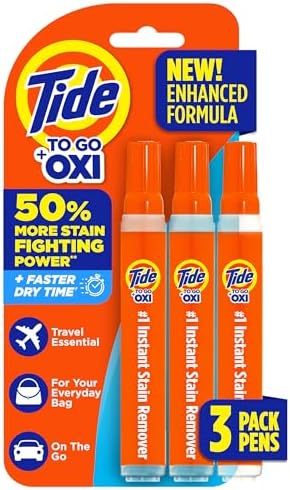
| Laundry stain remover or stain stick | Enzymes and surfactants break down oils and colour | Washable clothes, older stains | Check the label for fabrics to avoid |
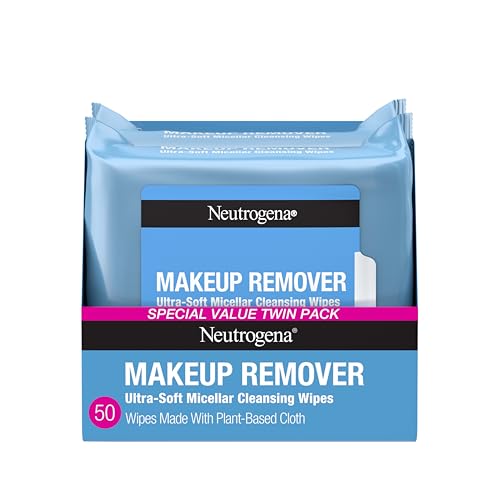
| Makeup remover or micellar water | Designed to dissolve lipstick | Quick fixes, small marks | Oil-based removers need a soap wash after |
| Makeup remover wipes | Portable first aid | On-the-go blotting | Blot, do not scrub |
| Rubbing alcohol | Dissolves stubborn pigment and long-wear films | Colourfast cottons and synthetics, carpet | Test first; can lift dyes |
| Hairspray | Contains alcohol that loosens pigment | Emergency use only | Leaves residue; must be washed |
| Oxygen bleach | Brightens remaining colour | Whites and colourfast fabrics | Not for silk or wool |
Start with the gentlest option, usually dish soap, and move to stronger products only if needed. Always test on a hidden area, such as an inside seam, before using alcohol or bleach.
How to Get Lipstick Out of Washable Clothes
This method works on cotton, polyester, denim and most everyday washable fabrics.
Scrape the excess
Lift off any lipstick sitting on the surface with a blunt knife.
Blot from the back
Turn the fabric inside out over a paper towel and blot the back of the stain.
Apply dish soap or stain remover
Work a few drops of liquid dish soap or a stain remover into the stain with your fingertip or a soft toothbrush.
Let it sit
Leave it for 10 to 15 minutes so it can break down the oils.
Rinse
Rinse from the back with cool or lukewarm water to flush the stain out.
Repeat if needed
Treat again, or dab with rubbing alcohol on colourfast fabric for stubborn pigment.
Wash and check
Wash as the care label allows, then check the stain is gone before drying.
Hot water on an untreated lipstick stain can melt the wax and spread the oils. Treat the stain first, then use the warmest wash temperature the care label allows, which helps remove remaining oil.
Lipstick on White Shirts and Collars
White fabrics show every trace, and collars often collect lipstick along with skin oils and foundation. The good news is that whites can usually handle a little more treatment.
- Pre-treat with dish soap or a stain remover as above.
- For remaining colour, soak in an oxygen bleach solution following the product label.
- For long-wear or deep red lipstick, dab with rubbing alcohol before washing.
- Avoid chlorine bleach on stains that still contain oil, as it can yellow the mark.
- Air dry in daylight to check the result before ironing.
Our guide on whether makeup will come out of a white shirt has more tips for foundation and concealer marks too.
How to Get Lipstick Out of Carpet and Upholstery
Carpet and sofa fabric cannot be put in the washing machine, so the aim is to lift the stain with as little liquid as possible.
- Scrape up any lumps with a blunt knife or spoon, working from the edges inwards.
- Mix a teaspoon of dish soap with a cup of warm water.
- Dab the solution onto the stain with a clean white cloth; do not soak the carpet.
- Blot repeatedly with a dry cloth to pull the colour out.
- For stubborn marks on synthetic carpet, dab a little rubbing alcohol, then blot.
- Rinse by blotting with a cloth dampened in plain water, then blot dry.
- Use a carpet stain remover if colour remains, following its instructions.
On upholstery, check the cleaning code on the tag first. Some fabrics are marked for water-based cleaners, some only for solvent cleaners, and some only for professional cleaning. If there is no tag, test on a hidden area.
Silk, Wool and Other Delicate Fabrics
Delicate fabrics need a lighter touch, because harsh rubbing, alcohol and bleach can damage fibres or strip colour.
| Fabric | Safe first step | Avoid | When to get help |
|---|---|---|---|
| Silk | Blot, then a drop of gentle wool or silk wash | Rubbing, alcohol, bleach | If the mark stays after one gentle attempt |
| Wool and cashmere | Blot, then gentle wool wash in cool water | Hot water, wringing, enzyme cleaners | If felting or a halo appears |
| Acetate and triacetate | Blot only | Acetone and nail polish remover, which dissolve the fibre | Always take to a dry cleaner |
| Leather and suede | Blot and use a leather cleaner | Water soaking, alcohol | For large or old stains |
| Dry-clean-only | Blot gently | Home washing | Take it in soon and point out the stain |
When you take an item to a dry cleaner, tell them it is lipstick so they use a solvent that tackles oils and pigment.
Removing Old or Set-In Lipstick Stains
A stain that has been washed and dried is harder, but not always hopeless. Repeated gentle treatment often fades it further.
- Apply a stain remover or dish soap and leave it for 30 minutes or longer.
- Gently work it in with a soft toothbrush.
- Dab rubbing alcohol on colourfast fabrics to lift heat-set pigment.
- Soak whites and colourfast items in oxygen bleach solution.
- Wash, air dry and repeat if a faint mark remains.
Never mix cleaning products, especially bleach with ammonia, vinegar or rubbing alcohol, which can release harmful fumes. Work in a well-ventilated area, keep alcohol away from flames, and wear gloves if your skin is sensitive to detergents or solvents.
How to Prevent Lipstick Stains
Preventing stains is much easier than removing them, and a few small habits make a big difference.
- Blot freshly applied lipstick with a tissue before getting dressed.
- Pull tops over your head with a thin scarf or cloth covering your face.
- Choose long-wear or matte formulas, which transfer less than glosses.
- Keep lipsticks capped and in a zipped pouch so they cannot leak in a warm bag.
- Use a napkin rather than your sleeve or a tea towel to blot your lips at meals.
- Keep a pack of makeup remover wipes handy for quick first aid on the go.
If lipstick travels onto skin around the mouth as well as clothes, a liner and a thinner layer usually help it stay put.
Dos and Don’ts
Try This
- Scrape and blot straight away
- Treat as an oil-based stain
- Work from the back of the fabric
- Test alcohol or bleach on a hidden area
- Air dry until the stain is gone
Avoid This
- Rub the stain
- Use hot water before treating
- Tumble dry or iron a stained item
- Use acetone on acetate fabrics
- Mix bleach with other cleaners
Honest Limits
Most fresh lipstick stains come out of washable fabrics with patience, but some do not. Bright reds and long-wear formulas with strong dyes can leave a faint tint, especially on light, absorbent fabrics or stains that have been through a dryer. Delicate fabrics also limit how much you can safely do at home.
Stain remover results vary between products and fabrics, and no single method works every time. If a valuable or delicate item is stained, a professional cleaner is the safest choice, and home remedies such as hairspray are a stopgap rather than a reliable fix.
When to See a Dermatologist
Stain removal is not a medical issue, but the products involved can irritate skin, and lipstick stains on bedding can be a sign you are sleeping in makeup. The AAD’s acne tips recommend removing makeup before bed, which protects both your skin and your pillowcases.
- Your hands develop a rash, cracking or blisters after using detergents or solvents.
- Skin around your lips reacts to a lipstick you have been wearing.
- Breakouts around the mouth or chin keep coming back.
This article is for general information. Follow the instructions on cleaning products, test them on a hidden area first, wear gloves if you have sensitive skin, and see a doctor or board-certified dermatologist for persistent skin reactions.
Questions People Ask
How do you get lipstick out of clothes?
Scrape, blot, treat with dish soap or stain remover, rinse and wash.
Does dish soap remove lipstick stains?
Yes, it cuts the oils and works on most washable fabrics.
Does rubbing alcohol remove lipstick?
It can lift stubborn pigment on colourfast fabrics; test first.
Can lipstick stains be removed after drying?
Often yes, with repeated treatment, though some tint may remain.
Does hot water set lipstick stains?
It can spread untreated oils; treat first, then wash warm.
How do you get lipstick out of carpet?
Scrape, then blot with dish soap solution and a little alcohol if needed.
Do makeup remover wipes remove lipstick from clothes?
They help as a quick fix, but wash the item afterwards.
Does hairspray remove lipstick stains?
Sometimes, but it leaves residue and is not the best method.
How do I get lipstick off a white shirt?
Pre-treat, then use oxygen bleach if colour remains.
Can I remove lipstick from silk at home?
Only gently; take valuable silk to a dry cleaner.
Summing Up
Lipstick is an oil-based, pigmented stain, so scrape and blot first, break down the oil with dish soap, makeup remover or a stain remover, then rinse and wash without heat until the stain is gone.
Use little liquid on carpet and upholstery, go gently on silk and wool, test stronger products on a hidden area, and take valuable or dry-clean-only items to a professional.

Written by
Registered pharmacist and founder of Facial Adviser. Rakib's pharmacy training covers how skincare actives work and interact; a later course in cosmetology turned that into a focus on facial treatments and skincare products. He plans, researches and edits every guide on the site and checks health claims against sources such as the American Academy of Dermatology, the FDA and the NIH. He is not a dermatologist; see the Editorial Policy and Medical Disclaimer.
About · Editorial policy · How we choose products · Medical disclaimer · Contact
Keep reading: Lipstick
- How to Choose Lipstick Shade: Undertone, Skin Tone and Testing Tips
- What Does Lipstick Symbolize? History, Colour Meanings and Psychology
- How to Apply Lipstick on Thin Lips: Overlining, Shades, Gloss and Highlight
- How to Wear Black Lipstick: Styling, Makeup Pairing, Application and Removal
- How to Apply Red Lipstick: Prep, Liner, Brush and Clean Edges
- How to Fix Broken Lipstick: Re-Set It, Melt It or Make a Lip Palette
- How to Find the Right Shade of Makeup: Undertone, Depth and Testing
- How to Choose the Right Eye Makeup Color for Your Eyes and Skin