Sunscreen for Dark Skin Tones: How to Avoid a White Cast
Many people with deeper skin tones skip sunscreen because they believe they do not need it, or because past products left a gray or purple cast. Deeper skin still needs sun protection, and there are now many formulas that blend in well.
Part of our guide to skincare products. Start with: What Does a Facial Toner Do? The Real Answer
Melanin gives deeper skin some natural protection against UV rays, but it does not block all of them. Sun exposure can still cause sunburn, premature aging, uneven tone and skin cancer, which can be diagnosed later in people with deeper skin.
Sunscreens That Blend Well on Deeper Skin
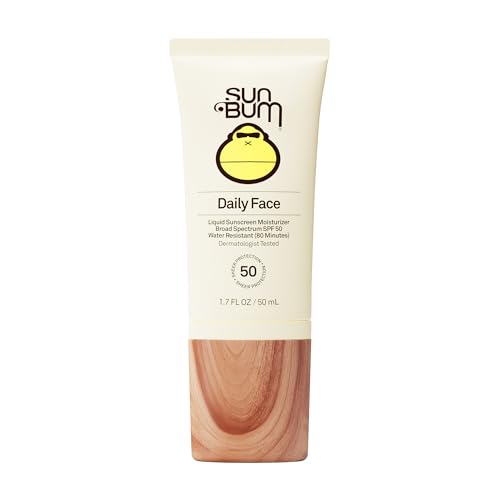

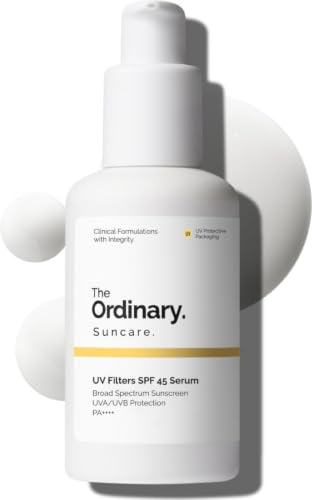

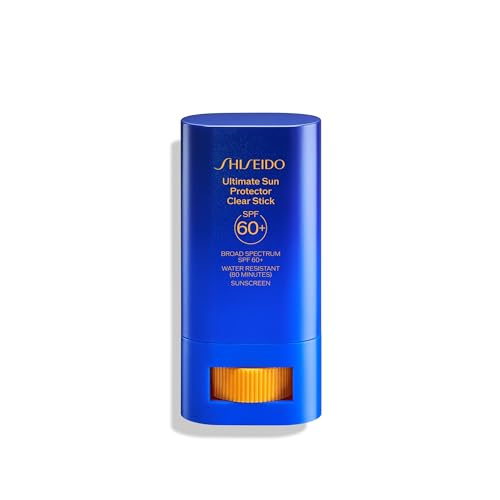
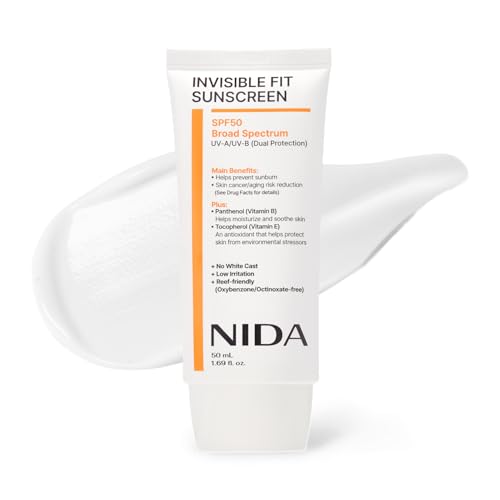
Black Friday is coming: shop the deals with Prime
Sun exposure is also a major trigger for dark spots and melasma. If you are trying to fade hyperpigmentation, daily sunscreen is one of the most useful steps you can take.
This guide explains why a white cast happens, which types of sunscreen are least likely to leave one, how to test a product and how to apply enough without a streaky finish.
There is no single best product for everyone, so we explain what to look for and how to test, rather than telling you what to buy.
Use the guide as a starting point and adjust as you learn how different formulas look and feel on your own skin.
I am Rakib Sarwar, a registered pharmacist with a cosmetology course. I cannot give personal medical advice, but I can share how to choose and use sunscreen sensibly.
If you have a skin condition, a history of skin cancer or take medicines that make you sun sensitive, ask a doctor or pharmacist for specific advice.
Quick Answer
- Deeper skin tones still need daily sunscreen.
- White cast is mostly caused by mineral particles.
- Chemical, gel and tinted formulas often blend better.
- Tinted mineral products use iron oxides to match skin.
- Use about two finger lengths for face and neck.
- Test a product on your jawline before buying a large size.
Contents
Why Deeper Skin Still Needs Sunscreen
Melanin absorbs and scatters some UV light, which gives deeper skin a degree of natural protection. But that protection is limited, and sunburn, photoaging and skin cancer can all still occur.
For these reasons, many pharmacists and dermatologists suggest that all skin tones use a broad spectrum sunscreen daily on exposed skin. It is a small habit with a large effect over years, and it supports every other step in your routine.
A useful way to think about it is that natural melanin is like a light umbrella, not a full shield. It helps, but heavy or repeated sun exposure still gets through, particularly on the face, which is exposed all year.
Some people also worry that sunscreen blocks vitamin D. Daily use of sunscreen on the face has a small effect on vitamin D for most people, and diet, supplements and short exposure on other body areas contribute too.
If you are concerned about vitamin D, ask a doctor or pharmacist, especially if you have deeper skin and live far from the equator.
Do not use sunscreen on babies under six months unless a doctor advises it, and keep them out of direct sun. Stop using any sunscreen that causes a rash or burning.
UV exposure also darkens existing dark spots, scars and melasma, making them harder to fade. This is one of the most common reasons people with deeper skin tones are advised to use sunscreen daily.
Skin cancers in people with deeper skin are less common but are often found later, which can make them more serious. Regular skin checks and sun protection both matter.
| Myth | Reality |
|---|---|
| Dark skin cannot burn | It can burn and tan, though less easily |
| Sunscreen is only for the beach | UV exposure adds up through daily life |
| Dark spots fade on their own in the sun | Sun can make them darker |
Why a White Cast Happens
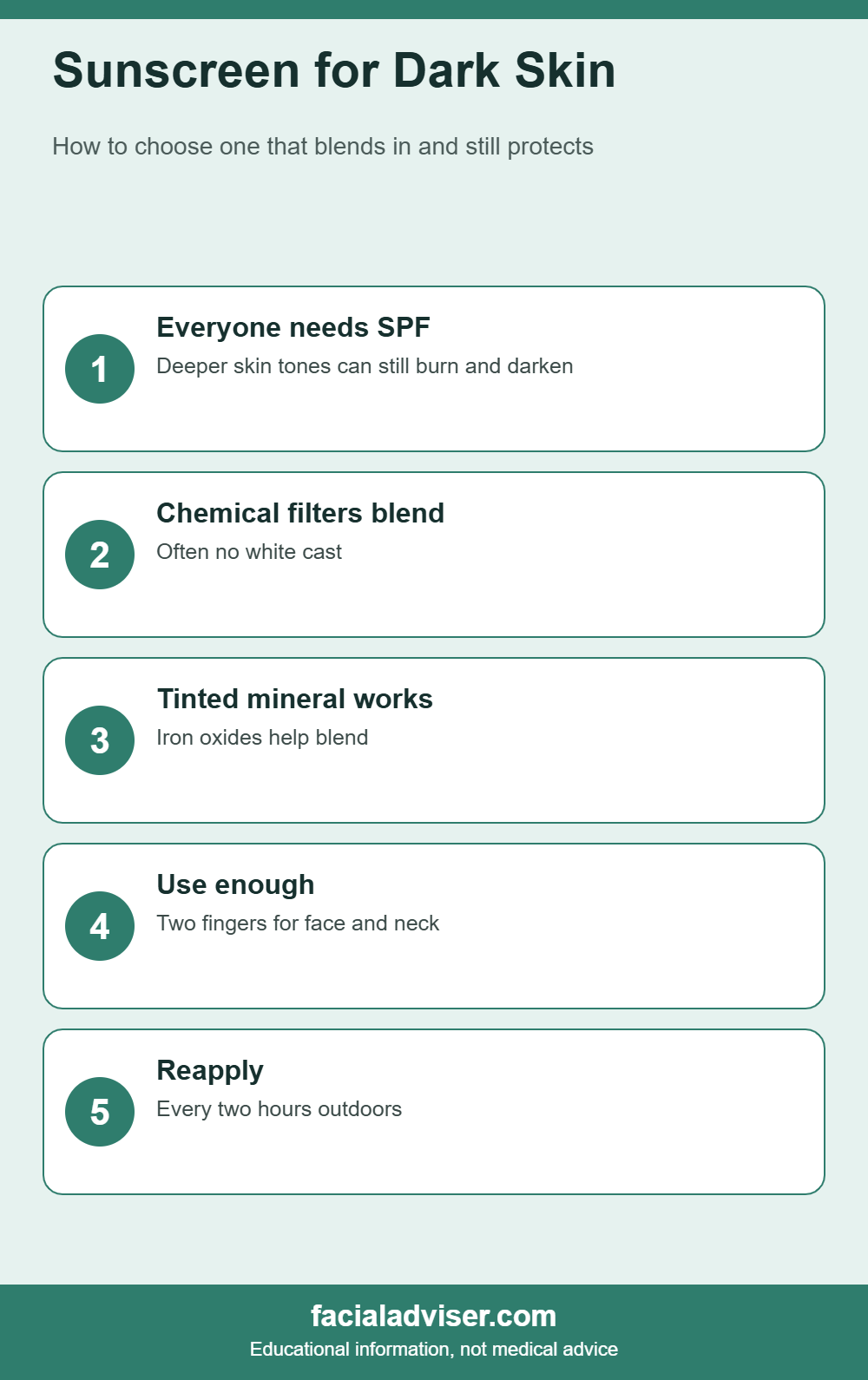
A white cast comes mostly from mineral filters such as zinc oxide and titanium dioxide, which sit on the skin and reflect light. On deeper skin tones, this can show as a gray, ashy or purple tint.
If a sunscreen leaves a slight cast, you can reduce it by applying it to slightly damp skin, warming it first and layering a thin second coat rather than one thick one. A tinted moisturizer or a little facial oil over the top can also even out the look, though you should not rely on these as a replacement for proper sunscreen.
Texture influences how visible a cast is. Thick creams can look chalky, while serums and fluids spread thinner. Rubbing in too aggressively can also cause patchy or streaky areas.
Shine is another issue. Some chemical sunscreens leave a glossy look, which some people like and others dislike. A dewy finish is not a flaw, but if you prefer matte, look for words such as matte, dry touch or oil-free on the label.
If you have oily or acne-prone skin, choose a lightweight formula labeled non-comedogenic, and cleanse at night to remove it thoroughly. Our guide to removing sunscreen covers the method.
Particle size, formulation and the amount applied all influence how visible it is. Newer mineral formulas use smaller particles or added tint to reduce the effect.
Some chemical filters can leave a slight sheen or a faint cast if applied thickly, but in general they blend more easily.
Types of Sunscreen to Try
Each type has trade-offs. There is no single best choice, so choose by feel, finish and how it looks on your skin.
Whichever type you pick, apply it consistently. A reasonable sunscreen used every day gives far more benefit than a perfect one used rarely.
Try samples or travel sizes where possible. Many brands sell mini sizes that let you check the finish and cast before you buy a full bottle.
Mineral and chemical sunscreens both work. Mineral sunscreens are often chosen for sensitive skin because they sit on the surface and are less likely to sting. Chemical sunscreens absorb UV and are often thinner. Hybrid formulas combine both.
If you are pregnant, have sensitive skin or have a skin condition, ask a pharmacist or doctor which type suits you.
Sprays and powders can be useful for reapplication, but they are easy to under-apply, so they are better for top-ups than for your first layer of the day.
| Type | Why it may suit deeper skin | Watch for |
|---|---|---|
| Chemical gels and fluids | Usually clear, lightweight | Can sting eyes for some |
| Tinted mineral | Iron oxides match skin tone | Shade range varies |
| Sunscreen sticks | Convenient for top-ups | Easy to under-apply |
| Serum or essence sunscreens | Light, often no cast | Check the SPF and broad spectrum label |
Tinted mineral products can also help with melasma because iron oxides block visible light, which can worsen pigmentation. If you are interested, ask a pharmacist or dermatologist which products suit you.
How to Choose and Test a Sunscreen
Look for broad spectrum protection and SPF 30 or higher. Choose a texture you will use every day, because the best sunscreen is the one you actually wear.
Also check how the sunscreen behaves over the day. Some formulas darken, turn greasy or oxidize on the skin after a few hours. Look at your face in the evening to see how it held up.
Check shade ranges for tinted products. Some brands offer only light, medium and deep, and the deepest shade may still not match every skin tone. Look for reviews from people with a skin tone similar to yours, but do not rely on them alone.
Think about your routine. If you wear makeup, a clear gel or fluid is often the easiest base. If you prefer a single product, a tinted formula can replace foundation on lighter days.
Finally, consider cost. A sunscreen you can afford to use generously is better than a luxury one you ration.
Check the label
Look for broad spectrum and SPF 30 or higher.
Choose a type
Chemical gel, tinted mineral, serum or stick.
Patch test
Apply a small amount on your jawline for a few days.
Check in daylight
Look in natural light for ashiness or shine.
Apply the right amount
Use about two finger lengths for face and neck.
Check the product in daylight and take a photo with your phone. Some casts are only visible in flash photos, so a mirror and a photo are both worth checking.
How to Apply Without a Cast
Use enough product. Thin layers give less protection and can also look streaky. Warm the sunscreen between your fingers, apply it in sections and blend with patting motions.
If you wear makeup, apply sunscreen first, wait a minute and then apply foundation or concealer with a light touch so that you do not rub the sunscreen off.
Remember to apply sunscreen to the ears, back of the neck, hands and any area exposed to the sun. Many people only apply it to the face and forget other areas that darken or burn.
Reapply every two hours outdoors and after sweating or swimming.
Apply it over moisturizer and give it a minute to settle before applying makeup. If you notice a cast, a drop of facial oil or a tinted moisturizer over the top can help blend it, though that adds extra steps.
For measurements and reapplication tips, see our guide on how much sunscreen to apply to your face, and our tinted sunscreen guide for shade ranges.
Common Mistakes
The most common mistake is giving up after one bad experience. Formulas differ greatly, and a different texture or type often solves the problem.
Another frequent problem is choosing a sunscreen by SPF alone. SPF measures protection against UVB. Check that the label also says broad spectrum, which means it protects against UVA as well.
People also forget about indoor and cloudy-day exposure. UVA passes through clouds and windows, so daily sunscreen is useful when you spend long periods near bright windows or in a car.
Finally, dark spots do not fade overnight. Even with daily sunscreen, it can take weeks or months to see improvement, and persistent spots may need advice from a doctor or dermatologist.
Others include applying too little to avoid a cast, skipping the ears and neck, and assuming makeup with SPF is enough.
| Mistake | Result | Fix |
|---|---|---|
| Using too little | Low real protection | Use two finger lengths |
| Giving up after one cast | No daily protection | Try a gel or tinted formula |
| Skipping neck and ears | Uneven tone | Apply to all exposed areas |
| Relying on makeup SPF | Gaps in coverage | Use a proper sunscreen first |
Honest Limits
Product shade ranges and finishes vary by brand and skin tone, so one person’s perfect blend may look different on you. Always test before committing.
This guide does not cover prescription treatments for pigmentation or melasma, which should be guided by a doctor. Sunscreen is one part of a larger plan.
Every formula changes over time, so check the current label and ingredients on the product page before buying.
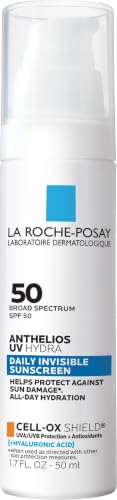
Ratings show popularity, not suitability. The examples below have strong reviews, but a product that works well on one person may leave a cast on another.
When to See a Professional
See a doctor or dermatologist about any new, changing or non-healing spot, especially on the palms, soles, nails or mouth, where skin cancers in deeper skin tones are more often found.
This article is educational and is not medical advice. Product details come from public listings and may change.
Quick Tips
Keep a sunscreen in your bag for top-ups and wear a hat for extra protection.
If you wear a head covering or hat, you will still need sunscreen on the exposed areas of the face and neck. Sunglasses with UV protection also help protect the delicate skin around the eyes.
Keep a travel-size sunscreen in your bag so you can reapply during the day. Little habits like this make daily protection much easier.
If a sunscreen irritates your skin, try a fragrance-free formula and ask a pharmacist for suggestions.
Do
- Wear sunscreen daily
- Try gels and tinted formulas
- Test in daylight
Don’t
- Skip sunscreen on cloudy days
- Use too little
- Rely on makeup SPF
Common Questions
Do dark skin tones need sunscreen?
Yes. Deeper skin can still burn, age and develop skin cancer.
Why does sunscreen leave a white cast?
Mineral filters reflect light and can look ashy on deeper skin.
Which sunscreen has no white cast?
Chemical gels, fluids and tinted mineral formulas often blend better.
Is mineral sunscreen bad for dark skin?
Not always. Tinted and newer formulas can blend well.
What SPF should I use?
SPF 30 or higher, broad spectrum.
Does sunscreen help dark spots?
It helps prevent them from getting darker.
How much should I apply?
About two finger lengths for the face and neck.
Can I wear sunscreen under makeup?
Yes, apply it first and let it settle.
How do I test for a cast?
Apply a small amount and check in daylight.
When should I see a doctor?
If you notice a changing or non-healing spot.
Where This Leaves You
Deeper skin needs sunscreen too, and gels, fluids and tinted formulas often blend without a cast.
Test in daylight, use enough, and ask a pharmacist, doctor or dermatologist if you have questions about your skin.

Written by
Registered pharmacist and founder of Facial Adviser. Rakib's pharmacy training covers how skincare actives work and interact; a later course in cosmetology turned that into a focus on facial treatments and skincare products. He plans, researches and edits every guide on the site and checks health claims against sources such as the American Academy of Dermatology, the FDA and the NIH. He is not a dermatologist; see the Editorial Policy and Medical Disclaimer.
About · Editorial policy · How we choose products · Medical disclaimer · Contact
Keep reading: Toners, mists and sunscreen
- Best Face Sunscreens in the UK: 7 SPF 50 Picks for Daily Wear
- What Does a Facial Toner Do? The Real Answer
- Facial Mist vs Toner: Differences, Benefits and Whether to Use Both
- Facial Toner vs Astringent: Which One Your Skin Actually Needs
- Facial Spray vs Toner: What Each Does and Whether You Need Either
- 10 Best Facial Cleansers for Combination Skin (2026): Balanced Picks
- 10 Best Facial Moisturizers for Dry Skin (2026): Rich, Gentle Creams
Turn skincare time into me-time with a free audiobook