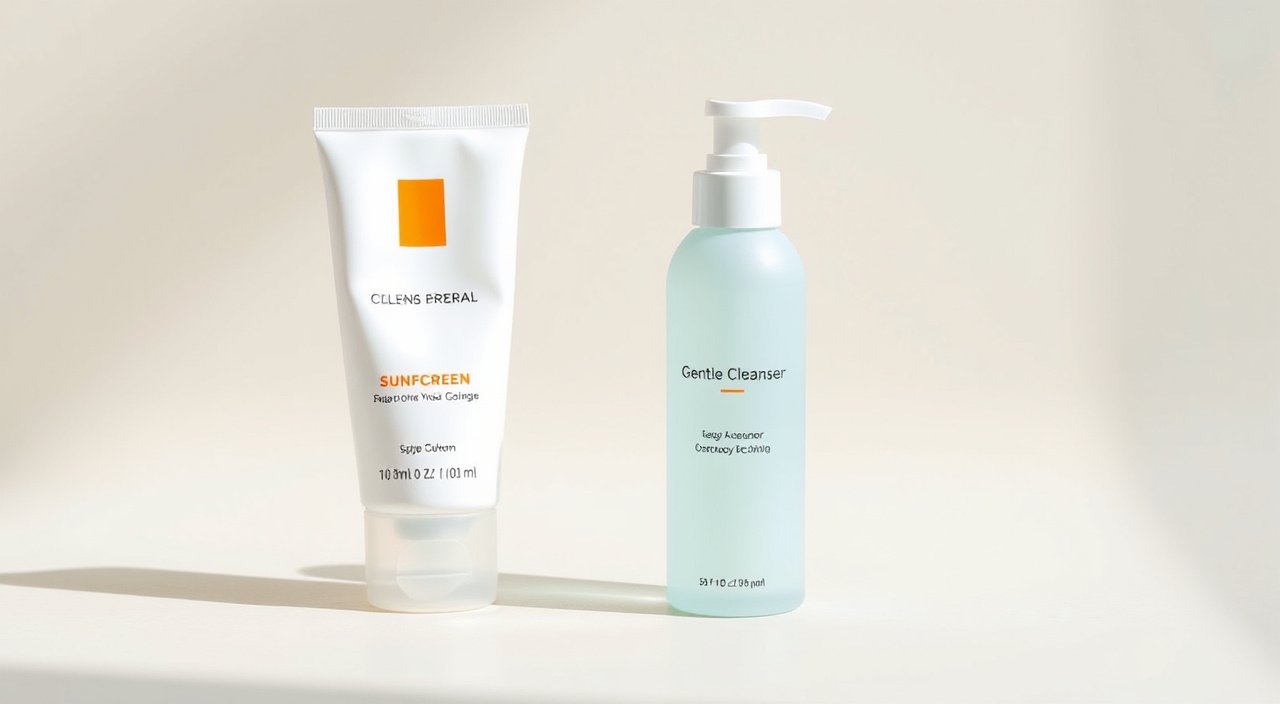
How to Remove Sunscreen From Your Face Properly
Sunscreen is designed to stay on your skin, so a quick splash of water at night usually is not enough to remove it. Leftover sunscreen can clog pores, cause bumps and leave skin feeling dull and heavy.
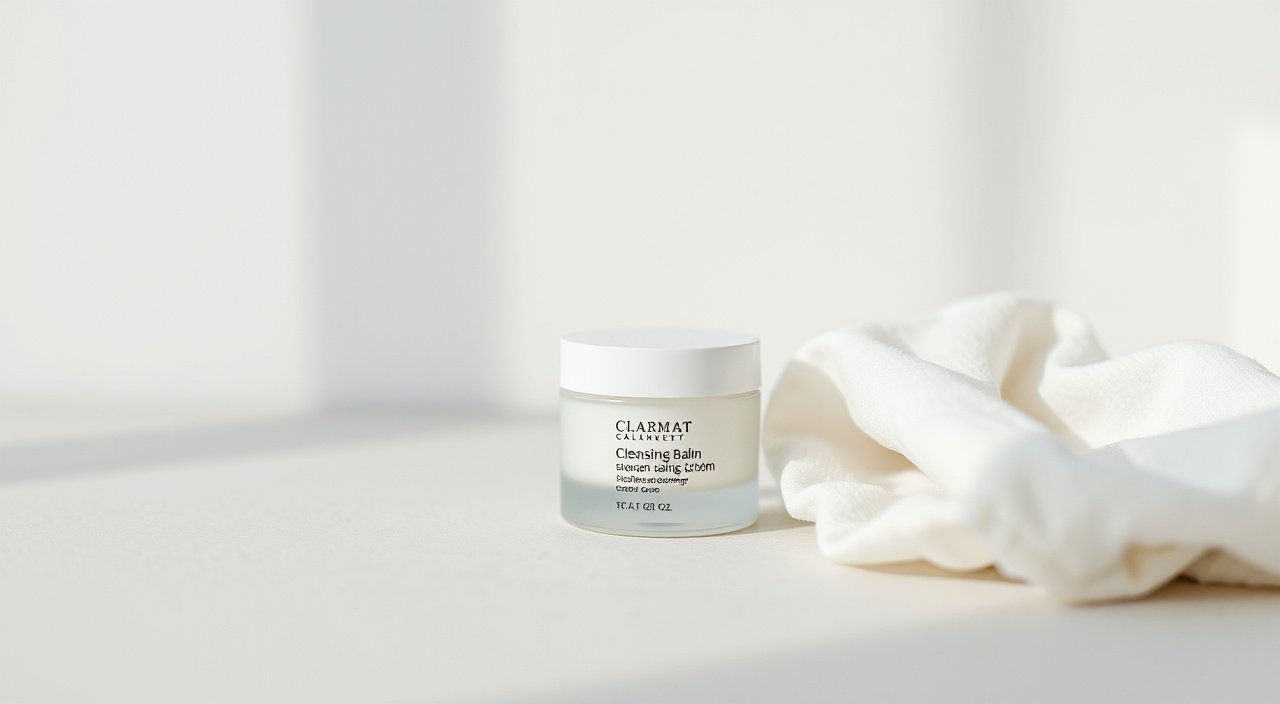
The good news is that you do not need a long routine. For many people, a gentle cleanser and lukewarm water remove daily sunscreen well. For water-resistant or heavy formulas, an oil or balm first, followed by a gentle wash, does a better job.
Cleansers and Oils for Removing Sunscreen
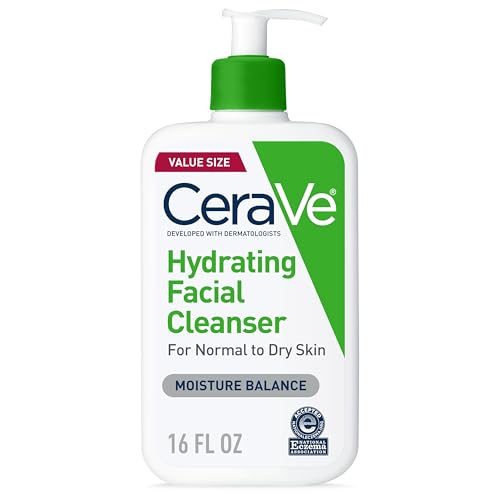

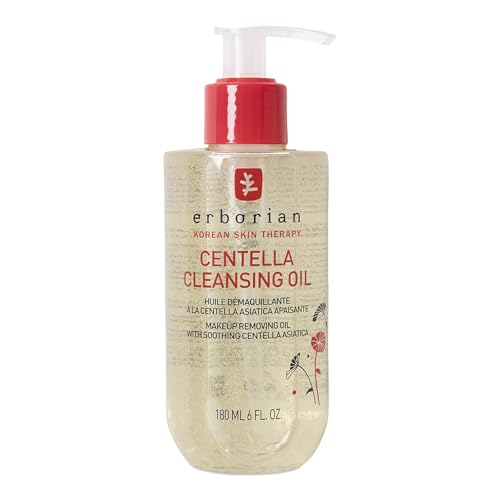
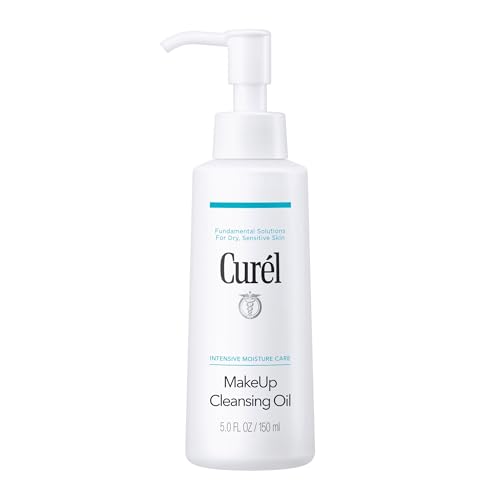

Black Friday is coming: shop the deals with Prime
This guide explains when one wash is enough, how to double cleanse, which textures work best for different skin types and how to avoid scrubbing or stripping your skin.
I am Rakib Sarwar, a registered pharmacist with a cosmetology course, and I prefer gentle routines that keep the skin barrier healthy.
Skin type and sunscreen type both matter. A light gel worn alone is very different from a water-resistant mineral cream worn over foundation, and the best removal method changes with each.
You will find a simple decision guide, a step-by-step method and a list of common mistakes below.
Take it slowly and judge by how your skin looks and feels.
The advice is general. If your skin is sensitive, you have eczema or rosacea or you react to products, ask a pharmacist or doctor for personal advice.
Cleansing is the step that makes every other part of your routine work better, so it is worth getting right.
At a Glance
- Daily light sunscreen often comes off with one gentle wash.
- Water-resistant and mineral sunscreens may need an oil or balm first.
- Massage gently and rinse with lukewarm water.
- Do not scrub or use hot water.
- Moisturize after cleansing.
- Sensitive skin needs fewer, milder steps.
Contents
Why Sunscreen Needs Proper Removal
Sunscreen contains film-forming ingredients and oils that help it stay on the skin through sweat and water. That is useful during the day, but it means that residue can build up if you only rinse.
Over time, regular incomplete cleansing can show up as rough texture, small closed bumps and a dull look. Fixing it often gives a visible improvement within a few weeks.
Pores are not tiny doors that open and close, but they can become blocked when oil, dead skin cells and product residue collect inside them. Sunscreen is not the only cause of clogged pores, yet leftover film makes things worse for people who are prone to congestion.
Some sunscreen ingredients are also heavy emollients designed to keep the product spread evenly. These are comfortable on the skin during the day but can build up if they are not removed at night. This is more noticeable when you also wear moisturizer, primer or foundation.
The skin also renews itself at night, and a clean surface helps night products such as retinol or moisturizer sit evenly on the skin. If your skin looks dull in the morning, incomplete cleansing is one of the first things to check.
Leftover sunscreen, mixed with sebum and dirt, can clog pores and cause bumps, especially on the chin, nose and hairline. It can also leave a film that stops night-time products from working as well.
Proper removal does not have to be harsh. The goal is to dissolve the product, not to scrub it off.
| Sunscreen type | How hard to remove | Suggested method |
|---|---|---|
| Light daily lotion or gel | Easy | Gentle cleanser |
| Mineral or tinted | Moderate | Cleansing oil or balm, then cleanser |
| Water-resistant or sport | Harder | Oil or balm first, then cleanser |
When One Wash Is Enough
If you use a lightweight daily sunscreen and no makeup, a gentle cleanser is often enough. Massage it in for about 30 to 60 seconds and rinse well.
Remember that more cleansing is not better. Washing too often strips the skin and may make it oilier. Cleanse once or twice a day and stop there.
A simple test is the cotton pad check. After washing, wipe a damp cotton pad across your cheek and jaw. If it comes away with color, a greasy feel or white streaks, your cleanse left something behind.
Another sign is the way your face feels about ten minutes after washing. If it feels slick or coated even though you rinsed well, an oil or balm first step may help. If it feels tight or squeaky, the wash is too strong and you should switch to a gentler cleanser.
People who sweat a lot, swim or spend time outdoors usually wear heavier sunscreen and may find a double cleanse worthwhile. People who work indoors and use a light gel often do not.
Check how your skin feels afterward. If you feel a film, see white residue near the hairline or notice small bumps, add an oil or balm as a first step.
If your skin is dry or sensitive, double cleansing every day may be too much. Use a gentle cleanser and see how your skin responds.
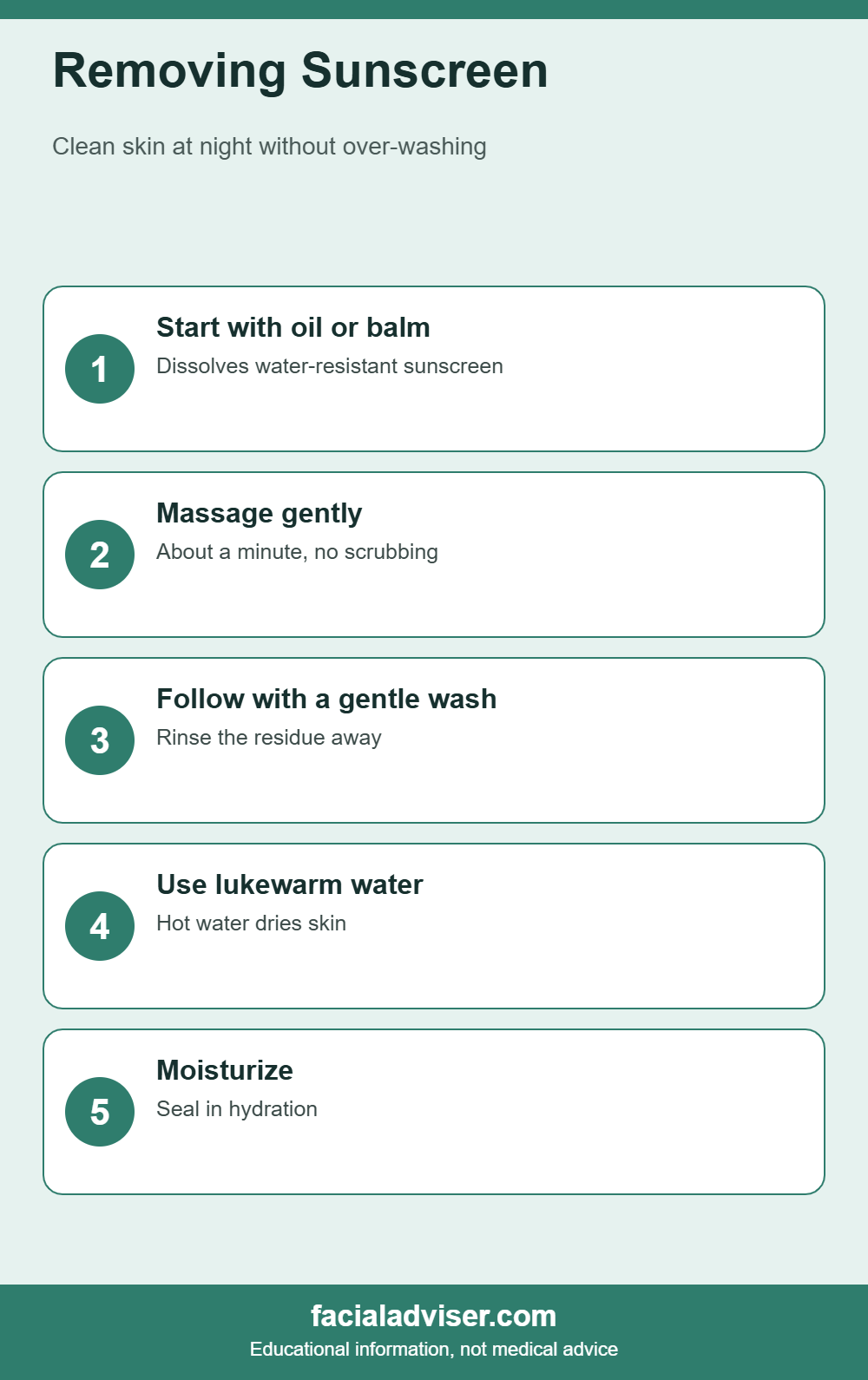
How to Remove Sunscreen Step by Step
This method works for most skin types.
Take your time with the massage. The oil needs a little contact time to dissolve the sunscreen, and rushing can mean you miss areas. A full minute is a good guide.
If you wear glasses or a hat, check the nose bridge and hairline, where products rub in and collect. Use a soft, clean washcloth with warm water to lift any leftover film, but pat rather than rub.
If your eyes sting when you remove sunscreen, keep them closed, rinse with cool water and avoid pulling the skin around them. Choose a cleanser labeled safe for the eye area when you are removing sunscreen close to the lashes.
Start with dry skin
Apply two or three pumps of cleansing oil or a scoop of balm onto dry hands and a dry face.
Massage gently
Use light circles for about a minute, paying attention to the hairline, nose and jaw.
Add water
Wet your fingers and keep massaging until the oil turns milky.
Rinse
Rinse with lukewarm water.
Wash with a gentle cleanser
Lather it with wet hands and wash for 30 seconds.
Rinse and moisturize
Pat dry and apply your moisturizer.
Be thorough around the hairline, ears, neck and the sides of the nose, where sunscreen often collects.
Choosing a Remover
Oils and balms dissolve sunscreen well because both are oil-based. Choose one that emulsifies, meaning it turns milky with water and rinses clean.
Price is not a reliable guide. A simple, fragrance-free oil or cleanser from a drugstore often works as well as a luxury one, so choose by texture, ingredients and how your skin responds.
Fragrance-free products are a safe starting point for sensitive skin. Essential oils such as citrus and peppermint can irritate, especially around the eyes and on damaged skin.
If you prefer to use a balm, scoop it with a clean spatula and warm it in your palms before applying. Balms melt into an oil as you massage, then turn milky with water.
Cleansing cloths and wipes are convenient for travel but are not an ideal everyday choice, because rubbing a dry cloth over the face can irritate. If you use one, follow with a rinse and cleanser at the end of the day.
Do not use cleansing products that burn, swell or cause a rash. Rinse with cool water and ask a pharmacist or doctor if symptoms persist.
For the second step, choose a gentle gel or cream cleanser. Avoid harsh scrubs, alcohol-heavy toners and very hot water.
Micellar water can work for light sunscreens, but follow it with a wash if your skin feels sticky. Our micellar water guide covers popular options, and our double cleansing guide explains the method in more detail.
| Skin type | First step | Second step |
|---|---|---|
| Dry | Balm or creamy oil | Cream cleanser |
| Oily | Light oil | Gel cleanser |
| Sensitive | Fragrance-free oil or balm | Mild cleanser |
Mineral and Tinted Sunscreens
Mineral sunscreens with zinc oxide or titanium dioxide, and tinted formulas with iron oxides, can cling to skin and leave a visible residue. They often need an oil or balm to remove properly.
Tinted mineral sunscreens often contain iron oxides that can stain skin and fabric. If you notice a faint tint along your hairline after cleansing, a second cleanse or a damp cloth usually removes it.
If you apply sunscreen to your neck, chest and ears, remember to remove it there too. These areas are often forgotten and can develop bumps from leftover product.
Look in the hairline, the sides of the nose and around the jaw for any remaining tint or white film after washing. A soft cloth or cotton pad soaked in warm water can help lift the last traces gently.
Common Mistakes
The biggest mistake is scrubbing. Rubbing hard or using a rough cloth can irritate the skin and does not remove sunscreen better.
Another mistake is using the same towel for days, which can reintroduce bacteria and old product. Use a clean face towel or paper towel and pat dry.
A last mistake is expecting a cleanser to do the job of sun protection. Cleansing removes sunscreen. Daily use of sunscreen the next day is still what protects your skin. See our guide to how much sunscreen to use for application tips.
Another is using very hot water, which dries the skin, and a third is stripping with a harsh cleanser, which can leave the skin tight and trigger more oil.
| Mistake | Result | Fix |
|---|---|---|
| Scrubbing | Irritation | Use gentle circles |
| Hot water | Dryness | Use lukewarm water |
| Skipping the hairline | Residue and bumps | Wash all edges |
| Harsh cleanser | Tightness | Choose a mild one |
What About the Morning?
In the morning you usually only need to rinse with water or use a gentle cleanser before applying a fresh layer of sunscreen. Do not layer new sunscreen over several days of old product without cleansing at night.
If you use a vitamin C serum or other active in the morning, apply it to clean skin before sunscreen. Wash gently, pat dry and let each layer settle. The skincare order guide at our skincare order page shows how to layer.
On days you swim or exercise outdoors, cleanse again when you finish. Sweat and sunscreen mix and can clog pores if left on for hours, so a quick rinse and wash after exercise is helpful.
Honest Limits
Cleansers do not treat acne or wrinkles, and double cleansing is not necessary for everyone. If your skin is comfortable and clear with a single gentle wash, there is no need to add steps.
Sunscreen formulas differ widely, so these methods are starting points. If a method leaves your skin dry or irritated, back off to a simpler routine and adjust gradually.
If you need to use strong acne products or retinoids, a simple, gentle cleanse is usually better than multiple cleansing steps, since over-washing can add to irritation.
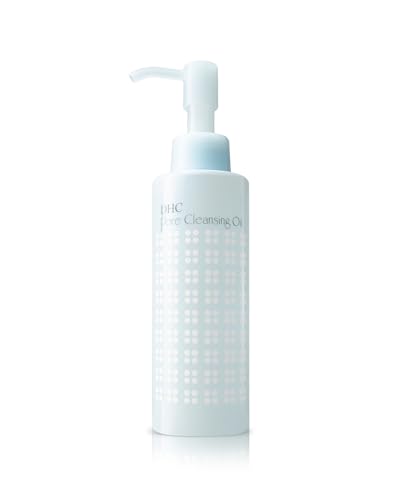
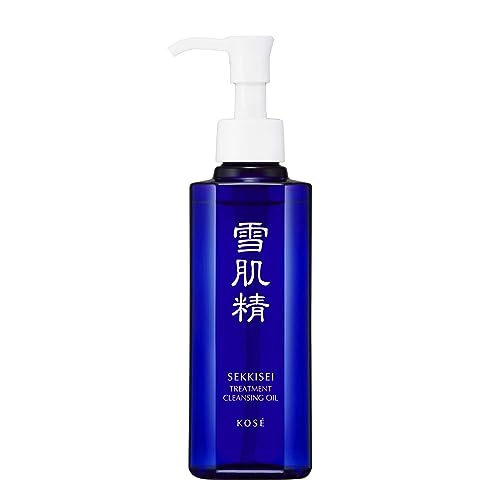
The products below are examples with strong ratings, not recommendations for your particular skin.
When to See a Professional
See a pharmacist, doctor or dermatologist if you have a rash, burning, persistent redness or breakouts that do not improve with a gentle routine.
This article is educational and is not medical advice. Product details come from public listings and may change.
Quick Tips
Keep a washcloth or cotton pads for the hairline, and wash cloths often.
Keep your cleansing routine consistent for at least two weeks before judging it. Skin takes time to respond, and switching products constantly makes it hard to tell what works.
If you are unsure whether you are removing sunscreen well, take a photo of your face in daylight after cleansing and compare it with how your skin looks after a week of your new routine.
If your sunscreen stings your eyes, switch to a formula made for the face, and wash it off gently.
Helps
- Massage oil on dry skin
- Use lukewarm water
- Moisturize afterward
Backfires
- Scrub hard
- Use hot water
- Skip the hairline
Frequently Asked Questions
How do I remove sunscreen from my face?
Use a gentle cleanser, or an oil or balm first for water-resistant sunscreen.
Is one wash enough for sunscreen?
For light daily sunscreen, often yes.
Do I need to double cleanse?
If your sunscreen is water-resistant, mineral or you wear makeup.
Can micellar water remove sunscreen?
It can work for light sunscreens, followed by a wash.
Why does sunscreen clog pores?
Residue can mix with oil and dirt.
Should I use hot water?
No. Lukewarm water is gentler.
Can I use a cleansing oil every day?
Yes, if your skin tolerates it.
How do I remove sunscreen from the hairline?
Massage it gently and rinse thoroughly.
Should I cleanse in the morning?
A rinse or gentle wash is usually enough.
When should I see a doctor?
If you have a rash or burning.
The Bottom Line
Remove sunscreen gently every night, using an oil or balm first when it is water-resistant.
Skip the scrubbing, moisturize afterward, and ask a pharmacist, doctor or dermatologist if your skin reacts.

Written by
Registered pharmacist and founder of Facial Adviser. Rakib's pharmacy training covers how skincare actives work and interact; a later course in cosmetology turned that into a focus on facial treatments and skincare products. He plans, researches and edits every guide on the site and checks health claims against sources such as the American Academy of Dermatology, the FDA and the NIH. He is not a dermatologist; see the Editorial Policy and Medical Disclaimer.
About · Editorial policy · How we choose products · Medical disclaimer · Contact
Prime for Young Adults: a longer free trial and a lower price after it