How Much Sunscreen to Apply to Your Face: The Two-Finger Rule
Most people put on far less sunscreen than the label assumes. The SPF number on the bottle is tested at a thick layer, about two milligrams per square centimeter of skin, and many people apply a third to a half of that.
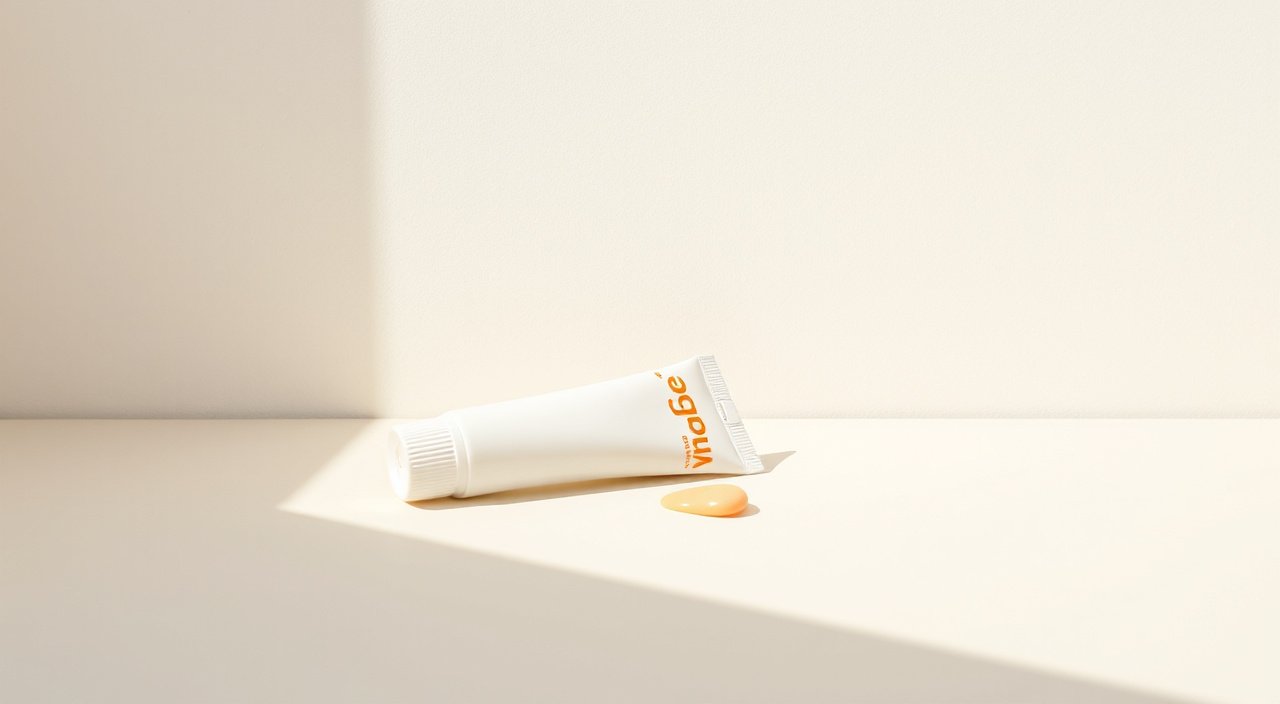
That means an SPF 50 sunscreen applied thinly may give you protection closer to SPF 15 or 20, which is still useful but much lower than you expected.
The good news is that you do not need a scale to get it right. The two-finger rule gives you a practical amount for your face and neck, and the quarter-teaspoon guide gives a similar answer for the face alone.
Sunscreens to Try With the Two-Finger Rule
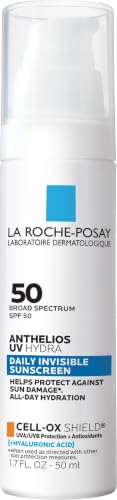
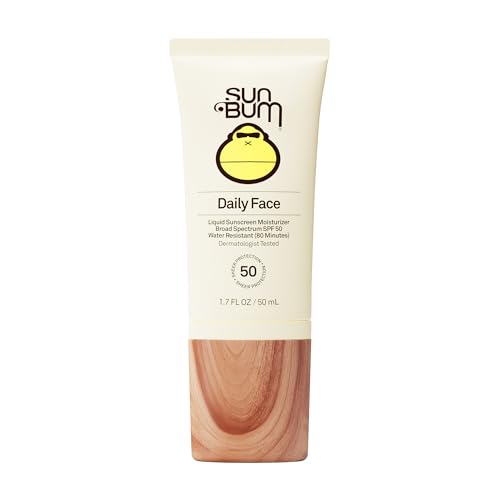
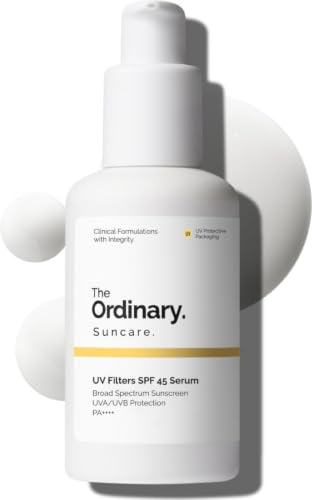
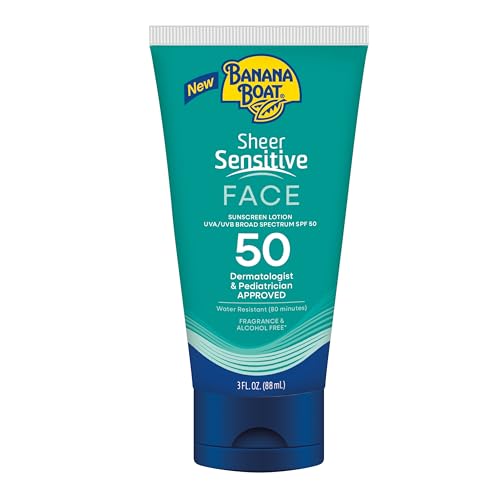
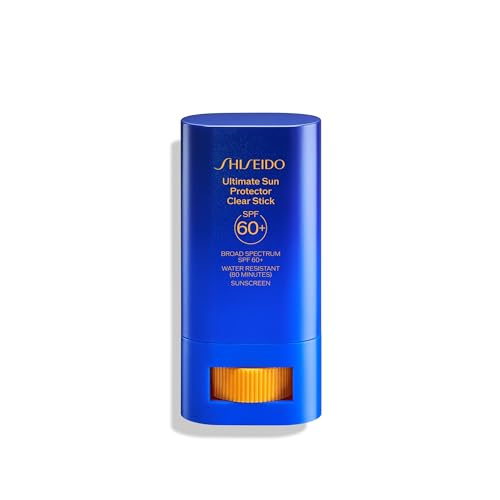
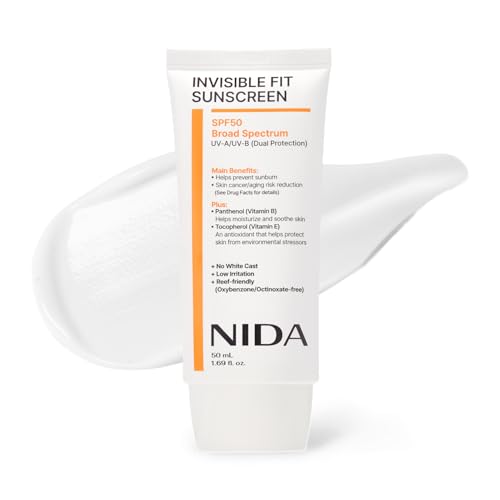
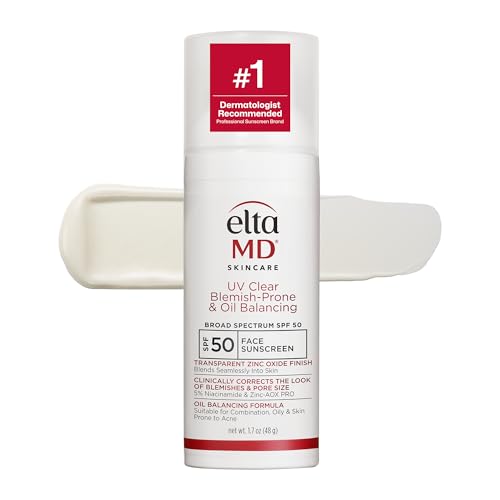
Black Friday is coming: shop the deals with Prime
This guide explains how much sunscreen to use, how to measure it, how to apply it without pilling, how it fits with moisturizer and makeup, and how often to reapply.
Think of it like painting a wall. A thin coat leaves patches and lets the color underneath show through, while an even, full coat covers properly.
Use the steps and tables below as a quick reference, and see the examples of face sunscreens near the end.
I am Rakib Sarwar, a registered pharmacist with a cosmetology course, and sun protection is one of the habits I recommend most often.
The advice is general. If you have a skin condition, take medicines that increase sun sensitivity or have a history of skin cancer, ask a doctor or pharmacist about the best sun protection for you.
Contents
Key Takeaways
- Use about a quarter teaspoon for the face alone.
- The two-finger rule covers the face and neck.
- Thin layers give lower protection than the label SPF.
- Apply sunscreen as the last skincare step in the morning.
- Reapply about every two hours outdoors.
- Sunscreen does not replace shade or clothing.
Why the Amount Matters
Sunscreen is tested in a laboratory using a set amount per square centimeter. That is the amount that gives the SPF number on the label. Using less gives you less protection, and the drop is not gradual. Studies suggest that halving the amount can reduce protection by much more than half.
SPF itself measures protection against UVB, the rays that cause sunburn. A sunscreen labeled broad spectrum also protects against UVA, which contributes to skin aging and some skin cancers. Both depend on how much you apply.
Sunscreen also breaks down on the skin. Sweat, rubbing, touching your face and natural oils all remove it over time, which is why the amount you apply in the morning is only part of the story.
Most daily facial sunscreens are tested the same way, so the amount rule applies to lotions, gels, creams, serums and mineral formulas alike. Sprays and sticks are harder to measure, which is one reason many people under-apply them.
This is why people can burn while wearing SPF 50. The product is not necessarily poor. The amount was often too small or the coverage uneven.
Using the right amount matters even more on the nose, cheeks, ears and forehead, which receive the most sun.
| Amount used | What it means | Result |
|---|---|---|
| Full recommended amount | Matches lab testing | Close to the SPF on the label |
| About half | Thin layer | Much lower real protection |
| Skipped areas | Gaps in coverage | Sunburn and tanning in patches |
The Two-Finger Rule
The two-finger rule is simple. Squeeze a line of sunscreen along the length of your index finger and another along your middle finger. That amount covers the face and neck for most adults.
Some people find the finger method hard to judge, especially with runny gel formulas. In that case, squeeze the sunscreen into a spoon or the palm of your hand once or twice to see what a quarter teaspoon looks like, then use that picture as your guide in future.
If your sunscreen is a stick, apply several passes over each area until you can see an even film, then blend gently. If it is a spray, spray into your hands rather than directly at your face, and rub in until the skin looks evenly glossy.
If the amount feels heavy at first, remember that it often feels lighter after a few minutes, once the formula settles. Switching to a lighter texture, such as a gel or fluid, is often easier than using less.
Another guide is about a quarter of a teaspoon, which is roughly 1.25 milliliters, for the face alone. If you also cover your ears and the back of your neck, use a little more.
These are guides, not exact measures. Finger length differs between people, so use the rule as a starting point and then check that you can see an even, thin film across all areas.
| Area | Rough amount |
|---|---|
| Face only | About a quarter teaspoon |
| Face and neck | Two finger lengths |
| Face, neck and ears | Slightly more than two finger lengths |
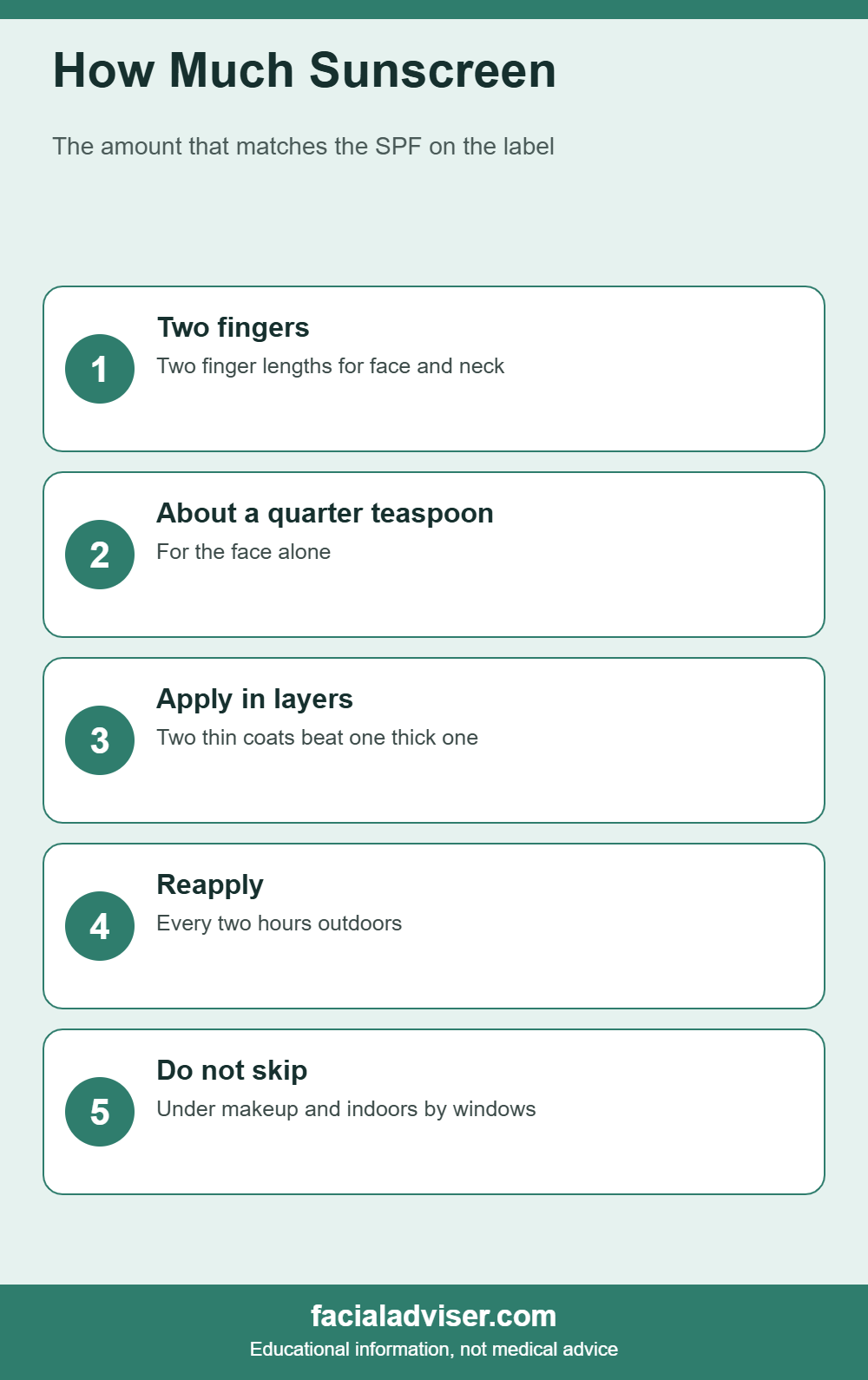
How to Apply Sunscreen to Your Face
Apply sunscreen after moisturizer and before makeup. Give each layer a minute so it can settle.
Pay particular attention to the places that are most often missed. The tops of the ears, the sides of the neck, the hairline, around the eyes and along the jaw can all burn easily.
If you have thinning hair or a receding hairline, apply sunscreen to the scalp edges or wear a hat. Do not forget the lips either, since they have little natural protection. A lip balm with SPF is useful.
Wash your hands afterward, or wipe them, so you do not transfer sunscreen to your eyes. If a product stings your eyes, switch to a formula designed for the face, or a mineral type that tends to be less irritating.
Measure the amount
Squeeze two finger lengths of sunscreen onto your fingers.
Dot it on
Place dots on the forehead, cheeks, nose, chin and neck.
Blend gently
Spread evenly with your fingertips, using patting and sweeping motions.
Cover often-missed areas
Ears, hairline, eyelids, the sides of the nose and the jawline.
Let it dry
Wait a minute or two before makeup.
If you dislike the feel of a thick layer, apply two thin coats rather than one. It is easier to cover evenly and often feels lighter.
Where Sunscreen Fits in Your Routine
Sunscreen goes last in your skincare routine and before makeup. In the morning, the usual order is cleanse, serum if you use one, moisturizer and then sunscreen.
If you use active ingredients such as vitamin C, niacinamide or retinol, they usually go underneath sunscreen. Retinol is normally used at night, but when you use it, sun protection the next morning matters even more because your skin may be more sensitive to the sun.
Some people wonder whether they should wait between moisturizer and sunscreen. A minute or two is enough. Waiting too long is not necessary, but applying sunscreen on top of a wet, sticky layer can make it pill or slide off.
If you use a moisturizer with SPF, treat it as sunscreen only if you apply the full amount, which is usually more than people apply of a moisturizer. In many cases a separate sunscreen is easier to measure.
Our skincare order guide shows where each step belongs, and our mineral sunscreen guide and sunscreen stick guide compare products.
Sunscreen and Makeup
Makeup with SPF does not replace sunscreen, because you would need to apply a thick layer of foundation to match the label. Apply a proper sunscreen first and treat the SPF in makeup as a bonus.
If you do not like layering, a tinted sunscreen can replace part of your base makeup. Apply the full two-finger amount of the tinted product, then add concealer or powder only where needed.
Powder sunscreens and cushion compacts are convenient for reapplying, but they are usually applied in thin layers. Use them for top-ups and not for your first application of the day.
For reapplying over makeup, see our guide on how to reapply sunscreen over makeup. Sprays, sticks and powders can help, but they are easier to under-apply, so use them as top-ups rather than your main protection.
How Often to Reapply
The standard advice is to reapply about every two hours when outdoors, and after swimming, heavy sweating or towel drying. For a normal day indoors, one morning application is usually enough.
When you reapply, you do not need to remove the earlier layer. Add another full amount to the exposed areas, ideally after blotting off sweat or oil. If you are wearing makeup, you can use a sunscreen stick, a cushion compact or a spray as a top-up.
Water-resistant labels mean protection lasts for either 40 or 80 minutes of swimming or sweating, not longer, so you still need to reapply after getting out of the water or towel drying.
If you sit next to a window, some UVA rays pass through glass, so apply sunscreen even on indoor days if you spend long hours near bright windows.
Sunscreen is only one part of sun protection. Seek shade at midday, wear a hat and sunglasses, and see a doctor about any changing mole or new spot.
Common Mistakes
The most common mistakes are using too little, missing the ears and neck, skipping the lips and forgetting to reapply.
A further mistake is applying sunscreen only when you expect to be in strong sun. UV exposure adds up over years of short outdoor moments, such as commuting, walking the dog or sitting near a window.
Some people also avoid daily sunscreen because it feels greasy or leaves a white cast. This is a texture problem rather than a reason to skip it. There are gels, fluids and tinted formulas, and trying a few often solves it.
Finally, remember that sunscreen needs to be stored properly. Leave it in a hot car or a sunny bag and the filters can break down.
Another is relying on a tinted moisturizer or foundation as the only sun protection, which usually gives far less than the label suggests.
| Mistake | Result | Fix |
|---|---|---|
| Too little | Low real SPF | Use two finger lengths |
| Missing areas | Burn in patches | Check ears, neck and hairline |
| No reapplication | Protection fades | Reapply every two hours outdoors |
| Skipping on cloudy days | UV still reaches skin | Apply daily |
Honest Limits
The amounts given here are guidelines based on laboratory test conditions, and real-world use varies. Even correct use does not give perfect protection.
It is also worth remembering that sunscreen filters differ. Mineral filters such as zinc oxide sit on the skin, while chemical filters absorb UV. Both work when applied properly, and the best one is the one you will actually wear every day.
People with very sensitive skin, a sunscreen allergy or a medical condition should ask a pharmacist or doctor which products suit them.
When to See a Professional
See a doctor or dermatologist about any new, changing or non-healing spot, a mole that changes shape or color, or severe sunburn with blistering.
This article is educational and is not medical advice. Product details come from public listings and may change.
Quick Tips
Keep sunscreen where you will see it, such as next to your toothbrush, so applying it becomes automatic.
If you are not sure how much you are using, weigh the bottle for a week. A 50 milliliter tube applied daily at the right amount for the face and neck should run out in roughly a month or two, depending on the size you use.
Check the expiry date. Sunscreen that is old or has been stored in a hot car may not protect as well.
Do
- Measure two finger lengths
- Apply to ears and neck
- Reapply when outdoors
Don’t
- Rely on makeup SPF
- Skip cloudy days
- Use old, expired sunscreen
Questions People Ask
How much sunscreen should I use on my face?
About a quarter teaspoon, or two finger lengths for face and neck.
What is the two-finger rule?
Two lines of sunscreen along your index and middle fingers cover the face and neck.
Is SPF 50 enough if I apply a thin layer?
No. A thin layer gives much lower protection.
Should I put sunscreen on before or after moisturizer?
After moisturizer and before makeup.
How often should I reapply?
About every two hours outdoors.
Do I need sunscreen indoors?
Mostly not, unless you sit near bright windows for long periods.
Is makeup with SPF enough?
No. Use a proper sunscreen first.
Can I mix sunscreen with moisturizer?
It is not recommended because it can dilute the protection.
Does sunscreen expire?
Yes. Check the date and replace old products.
When should I see a doctor?
If you have a changing mole or a non-healing spot.
Final Word
Use about two finger lengths of sunscreen for your face and neck, and reapply outdoors.
Apply it every morning, and ask a pharmacist, doctor or dermatologist if you have questions about your skin.

Written by
Registered pharmacist and founder of Facial Adviser. Rakib's pharmacy training covers how skincare actives work and interact; a later course in cosmetology turned that into a focus on facial treatments and skincare products. He plans, researches and edits every guide on the site and checks health claims against sources such as the American Academy of Dermatology, the FDA and the NIH. He is not a dermatologist; see the Editorial Policy and Medical Disclaimer.
About · Editorial policy · How we choose products · Medical disclaimer · Contact
Prime for Young Adults: a longer free trial and a lower price after it