Best Body Lotions in the UK: 7 Lotions for Dry and Sensitive Skin
Winter air, hot showers and central heating leave the skin on the legs, arms and body tight, flaky and itchy. A good body lotion applied daily can make the difference between comfortable skin and skin that cracks and itches.
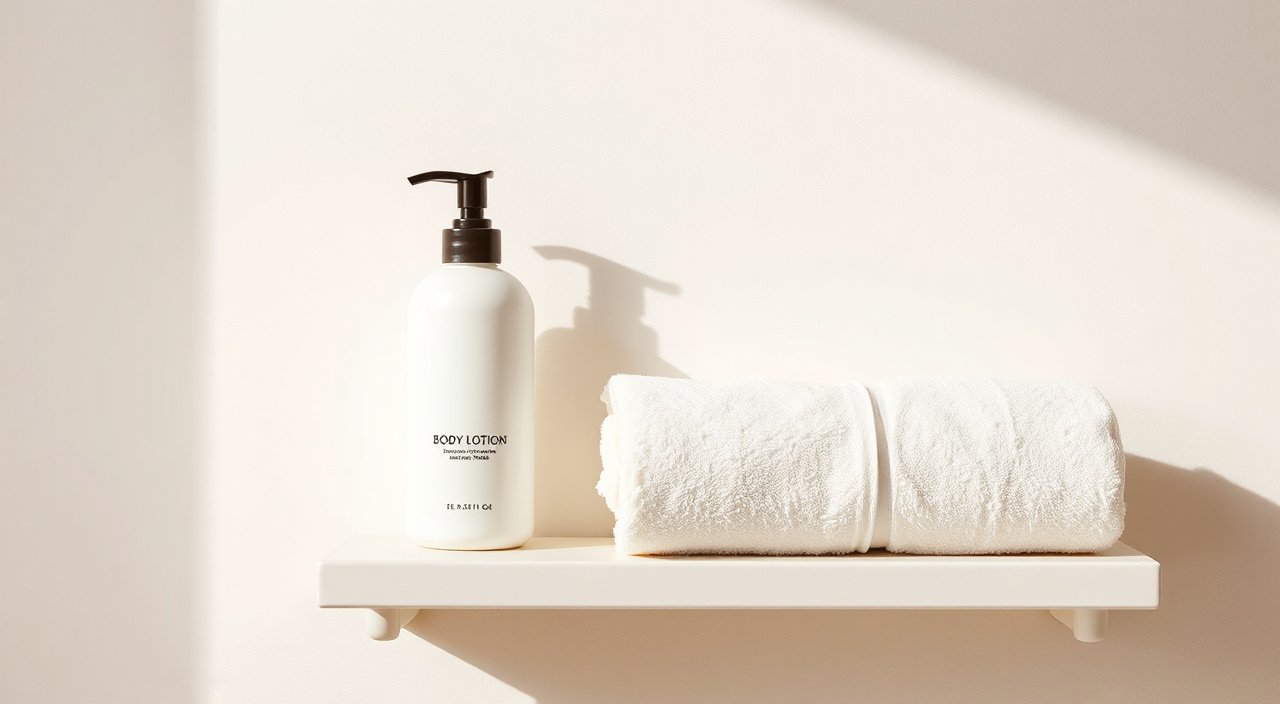
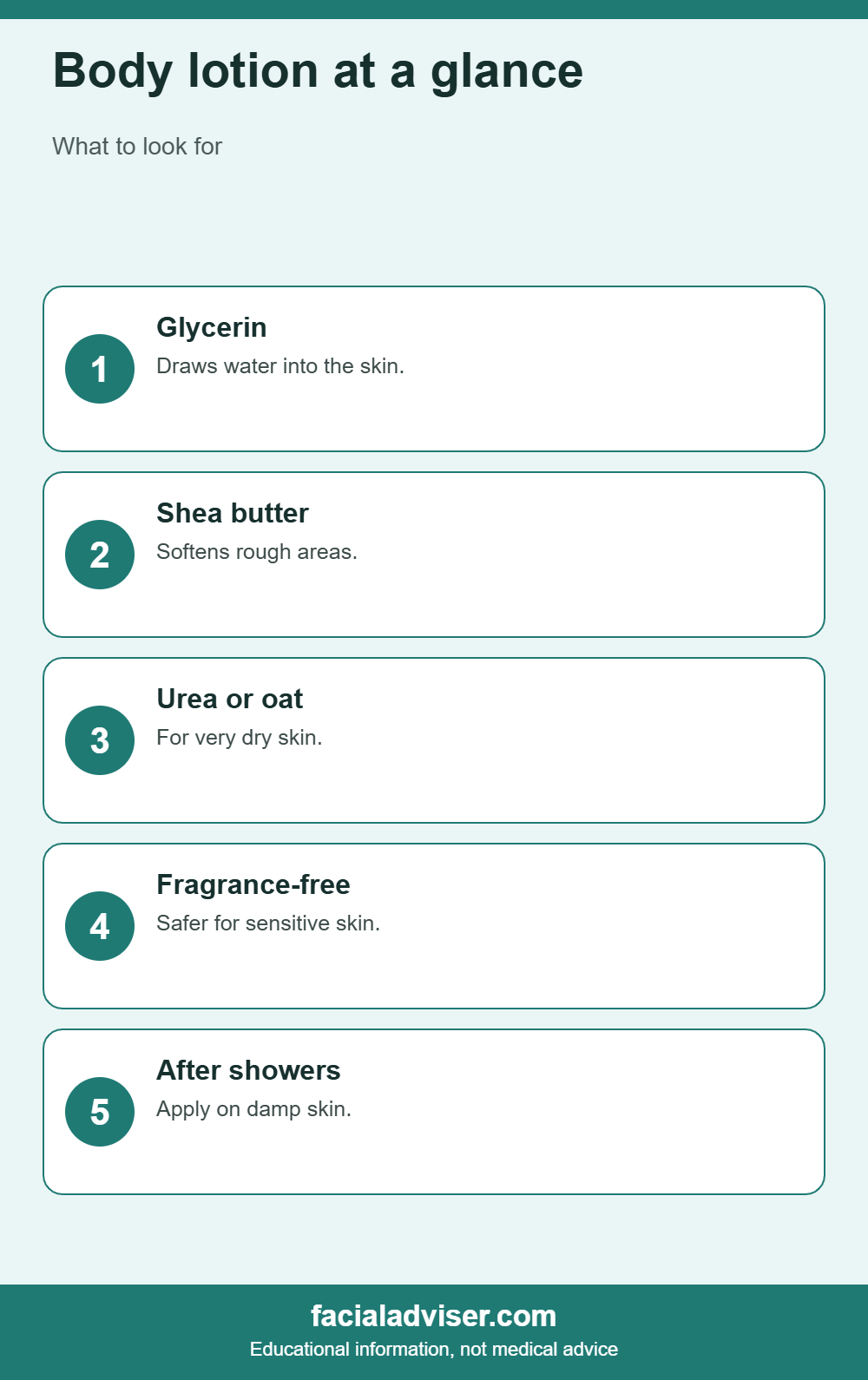
The best body lotion in the UK is one that you will use every day, with a simple formula that holds water in the skin. For everyday dryness a light lotion with glycerin is enough. For very dry or itchy skin, choose a richer cream or a lotion with shea butter, colloidal oat or urea, and apply it straight after a lukewarm shower while the skin is still damp. Fragrance-free products are safest for sensitive skin. This guide compares seven well-rated body lotions on Amazon UK, explains who each one suits and shows how to moisturise your body so the skin stays soft through the cold months.
The 7 Best Body Lotions on Amazon UK


Links go to Amazon.co.uk. As an Amazon Associate I earn from qualifying purchases.
Black Friday is coming: shop the deals with Prime
In short: moisturise after every shower, choose a richer product for very dry skin and avoid hot water.
The NHS advises using emollients regularly on dry skin, washing with a soap substitute and avoiding very hot water. Skin that is red, cracked, weeping or very itchy may be eczema or another condition, and you should speak to a pharmacist or GP.
I am Rakib Sarwar, a registered pharmacist with a cosmetology course. I chose these body lotions for trusted brands, simple formulas and strong customer ratings on Amazon UK. This is general information, not medical advice. As an Amazon Associate I earn from qualifying purchases.
In Brief
- Moisturise within a few minutes of leaving the shower.
- Choose a richer cream or oat-based lotion for very dry skin.
- Fragrance-free products are safest for sensitive skin.
- Use lukewarm water and short showers.
- Apply a thicker layer at night on rough areas like shins and elbows.
- See a pharmacist or GP if skin is red, cracked or very itchy.
In This Guide
- How We Chose These Body Lotions
- Quick Comparison
- NIVEA Rich Nourishing Body Lotion
- Neutrogena Norwegian Formula Deep Moisture Body Lotion
- Cetraben Moisturising Cream
- Garnier Intensive 7 Days Aloe Vera Body Lotion
- Neutrogena Hydro Boost Body Gel Cream
- Aveeno Skin Relief Moisturising Lotion
- Aveeno Daily Moisturising Body Lotion
- Why Body Skin Gets Dry in Winter
- How to Moisturise Dry Skin on Your Body
- Dos and Don’ts
- Your Questions, Answered
- Where This Leaves You
How We Chose These Body Lotions
We looked for body lotions sold on Amazon UK with strong ratings and a large number of reviews, from brands found in most UK shops and chemists.
We included a light gel cream, everyday lotions and richer options, so there is something for normal, dry and sensitive skin.
We avoided heavily fragranced products and anything that makes medical claims.
Bottle sizes and multipacks change often, so check the listing for the current size, the number of bottles and the ingredients.
Every product here is a familiar, widely stocked item, so you can compare it in a shop if you prefer to feel the texture first. Start with one lotion and one richer cream rather than buying many at once.
We do not quote prices because they change often. Check the listing for the current price.
Quick Comparison
This table shows who each body lotion suits. Check the listing for the full ingredient list.
The lightest options are good for summer or warm homes, while the thickest are best for winter and very dry areas.
| Product | Best for | Texture |
|---|---|---|
| NIVEA Rich Nourishing Body Lotion | Dry skin | Rich lotion |
| Neutrogena Norwegian Formula Deep Moisture | Very dry, sensitive skin | Rich lotion |
| Cetraben Moisturising Cream | Dry and sensitive skin | Thick cream |
| Garnier Intensive 7 Days Aloe Vera | Everyday dryness | Light lotion |
| Neutrogena Hydro Boost Body Gel Cream | Light hydration | Gel cream |
| Aveeno Skin Relief Moisturising Lotion | Very dry skin | Rich lotion |
| Aveeno Daily Moisturising Body Lotion | Sensitive skin | Light lotion |
If you want one lotion for the whole family, pick a fragrance-free option from this list and use a richer cream only on rough areas.
If your skin is only mildly dry, choose a light lotion. If it is rough, tight or itchy by evening, move up to a cream.
NIVEA Rich Nourishing Body Lotion

This is a rich, widely available lotion made for dry skin and sold in a large 625 ml format on this listing.
It sinks in well for a rich lotion and suits legs, arms and the torso.
The large bottle is good value for families or for daily use through the winter.
It has a classic NIVEA scent, so patch test it if you are sensitive to fragrance.
Check the listing for the current size and the ingredients.
Pump bottles are not always included, so check the listing if you want one.
Warm the lotion between your palms first, which helps it spread on cold skin.
Neutrogena Norwegian Formula Deep Moisture Body Lotion

This rich lotion is aimed at dry skin and is described on the listing as hypoallergenic.
It has a thick but spreadable texture and is a good choice for very dry legs and arms.
Apply it straight after a shower for the best effect.
It suits people who find lighter lotions disappear too quickly.
Check the listing for the pack size and ingredients.
It is a good option for the shins, which are often the driest part of the body in winter.
Use it at night on rough areas for extra comfort.
Cetraben Moisturising Cream

Cetraben is a well-known emollient cream aimed at dry, sensitive skin and is often recommended by pharmacists for everyday dryness.
It is thick and fragrance-light, so it suits rough, dry areas such as shins, elbows and hands.
It is a cream rather than a thin lotion, so a little goes a long way.
If you have eczema, ask your pharmacist or GP which emollient is best for you.
Check the listing for the size and ingredients.
Because it is thick, apply it in thin layers and rub gently in the direction of hair growth to avoid blocked follicles.
It works well on hands and feet too.
Garnier Intensive 7 Days Aloe Vera Body Lotion

This is a lighter lotion with aloe vera extract, aimed at everyday dryness.
It absorbs quickly and does not feel sticky, so it is easy to use before dressing.
It suits normal to dry skin and people who dislike heavy creams.
In very cold weather you may need a richer lotion for rough areas.
Check the listing for the size and ingredients.
Aloe is a soothing plant extract, but it does not replace a richer cream if your skin is very dry.
Check the listing if you have allergies.
Neutrogena Hydro Boost Body Gel Cream

This lightweight gel cream is made for hydration without a greasy feel, and it is sold in a pack of two on this listing.
It suits people who find rich lotions heavy, and it is useful in warm rooms and under tight clothes.
Use it on damp skin to help it spread easily.
For very dry or flaky skin, layer a richer cream on top at night.
Check the listing for the pack size and ingredients.
Gel creams are useful if you live in a warm home and do not want a heavy lotion.
They may not be enough for cracked heels, so use a richer cream there.
Aveeno Skin Relief Moisturising Lotion

Aveeno uses oat ingredients that many people find soothing on dry skin, and this lotion is a step up in richness from the daily version.
It is a good choice for very dry, tight or itchy skin, but itchy skin that persists should be checked.
It is sold as a pack of two large bottles on this listing.
Apply it twice a day on dry areas during the coldest weeks.
Check the listing for the pack size and ingredients.
Oat is a popular ingredient for dry, itchy skin, but allergies to oats are possible, so check the ingredients.
It is useful on arms and legs after showers.
Aveeno Daily Moisturising Body Lotion

This lighter Aveeno lotion is made for sensitive skin and everyday use.
It absorbs fairly quickly, so you can dress soon after applying.
It is a good choice if you want a gentle lotion for the whole body.
Use the richer Aveeno or Cetraben on your driest patches.
Check the listing for the size and ingredients.
It is a sensible choice for children and adults who have reacted to fragranced lotions, but check the listing for the full ingredients.
Apply it after every wash on the arms and hands.
Why Body Skin Gets Dry in Winter
The skin on the legs and arms has fewer oil glands than the face. Cold air holds little moisture, and central heating dries the air indoors.
Age also matters. Older skin makes less oil, so older adults often need richer creams and more frequent moisturising.
Long baths, swimming and strong cleaning products can all add to dryness.
Understanding the cause helps you choose the right product, because a light lotion may be enough for mild dryness while rough, scaly skin needs a thicker cream.
| Cause | What happens | What helps |
|---|---|---|
| Hot showers | Natural oils are stripped | Lukewarm water, short showers |
| Cold air | Skin loses water faster | Moisturise daily |
| Central heating | Dry indoor air | Humidifier and lotion |
| Harsh soap | Skin feels tight | Use a gentle wash |
| Rough fabrics | Itching | Soft, breathable clothes |
Moisturisers work in three ways. Humectants such as glycerin and urea draw water in, emollients such as shea butter soften, and occlusives such as petrolatum seal moisture in. Many lotions contain all three.
See also our guide to moisturisers for dry skin and our best hand creams.
If your skin is red, cracked, weeping or very itchy, speak to a pharmacist or GP before trying new products.
How to Moisturise Dry Skin on Your Body
Follow these steps daily during cold weather.
Do not apply thick creams over broken or weeping skin. Ask a pharmacist what to use.
Wait a minute for the lotion to absorb before putting on tight clothes.
Shower briefly
Use lukewarm water and a gentle wash, and keep showers short.
Pat dry
Pat your skin so it stays slightly damp.
Apply lotion
Apply lotion within a few minutes of leaving the shower.
Focus on dry areas
Use a thicker layer on shins, elbows and knees.
Repeat at night
Apply again before bed on very dry skin.
Keep the bottle next to the shower so you do not forget it. The best body lotion is the one you use every day.
Dos and Don’ts
Use this short list each day in cold weather, because most dry skin improves when you remove irritants and add regular moisture.
Do
- Moisturise after every shower
- Use lukewarm water
- Choose fragrance-free if sensitive
- Use a richer cream on rough areas
- Wear soft clothing
Don’t
- Take very hot showers
- Skip moisturiser after washing
- Scratch itchy skin
- Use heavily fragranced products on cracked skin
- Ignore a rash that spreads
This article is general information, not medical advice. Ask a pharmacist or GP about skin conditions.
Your Questions, Answered
What is the best body lotion in the UK?
NIVEA, Neutrogena, Aveeno and Cetraben are among the most reviewed on Amazon UK. The right one depends on how dry your skin is and whether you need fragrance-free. All of them are sold in UK shops, so you can try the texture before you commit to a large bottle.
When is the best time to apply body lotion?
Within a few minutes of a lukewarm shower, while the skin is still slightly damp. Moisturising on damp skin helps the lotion lock in water.
Is body lotion or body cream better for dry skin?
Creams are thicker and usually better for very dry skin. Lotions are lighter and easier to spread. Many people use a lotion in the day and a cream at night.
Which body lotion is best for sensitive skin?
A fragrance-free lotion with a simple formula, such as Aveeno Daily or Cetraben, is a common choice.
Why is my skin itchy in winter?
Cold air, heating and hot showers dry the skin, which can itch. A rich moisturiser usually helps.
How often should I apply body lotion?
Once a day for normal skin and twice a day for very dry skin. Apply a little more in the coldest weeks, when skin loses water fastest.
Can I use body lotion on my face?
Body lotions can be too heavy or fragranced for the face, so use a face moisturiser instead. Face skin is thinner and more prone to breakouts, so a product made for the face is the safer choice.
Does urea help dry skin?
Urea is a moisturising ingredient used in many creams for very dry skin, but it can sting broken skin.
Do hot showers dry out skin?
Yes. Hot water strips natural oils, so use lukewarm water. Keep showers short and finish with a quick lukewarm rinse before moisturising straight away.
When should I see a pharmacist or GP?
If skin is red, cracked, weeping or very itchy, or does not improve with regular moisturising.
Where This Leaves You
Regular moisturising and shorter, cooler showers keep most dry skin comfortable. Use a richer cream on rough areas and a lighter lotion elsewhere. Consistency matters more than price, so pick a product you enjoy using.
If your skin is red, cracked or very itchy, speak to a pharmacist or GP. See also our guide to the effects of hard water on skin.

Written by
Registered pharmacist and founder of Facial Adviser. Rakib's pharmacy training covers how skincare actives work and interact; a later course in cosmetology turned that into a focus on facial treatments and skincare products. He plans, researches and edits every guide on the site and checks health claims against sources such as the American Academy of Dermatology, the FDA and the NIH. He is not a dermatologist; see the Editorial Policy and Medical Disclaimer.
About · Editorial policy · How we choose products · Medical disclaimer · Contact
Turn skincare time into me-time with a free audiobook