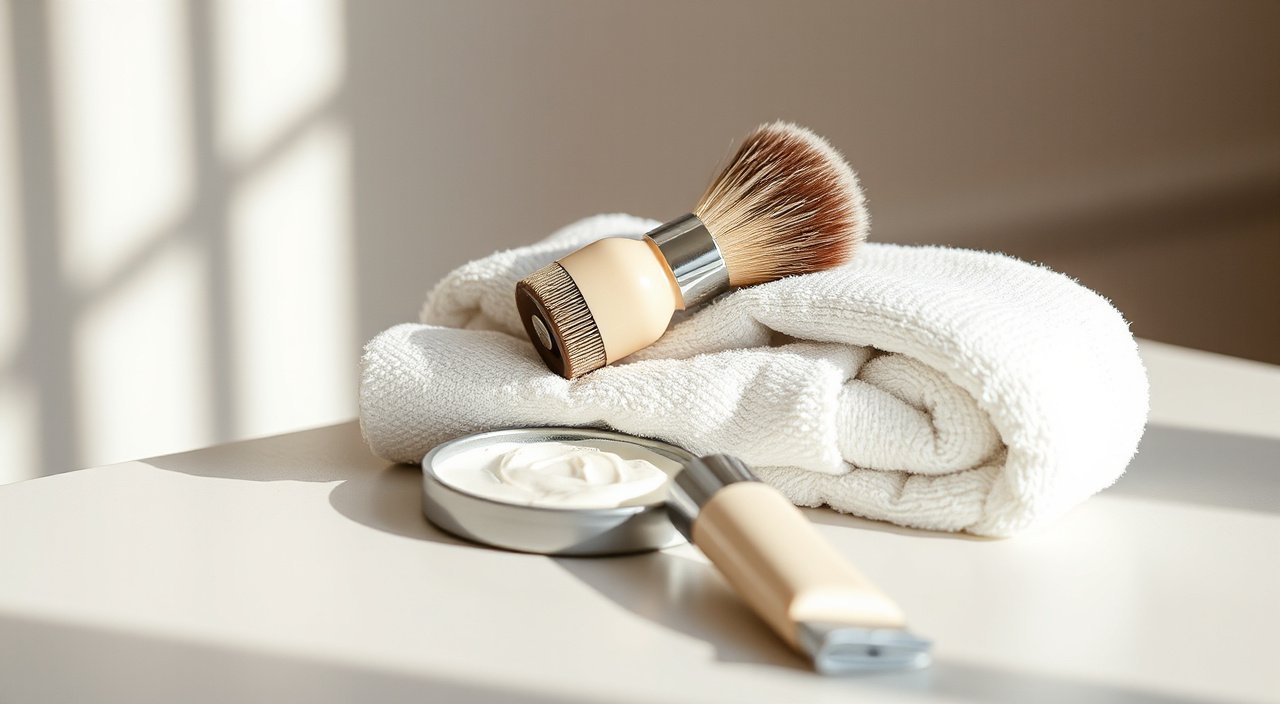
Ingrown Facial Hairs: Causes, Prevention and Safe Care
An ingrown facial hair is a hair that grows back into the skin instead of out of it. It shows up as a small red or flesh-colored bump, sometimes with a visible hair trapped under the surface, and it can itch, sting or become painful.
Beard areas, upper lip and chin are common spots for men and women.

I am Rakib Sarwar, a registered pharmacist with a cosmetology course. I am not a dermatologist, so this guide covers prevention and safe home care, and it is clear about when to stop and see a doctor. It is general information and not medical advice.
Black Friday is coming: shop the deals with Prime
Most ingrown hairs happen after shaving, waxing or plucking, especially with curly or coarse hair. The cut hair can curl back and pierce the skin, or grow sideways under it, causing inflammation. The key to treating them is to be gentle, avoid picking and reduce what caused them.
Because shaving habits are personal, I describe options rather than one correct method. You can pick the changes that fit your hair type, skin and schedule, and test them one at a time.
I keep the tone practical and avoid scare stories, because most ingrown hairs are minor.
Below you will find why they happen, how to shave to prevent them, a safe care routine, product types to consider, mistakes to avoid, who should seek medical advice, and seven shaving and aftercare products people often use.
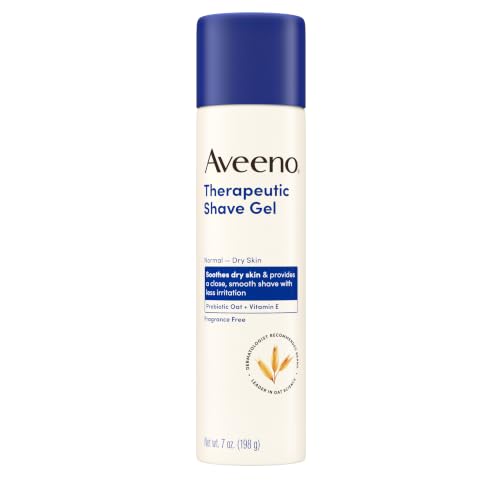
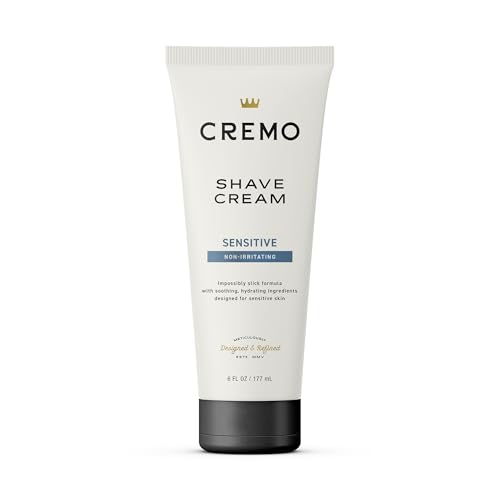
Shaving and Aftercare Products People Often Use


Contents
- What Is an Ingrown Facial Hair
- Why They Happen
- How to Shave to Prevent Ingrowns
- Safe Home Care for an Ingrown Hair
- Exfoliation: What Helps and What Does Not
- Product Types to Consider
- Long-Term Options
- Ingrown Facial Hairs in Women
- Common Mistakes
- Who Should Be Careful
- Honest Limits
- When to See a Professional
- FAQ
- Where This Leaves You
What to Know First
- Ingrown hairs happen when cut hair grows back into the skin.
- Curly or coarse hair is more likely to become ingrown.
- Shave with a sharp razor, in the direction of hair growth, with a gentle shave gel.
- Do not pick or dig at the hair, which can cause infection and scars.
- Gentle exfoliation and warm compresses can help release trapped hairs.
- Stop shaving the area for a few weeks if possible.
- See a doctor for painful, pus-filled, spreading or repeated bumps.
What Is an Ingrown Facial Hair
An ingrown hair is a hair that curls or grows sideways and re-enters the skin. The body treats it like a splinter, so the area becomes red, swollen and sometimes filled with pus.
On the face, ingrown hairs are often called razor bumps, and the medical name for a common type is pseudofolliculitis barbae. They are especially common in men with tightly curled beard hair, but anyone who shaves, waxes or plucks can get them.
They often appear on the neck, jawline, cheeks, chin and upper lip.
Most ingrown hairs are mild and settle by themselves. The ones that become deep, painful or infected need more attention. Knowing the difference helps you avoid both overtreating and ignoring a problem.
Why They Happen
Curly hair is more likely to curl back into the skin after it has been cut short. A very close shave leaves a sharp tip that can pierce the skin as it grows. Stretching the skin while shaving pulls the hair below the surface, which makes this more likely.
Dead skin cells can also block the hair opening and force the hair to grow sideways. Tight collars, helmets and chin straps rub the skin and add irritation.
Waxing and plucking can break hairs below the surface and cause hairs to grow back in odd directions.
| Cause | How it leads to ingrown hairs | What helps |
|---|---|---|
| Close shaving | Sharp tip re-enters the skin | Shave less close |
| Stretching skin | Hair retracts below the surface | Shave without pulling |
| Curly hair | Hair curls back in | Shave with the grain |
| Dead skin build-up | Blocks the follicle | Gentle exfoliation |
| Friction | Irritates the skin | Loose collars, clean tools |
Hormones, genetics and hair texture all play a part. If your parents had ingrown hairs, you may be more prone to them, and changing shaving tools may help only partly.

How to Shave to Prevent Ingrowns
Good shaving habits make the biggest difference. Soften your beard with warm water first, use a lubricating shave gel or cream and use a sharp razor.
Wash your face
Use warm water and a gentle cleanser to soften the beard.
Apply shave gel or cream
Let it sit for a minute so the hair softens.
Shave with the grain
Go in the direction the hair grows, with light pressure.
Do not stretch the skin
Avoid pulling the skin taut.
Rinse with cool water
This calms the skin.
Apply a soothing aftershave balm
Choose a fragrance-free, alcohol-free product.
Replace blades often. Dull blades tug at the hair and cause irritation.
Do not shave over active, inflamed or infected bumps. Let the skin heal first.
Consider shaving every other day instead of daily, so the skin gets time to recover. Rinse the razor often and store it dry. Replace disposable razors after a few uses, and clean electric razors regularly.
Safe Home Care for an Ingrown Hair
If you already have an ingrown hair, be gentle. Stop shaving the area for a few weeks if you can, and let the hair grow so it can find its way out.
A warm compress applied for a few minutes, two or three times a day, can soften the skin and help the hair surface. Wash the area gently with a mild cleanser.
If the hair loop is visible at the surface, you can lift it gently with a sterile tool, but do not dig. If you cannot free it easily, leave it.
Never squeeze, pick or pluck deep hairs. This pushes bacteria into the skin and can cause infection or scars.
Avoid covering an inflamed bump with heavy makeup or thick creams, which can trap bacteria. Keep the area clean and dry, and wash your hands before touching it.
Be patient. Many ingrown hairs resolve on their own within a week or two when left alone and kept clean.
Exfoliation: What Helps and What Does Not
Gentle exfoliation helps remove dead skin so hairs can exit. Chemical exfoliants such as salicylic acid or glycolic acid in low strengths are often better tolerated than harsh scrubs.
Use them a few times per week at most, and stop if the skin becomes red or stings. Avoid scrubbing over inflamed bumps.
Soft washcloths and gentle circular motions in the shower are enough for many people.
If you use a chemical exfoliant, apply it at night and use sunscreen in the morning, since exfoliated skin burns more easily.
Retinoids and strong acids on the same area can be too much. If you already use a retinoid on your face, ask your pharmacist or doctor before adding exfoliants to the beard area.
Product Types to Consider
A lubricating shave gel or cream reduces drag and irritation. A fragrance-free aftershave balm soothes the skin. Some people use a dedicated ingrown hair treatment with acids such as salicylic or glycolic acid.
Be careful with strong products. Alcohol-based lotions can sting and dry the skin, and some contain acids that may irritate. Patch test before regular use.
Electric razors or trimmers with a guard that leaves a little length can reduce ingrown hairs for people who get them often.
| Product | What it does | Watch out for |
|---|---|---|
| Shave gel or cream | Reduces drag and irritation | Fragrance in sensitive skin |
| Aftershave balm | Soothes after shaving | Alcohol-heavy formulas |
| Acid exfoliant | Keeps follicle openings clear | Overuse and stinging |
| Warm compress | Softens skin | Heat that is too hot |
| Trimmer with guard | Leaves hair slightly longer | Dirty blades |
Long-Term Options
If ingrown hairs keep coming back, consider changing how you remove hair. Growing the beard out, using a trimmer, or switching to a single-blade razor can help.
Laser hair removal is a longer-term option that reduces hair growth and can lower ingrown hairs. It needs a trained professional and works differently for different skin and hair types.
A dermatologist can also prescribe medicated creams for inflamed or recurrent bumps.
Whatever you choose, expect improvement over weeks, not days. Hair cycles are slow, and skin needs time to calm down.
Ingrown Facial Hairs in Women
Women get ingrown hairs on the chin, upper lip and jawline after waxing, threading, plucking or shaving. Hormone changes and conditions that increase facial hair can make this more common.
Plucking and waxing pull the hair out from the root, and the regrowing hair can lose its way. Using a gentle exfoliant a few times a week and avoiding waxing over irritated skin can help.
If you notice a sudden increase in facial hair, irregular periods or other symptoms, mention it to your doctor, since it can be linked to hormone-related conditions.
For dark skin tones, irritation can leave dark marks that fade slowly. Be gentle, avoid picking and use sunscreen on the area to prevent marks from deepening.
Common Mistakes
The most common mistake is picking. Another is shaving too close, using dull blades or shaving dry. Using strong alcohol-based aftershaves can dry and irritate the skin.
Many people also apply many acne products to razor bumps, which can overdry skin. Keep the routine simple and gentle.
Another mistake is using a new strong treatment on freshly shaved skin. Wait until the skin has calmed, then introduce one product at a time and watch for stinging, burning or redness.
People also forget that clean tools matter. Bacteria on razors, tweezers or trimmers can turn a minor bump into an infection, so wash your tools and let them dry after use.
Who Should Be Careful
Helps
- People with curly hair who shave often
- Anyone with occasional razor bumps
- Those willing to change shaving habits
- People who want a gentle routine
- Anyone who can stop shaving for a few weeks
Backfires
- People with painful, pus-filled or spreading bumps
- Anyone with diabetes or a weak immune system and skin infection signs
- Those with a history of scarring or keloids
- People who pick at bumps
- Anyone with a fever or feeling unwell
If you scar easily, talk to a doctor before trying treatments.
Teenagers who have just started shaving often benefit from a gentle electric razor or trimmer while they learn technique, because the first few months are when razor bumps are most common.
Honest Limits
Home care helps mild ingrown hairs, but it cannot fix severe or recurring cases. Some people need medical treatment.
Ingrown hairs can look like acne, cysts or infections. If a bump looks unusual or does not heal, ask a doctor.
This guide is general information and not personal medical advice.
Product listings, prices and ratings change often, so check the current Amazon page before buying.
Results differ for every person, and some people with tightly curled hair will always need to manage ingrown hairs even with perfect technique.
When to See a Professional
See a doctor or dermatologist if a bump is painful, filled with pus, spreading, hot or accompanied by fever. See one too if bumps keep recurring, leave dark marks or scars, or you are unsure what they are.
This article is for general information only and is not medical advice. It does not replace a visit to a doctor or pharmacist. I am a registered pharmacist with a cosmetology course, not a dermatologist.
A doctor can look at the bump, rule out other causes such as boils or folliculitis, and prescribe treatment if needed. Early care often prevents scars.
FAQ
What causes ingrown facial hairs?
Hair that is cut short can curl back into the skin, especially with curly hair, close shaving or dead skin build-up.
How do I prevent ingrown hairs?
Shave with a sharp razor, with the grain, using a lubricating gel, without stretching the skin.
Can I pop an ingrown hair?
It is better not to pick or squeeze. This can cause infection and scars.
How long do ingrown hairs take to heal?
Mild ones often settle in a week or two if left alone.
Should I stop shaving?
If possible, pause shaving the area for a few weeks.
Does exfoliating help?
Gentle exfoliation helps remove dead skin, but avoid harsh scrubbing.
Are ingrown hairs the same as acne?
They can look similar. If you are unsure, ask a doctor.
Can laser hair removal help?
It can reduce hair growth and ingrown hairs, but needs a trained professional.
Is a warm compress helpful?
Yes, a warm compress can soften skin and help the hair surface.
When should I see a doctor?
See a doctor for painful, pus-filled, spreading or recurring bumps.
Where This Leaves You
Ingrown facial hairs are common and often avoidable. Shave gently, keep the skin clean and avoid picking, and most bumps settle in a week or two.
If a bump is painful, infected or keeps returning, see a doctor.

Written by
Registered pharmacist and founder of Facial Adviser. Rakib's pharmacy training covers how skincare actives work and interact; a later course in cosmetology turned that into a focus on facial treatments and skincare products. He plans, researches and edits every guide on the site and checks health claims against sources such as the American Academy of Dermatology, the FDA and the NIH. He is not a dermatologist; see the Editorial Policy and Medical Disclaimer.
About · Editorial policy · How we choose products · Medical disclaimer · Contact
Prime for Young Adults: a longer free trial and a lower price after it