Best Double Foil Shaver: Features, Skin Comfort and How to Choose
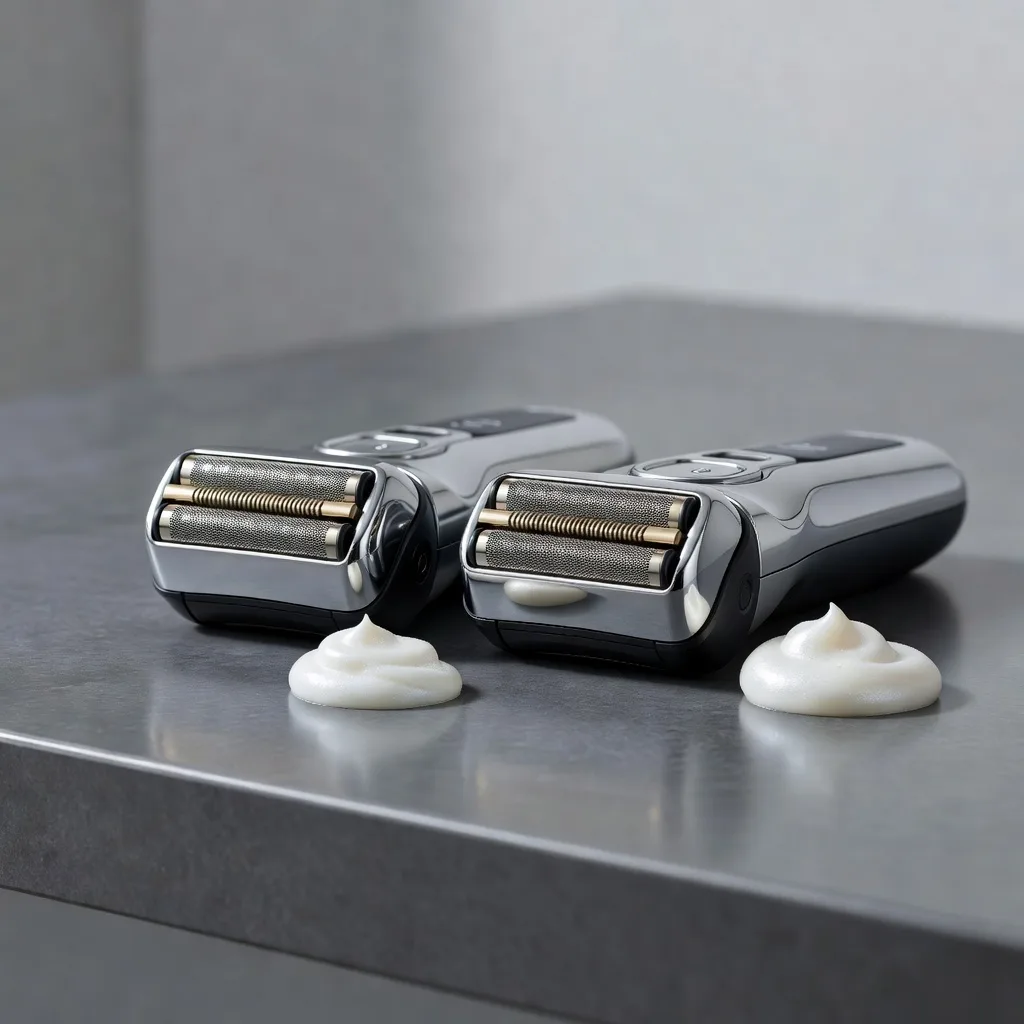
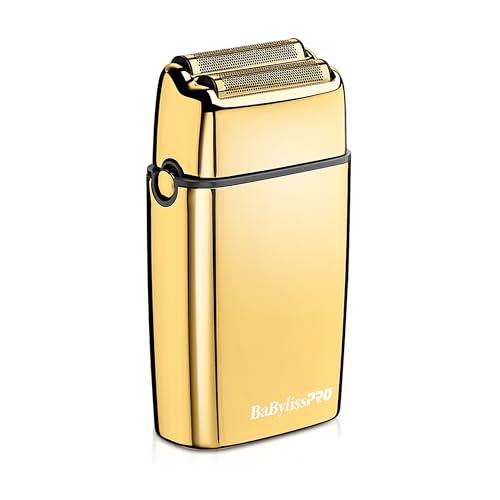
A double foil shaver is a compact electric shaver with two thin, perforated metal foils sitting side by side over oscillating blades. It is a popular middle ground: quicker and less likely to nick than a manual razor, simpler and cheaper to maintain than many multi-head models, and easy to use on the face, neck or body.
Part of our guide to men's grooming tools. Start with: 10 Best Safety Razors (2026): Closer, Calmer Shaves for Every Level
The best double foil shaver for most people is a rechargeable, wet and dry model with two flexible foils, a central or pop-up trimmer for longer hairs, a head that is easy to rinse and replacement foils that are easy to find. Two foils give a good balance of closeness and comfort for daily or near-daily shaving, especially on flatter areas such as the cheeks, neck and legs. If you have sensitive skin, prioritise a wet-use model so you can shave with gel, a head that flexes to follow your contours, and gentle, low-pressure technique. Foil shavers are generally less close than a sharp blade, but they are usually kinder to skin that nicks or bumps easily.
In short: choose a flexible, washable, wet and dry double foil shaver and replace the foils when they wear.
The American Academy of Dermatology advises softening hair before shaving, using a product suited to your skin, and trying electric or blade razors to see which your skin tolerates best, especially if you have acne.
This buyer’s guide explains how double foil shavers compare with other designs, which features matter, what to avoid, how to shave with one, and how to clean it and replace the foils so it stays comfortable.
Shopping these picks?
Amazon Prime members get fast, free shipping on eligible items, plus Prime Video, Amazon Music and member deals. New members can start with a free trial.
Start a free Prime trialAged 18 to 24? Prime for Young Adults comes with a longer free trial and a lower price after it.
Affiliate link: we may earn a commission at no extra cost to you.
Recommended Double Foil Shavers on Amazon


In This Guide
- Double Foil vs Single, Triple Foil and Rotary Shavers
- Features That Matter Most
- Is a Double Foil Shaver Good for Sensitive Skin?
- What to Avoid
- How to Choose: A Quick Checklist
- Choosing by Body Area and Hair Type
- Aftercare: Calming Skin After an Electric Shave
- How to Shave With a Double Foil Shaver
- Cleaning, Storage and Replacing Foils
- Dos and Don’ts
- Honest Limits
- When to See a Dermatologist
- Your Questions, Answered
- Where This Leaves You
In Brief
- Double foil shavers balance closeness, comfort and simplicity.
- Wet and dry models let you shave with gel, which many sensitive skins prefer.
- Flexible foils and a pivoting head follow contours more easily.
- A trimmer between or beside the foils catches longer, flat-lying hairs.
- Foil shavers are usually less close than blades but cause fewer nicks.
- Worn foils pull and irritate, so replace them on schedule.
- Clean the head regularly and never share a shaver.
Double Foil vs Single, Triple Foil and Rotary Shavers
Electric shavers fall into two main families: foil shavers, which move in straight lines, and rotary shavers, which use circular heads. Within foil shavers, the number of foils changes how much hair each pass catches.
| Shaver type | How it works | Strengths | Trade-offs |
|---|---|---|---|
| Single foil | One foil over oscillating blades | Compact, light, good for detail or travel | More passes needed |
| Double foil | Two foils, often with a trimmer | Good balance of speed, comfort and simplicity | Slightly less efficient on thick beards than larger heads |
| Triple or more foils | Three or more foils and trimmers | Covers more area per pass | Larger head, more parts to replace |
| Rotary | Circular heads with spinning blades | Follows contours, handles longer stubble | Can feel less close on flat areas; more heads to clean |
| Manual blade | Exposed blade | Closest cut | More nicks, cuts and razor bumps for some people |
A double foil shaver suits people with light to medium hair growth who shave often, anyone who wants something simple to clean, and those who find blades irritating. Very thick or long growth may be easier with a trimmer first, or with a larger or rotary head.
Features That Matter Most
Two double foil shavers can look alike but feel very different on the skin. These are the features that make the biggest difference.
| Feature | What to look for | Why it matters |
|---|---|---|
| Wet and dry use | Clearly marked as safe for use with gel or foam and in the shower | Gel can reduce friction on sensitive skin |
| Flexible foils or head | Foils that move independently or a pivoting head | Better contact on jaw, neck and legs |
| Trimmer | Central or pop-up trimmer | Catches longer hairs and shapes edges |
| Washable head | Rinsable under the tap | Easier, more hygienic cleaning |
| Battery | Rechargeable with a charge indicator | Consistent power; a weak motor tugs hair |
| Replacement parts | Foils and cutters easy to buy | Worn parts irritate skin |
| Guard or cap | Protective cover for the foil | Stops thin foils from being dented |
More speed or more features do not automatically mean more comfort. For sensitive skin, a flexible head, a sharp foil and good technique usually matter more than the motor’s speed or number of settings.
Is a Double Foil Shaver Good for Sensitive Skin?
For many people it is. Because the foil sits between the blades and the skin, foil shavers are much less likely to cause nicks and cuts than exposed blades. They also cut hair slightly above the skin surface, which some people find reduces razor bumps.
- Choose a wet and dry model and try it with a fragrance-free shaving gel.
- Use light pressure; pressing hard forces skin into the foil and causes redness.
- Keep the foils in good condition, as dented or worn foils scrape the skin.
- Allow a couple of weeks for your skin to adjust when switching from blades.
- If you get ingrown hairs, avoid shaving very close and let the hair grow slightly.
The AAD’s guide on how to shave recommends wetting skin and hair first, using a shaving cream or gel suited to your skin, shaving in the direction of hair growth, and storing razors in a dry place. For people with acne, it suggests trying electric or blade razors to see which works best.
What to Avoid
Some shavers and habits cause more irritation than they are worth. Watch out for these.
- Dry-only shavers if your skin prefers gel or shaving foam.
- Shavers with no available replacement foils, which become useless once the foil wears.
- Rigid heads that cannot follow the jaw or knees.
- Very weak motors or low batteries that pull hairs rather than cutting them.
- Pressing hard or going over the same patch many times.
- Using a shaver with a dented, torn or holed foil, which can cut the skin.
- Sharing a shaver, even within a household.
Stop using a shaver with a damaged foil straight away, as a hole or tear exposes the blades and can cut the skin. Do not shave over cuts, active acne, infected bumps or inflamed skin, and never share shavers, which can spread infections.
How to Choose: A Quick Checklist
Use these questions to narrow down your options before you buy.
- Where will you shave: face, neck, head, legs or underarms?
- Do you want to use it wet in the shower, with gel, or dry only?
- How thick and fast-growing is your hair?
- Do you have sensitive skin, acne or a tendency to razor bumps?
- Is a trimmer included for longer hairs, sideburns or edges?
- Are replacement foils and cutters easy to buy?
- Is the head easy to rinse and is there a protective cap for travel?
If you are still deciding between electric and manual shaving, our comparison of a facial razor vs a normal razor covers how blade options compare for facial hair.
Choosing by Body Area and Hair Type
Double foil shavers are versatile, but the best model depends on where you use it and what kind of hair you have.
- Face and neck: a flexible head and a trimmer for sideburns and edges; wet use if your neck gets red.
- Head shaving: a compact head that is easy to control, used on short hair after clipping.
- Legs and underarms: a wet and dry model with a gentle foil, used in the shower with gel.
- Coarse or fast-growing hair: shave more often so the foil does not have to catch long hairs, or trim first.
- Tightly curled hair prone to bumps: avoid the closest settings and consider leaving a little stubble.
- Fine or light hair: most double foil shavers cope well with fewer passes.
If you are weighing shaving against other hair removal for facial hair, our guide on waxing vs shaving facial hair compares comfort, regrowth and irritation.
Aftercare: Calming Skin After an Electric Shave
What you do after shaving matters almost as much as the shaver. Freshly shaved skin has had its surface layer rubbed, so it is more likely to sting and dry out.
Rinse with cool or lukewarm water, pat dry with a clean towel and apply a simple, fragrance-free moisturiser. Avoid alcohol-heavy splashes, strong fragrance and exfoliating acids straight after shaving, especially if your skin is sensitive or acne-prone. If you shave every day, give your skin a rest day now and then when it looks red or feels tender.
How to Shave With a Double Foil Shaver
These steps suit a wet and dry double foil shaver. For a dry shave, skip the gel and make sure skin is completely dry.
Prepare the skin
Wash with lukewarm water to soften hair, or shave after a shower.
Choose wet or dry
For wet shaving, apply a thin layer of shaving gel or foam; for dry shaving, pat skin fully dry.
Trim long hair first
Use the trimmer on hair longer than a few days of stubble.
Hold the head flat
Keep both foils in contact with the skin at a right angle.
Use light, straight strokes
Move slowly in short, straight passes; stretch the skin with your free hand on uneven areas.
Rinse and soothe
Rinse with cool water, pat dry and apply a fragrance-free, alcohol-free moisturiser.
Clean the shaver
Rinse the head or brush out hair, then leave it to dry with the cap off.
Manufacturers usually suggest moving a foil shaver against the direction of hair growth for a closer result. If you get redness or bumps, try shaving with the grain instead, as the AAD advises for shaving in general, and accept a slightly less close finish.
Cleaning, Storage and Replacing Foils
A clean, sharp head is the key to comfortable shaving. Hair, skin cells and oil collect under the foil quickly and blunt the blades.
- Rinse a washable head under warm water after each shave, following the manual.
- Use the small brush for dry-only models, and never brush the foil itself, which is thin and easily dented.
- Let the head dry fully with the cap off before storing it.
- Store the shaver in a dry place with the protective cap on for travel.
- Replace the foil and cutter as the manufacturer recommends, or sooner if the shave pulls, irritates or feels less close.
Worn parts are one of the most common reasons an electric shaver suddenly starts to irritate. If your shaver used to be comfortable and now leaves redness, the foil is usually the first thing to check.
Dos and Don’ts
Do
- Choose a wet and dry model for sensitive skin
- Soften hair before shaving
- Use light pressure and slow strokes
- Rinse and dry the head after use
- Replace foils when they wear
Don’t
- Press hard into the skin
- Shave over cuts or inflamed spots
- Use a dented or torn foil
- Share your shaver
- Brush the foil itself when cleaning
Honest Limits
A double foil shaver will rarely match the closeness of a fresh manual blade, and it will not stop hair from growing back. Most people who switch find the result slightly less smooth but far more comfortable, especially on the neck.
No shaver can guarantee freedom from razor bumps or ingrown hairs, particularly for people with tightly curled hair. Technique, skin preparation and shaving frequency matter as much as the shaver. If shaving always leaves bumps, compare other options: our guide on trimming vs shaving facial hair explains when leaving a little length is kinder to the skin.
When to See a Dermatologist
- You get painful razor bumps, ingrown hairs or dark marks after shaving.
- Shaving leaves red, pus-filled bumps that do not clear.
- You have acne and every shaving method seems to make it worse.
- You notice a rash, itching or burning that lasts after you stop shaving.
This article is for general information and does not replace professional medical advice. See a board-certified dermatologist for persistent razor bumps, folliculitis or skin reactions to shaving.
Your Questions, Answered
What is a double foil shaver?
An electric shaver with two thin foils over oscillating blades.
Is a double foil shaver good for sensitive skin?
Often yes, especially wet and dry models used with gel and light pressure.
Is foil or rotary better?
Foil suits flatter areas and daily shaving; rotary follows contours and longer stubble.
Does a foil shaver shave as close as a blade?
Usually slightly less close, but with fewer nicks.
Can I use a double foil shaver with shaving gel?
Yes, if it is labelled wet and dry.
Can women use a double foil shaver?
Yes, on legs, underarms and other body areas.
How often should I replace the foil?
As the manufacturer recommends, or sooner if it pulls or irritates.
Why does my foil shaver irritate my skin?
Pressure, worn foils, dry skin or shaving against the grain are common causes.
Should I shave with or against the grain?
Against the grain is closer; with the grain is gentler.
Can I share an electric shaver?
No, sharing can spread skin infections.
Where This Leaves You
The best double foil shaver for most people is a flexible, rechargeable, wet and dry model with a trimmer, a washable head and easy-to-find replacement foils.
Soften hair first, use light pressure, keep the head clean and replace worn foils, and switch to a gentler approach if your skin still reacts.

Written by
Registered pharmacist and founder of Facial Adviser. Rakib's pharmacy training covers how skincare actives work and interact; a later course in cosmetology turned that into a focus on facial treatments and skincare products. He plans, researches and edits every guide on the site and checks health claims against sources such as the American Academy of Dermatology, the FDA and the NIH. He is not a dermatologist; see the Editorial Policy and Medical Disclaimer.
About · Editorial policy · How we choose products · Medical disclaimer · Contact
Keep reading: Shaving and razors
- 10 Best Adjustable Double Edge Razors (2026): Mild to Close Shaves
- 10 Best Shaving Brushes (2026): Synthetic, Boar and Badger Picks
- Best Single Foil Shaver: Who It Suits, Key Features and How to Use It
- 10 Best Safety Razors (2026): Closer, Calmer Shaves for Every Level
- 10 Best Rotary Shavers (2026): Closer Shaves on Curves and Neck
- 10 Best Hair Dryers (2026): Faster Drying With Less Heat Damage
- 10 Best Beard Trimmers (2026): Even Lengths, Clean Edges