How to Clean and Sanitize Gua Sha, Rollers and Facial Brushes
Gua sha stones, jade rollers and facial brushes touch your skin every time you use them, and they pick up oil, sweat, serum and bacteria along the way. A quick rinse is not enough, and a dirty tool can spread buildup back onto clean skin.
Part of our guide to at-home facial devices. Start with: 10 Best Gua Sha Facial Tools (2026): Stone and Steel Picks Compared
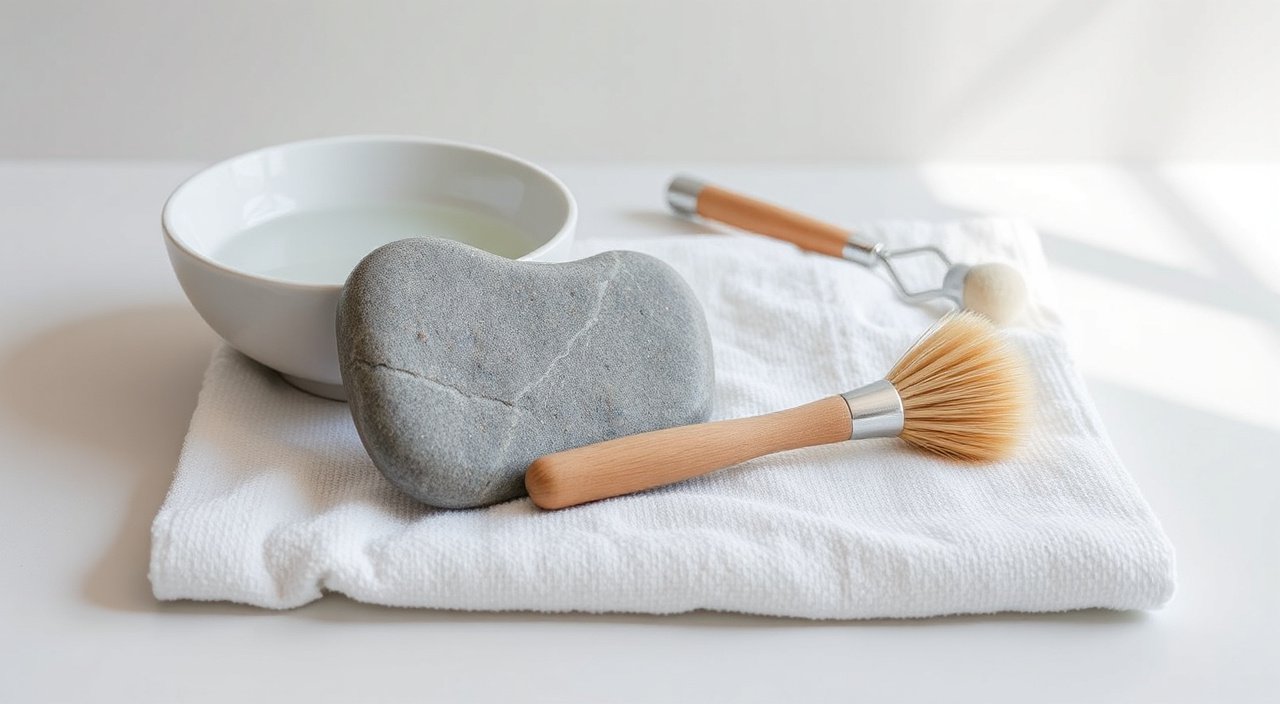
The good news is that cleaning them is simple. Most stone and metal tools need a wipe after each use and a wash with mild soap and warm water every week or so. Brushes need a little more care because bristles hold onto product.
Facial Tools and Brush Cleaners Worth Considering


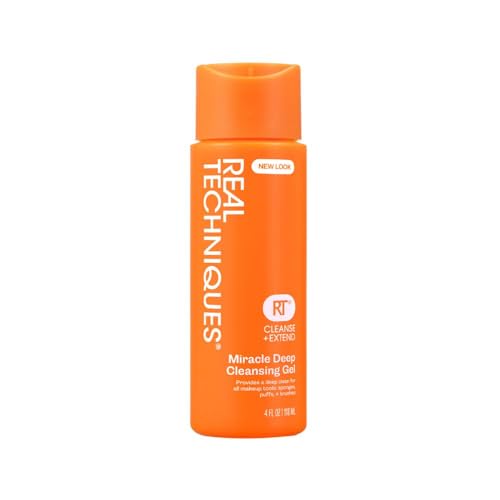


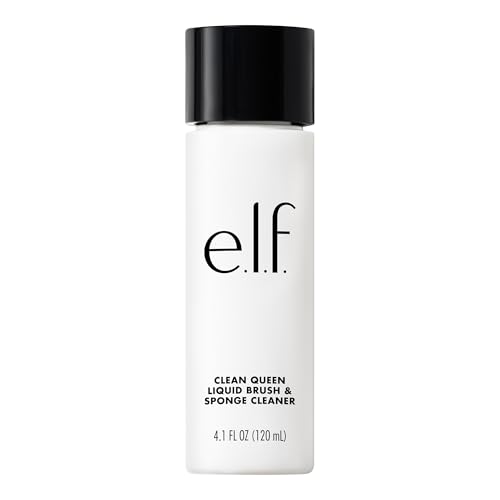
Black Friday is coming: shop the deals with Prime
A short routine after each session prevents most hygiene problems and keeps tools feeling smooth.
Treat this as a quick weekly habit that fits around your regular skincare.
Cleaning also protects your investment, because buildup and moisture can damage rollers, brushes and stone surfaces over time.
How you clean depends on the material. Natural stones can be porous, so soaking and harsh chemicals are not ideal. Metal tools tolerate more. Brush heads wear out and need replacing even with good care.
This guide covers how to clean a gua sha, jade roller and facial or makeup brush, how often to do it, what to avoid and when to replace each item. It is general hygiene advice and not a substitute for medical care.
I am Rakib Sarwar, a registered pharmacist with a cosmetology course, and I keep routines practical and gentle.
Key Takeaways
- Wipe facial tools after every use and wash them weekly.
- Mild soap and warm water suit most stone and metal tools.
- Never soak porous stones or electric rollers.
- Dry tools fully before storing them.
- Replace brush heads and worn tools on schedule.
- Skip tools on broken skin or active breakouts.
On This Page
- Why Cleaning Facial Tools Matters
- Know Your Material Before You Clean
- Cleaning a Gua Sha Stone
- Cleaning a Face Roller
- Cleaning Facial Cleansing Brushes and Makeup Brushes
- A Simple Cleaning Routine
- When to Replace Facial Tools
- Who Should Be Careful with Facial Tools
- Honest Limits
- When to See a Professional
- Questions People Ask
- Final Word
Why Cleaning Facial Tools Matters
Facial tools sit against the skin for several minutes at a time. They collect skin oil, dead skin cells, moisturizer, serum and sweat. If you leave that film on the surface, it can build up, and the tool can carry it to the next session.
Clean hands matter as much as clean tools. Wash your face and hands before you begin, and apply a thin layer of serum or facial oil so the tool glides rather than drags. Using a tool on dirty skin simply moves oil and makeup around.
Think of facial tools like a toothbrush or a makeup sponge: used daily, they need daily care. A short habit after each session takes less than a minute and prevents most problems.
Bacteria love warm, damp places. A roller stored wet in a drawer or a brush left on a bathroom counter is a good place for germs and mold to grow. That does not mean every tool is dangerous, but regular cleaning is a sensible habit.
People with acne-prone or sensitive skin have more reason to be careful, since extra oil and buildup can add to congestion or irritation.
| Tool | What it collects | How often to wash |
|---|---|---|
| Gua sha | Oil, serum and sweat | Wipe after use and wash weekly |
| Face roller | Product and oil in the seams | Wipe after use and wash weekly |
| Facial cleansing brush head | Cleanser, oil and dead skin | Rinse after use and deep clean weekly |
| Makeup brush | Foundation, powder and oil | Wash weekly for face, every two weeks for eyes |
Know Your Material Before You Clean
Stone tools such as jade, rose quartz and amethyst can be porous or have small cracks. Soaking them or using harsh cleaners can damage the surface or seep into the stone. Mild soap, a quick scrub and a thorough dry is the safe default.
Rose quartz and jade are often sold with claims about natural cooling and healing powers. The cooling effect is real if you chill the tool, but the stone itself does not change how you should clean it. Treat it as a hard, slightly porous object.
Some cheaper tools are dyed glass, plastic or resin sold under stone names. If the finish looks painted or the color rubs off on your cloth, stop using the tool and replace it with one you can clean confidently.
Stainless steel tools are the easiest to clean and tolerate a wipe with a little rubbing alcohol. Plastic and resin tools are fairly forgiving but can scratch.
Electric rollers, heated gua sha and microcurrent devices contain batteries and circuits. Never submerge them. Follow the maker’s cleaning instructions and wipe the skin-contact surface only.
If you are unsure what your tool is made of, treat it as porous and use gentle methods only.
| Material | Safe cleaning method | Avoid |
|---|---|---|
| Jade or quartz | Mild soap, warm water, soft cloth | Soaking and harsh chemicals |
| Stainless steel | Soap and water, alcohol wipe | Abrasive scrubbing |
| Plastic or resin | Mild soap and water | High heat and scratchy pads |
| Electronic device | Damp cloth on contact area | Submerging or spraying |
Cleaning a Gua Sha Stone
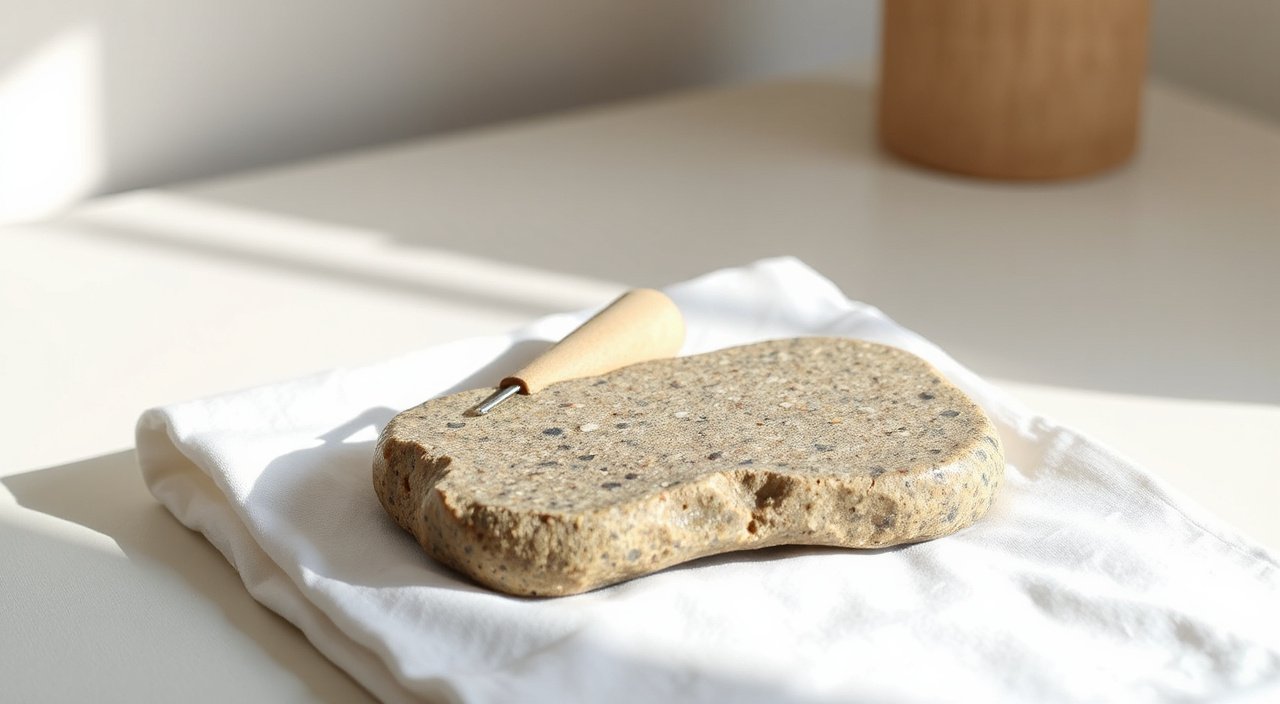
After every use, wipe the stone with a clean, soft cloth to remove oil and any leftover serum. This keeps residue from drying on the surface.
If a stone develops a film that soap does not remove, a gentle rub with a cloth dampened with a little diluted white vinegar can help for non-porous stones. Rinse and dry well afterwards.
Warm, soapy water is enough to break down most oils. A soft toothbrush can reach grooves, but use it gently so you do not scratch softer stones. After washing, check the edges under bright light to make sure no residue remains.
Once a week, wash it with mild soap and warm water. Rub the stone gently with your fingers or a soft cloth, paying attention to the grooves and edges. Rinse well and pat dry with a clean towel.
If you share a gua sha, which we do not recommend, wash it between users.
Avoid dropping a stone tool, since chips and cracks can scratch the skin and harbor germs. Replace any tool with chips or cracks.
Cleaning a Face Roller
Face rollers have a gap where the roller meets the handle, and that is where oil and product build up. Wipe the roller and handle after each use, rolling the surface over a clean cloth.
If the roller squeaks or wobbles, the seam may have loosened. That can trap water and product, so replace a roller that no longer spins smoothly. Storing it in a cool place between uses also helps.
For a deeper clean, wash the roller with mild soap and warm water, wiping the seam with a soft cloth or cotton swab. Do not soak a roller, because water can enter the seam and loosen the roller or lead to rust.
Let it air dry completely before putting it away, and store it in a clean, dry place.
Cleaning Facial Cleansing Brushes and Makeup Brushes
Brush heads collect cleanser, oil and dead skin. Rinse the bristles under running water after each use and let the brush dry with the bristles facing down or sideways so water does not run into the handle.
Allow brushes to dry completely before using them again. Damp bristles grow bacteria and can make foundation streak. If you are short on time, keep two sets and rotate them so each gets a full day to dry.
For facial cleansing brushes, remove the head and rinse the base too. Water and cleanser can collect underneath the head and encourage mold.
Wash makeup brushes with a gentle brush cleanser or mild shampoo. Swirl the bristles on your palm or a cleaning mat, rinse until the water runs clear and reshape the head. Dry flat or with the head angled slightly down.
Facial cleansing brush heads should be replaced on the maker’s schedule, which is often every few months. Frayed or discolored bristles are a sign it is time.
Keep a second brush head so you can rotate and let one dry fully between uses.
A Simple Cleaning Routine
You do not need special equipment. A mild soap, warm water and a clean towel cover most tools.
A good time to clean is right after your evening routine, while the tool is still in your hand. Set it on a clean cloth near the sink so it can air dry overnight, then tuck it away in the morning.
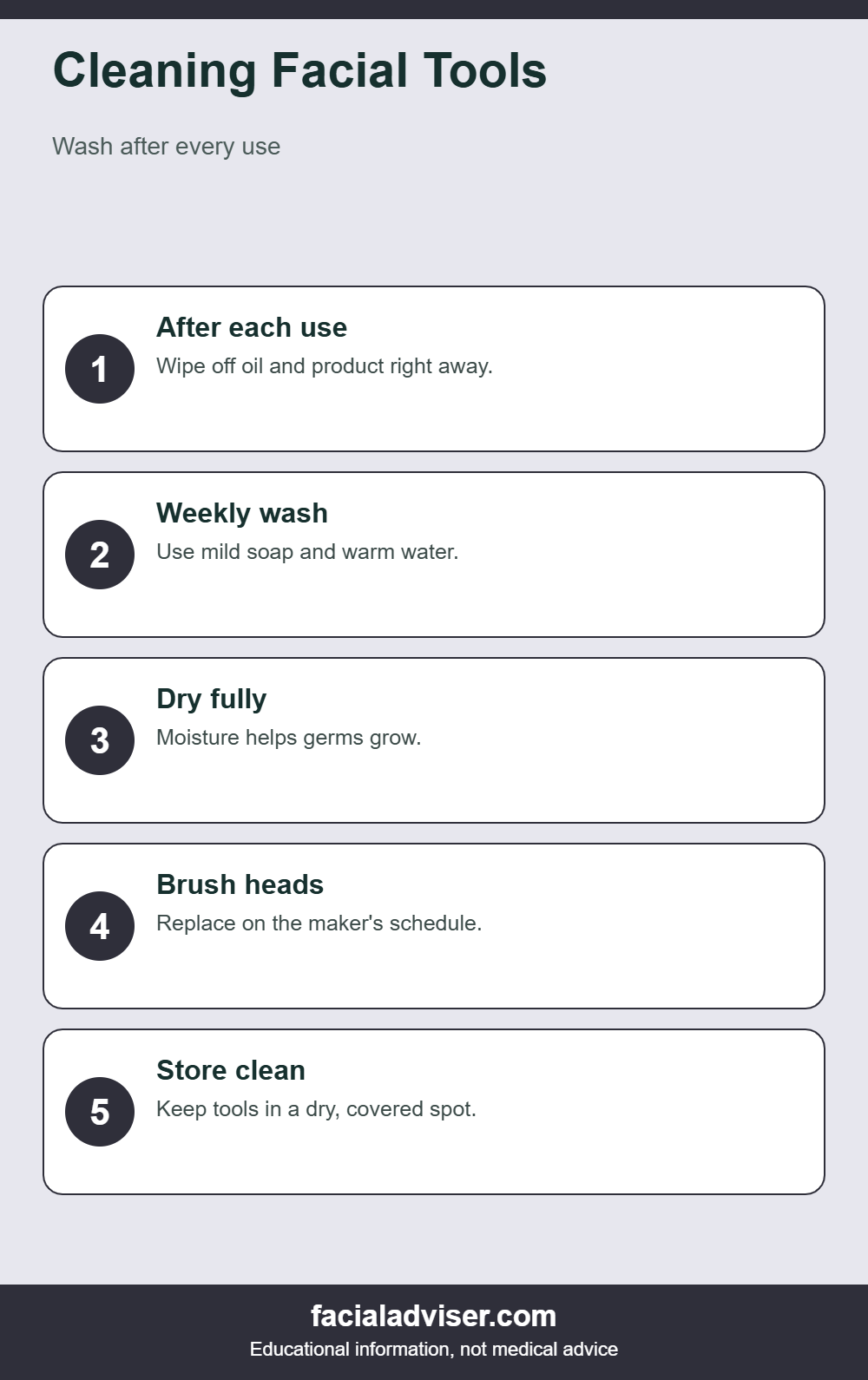
Wipe after each use
Remove oil and product with a clean cloth or a gentle wipe.
Wash weekly
Use mild soap and warm water, paying attention to seams and grooves.
Rinse well
Remove all soap so it does not irritate your skin next time.
Dry fully
Pat with a clean towel and let air dry before storing.
Disinfect if needed
A quick wipe with rubbing alcohol suits steel and plastic tools. Avoid it on porous stone.
Store clean
Keep tools in a dry pouch or case, away from the bathroom’s steam.
Never use a facial tool on broken, infected or very inflamed skin. Wash your hands first and avoid sharing tools.
When to Replace Facial Tools
Even well-cared-for tools wear out. Chips, cracks, rust, loose rollers, frayed bristles and lingering odors are all reasons to replace.
Keep a simple log of when you started a new tool or brush head. A note on your phone is enough, and it makes replacement dates easy to remember.
Brush heads often need replacing every few months. Stone tools can last for years if they stay intact, but a tool with any crack should be replaced.
If you notice more breakouts or irritation after starting a new tool, stop using it and check whether it is dirty or damaged.
Who Should Be Careful with Facial Tools
Anyone with active acne, open sores, infections, severe rosacea or recent procedures should check with a clinician before using tools on the face.
Use a light touch around the eyes, jawline and neck. A tool should glide, not tug. If you feel pulling, add more serum or oil, or ease off the pressure.
Pressing hard can bruise thin skin, especially around the eyes. Use light pressure and a facial oil or serum for glide.
Worth Doing
- Healthy skin with no active breakouts
- People who clean tools weekly
- Anyone who wants a gentle massage routine
Skip It
- Active acne or infection
- Broken or sunburned skin
- People who share tools
Honest Limits
Tools like gua sha and rollers can feel relaxing and may help temporarily with puffiness, but claims about lifting or sculpting are often bigger than the evidence.
Cleaning advice here is general. Always follow the manufacturer’s instructions for your specific tool, especially for electronic devices.
When to See a Professional
See a pharmacist, doctor or dermatologist if you develop a rash, pus-filled bumps, spreading redness or pain after using a facial tool.
Ongoing breakouts that do not improve with cleaner habits may need professional assessment.
This article is educational and is not medical advice. Follow the maker’s cleaning instructions for your product.
Questions People Ask
How often should I clean my gua sha?
Wipe it after each use and wash it with mild soap and warm water about once a week.
Can I use alcohol on a jade roller?
It is better to avoid it on porous stone. Mild soap and water is safer for jade and quartz.
Can I soak my jade roller?
No. Water can enter the seam between the roller and handle and cause damage or rust.
How do I disinfect a stainless steel gua sha?
Wash it with soap and water, then wipe with rubbing alcohol if you wish, and dry fully.
How often should I replace a facial brush head?
Often every few months, or sooner if bristles fray or smell.
How often should I wash makeup brushes?
Face brushes weekly and eye brushes about every two weeks is a common routine.
Can a dirty gua sha cause breakouts?
It can add oil and bacteria to the skin, which may contribute to congestion in acne-prone skin.
Should I store tools in the fridge?
Cooling tools in a clean, dry container is fine for puffiness, but they still need regular washing.
Can I clean an electric roller with water?
No. Wipe only the contact area with a damp cloth and follow the maker’s guidance.
Is it safe to share facial tools?
It is better not to. Sharing can pass on germs, especially if either person has skin issues.
Final Word
Wipe tools after each use, wash them weekly and dry them fully to keep them hygienic and gentle on the skin.
Replace tools that crack or fray, and speak to a pharmacist or doctor about persistent irritation.

Written by
Registered pharmacist and founder of Facial Adviser. Rakib's pharmacy training covers how skincare actives work and interact; a later course in cosmetology turned that into a focus on facial treatments and skincare products. He plans, researches and edits every guide on the site and checks health claims against sources such as the American Academy of Dermatology, the FDA and the NIH. He is not a dermatologist; see the Editorial Policy and Medical Disclaimer.
About · Editorial policy · How we choose products · Medical disclaimer · Contact
Keep reading: Facial rollers, gua sha and massagers
- 10 Best Gua Sha Facial Tools (2026): Stone and Steel Picks Compared
- Lymphatic Facial Massage: Does It Work?
- How to Do Lymphatic Massage After Lipo
- Is Daily Face Massage Good for Skin?
- Does Massaging Your Face Reduce Wrinkles? What It Can and Cannot Do
- Is a Face Massager Good for Your Skin? What Rollers, Gua Sha and Devices Can Do
- How to Incorporate Microcurrent Into Your Routine: Gel, Timing and Safety
- 10 Best Products for Women's Facial Hair Removal (2026): Gentle Picks
Build a spa-like routine with ad-free music