Dermalogica vs Clarity Facial: Which Suits Acne, Congestion and Dull Skin?
Many spas and salons offer both a Dermalogica facial and a so-called Clarity facial, and the menu descriptions can sound similar. Both cleanse, exfoliate and treat the skin, so it is not always obvious which one to book, especially if you are dealing with breakouts, blackheads or dullness.
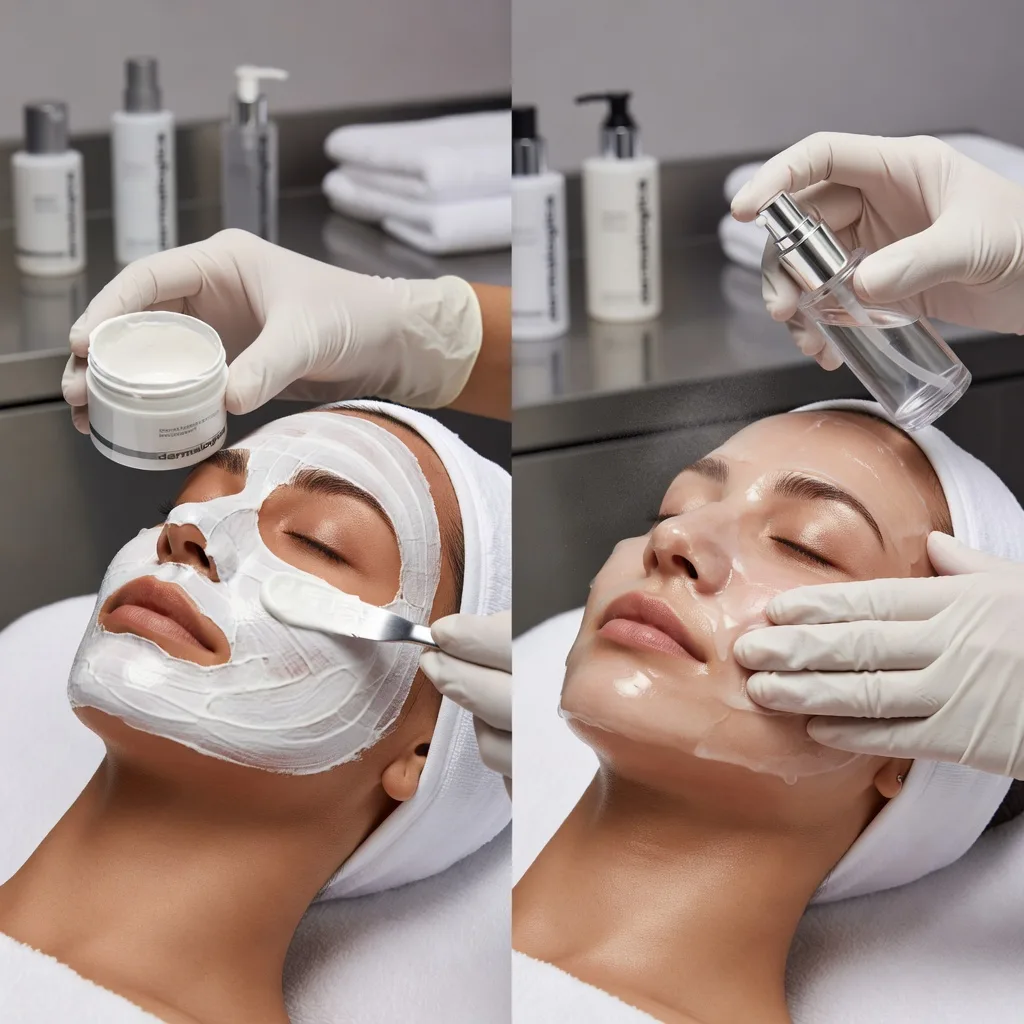
A Dermalogica facial is a treatment built around one professional skincare brand: it usually starts with a skin analysis, then the therapist chooses cleansers, exfoliants, masks and moisturisers from that brand to suit your skin, whether dry, sensitive, ageing or congested. A Clarity facial, as the name is used at many spa chains, is an acne-focused treatment that concentrates on deep cleansing, exfoliation, extractions and calming oily or congested skin. Choose a Dermalogica-style facial for a tailored treatment across many skin concerns, and a Clarity-style facial when blackheads, clogged pores and mild breakouts are your main issue. Exact steps vary between spas, so always ask what is included.
In short: Dermalogica facials are brand-based and tailored to many concerns, while Clarity facials target congestion and acne.
The American Academy of Dermatology notes that picking or squeezing acne can worsen it and lead to scarring, which is why extractions should only be done gently by a trained professional, and why moderate or severe acne needs a dermatologist rather than a facial.
This guide explains what each facial typically involves, how they differ, who suits which, and what to know about extractions and acne before you book.
Recommended Dermalogica Skincare for Home Care





The Short Version
- A Dermalogica facial uses one brand’s professional products after a skin analysis.
- A Clarity facial generally focuses on congestion, oil and mild acne.
- Both usually include cleansing, exfoliation, a mask and moisturiser.
- Extractions are more central to Clarity-style facials.
- Menus, steps and names differ between spas, so ask before booking.
- Facials support skin care but do not treat moderate or severe acne.
- Home care between visits matters more than the facial itself.
What This Covers
- Dermalogica vs Clarity Facial at a Glance
- What Happens in a Dermalogica Facial
- What Happens in a Clarity Facial
- Acne Considerations Before You Book
- Extractions: Benefits and Risks
- Who Suits Which Facial
- How to Choose Between a Dermalogica and a Clarity Facial
- What to Expect After Each Facial
- Home Care Between Facials
- Dos and Don’ts
- Honest Limits
- When to See a Dermatologist
- Questions People Ask
- Where This Leaves You
Dermalogica vs Clarity Facial at a Glance
The table gives a general comparison. Spas design their own menus, so treat it as a guide to the usual differences rather than a description of any one spa.
| Feature | Dermalogica facial | Clarity facial |
|---|---|---|
| Main idea | Tailored treatment using one professional brand | Deep-cleansing treatment for congested, acne-prone skin |
| Starts with | Skin analysis or face mapping | Skin check focused on congestion and breakouts |
| Products | Chosen from the brand’s professional range | Often clarifying cleansers, acids and clay masks |
| Extractions | Sometimes, if needed and agreed | Usually a core step |
| Best for | Dry, dull, sensitive, ageing or mixed concerns | Blackheads, clogged pores, oily skin, mild breakouts |
| Feel | Relaxing, often with massage | More practical, some discomfort from extractions |
| Aftercare advice | Home routine from the same brand | Oil-control and anti-breakout routine |
Some spas offer a Dermalogica facial that is itself acne-focused, and some Clarity facials use Dermalogica products. The difference is less about the brand and more about the goal: a broad, tailored treatment versus a targeted clearing one.
What Happens in a Dermalogica Facial
Dermalogica is a professional skincare brand used in many salons and spas. A facial under its name usually follows a structured routine, adjusted to what the therapist sees during the skin analysis.
- Consultation about your routine, concerns, medications and allergies.
- Skin analysis, often by mapping different zones of the face.
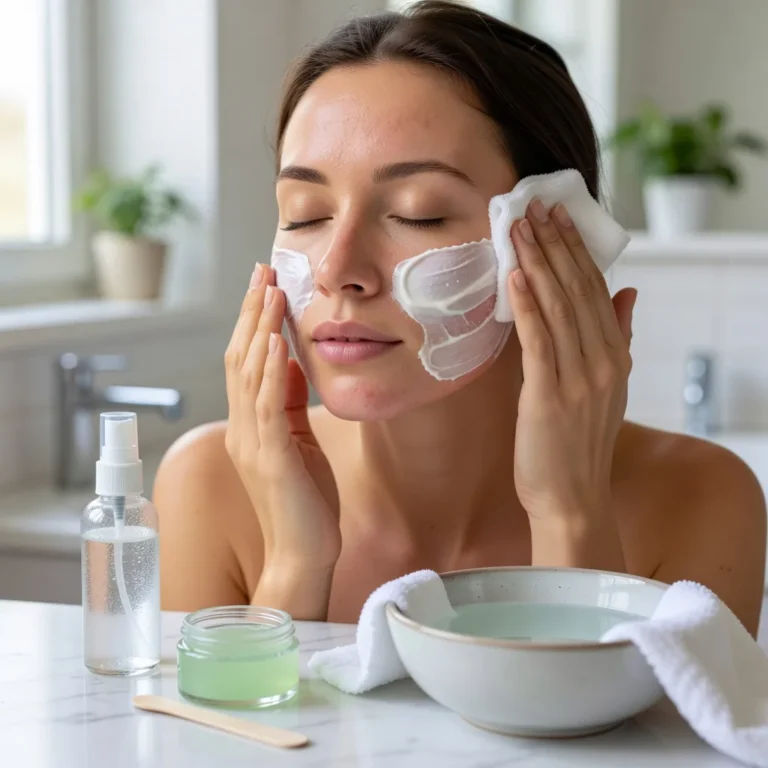
- Double cleanse to remove makeup, sunscreen and oil.
- Exfoliation, which may be a gentle powder, enzyme or mild acid product.
- Extractions only where needed and agreed.
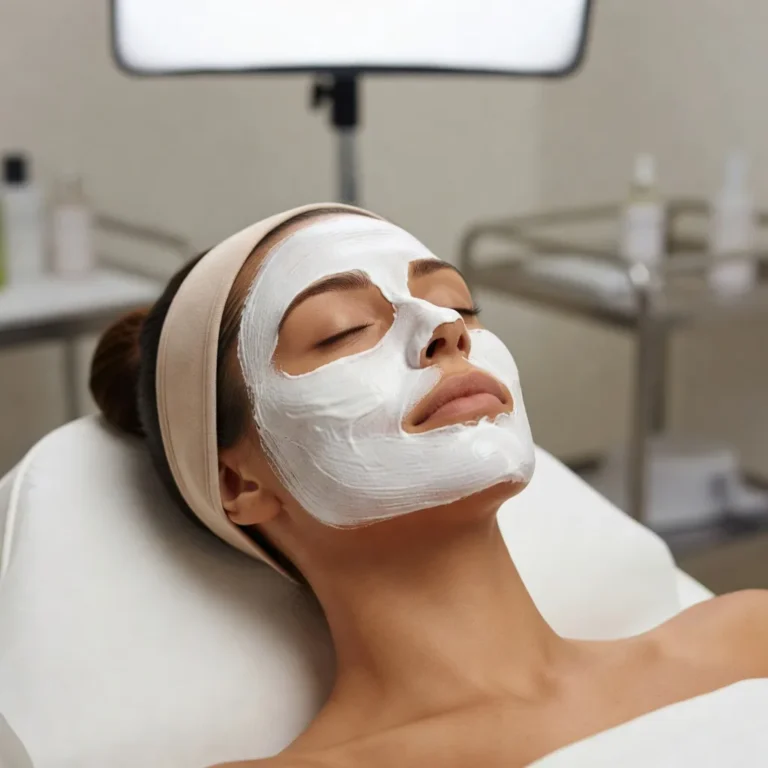
- A mask chosen for your concern, such as hydrating, calming or clarifying.
- Facial massage, often of the face, neck and shoulders.
- Serum, moisturiser and sunscreen to finish, with home care suggestions.
Because the therapist chooses products for your skin on the day, the experience can feel quite different for someone with dry, sensitive skin compared with someone who has oily, congested skin. Our guide on anti-aging facials covers what to expect if your focus is fine lines and firmness.
What Happens in a Clarity Facial
Clarity is a common name for an acne or deep-cleansing facial at spa chains. The steps are similar to other facials, but the focus is on clearing pores and calming oil.
- Consultation about breakouts, triggers and current acne products.
- Cleansing with a clarifying cleanser suitable for oily skin.
- Exfoliation, often with salicylic acid or other gentle acids.
- Softening the skin, sometimes with steam or a warm towel.
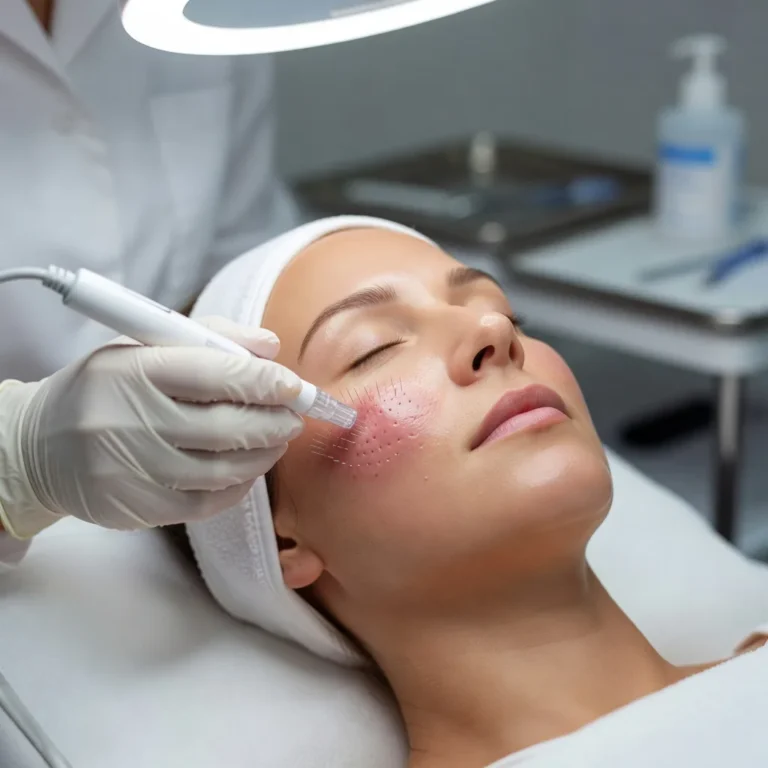
- Extractions of blackheads and some whiteheads.
- A clay or calming mask to absorb oil and reduce redness.
- Sometimes high frequency or LED light, depending on the spa.
- Light, oil-free moisturiser and sunscreen to finish.
Menus, names and prices change between spas and over time. Rather than relying on a general description, ask your spa exactly which steps, products and devices are included, how long the treatment lasts and whether extractions are part of it.
Acne Considerations Before You Book
Facials can help with mild congestion, but acne is a medical condition, and facials have limits. It helps to know where they fit.
| Skin situation | Facial role | Better next step |
|---|---|---|
| Occasional blackheads and clogged pores | Clarity-style facial can help | Consistent home care with a gentle exfoliant |
| Mild breakouts | Facial as an extra | Over-the-counter acne products at home |
| Moderate acne with many spots | Limited benefit | See a dermatologist |
| Painful cysts or nodules | Avoid extractions | See a dermatologist promptly |
| Acne while using prescription treatment | Check with your doctor first | Tell the therapist about your medication |
The AAD acne skin care tips recommend gentle cleansing, avoiding scrubbing and not picking or popping spots. If you think your makeup is contributing, see our guide on what to do if makeup is causing acne.
Extractions: Benefits and Risks
Extractions are the step that most divides these two facials. A Clarity-style facial usually includes them, while a Dermalogica facial may include them only if your skin needs it.
- Done well, extractions clear blackheads and some clogged pores for a smoother look.
- They work best on softened skin, using gentle pressure and clean tools or gloves.
- They can cause temporary redness and, rarely, broken capillaries or marks.
- They should not be used on inflamed, deep or cystic spots.
- Pores often refill over time, so home care is needed to maintain results.
Avoid facials with extractions if you are using prescription retinoids or isotretinoin, have active cold sores, sunburn or broken skin, unless your doctor agrees. Tell the therapist about any medications and skin conditions before the treatment starts.
Who Suits Which Facial
Matching the facial to your skin helps you avoid a treatment that feels pleasant but misses your main concern.
- Choose a Dermalogica-style facial if your skin is dry, dull, dehydrated, sensitive or showing early signs of ageing.
- Choose a Dermalogica-style facial if you have several concerns at once and want a tailored plan.
- Choose a Clarity-style facial if blackheads, oiliness and clogged pores are your main issue.
- Choose a Clarity-style facial before an event if congestion is making makeup look uneven, but book a week or so before.
- Choose neither and see a dermatologist if acne is painful, widespread or scarring.
For a broader overview of professional options, our guide on the best anti-aging facial treatments compares facials, peels and devices.
How to Choose Between a Dermalogica and a Clarity Facial
These steps help you pick the right treatment and get the most from it.
Name your main concern
Decide whether congestion and breakouts or dryness, dullness and sensitivity bother you most.
Read the spa menu carefully
Note which steps, products and devices each facial lists.
Ask about extractions
Check whether they are included and whether you can opt out.
Share your medical details
Tell the spa about acne medications, retinoids, allergies and skin conditions.
Time it well
Book at least several days before an event in case of redness or a purge.
Follow the aftercare
Avoid heavy makeup and harsh exfoliation for a day or two afterwards.
Keep up home care
Use a gentle cleanser, moisturiser and daily sunscreen between visits.
If you cannot decide, ask for a consultation or a skin analysis first. A good therapist will tell you honestly which treatment fits your skin, or suggest a dermatologist if a facial is not enough.
What to Expect After Each Facial
Knowing what is normal after a facial helps you plan around it and spot a genuine reaction early. Most effects settle within a day or two.
- Mild redness or warmth for a few hours is common after either facial, especially after exfoliation or massage.
- After extractions, small red marks can last a day or two where pores were cleared.
- Some people notice a few new spots in the days after a Clarity-style facial as congestion comes to the surface.
- Skin often looks brighter and feels smoother for several days after a Dermalogica-style facial.
- Skin can be more sensitive to the sun after acid exfoliation, so sunscreen matters even more.
For the first day or two, keep your routine simple: a gentle cleanser, a plain moisturiser and sunscreen. Skip retinoids, strong acids, scrubs, saunas and heavy makeup until any redness has gone. If redness, swelling, pain or burning gets worse instead of better, contact the spa and consider seeing a doctor.
It also helps to note how your skin responds over the following weeks. If one type of facial leaves your skin calmer and clearer for longer, that is a practical sign of which one suits you, more useful than any menu description.
Home Care Between Facials
A facial lasts an hour; your home routine lasts every day. Results from either facial fade quickly without consistent care.
- Cleanse gently twice a day, or once at night if your skin is dry.
- Exfoliate gently and not too often; the AAD guide on safe exfoliation at home explains how to match method to skin type.
- Use a moisturiser suited to your skin type, oil-free if you are acne-prone.
- Wear broad-spectrum sunscreen every morning.
- Avoid picking at spots between treatments.
- Change pillowcases regularly and clean phone screens that touch your face.
Ask the therapist which home products they recommend and why, but you do not need to buy a full range from one brand. A simple, consistent routine with products that suit your skin type is what keeps results going between appointments.
Dos and Don’ts
Helps
- Ask what each facial includes
- Tell the therapist about medications
- Choose a Clarity-style facial for congestion
- Book well before events
- Keep up gentle home care
Backfires
- Expect a facial to cure acne
- Allow extractions on cysts or inflamed spots
- Book right before a big event
- Pick at your skin afterwards
- Stop prescribed treatment without advice
Honest Limits
Neither facial is proven to permanently change your skin. Their benefits are usually short term: cleaner pores, smoother texture and a fresher look for days to weeks. Claims that one facial will clear acne or reverse ageing should be treated with caution.
The brand name matters less than the therapist’s skill and the fit with your skin. A careful, well-trained therapist using any reputable product line will usually give a better result than a rushed treatment with a premium brand. Regular facials are also optional; many people get clear, healthy skin with a good home routine alone.
When to See a Dermatologist
- Your acne is moderate, severe, painful or leaves scars or dark marks.
- Breakouts continue despite good home care and facials.
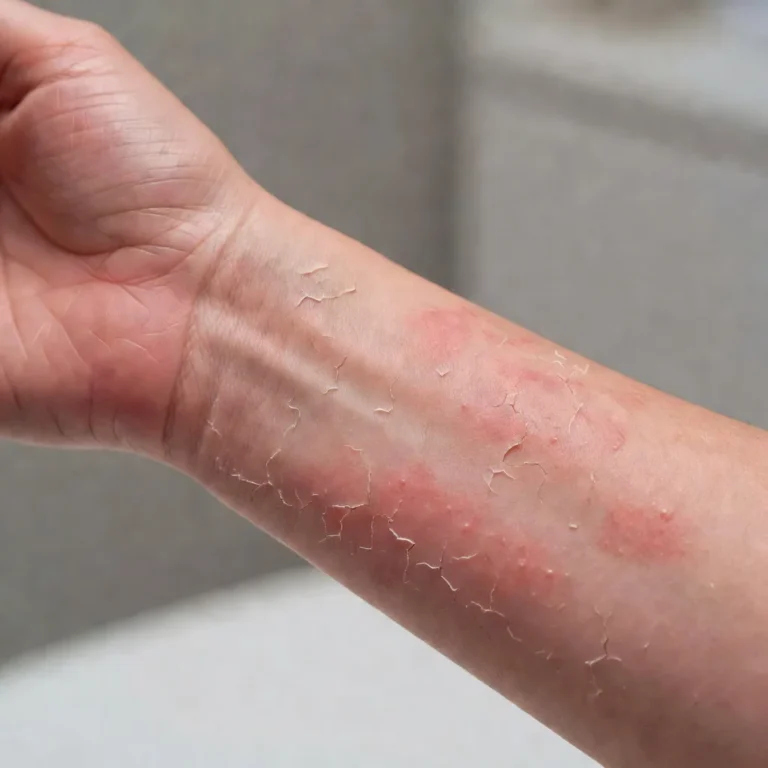
- Your skin reacts to facial products with swelling, burning or a rash.
- You are unsure whether a facial is safe with your medication.
This article is for general information and does not replace professional medical advice. Spa treatments vary; confirm details with your spa and see a board-certified dermatologist for acne and other skin conditions.
Questions People Ask
What is the difference between a Dermalogica and a Clarity facial?
Dermalogica is a tailored brand-based facial; Clarity is an acne-focused deep cleanse.
Which facial is better for acne?
A Clarity-style facial is usually better for mild congestion and breakouts.
Is a Dermalogica facial good for sensitive skin?
It can be, as products are chosen after a skin analysis.
Do Clarity facials always include extractions?
Usually, but ask your spa, as menus differ.
Do extractions hurt?
They can be uncomfortable but should not be very painful.
Can a facial cure acne?
No; it can help mild congestion but does not treat acne.
How often should I get a facial?
Many people book every few weeks to few months; ask your therapist.
Can I wear makeup after a facial?
Ideally wait until the next day.
Is it safe to have a facial on retinoids?
Check with your doctor and tell the therapist first.
Will my skin purge after a Clarity facial?
Some people get a few spots afterwards; it usually settles quickly.
Where This Leaves You
A Dermalogica facial is a tailored treatment using one professional brand after a skin analysis, while a Clarity facial focuses on clearing congestion, oil and mild breakouts with extractions and clarifying products.
Choose by your main concern, ask your spa exactly what each includes, keep up gentle home care, and see a dermatologist if acne is moderate, painful or scarring.