Are You Supposed to Put Makeup on Your Forehead?
The forehead is one of the largest areas of the face, and it is often the first place makeup starts to look shiny, creased, or patchy. It is also easy to forget. Many people carefully blend their cheeks and under-eyes, then leave a visible line at the hairline or skip the forehead entirely. Getting it right makes the whole face look more even.
Yes, you can put makeup on your forehead, but it usually needs less than the rest of your face. A thin layer of foundation blended up into the hairline, a light touch of powder if you get shiny, and a little bronzer at the temples are usually enough.
The forehead is part of the T-zone, where oil glands are more active, so makeup there tends to break down faster on oily skin. It also moves constantly as you raise your brows and frown, which can make foundation settle into lines.
Whether you need forehead makeup at all depends on your skin. If your forehead is even in tone, you may only need sunscreen and a touch of powder. If it has redness, acne marks, or uneven pigmentation, a light layer of foundation or targeted concealer can help. A quick look in daylight usually makes the answer clear.
This guide explains when to put makeup on your forehead, how to blend it into the hairline, how to control shine and creasing, and when forehead breakouts or pigmentation are worth checking with a dermatologist.
Recommended Products for Forehead Makeup



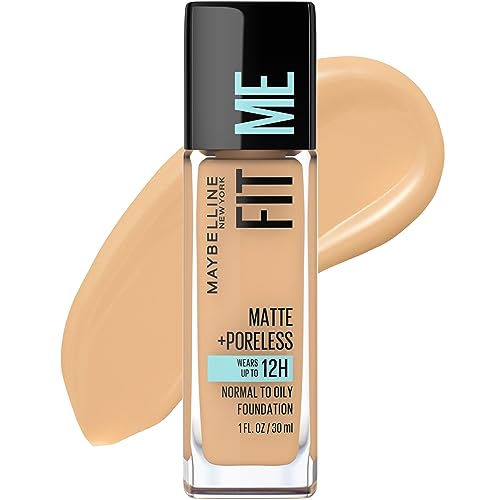

In Brief
- You can put makeup on your forehead, but it usually needs less than other areas.
- Blend foundation up into the hairline to avoid a visible edge.
- The forehead is part of the oily T-zone, so shine and breakdown are common.
- A mattifying primer and light powder can help makeup last on an oily forehead.
- Thin layers are less likely to crease as your forehead moves.
- Hair products and bangs can cause forehead breakouts that makeup may worsen.
- Persistent forehead acne or dark patches may need a dermatologist.
What This Covers
- Do You Need Makeup on Your Forehead?
- A Quick Forehead Check
- How to Apply Makeup on Your Forehead
- Controlling Shine on the Forehead
- Stopping Makeup Settling Into Forehead Lines
- Bronzer, Contour, and Highlight on the Forehead
- Hairline, Bangs, and Forehead Breakouts
- Keeping Forehead Makeup Fresh All Day
- Forehead Makeup by Skin Type
- What Forehead Makeup Cannot Do
- When to See a Dermatologist
- Frequently Asked Questions
- Where This Leaves You
Do You Need Makeup on Your Forehead?
Not everyone does. Many people have a fairly even forehead and only need coverage on the center of the face, where redness around the nose and cheeks is more common. Others have acne marks, redness, or pigmentation on the forehead that they prefer to even out.
A good way to decide is to look at your bare forehead in daylight. If it matches the rest of your face and has no noticeable discoloration, a little sunscreen and powder on shiny areas may be all you need.
If you apply foundation to the rest of your face but not the forehead, the difference can be noticeable, especially in photos. In that case, a very thin layer blended upward is usually the best compromise.
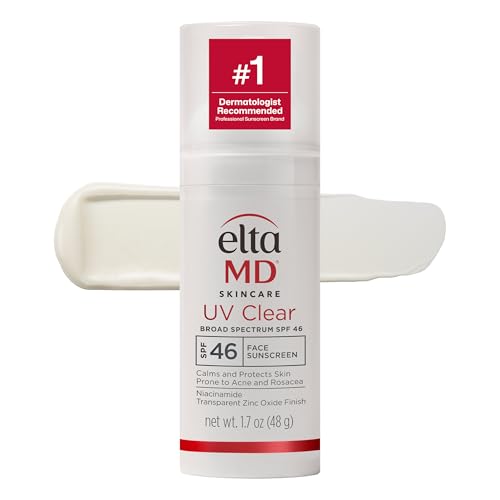
The forehead also gets a lot of sun, so daily sunscreen there matters whether you wear makeup or not. Sun exposure is one of the main causes of forehead lines and dark spots over time.
If you wear a hat or helmet regularly, a lighter approach on the forehead is often more comfortable, since friction and sweat can quickly break down heavier layers.
A Quick Forehead Check
Use this check to work out what your forehead needs.
Look in daylight
Stand by a window with no makeup. Note any redness, acne marks, dark patches, or uneven tone on your forehead compared with your cheeks.
Check oiliness
An hour after cleansing, press a blotting sheet on your forehead. If it picks up a lot of oil, plan for oil control.
Check movement
Raise your eyebrows and frown. Note where lines form, since those areas need thin layers to avoid creasing.
Look at your hairline
Check for dryness, flaking, or breakouts along the hairline, which may be linked to hair products.
Decide your approach
Even and not oily: sunscreen and a touch of powder. Uneven: a thin layer of foundation or targeted concealer. Oily: add a mattifying primer and blotting.
Use whatever foundation is left on your sponge or brush for the forehead rather than adding fresh product. That usually gives the right thin layer.
How to Apply Makeup on Your Forehead
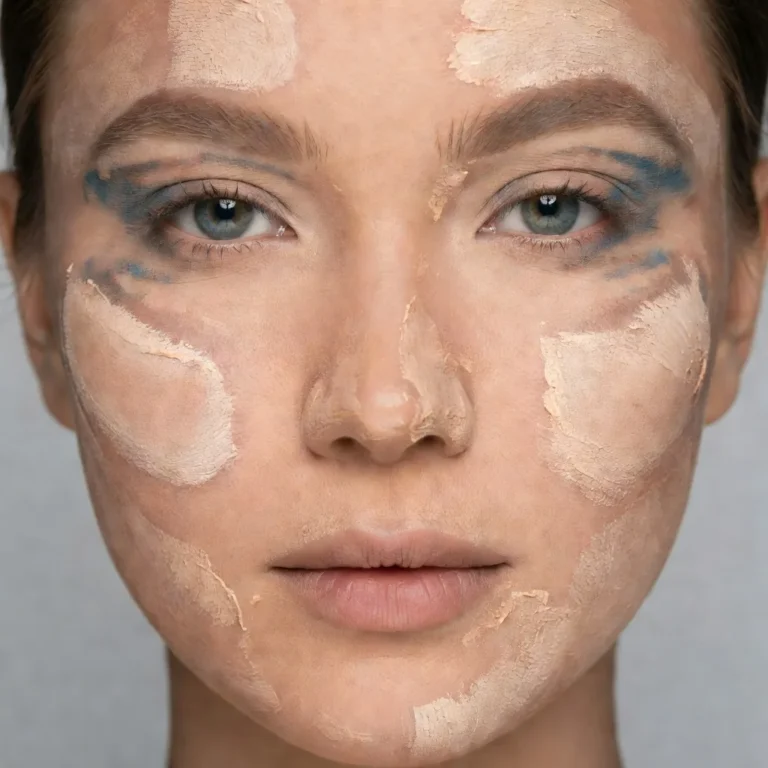
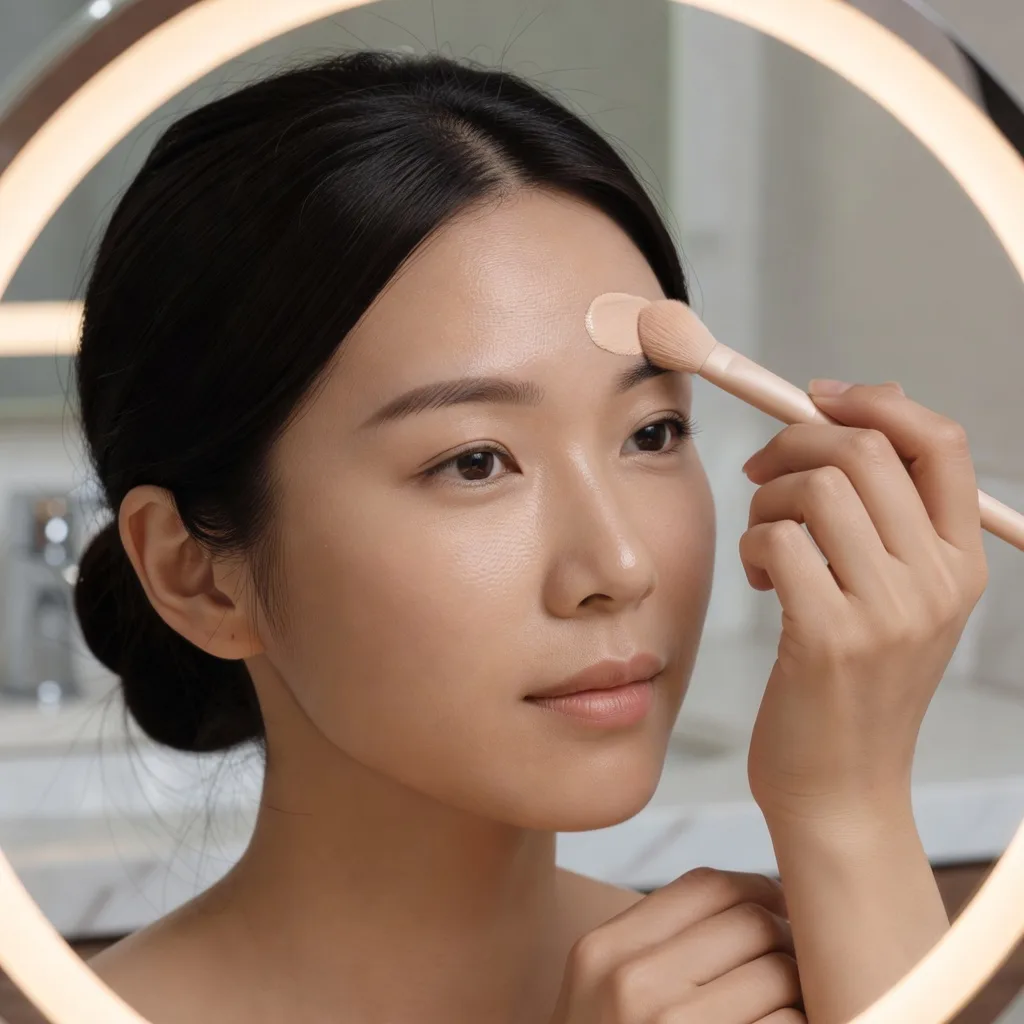
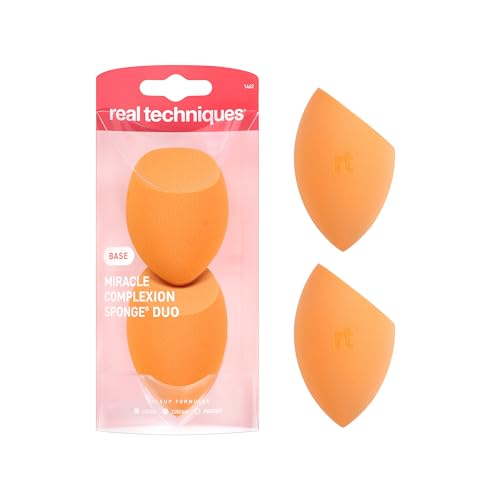
Start with the center of your face, then move to the forehead last with the remaining product. Blend upward and outward toward the hairline and temples using a damp sponge or fingers.
Press and bounce rather than wiping, and keep the layer thin, especially in areas where lines form. Blend right into the hairline, so there is no edge where foundation stops. Use a clean sponge to lift any product that has caught in fine hairs.
If you use concealer on specific spots, tap a small amount and blend only the edges.
Check the hairline in daylight. Foundation often collects in the fine hairs along the hairline and leaves a visible line or orange tint. A clean, damp sponge pressed along the edge removes excess.
If you have a wide forehead, you do not need to cover all of it evenly. Focus foundation where there is discoloration and let it fade out naturally toward the hairline.
Controlling Shine on the Forehead
The forehead has a high number of oil glands, and many people see shine there within a couple of hours. A few habits help:
- Use a lightweight, oil-free moisturizer rather than skipping moisturizer.
- Apply a mattifying primer only on the forehead and other oily areas.
- Choose an oil-free foundation with a matte or satin finish.
- Set the forehead with a light layer of translucent powder.
- Blot with oil-absorbing sheets during the day instead of adding more powder.
If your nose also breaks down quickly, our guide on why makeup separates on the nose covers T-zone oil control in more detail.
Stopping Makeup Settling Into Forehead Lines
Expression lines on the forehead can collect foundation and powder, making them look deeper. Thin layers are the most effective fix.
Try This
- Use a small amount of foundation on the forehead.
- Hydrate skin well before makeup.
- Press powder lightly with a puff or sponge.
- Blot and press a damp sponge over lines during the day.
- Choose flexible, hydrating formulas if your skin is dry.
Avoid This
- Apply thick foundation or concealer on lines.
- Bake the forehead with heavy powder.
- Use very matte, drying formulas on dry skin.
- Rub or wipe foundation into lines.
- Keep adding powder as the day goes on.
If lines are already visible first thing in the morning, a thin layer of moisturizer and a minute of waiting before foundation can make a surprising difference, since hydrated skin creases less.
Bronzer, Contour, and Highlight on the Forehead
When you add warmth with bronzer, sweep it lightly around the outer edges of the forehead and temples, where the sun would naturally hit. This keeps the forehead from looking flat or pale compared with the cheeks.
If you contour, use a light hand along the hairline to soften a very broad forehead, blending thoroughly so there is no visible stripe. A little highlighter in the center of the forehead can add glow, but skip it if you are prone to shine.
Our step-by-step guide on how to put on face makeup explains where color products fit in the routine.
Always blend color products with a clean brush afterward so no edges remain.
Hairline, Bangs, and Forehead Breakouts
The forehead is a common place for breakouts, and makeup is not always to blame. Hair products such as oils, pomades, and styling creams can migrate onto the forehead and clog pores, especially along the hairline. Bangs and hats can trap sweat and oil against the skin.
If you get forehead breakouts, keep hair products away from the hairline, wash bangs regularly, and remove makeup thoroughly every night. Choose non-comedogenic makeup and skincare.
Like the jawline, the hairline needs careful blending so foundation does not stop in a visible line. Our guide on putting makeup on your neck covers a similar blending technique for the jaw.
Wash pillowcases regularly, since hair products and oils build up on them and can transfer back to the forehead overnight.
Keeping Forehead Makeup Fresh All Day
Even with good prep, the forehead often needs a little attention during the day, especially in warm weather or long workdays.
Start by blotting. Press an oil-absorbing sheet gently on the forehead without rubbing. This removes oil without disturbing makeup. If makeup has broken up, press a clean, slightly damp sponge over the area to blend it back together.
Only then add a very light layer of powder, if needed, focusing on the center of the forehead. Repeated powdering without blotting first is what makes foreheads look cakey by evening.
Keeping hands off your forehead helps too. Resting your head on your hand or pushing hair back repeatedly moves makeup and transfers oil from your hands to your face.
Forehead Makeup by Skin Type
| Skin type | Forehead approach | Watch out for |
|---|---|---|
| Oily | Mattifying primer, thin oil-free foundation, light powder | Shine within hours |
| Dry | Hydrating moisturizer, thin hydrating foundation, little or no powder | Flaking and creasing |
| Combination | Primer on forehead only, powder on T-zone | Dry cheeks with oily forehead |
| Acne-prone | Non-comedogenic products, spot concealing | Hair products at the hairline |
| Mature | Hydrating, flexible formulas, minimal powder | Settling into lines |
Adjust as the seasons change. Many people need more oil control in summer and more hydration in winter.
What Forehead Makeup Cannot Do
| Belief | Reality |
|---|---|
| More coverage hides forehead lines | Heavy layers settle into lines and make them more visible |
| Powder stops shine all day | It helps, but blotting is still needed on oily skin |
| The forehead never needs foundation | It depends on your skin tone and concerns |
| Forehead acne is always from makeup | Hair products, sweat, and hormones are common causes |
| Makeup can smooth deep lines | It can soften the look slightly but not fill lines |
For long-term improvement in forehead lines and spots, daily sunscreen and skincare do far more than makeup.
When to See a Dermatologist
See a dermatologist if you notice:
- Forehead acne that is painful, persistent, or leaves marks.
- Flaky, red patches at the hairline or eyebrows, which may be seborrheic dermatitis.
- Brown or gray-brown patches on the forehead that may be melasma.
- Small, itchy bumps that do not respond to acne treatment.
- A new or changing spot or mole.
- Rough, scaly patches on sun-exposed areas.
Do not cover a changing or bleeding spot with makeup without getting it checked.
Medical disclaimer: This article is for general information and is not a substitute for professional medical advice. See a healthcare provider about persistent skin concerns.
Frequently Asked Questions
Are you supposed to put foundation on your forehead?
You can, but usually a thin layer blended into the hairline is enough.
Why does my forehead get shiny so fast?
The forehead is part of the T-zone, which has more active oil glands.
How do I stop foundation creasing on my forehead?
Use thin layers, hydrate first, and press powder lightly instead of baking.
Should I powder my forehead?
If it gets shiny, yes, lightly. Skip heavy powder if your skin is dry.
How do I blend foundation into my hairline?
Blend upward with a damp sponge and press along the edge to remove excess.
Why is there a line at my hairline?
Foundation stopped short or collected in fine hairs. Blend upward and lift excess.
Can makeup cause forehead acne?
It can, but hair products, sweat, and hormones are also common causes.
Should I put bronzer on my forehead?
A light sweep at the temples and hairline adds warmth and balance.
Do I need primer on my forehead?
A mattifying primer can help oily foreheads; it is optional for others.
What if my forehead is a different color from my face?
Use a thin layer of foundation on the forehead or even out with light bronzer at the edges.
Where This Leaves You
You can put makeup on your forehead, but it usually needs less than the rest of your face. A thin layer of foundation blended into the hairline, light powder where you get shiny, and a touch of bronzer at the temples are enough for most people.
Keep layers thin to avoid creasing, control oil with primer and blotting, and blend carefully at the hairline. If forehead breakouts, flaking, or dark patches persist, see a dermatologist, since hair products or skin conditions may be the cause.