Smile Lines: Causes, Prevention and Smoothing Options
Smile lines are the creases that curve from the sides of the nose to the corners of the mouth. They are also called nasolabial folds. Everyone has them to some degree, and they are a normal result of facial movement, anatomy and time rather than a flaw to fix.
They form because the cheek fat pad and skin move with every expression. As skin loses collagen and the underlying fat shifts downward with age, the fold between the cheek and the upper lip deepens. Genetics, sun exposure and weight changes all affect how pronounced the lines look.
You cannot erase smile lines with a cream, but you can soften the look, slow how quickly they deepen and keep the skin around them healthy. Sunscreen, retinoids, hydration and good habits do most of the work. Professional options exist for people who want a stronger change, and they come with real tradeoffs.
Black Friday is coming: shop the deals with Prime
Because smile lines involve both skin and underlying structure, realistic expectations matter: the goal is healthier, smoother-looking skin, not an unlined face.
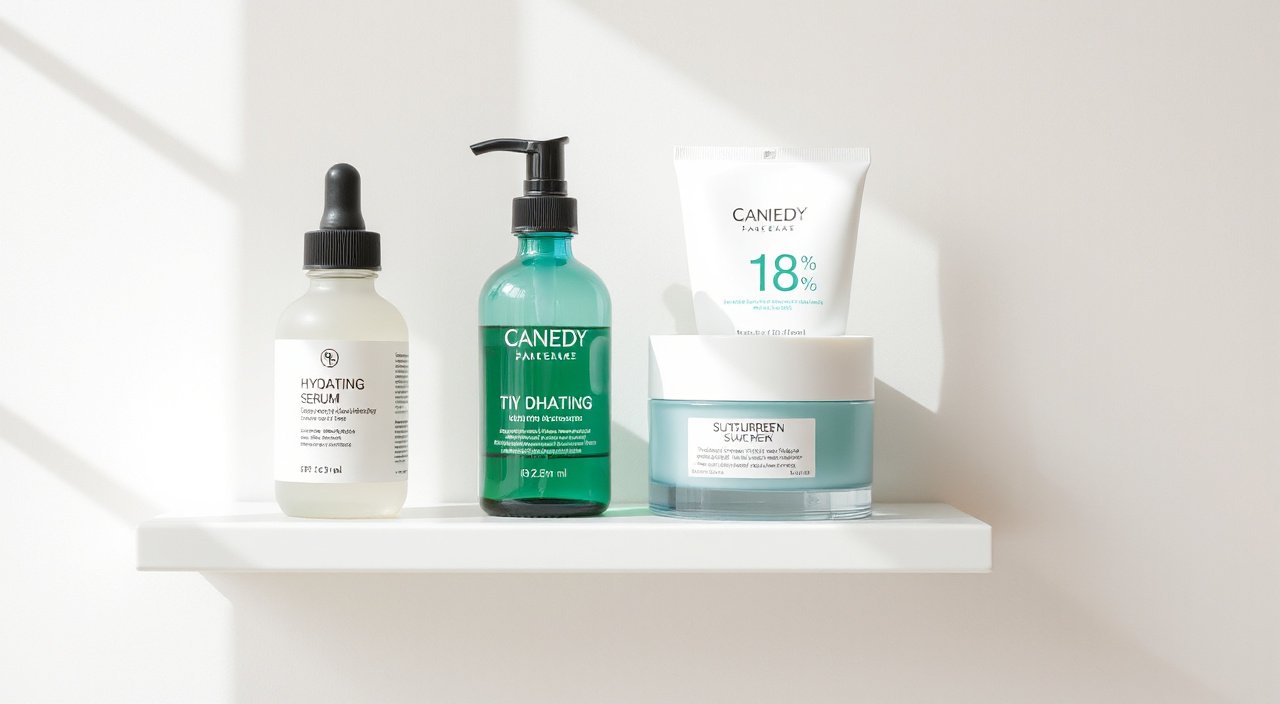
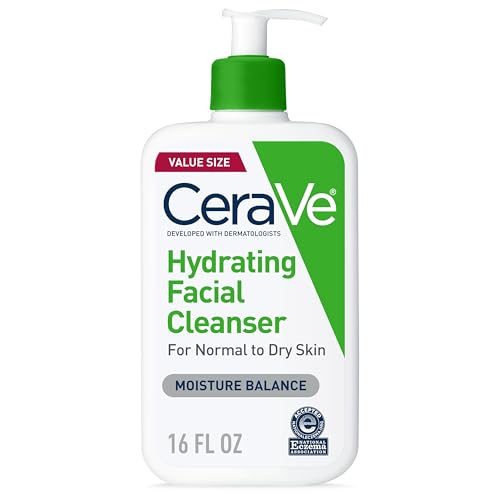
This guide explains what causes smile lines, which skincare steps have good evidence and which claims to be skeptical about. We also list sunscreen and hydration products that fit this routine. For related guidance, see our posts on forehead lines in your 20s and sun damage on the face.
The author is a registered pharmacist, not a dermatologist, so treat this as educational background and see a qualified professional for personal treatment advice.
Skincare Products That Support Smoother-Looking Skin Around the Mouth


The Short Version
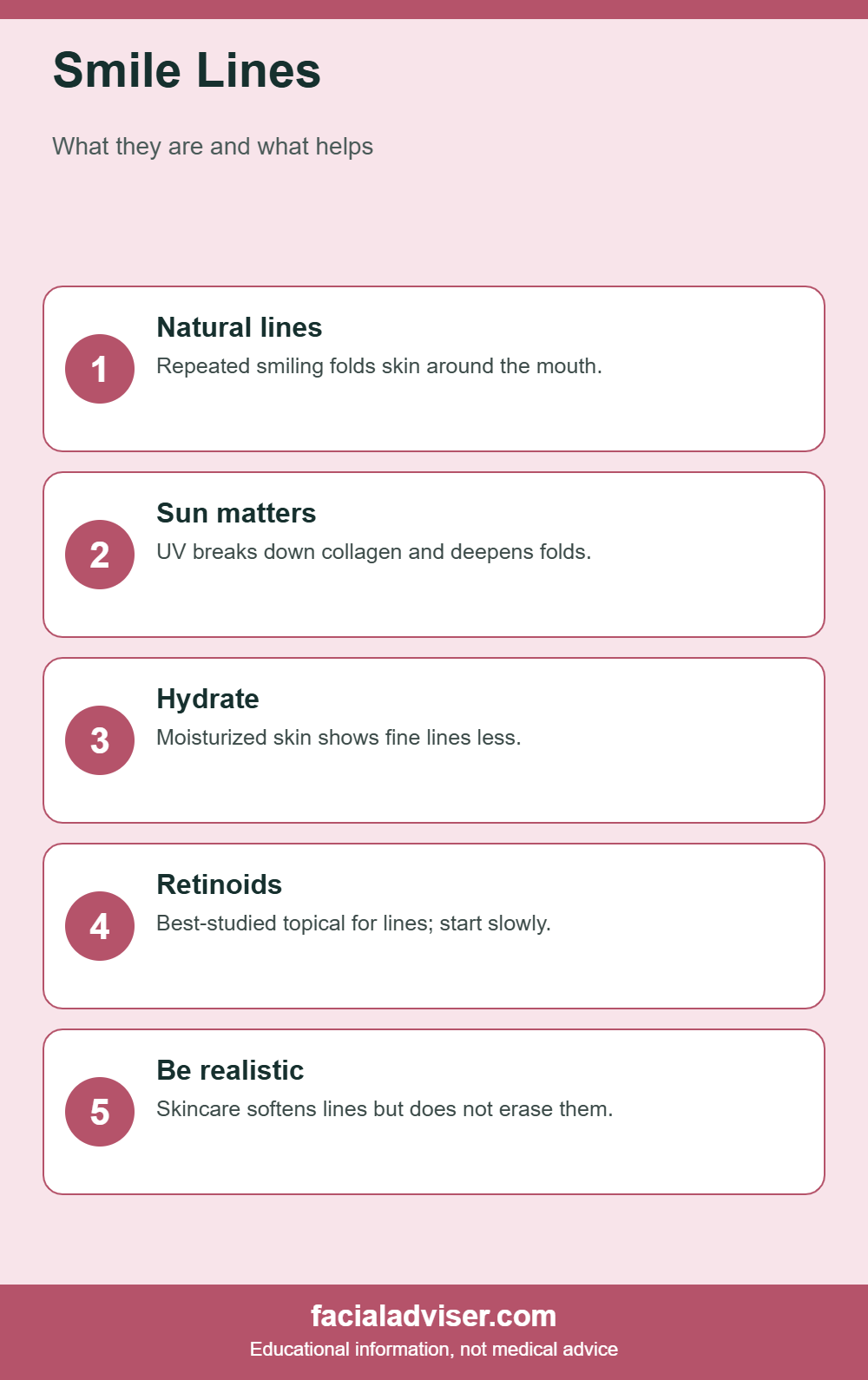
- Smile lines are normal and come from expressions, anatomy, collagen loss and fat changes.
- Daily broad-spectrum sunscreen is the most important prevention step.
- Retinoids have the best evidence among topical ingredients; start slowly and avoid in pregnancy.
- Hydrating products soften the look of lines temporarily.
- Face exercises and gadgets have little reliable evidence.
- Professional options such as fillers need a qualified clinician and carry risks.
In This Guide
- What Smile Lines Are
- Why They Deepen Over Time
- Sun Protection Is the Foundation
- A Simple Routine for Smoother-Looking Skin
- Ingredients That Have Evidence
- Habits That Help
- Face Exercises, Tools and Gadgets
- Professional Options
- Smile Lines by Age: What to Expect
- Makeup Tips That Do Not Emphasize Lines
- When to Talk to a Professional
- Honest Limits and Myths
- Questions People Ask
- Where This Leaves You
What Smile Lines Are
Smile lines, or nasolabial folds, run from the sides of the nose toward the corners of the mouth. They separate the cheek from the upper lip area. Even young people have a slight crease there, because the skin folds whenever you smile.
The fold becomes more noticeable when the cheek fat pad descends and the skin thins and loses elasticity. That is why smile lines look different from fine lines elsewhere. They are partly about volume and structure, not only about surface wrinkles.
Having smile lines does not mean you look older in a negative way. They are part of a natural face, and many people like how they look.
Smile lines are not the same as laugh lines at the corners of the eyes, though people often use the terms interchangeably.
Why They Deepen Over Time
Several factors combine. Collagen and elastin decline from your late twenties onward. UV exposure speeds up that decline. The fat pads in the cheeks shift downward, and the bone structure of the face changes slowly. Weight loss can also make folds more visible.
| Factor | Effect on smile lines |
|---|---|
| Age | Less collagen and elasticity |
| Sun exposure | Faster breakdown of collagen |
| Fat pad changes | Deeper folds as cheeks descend |
| Smoking | Reduces skin quality |
| Genetics | Set facial structure and skin thickness |
Some factors, such as bone structure and genetics, are fixed. Sun and smoking are the factors you can change.
Facial expression habits also play a role. People who smile or laugh a lot tend to have more visible folds, which is a sign of a lively face and not a problem.
Dental changes, such as tooth loss or ill-fitting dentures, can also alter the shape of the lower face, and a dentist can advise if this applies to you.
Sun Protection Is the Foundation
UV light is one of the best-documented causes of premature skin aging. Daily broad-spectrum sunscreen with SPF 30 or higher protects collagen and slows the deepening of lines. It matters even on cloudy days and indoors near windows.
Apply it to the area around the nose and mouth, where people often miss. Reapply every two hours if you are outside for long periods.
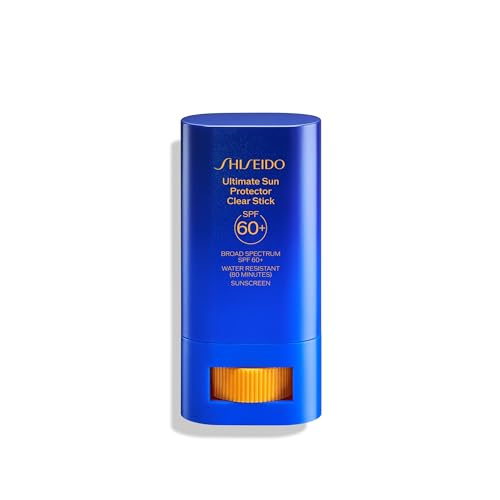
Keep a sunscreen stick in your bag for quick touch-ups around the nose and mouth.
A Simple Routine for Smoother-Looking Skin
A routine for smile lines is the same as a general anti-aging routine: gentle cleansing, hydration, sunscreen by day and a retinoid at night if your skin tolerates it. You do not need many products, and more steps will not add much.
Cleanse gently
Wash morning and night with a mild cleanser.
Hydrate
Apply a hyaluronic acid serum to slightly damp skin.
Moisturize
Use a cream to seal in water, especially around the mouth.
Protect
Apply broad-spectrum SPF 30 or higher every morning.
Add a retinoid at night
If you tolerate it, start slowly and build up.
Give any routine about 12 weeks before judging results, and use photos in the same light to compare.
In the morning, apply products from thinnest to thickest: serum, then moisturizer, then sunscreen. In the evening, cleanse, apply any retinoid and finish with a moisturizer. If your skin feels tight or stings, simplify and talk with a pharmacist or doctor.
Ingredients That Have Evidence
Retinoids, including retinol and retinaldehyde, have the strongest evidence for improving the look of photoaged skin. Sunscreen prevents new damage. Vitamin C can help with antioxidant protection. Hyaluronic acid and glycerin hydrate. Peptides may help, but the evidence is more limited.
| Ingredient | What it does | Evidence level |
|---|---|---|
| Sunscreen | Prevents new damage | Strong |
| Retinoids | Support collagen, smoother texture | Strong |
| Vitamin C | Antioxidant support | Moderate |
| Hyaluronic acid | Hydrates temporarily | Moderate |
| Peptides | May improve look of skin | Limited to moderate |
Be cautious with claims that a cream will fill or lift a fold. Topicals cannot replace lost volume.
Avoid retinoids if you are pregnant, planning pregnancy or breastfeeding unless a doctor says it is safe.
If you try a retinoid, start with a mild one two nights a week and apply a pea-sized amount to the whole face, avoiding the corners of the nose and mouth at first, where skin is more sensitive. Build up slowly over several weeks.
Habits That Help
Not smoking or vaping is one of the biggest things you can do for facial skin. Sleep, a balanced diet and regular exercise support skin health, though they will not erase lines. Drinking more water helps if you are dehydrated, but it will not plump a fold on its own.
Be mindful of sleeping position. Pressing one side of the face into the pillow for years can add creasing, so sleeping on your back may help a little. A silk pillowcase can reduce friction, though evidence for preventing lines is limited.
Try This
- Wear sunscreen daily
- Do not smoke
- Moisturize
- Sleep on a clean pillowcase
Avoid This
- Do not rely on face exercises
- Do not tug skin when washing
- Do not skip sunscreen
- Do not use harsh scrubs around the mouth
It also helps to avoid tugging at the skin around the mouth when you wash or remove makeup. Use fingertips and light pressure, and pat dry. Chronic rubbing and strong exfoliants can thin the skin and make fine lines look more visible.
Face Exercises, Tools and Gadgets
Face yoga, rollers and massage tools are popular, but the evidence that they reduce smile lines is weak. Some small studies suggest facial exercise may change muscle bulk, but results are modest and not universal.
Devices like microcurrent tools and LED masks may offer small benefits for some people, though results are inconsistent. They cost more than basic skincare, so weigh the price against the likely benefit.
If you enjoy them, use them gently. Do not pull or drag skin, which can irritate it.
If you want to try a device, check that it is from a reputable company, read the safety information and stop if your skin becomes red, painful or swollen. Avoid devices on broken skin, active acne or rashes, and ask a professional if you are pregnant or have a pacemaker or implant.
Professional Options
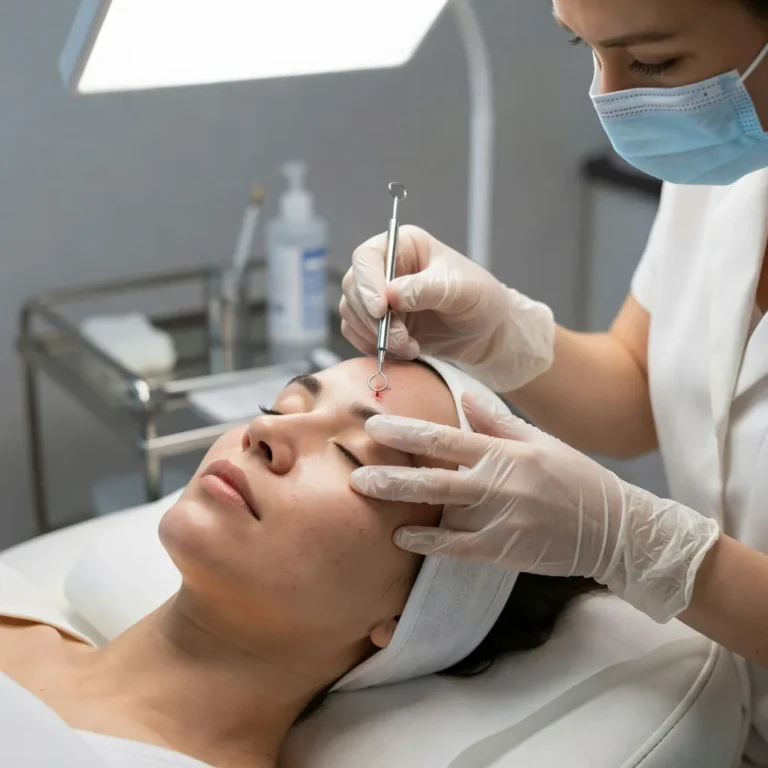
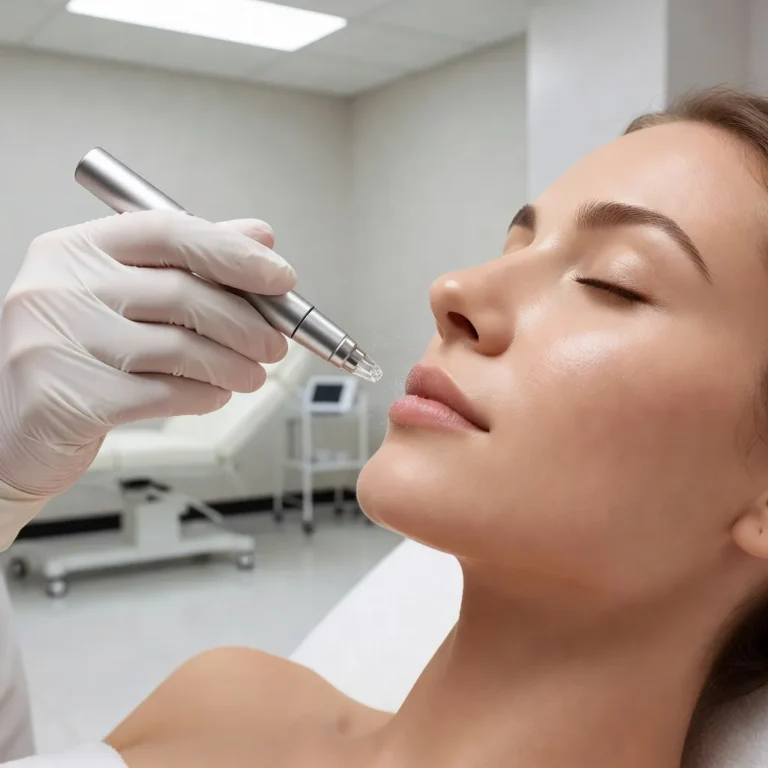
Dermal fillers add volume to the cheek or fold area and can soften smile lines. They must be placed by a trained, qualified clinician because mistakes can cause serious complications. Energy-based treatments, such as radiofrequency, laser or microneedling, aim to improve skin quality.
Surgical options like facelifts address deeper structural changes. All procedures have risks, costs and recovery time, and results are not permanent. Always ask for before-and-after photos and the clinician’s credentials.
| Option | What it targets | Considerations |
|---|---|---|
| Fillers | Volume loss | Qualified clinician, temporary |
| Laser or RF | Skin texture | Downtime, cost |
| Microneedling | Skin quality | Mild results, sterile technique |
| Surgery | Structural changes | Major commitment |
Before booking any treatment, think about what you want to change and why. A consultation should include a review of your health, medicines and realistic outcomes. Be cautious of anyone who pressures you to buy a package on the spot or who is not able to explain how they handle complications.
Smile Lines by Age: What to Expect
In your twenties, smile lines are mostly the natural crease that appears when you smile, and they disappear at rest. In your thirties, the fold may stay slightly visible at rest, especially if you have had a lot of sun. In your forties and beyond, loss of collagen and cheek volume tends to deepen the fold, and the skin around the mouth may look thinner.
None of these stages means you need treatment. Sun protection and basic skincare matter at every age, and many people decide that the lines suit their face. If the lines bother you, start with the basics, then consider professional advice.
| Age | What is typical | Focus |
|---|---|---|
| 20s | Crease only when smiling | Sunscreen, habits |
| 30s | Slight line at rest | Retinoid, hydration |
| 40s and beyond | Deeper fold, volume changes | Consider professional advice |
These are rough patterns, not rules. Genetics and lifestyle can move the timeline a lot.
Makeup Tips That Do Not Emphasize Lines
Heavy foundation and powder can settle into smile lines. Use thin layers, a hydrating primer and a small amount of setting product. Cream products usually look more natural on mature skin than thick powders.
Press products into the skin instead of swiping across the fold, and use a damp sponge for a smoother finish. Hydrate your skin before makeup so it does not look dry.
When to Talk to a Professional
Consider talking to a doctor if you want to discuss professional treatment, if you notice sudden changes in your face or if you have asymmetry or swelling. A pharmacist can also check skincare products for interactions with your medicines.
This article is educational and not medical advice. The author is a registered pharmacist, not a dermatologist, and cannot diagnose skin conditions.
Honest Limits and Myths
No cream, mask or gadget will erase smile lines. Marketing often promises a lifted or filled look, but topical products cannot add volume to the cheek. Be wary of before-and-after photos with different lighting or angles.
Enjoy your face as it changes, and focus on healthy skin. Small, consistent steps beat expensive quick fixes.
Finally, keep perspective. Social media filters and edited photos have made smooth faces look normal, but real faces have texture and lines at every age. Looking after your skin is about comfort and health first.
Questions People Ask
What are smile lines?
They are the folds that run from the nose to the corners of the mouth, also called nasolabial folds.
Can creams remove smile lines?
No. Creams can soften the look of fine lines but cannot fill a fold.
What is the best prevention?
Daily sunscreen and not smoking are the most important steps.
Does retinol help?
Retinoids have good evidence for improving the look of photoaged skin.
Do face exercises work?
Evidence is weak. They may not reduce lines and can irritate if done roughly.
Are fillers safe?
They carry risks and should be placed only by a qualified clinician.
Why do I have smile lines when I am young?
Everyone has some folds from facial movement and anatomy.
Can weight loss make them worse?
It can make folds look more noticeable.
Is a silk pillowcase helpful?
It may reduce friction, but evidence for preventing lines is limited.
When should I see a doctor?
If you want professional treatment or notice sudden changes.
Where This Leaves You
Smile lines are a normal part of having a face that moves. Sunscreen, a gentle routine and healthy habits can soften them and slow their deepening.
The products below support that routine. They do not remove folds, but they help keep skin comfortable and protected.

Written by
Registered pharmacist and founder of Facial Adviser. Rakib's pharmacy training covers how skincare actives work and interact; a later course in cosmetology turned that into a focus on facial treatments and skincare products. He plans, researches and edits every guide on the site and checks health claims against sources such as the American Academy of Dermatology, the FDA and the NIH. He is not a dermatologist; see the Editorial Policy and Medical Disclaimer.
About · Editorial policy · How we choose products · Medical disclaimer · Contact
Prime for Young Adults: a longer free trial and a lower price after it