FIVONA Unisex Sitz Bath Seat for Soaking Review: Is It Worth Using?
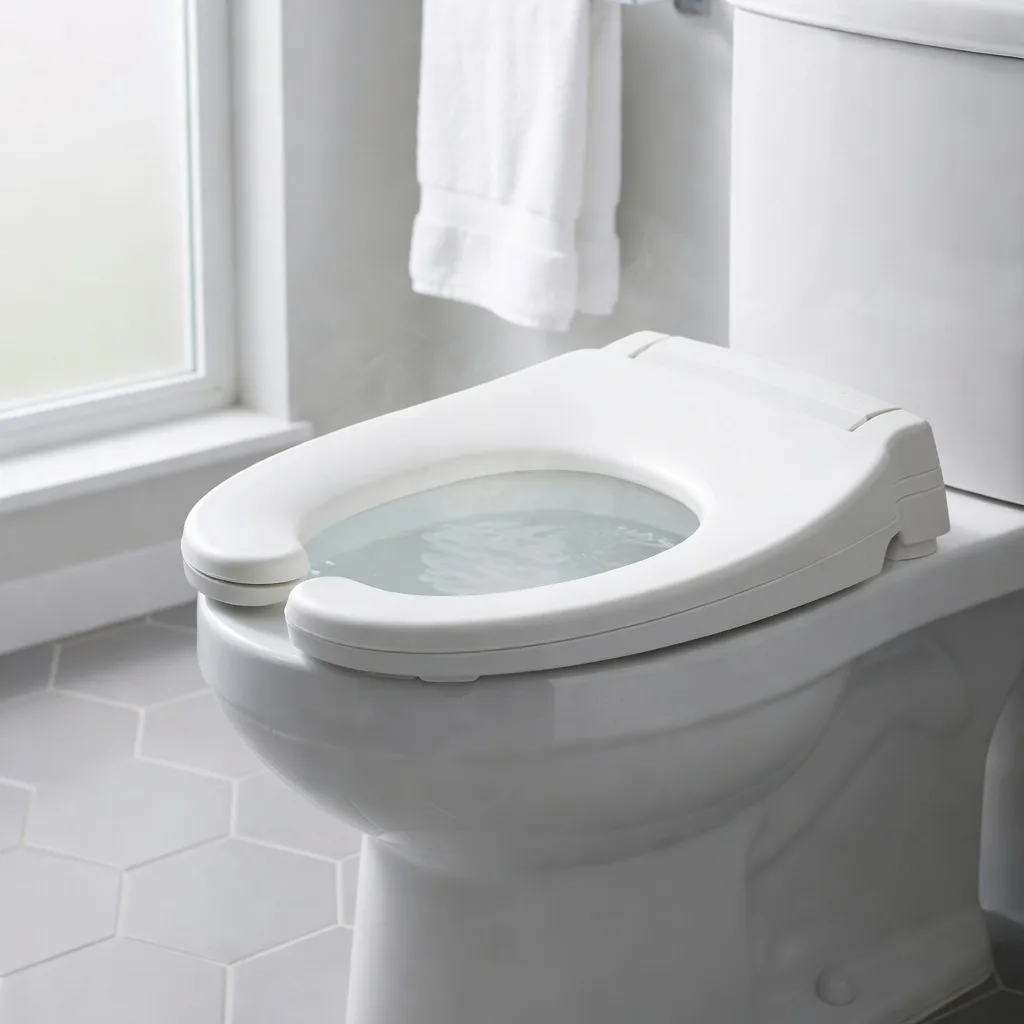
The FIVONA sitz bath is a plastic basin that sits on top of a standard toilet bowl so you can soak your bottom and genital area in warm water without filling a whole bathtub. It is sold as unisex, and people typically use this kind of device after childbirth, after surgery in the area or for discomfort from haemorrhoids.
The FIVONA sitz bath is a practical tool if your doctor or midwife has suggested warm sitz baths and you find a full bath awkward, tiring or unhygienic. Like most over-toilet sitz baths, it is designed to fit most standard toilets and is typically sold with a water bag and tube to keep warm water flowing, plus vents that let excess water drain into the toilet. It does not treat any condition on its own; it simply makes warm soaks easier. Anyone with an open wound, recent surgery, severe pain, fever or signs of infection should follow their clinician’s advice before using it.
In short: a convenient way to take warm soaks at home, best used as your clinician advises.
MedlinePlus, from the US National Library of Medicine, describes a sitz bath as a warm water bath that covers only the hips and buttocks and is often used to ease pain, itching or muscle spasms, for example after childbirth or haemorrhoid surgery.
This review covers how an over-toilet sitz bath works, who it suits and who should check with a doctor first, how to use and clean it safely, honest limits and alternatives. It is based on published product information and general health guidance rather than our own hands-on testing.
Where to Buy the FIVONA Sitz Bath and Similar Options on Amazon




The Short Version
- A sitz bath lets you soak the bottom and genital area in warm water.
- The FIVONA basin is designed to sit on top of most standard toilets.
- Over-toilet sitz baths are usually sold with a water bag and overflow vents.
- Warm soaks may ease discomfort but do not treat the underlying cause.
- Use plain warm water unless a clinician recommends an additive.
- Clean and dry the basin after every use to reduce infection risk.
- See a doctor for severe pain, bleeding, fever or worsening symptoms.
On This Page
- What a Sitz Bath Seat Is and How It Works
- Typical Features of the FIVONA Sitz Bath
- Who May Benefit and Who Should Check With a Doctor First
- Pros and Cons
- How to Use an Over-Toilet Sitz Bath Safely
- Water Temperature and Additives
- Cleaning and Hygiene
- Alternatives by Type
- Dos and Don’ts
- Honest Limits
- When to See a Doctor
- Your Questions, Answered
- The Bottom Line
What a Sitz Bath Seat Is and How It Works
The word sitz comes from the German for sit. A sitz bath is a shallow soak in which you sit in warm water that covers the hips and buttocks. You can do this in a bathtub, but many people find it easier and more hygienic to use a small basin that fits over the toilet.
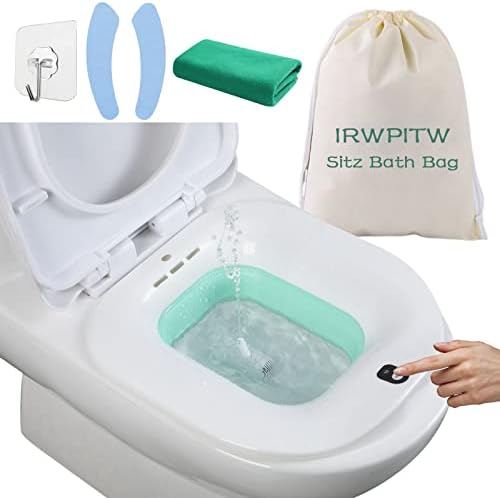
An over-toilet sitz bath like the FIVONA model sits inside the toilet rim, under the raised seat. You fill it with warm water, sit on it for a set time and then tip the water into the toilet. Vents or slots near the back of the basin let extra water drain away so it does not overflow onto the floor.
Many over-toilet sitz baths also come with a flexible water bag and tube. You hang the bag above the toilet, and warm water flows gently into the basin while you sit, keeping the soak warm and fresh. A small clamp on the tube typically controls the flow.
Box contents vary between listings and versions. Check whether the FIVONA listing you choose includes the water bag, tube and clamp, and look at the stated dimensions to be sure it will fit your toilet.
Typical Features of the FIVONA Sitz Bath
The table below describes the features typically listed for this type of over-toilet sitz bath. We have not included exact measurements; check the listing and compare with your toilet bowl before ordering.
| Feature | Typical description | Why it matters |
|---|---|---|
| Basin | Plastic bowl that rests inside the toilet rim | Avoids the need for a full bath |
| Fit | Designed for most standard toilets | Round and elongated bowls differ, so check size |
| Overflow vents | Slots that drain excess water into the toilet | Reduces spills |
| Water bag and tube | Hangs above to refill the basin | Keeps water warm during longer soaks |
| Flow clamp | Controls how fast water enters | Prevents overflow |
| Unisex design | Suitable for anyone | Can be used postpartum or after surgery |
Fit is the main thing to check. Toilet bowls come in round and elongated shapes, and a basin that suits one may sit unevenly on the other. An unstable basin can tip when you sit down, which is uncomfortable and can cause spills.
Size matters for comfort too. Basins vary in width and depth, and a basin that feels roomy for one person may feel cramped for another. Read the listed dimensions and buyer comments about fit for different body sizes, and remember you will be sitting on it for up to twenty minutes at a time.
Who May Benefit and Who Should Check With a Doctor First
Health organisations describe sitz baths as a way to ease discomfort and keep the area clean. They are commonly suggested in the situations below, but your own clinician’s advice should always come first.
The MedlinePlus entry on sitz baths describes them as a warm water bath covering only the hips and buttocks, sometimes with medicine added, and notes they are often used after childbirth or haemorrhoid surgery to relieve pain, itching or muscle spasms. That supports using a sitz bath as a comfort measure, not as a cure.
| Situation | Is a sitz bath commonly suggested? | Notes |
|---|---|---|
| After vaginal birth or an episiotomy | Often | Follow your midwife’s or doctor’s advice |
| Haemorrhoids | Often | May ease itching and soreness |
| After surgery in the area | Sometimes | Only if your surgeon approves |
| Anal fissure discomfort | Sometimes | Discuss with a doctor |
| Open wounds or fresh stitches | Only on advice | Risk of infection or delayed healing |
| Fever, spreading redness, pus | No, see a doctor | Could be an infection |
If you are pregnant, recovering from surgery, have diabetes, circulation problems or reduced sensation in the area, ask your doctor or nurse before using a sitz bath. People with reduced sensation may not notice if the water is too hot.
Pros and Cons
- Pro: easier than climbing into a full bath, especially after birth or surgery.
- Pro: uses far less water than a bath.
- Pro: over-toilet design means water drains straight into the toilet.
- Pro: water bag keeps soaks warm for longer.
- Con: may not fit every toilet shape securely.
- Con: plastic basins can feel hard on sore areas for longer soaks.
- Con: needs careful cleaning after every use.
- Con: does not treat the underlying problem.
Buyer feedback for over-toilet sitz baths commonly praises the convenience compared with a bath and the relief of warm water. Common complaints are about fit on some toilets, overflow if the water bag flows too quickly and the basin feeling small for some body shapes. These are general patterns rather than tested results.
How to Use an Over-Toilet Sitz Bath Safely
These general steps suit most over-toilet sitz baths. Always follow your clinician’s instructions if they differ.
Clean the toilet and basin
Clean the toilet bowl and rim, then rinse the sitz bath with warm soapy water.
Fit the basin
Lift the toilet seat, place the basin in the bowl with the vents at the back and check it sits firmly.
Fill with warm water
Use comfortably warm, not hot, water. Test it with your wrist or elbow first.
Set up the water bag
If using the bag, fill it with warm water, hang it above the toilet and close the clamp.
Soak for the advised time
Sit for the length of time your clinician suggests, often 15 to 20 minutes, releasing the clamp slowly to top up.
Pat dry gently
Stand carefully and pat the area dry with a clean towel; do not rub.
Empty and clean
Tip the water into the toilet, wash the basin, rinse and let it dry fully.
Place a towel on the floor around the toilet the first few times you use the sitz bath. Until you learn how quickly your water bag fills the basin, small spills are common.
Water Temperature and Additives
Warm, not hot, water is key. Water that feels pleasant on your hand can feel much hotter on sensitive, healing tissue. If you have reduced sensation, ask someone to check the temperature for you.
Plain warm water is usually enough. Some people add Epsom salt, baking soda or herbal products, but additives can irritate stitches, broken skin or mucous membranes. Only use them if your clinician recommends them. If you do try a new additive, it is sensible to introduce it carefully; our guide on the best way to patch test explains the general principle of testing new products on a small area.
Warmth increases blood flow to the soaked area, which is one reason sitz baths feel soothing. Our article on warm vs cold compresses explains how heat and cold affect circulation in general, although it focuses on the face.
Never use very hot water, and stop immediately if you feel burning, dizziness or faintness. Get up slowly after a soak, especially after childbirth or surgery, because warm water can make some people light-headed.
Cleaning and Hygiene
Because a sitz bath touches sensitive areas and sits in the toilet, hygiene matters a great deal.
- Wash the basin with warm soapy water before and after each use.
- Rinse thoroughly so no soap residue is left.
- Let the basin, bag and tube dry completely before storing.
- Do not share a sitz bath between people.
- Replace the basin if it cracks or develops rough edges.
- Follow any extra cleaning advice from your clinician, especially after surgery.
Storing a sitz bath while damp can encourage mould or bacteria in the tube and bag. Hang the bag upside down to drain, and keep the basin somewhere dry and clean between uses.
Alternatives by Type
- A shallow bath in a clean bathtub, if you can get in and out safely.
- Collapsible or foldable over-toilet sitz baths, which store more easily.
- Larger or wider basins for people who find standard basins too small.
- Peri bottles for rinsing after using the toilet, often used alongside sitz baths postpartum.
- Cool packs made for postpartum or haemorrhoid swelling, if your clinician suggests them.
Choose based on your comfort, your toilet shape and what your clinician recommends.
If moving on and off the toilet is difficult, for example after a caesarean birth or hip surgery, ask a nurse or occupational therapist about safe ways to sit down and stand up, or about using a raised toilet seat frame alongside the basin.
Dos and Don’ts
Helps
- Check the basin fits your toilet
- Test water temperature first
- Soak for the time your clinician suggests
- Clean and dry the basin after each use
- Pat the area dry gently
Backfires
- Use very hot water
- Add products your clinician has not approved
- Share the sitz bath
- Ignore fever, pus or spreading redness
- Use it on fresh wounds without advice
Honest Limits
This review is based on published product information and general health guidance, not on hands-on testing. Comfort and fit vary with toilet shape, body size and the reason you are using a sitz bath.
A sitz bath does not cure haemorrhoids, fissures or infections, and it does not replace medicine or follow-up care. The evidence for sitz baths is mainly about comfort, and some clinicians recommend them more than others. If symptoms are not improving, the right step is to see a clinician rather than soak for longer or more often.
When to See a Doctor
- You have heavy or ongoing bleeding from the rectum or vagina.
- You develop a fever, spreading redness, swelling or pus.
- Pain is severe or getting worse despite soaks.
- Symptoms do not improve after about a week of home care, or you are unsure of the cause.
This article is general information and does not replace medical advice. A sitz bath is a comfort aid, not a treatment. Always follow the advice of your doctor, midwife or surgeon, and seek urgent care for heavy bleeding, fever or severe pain.
Your Questions, Answered
What is a sitz bath used for?
Warm soaks to ease discomfort in the bottom and genital area.
Does the FIVONA sitz bath fit all toilets?
It is designed for most standard toilets; check the dimensions.
How long should I sit in it?
Often 15 to 20 minutes, or as your clinician advises.
How hot should the water be?
Comfortably warm, never hot.
Can I add Epsom salt?
Only if your clinician recommends it.
Is it safe after childbirth?
Often suggested, but follow your midwife’s advice.
Can men use it?
Yes, it is unisex.
How do I clean it?
Wash with warm soapy water, rinse and dry fully.
Can it treat haemorrhoids?
It may ease discomfort but does not cure them.
When should I stop using it?
If you feel burning, dizziness or signs of infection.
The Bottom Line
The FIVONA unisex sitz bath is a convenient over-toilet basin that makes warm soaks easier than using a full bath, especially after childbirth or surgery.
Check it fits your toilet, use warm rather than hot water, keep it scrupulously clean and see a doctor if pain, bleeding or signs of infection appear.