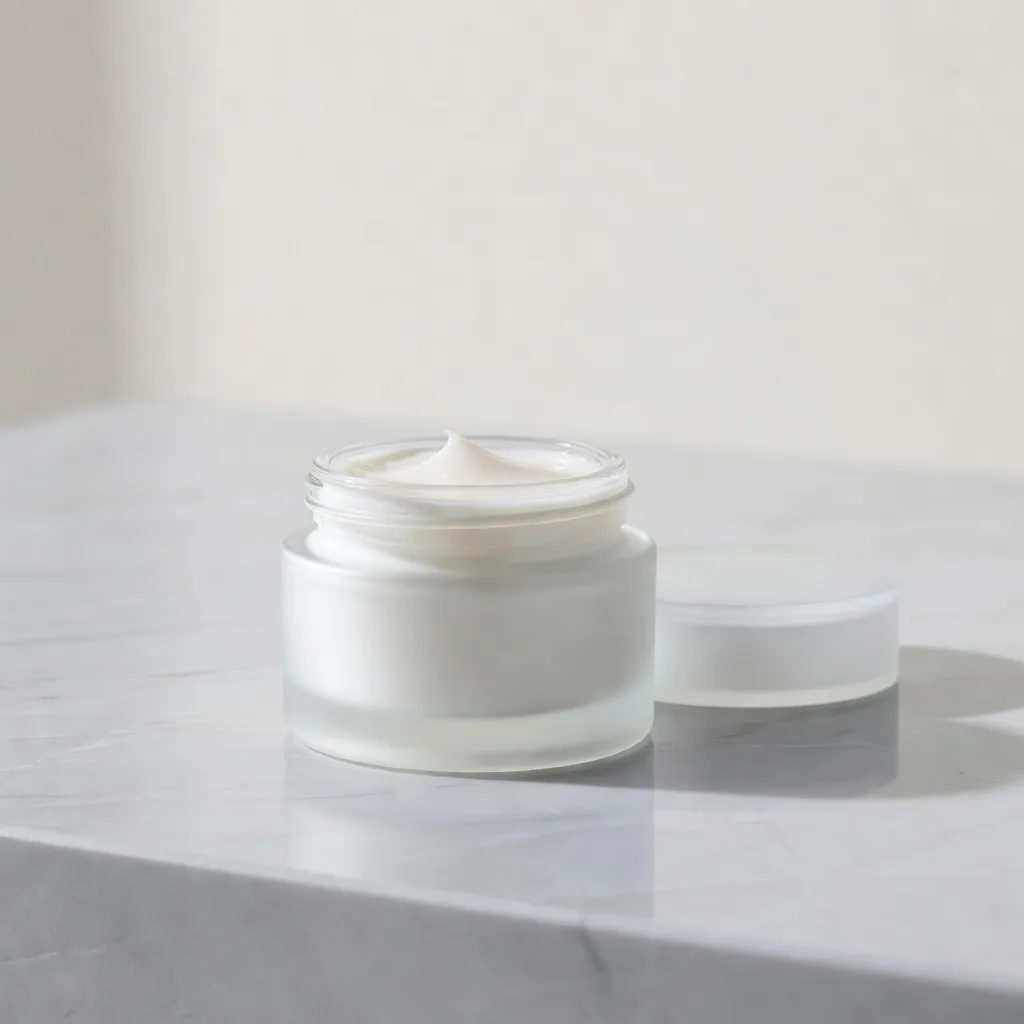
Skincode Exclusive Cellular Night Refine and Repair Cream Review
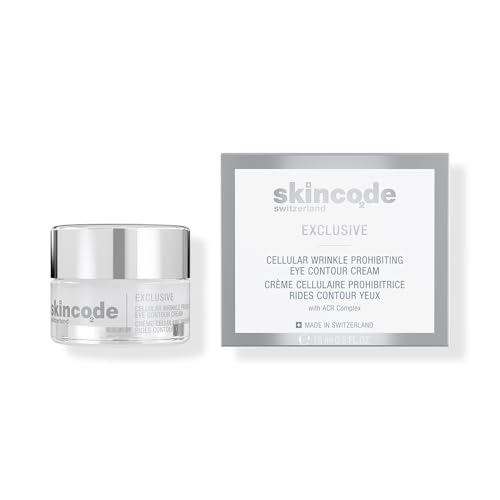
Skincode is a Swiss skincare brand, and its Exclusive line is its premium range. The Cellular Night Refine and Repair Cream is a rich night moisturiser from that line, marketed to support the skin’s overnight renewal and to help skin look smoother, more refined and more rested by morning.
The Skincode Exclusive Cellular Night Refine and Repair Cream is a reasonable option if you want a rich, comforting night moisturiser for normal to dry or mature skin and you like a luxurious texture. Like most night creams, its real, proven job is to hydrate and support the skin barrier while you sleep, which can make skin look smoother and plumper by morning. Terms such as cellular and repair are marketing language rather than evidence of deep biological change, so it will not reverse wrinkles or replace sunscreen and proven actives such as retinoids. People with oily, acne-prone or fragrance-sensitive skin should check the ingredient list carefully and patch test first.
In short: a comforting, rich night cream that hydrates well; expect smoother, softer skin rather than dramatic anti-ageing results.
The US Food and Drug Administration notes that some cosmetic ingredients, including certain fragrances and preservatives, can cause allergic reactions, and that the term hypoallergenic has no federal definition.
This review explains what the cream aims to do, how night creams actually work, who it suits and who should skip it, how to apply it, honest limits and alternatives. It is based on published product information and dermatology guidance rather than our own hands-on testing.
Where to Buy the Skincode Exclusive Night Cream and Similar Options on Amazon
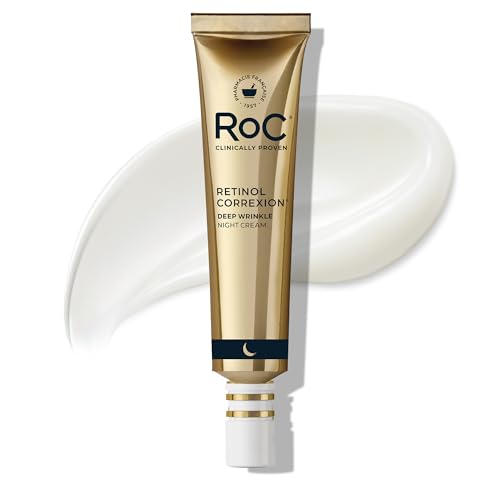
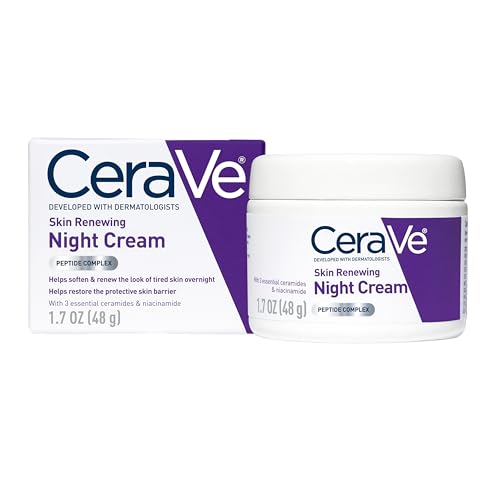
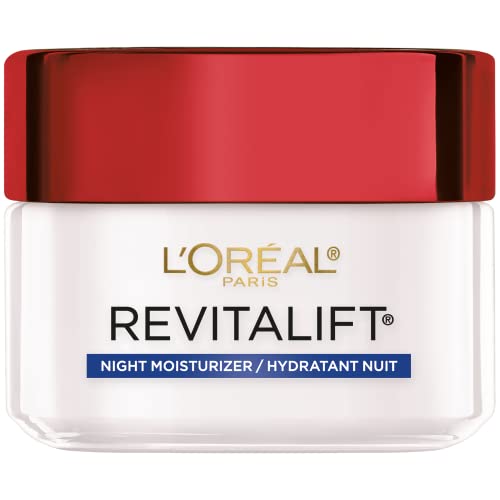

In This Guide
- What the Skincode Exclusive Night Cream Is
- How Night Creams Actually Help Skin
- What Cellular, Refine and Repair Really Mean
- Who It Suits and Who Should Skip It
- Pros and Cons
- How to Apply a Night Repair Cream for Best Results
- Building an Evidence-Based Night Routine
- Alternatives by Product Type
- Is a Premium Night Cream Worth It?
- Dos and Don’ts
- Honest Limits
- When to See a Dermatologist
- Common Questions
- Summing Up
What to Know First
- This is a rich night moisturiser from Skincode’s premium Exclusive line.
- Its main proven benefit is hydration and barrier support overnight.
- Cellular and repair are marketing terms, not proof of deep change.
- It suits normal to dry and mature skin best.
- Oily or acne-prone skin may find a rich cream too heavy.
- Patch test first and check the ingredient list for fragrance.
- Sunscreen and proven actives matter more for visible ageing.
What the Skincode Exclusive Night Cream Is
A night cream is a moisturiser designed to be worn while you sleep. Because you are not wearing makeup or sunscreen over it, night creams are often richer than day creams and may contain ingredients that are better used at night, such as certain exfoliating or renewing actives.
Skincode positions its Exclusive line as its most advanced range, with the Cellular Night Refine and Repair Cream as the overnight step. The brand describes it as helping to refine skin texture and support repair while you sleep. Those are common goals for night creams, and a good moisturiser can genuinely help skin look smoother and more comfortable by morning.
What we cannot verify from published information is exactly how much of any single active ingredient the cream contains. That is normal for cosmetics, which list ingredients in descending order but rarely state percentages.
Ingredient lists can differ between regions and can change over time. Always read the full ingredient list on the box or listing you are buying, rather than relying on descriptions of older versions.
How Night Creams Actually Help Skin
Skin loses more water overnight, and some research suggests the skin barrier behaves differently at night than during the day. Our article on how the circadian rhythm influences skin repair explains the background. A night cream helps by adding water-binding ingredients and a protective layer that slows water loss while you sleep.
Most night creams, whatever their marketing, rely on three types of ingredients. Humectants such as glycerin and hyaluronic acid draw water into the skin. Emollients such as plant oils and squalane soften and smooth. Occlusives such as shea butter or dimethicone form a light seal. Some creams add antioxidants, peptides or vitamin derivatives on top.
| Ingredient type | What it does | What to look for on labels |
|---|---|---|
| Humectants | Draw water into the skin | Glycerin, hyaluronic acid, urea |
| Emollients | Soften and smooth texture | Squalane, plant oils, fatty alcohols |
| Occlusives | Reduce water loss overnight | Shea butter, dimethicone, petrolatum |
| Barrier lipids | Support the skin barrier | Ceramides, cholesterol, fatty acids |
| Peptides and antioxidants | Cosmetic support for ageing skin | Peptides, vitamin E, niacinamide |
What Cellular, Refine and Repair Really Mean
Words such as cellular, refine and repair appear on many premium night creams. In cosmetic marketing, they usually describe how the product is intended to make skin look and feel, not a proven biological effect on skin cells. Cosmetics are not allowed to claim to change the structure or function of the body; products that do are regulated as drugs.
So what can you realistically expect? A well-formulated night cream can make skin feel softer, look smoother and appear less dull because it is better hydrated. Fine lines caused by dryness can look less obvious. These are real, worthwhile benefits, but they fade if you stop using the cream.
Deeper wrinkles, loss of firmness and sun damage need different approaches. The ingredients with the strongest evidence for ageing skin are daily broad-spectrum sunscreen and prescription or over-the-counter retinoids, used carefully.
Who It Suits and Who Should Skip It
| Skin type | Good fit? | Notes |
|---|---|---|
| Dry skin | Yes | Rich texture helps overnight |
| Normal skin | Usually | Use a small amount |
| Mature skin | Yes | Comfort and plumping from hydration |
| Oily or acne-prone skin | Often not | A lighter gel may suit better |
| Fragrance-sensitive skin | Check label | Patch test first |
| Eczema or rosacea | Caution | Ask a dermatologist; choose simple formulas |
If you are unsure whether you need a separate night cream or can simply use your day moisturiser at night, our guide on the difference between a night cream and a leave-on treatment explains how the two work together.
Pros and Cons
- Pro: rich, comforting texture for dry and mature skin.
- Pro: supports overnight hydration and barrier comfort.
- Pro: can make skin look smoother and more rested by morning.
- Pro: from a dedicated skincare brand with a focused premium range.
- Con: marketing terms can overstate what a cream can do.
- Con: may be too heavy for oily or acne-prone skin.
- Con: premium positioning without published ingredient percentages.
- Con: may contain fragrance; check the label if you react easily.
Buyer feedback for rich premium night creams tends to praise texture, comfort and how skin feels on waking, while complaints usually relate to cost relative to results, heaviness on oily skin and fragrance sensitivity. These are general patterns, not tested results.
Because the cream is positioned as a premium product, it is worth buying from an authorised seller where possible. Beauty products sold by unauthorised sellers can be old stock, stored in poor conditions or occasionally counterfeit, which affects both results and safety.
How to Apply a Night Repair Cream for Best Results
Application is simple, but a few habits help the cream work well and reduce the chance of irritation.
Patch test first
Apply a small amount behind the ear or on the jaw for several nights before using it on the whole face.
Cleanse gently
Remove makeup and sunscreen with a mild cleanser and pat dry.
Apply treatments first
If you use a serum or prescribed treatment, apply it first and let it absorb.
Use a pea-to-almond-sized amount
Warm the cream between your fingertips.
Press and smooth
Press onto the cheeks, forehead, chin and neck, then smooth outwards gently.
Avoid the eye area
Unless the product says it is suitable, keep it off the eyelids.
Protect in the morning
Cleanse lightly and apply sunscreen during the day.
If your skin feels greasy in the morning or you notice small bumps, use less cream or apply it only every other night. Rich creams work best when applied in a thin layer.
Building an Evidence-Based Night Routine
A night cream is most useful as part of a simple, consistent routine. A typical evidence-based night routine looks like this: gentle cleanser, an active treatment if you use one, then moisturiser. For many people, a retinoid a few nights a week and a moisturiser every night covers most of what ageing skin needs, alongside daily sunscreen.
The American Academy of Dermatology’s advice on how to apply sunscreen is a reminder that daily sun protection does more to prevent visible ageing than any night cream. Using a rich night cream while skipping sunscreen by day will limit what any skincare can achieve.
- Keep the routine short and consistent.
- Introduce one new product at a time.
- Give a new cream several weeks before judging it.
- Stop anything that stings, burns or causes a rash.
Sleep habits play a part as well. Washing pillowcases regularly, sleeping on your back if it is comfortable and getting enough sleep all support how your skin looks in the morning, whatever cream you use.
Alternatives by Product Type
- Ceramide night creams for barrier support and dry skin.
- Fragrance-free rich moisturisers for sensitive skin.
- Retinol or retinoid night creams for fine lines, introduced slowly.
- Peptide night creams for a gentle anti-ageing option.
- Light gel-cream moisturisers for oily or combination skin.
Choose based on your skin type and main concern rather than on how premium a product looks.
Is a Premium Night Cream Worth It?
Premium creams often feel lovely to use, with carefully designed textures, pleasant scents and elegant packaging. Those qualities matter to many people, because a product you enjoy using is a product you use consistently. Consistency is one of the biggest drivers of results in skincare.
However, the core job of a night cream, hydrating and supporting the barrier, can also be done well by simpler formulas. Dermatologists often point out that ingredients such as glycerin, ceramides and petrolatum are effective whether they appear in a luxury jar or a basic tube. The difference is usually in feel, fragrance and extra ingredients rather than in basic performance.
- If you love the texture and your skin tolerates it, a premium cream can be a reasonable choice.
- If you want the most evidence for your money, prioritise sunscreen and a retinoid first.
- If you have sensitive skin, a simple fragrance-free cream may be safer than a complex formula.
- If you are unsure, try one product at a time for several weeks before deciding.
Packaging matters a little too. Jars are exposed to air and fingers each time you open them, while pumps and tubes help protect some ingredients and are more hygienic. Use a clean spatula with jars if one is provided.
Dos and Don’ts
Try This
- Patch test before full use
- Apply a thin layer
- Check the ingredient list
- Use sunscreen every morning
- Give it several weeks
Avoid This
- Expect it to erase wrinkles
- Layer several new products at once
- Use on broken or inflamed skin
- Ignore stinging or rashes
- Skip sunscreen because you use a night cream
Honest Limits
This review is based on published product information and dermatology guidance, not on our own hands-on testing. We cannot confirm ingredient concentrations, and results vary with skin type, age, climate and the rest of your routine.
No night cream can reverse deep wrinkles, restore lost volume or undo sun damage. A premium price or advanced-sounding name does not guarantee better results than a simpler moisturiser with similar core ingredients.
Stop using the cream and wash it off if you notice burning, swelling, hives or a spreading rash. The FDA’s page on allergens in cosmetics explains that fragrances, preservatives and other ingredients can cause reactions, and that patch testing can help identify them.
When to See a Dermatologist
- You get a rash, swelling or persistent redness after using a cream.
- Your skin is very dry, cracked or itchy despite moisturising.
- You have acne, rosacea or eczema and are unsure what to use.
- You want prescription options for wrinkles or sun damage.
This article is general information and does not replace medical advice. Product formulas can change, so check the current ingredient list. See a board-certified dermatologist for persistent skin problems or before starting prescription treatments.
Common Questions
What is Skincode Exclusive Cellular Night Cream?
A rich night moisturiser from Skincode’s premium Exclusive line.
Does it repair skin cells?
Repair is marketing language; its proven benefit is hydration.
Is it good for dry skin?
Yes, rich night creams suit dry skin well.
Can oily skin use it?
It may feel heavy; a lighter gel may suit better.
Can I use it with retinol?
Usually yes, applied after the retinoid; ask a dermatologist if unsure.
Will it remove wrinkles?
No, but hydration can make fine lines less visible.
Should I patch test it?
Yes, especially if you have sensitive skin.
Can I use it on my eyes?
Only if the product says it is suitable for the eye area.
How long until I see results?
Hydration shows quickly; give it several weeks overall.
Do I still need sunscreen?
Yes, every day.
Summing Up
The Skincode Exclusive Cellular Night Refine and Repair Cream is a rich, comforting night moisturiser that suits dry and mature skin and can leave skin looking smoother and more rested.
Keep expectations realistic, patch test first, use it within a simple routine and rely on daily sunscreen and proven actives for visible ageing.