Elemis Dynamic Resurfacing Facial Pads Review: Do They Help With Blackheads?
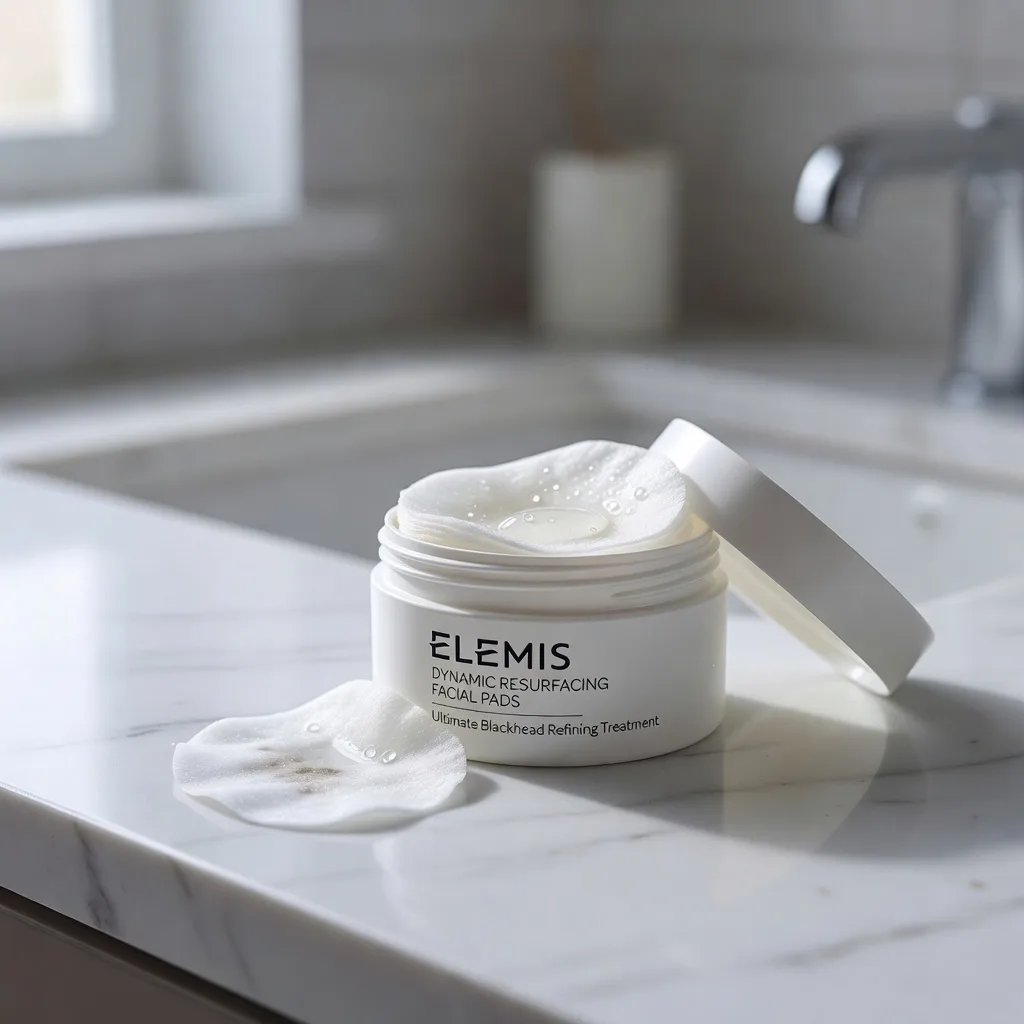
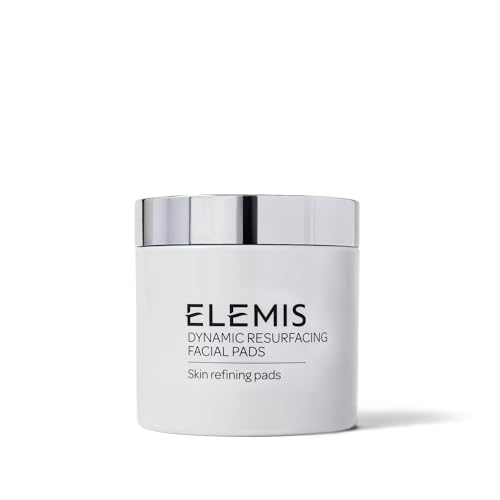
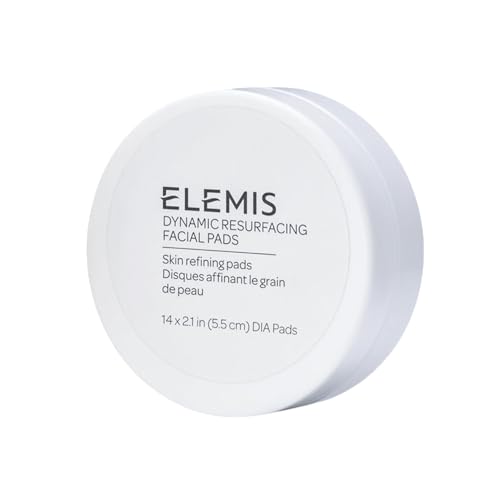
Elemis Dynamic Resurfacing Facial Pads are pre-soaked exfoliating pads that you swipe over clean skin and leave on. They are part of the brand’s Dynamic Resurfacing range and are aimed at dull, uneven or rough-textured skin. Many people also buy them hoping to clear blackheads, which is where expectations need a little care.
Elemis Dynamic Resurfacing Facial Pads are a reasonable choice if you want a gentle, leave-on chemical exfoliant to smooth rough texture and brighten dull skin. The maker describes them as dual-textured pads combining lactic acid, an alpha hydroxy acid, with fruit enzymes. They are less effective for stubborn blackheads, because AHAs mainly work on the skin’s surface, while oil-soluble salicylic acid is better at getting into pores. They can also cause stinging or dryness if overused, and AHAs make skin more sensitive to the sun, so daily sunscreen is essential.
In short: a gentle resurfacing pad for texture and glow, not a dedicated blackhead treatment.
The US Food and Drug Administration advises that people using products with alpha hydroxy acids protect their skin from the sun, because AHAs can increase sun sensitivity.
This review covers what the pads contain, how they work, whether they help blackheads, who they suit and who should skip them, how to use them safely, honest limits and alternatives. It is based on published product information and dermatology guidance rather than our own hands-on testing.
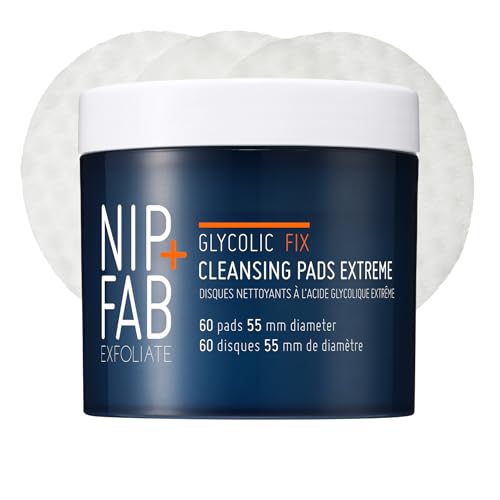
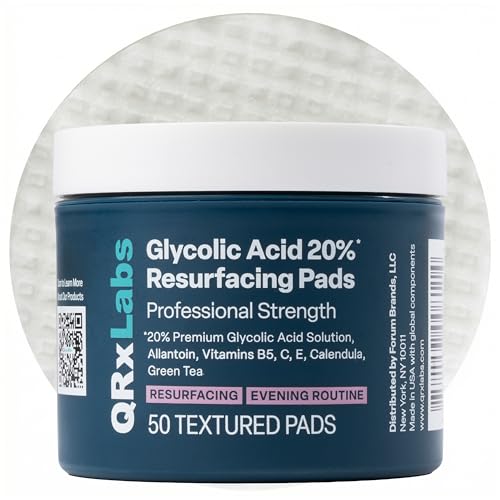
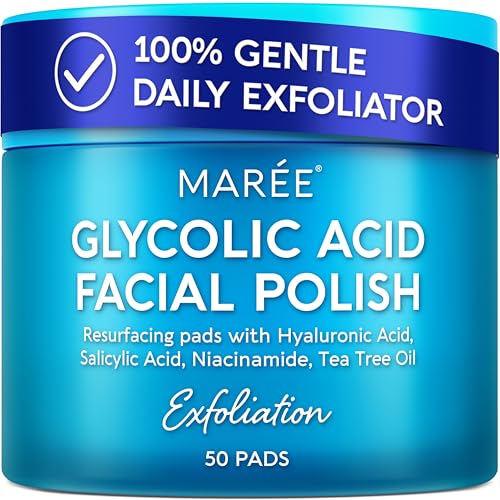
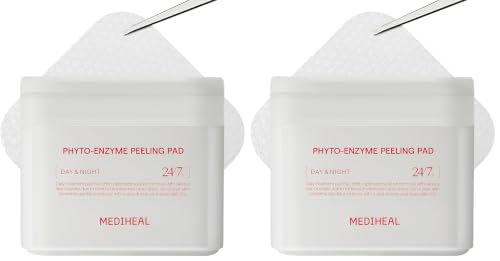
Where to Buy Elemis Dynamic Resurfacing Pads and Similar Options on Amazon

The Short Version
- The pads combine lactic acid with fruit enzymes for gentle surface exfoliation.
- They are designed to improve dull, rough and uneven-looking skin.
- They are not a strong blackhead treatment; salicylic acid is better for pores.
- Start two or three times a week and build up slowly.
- AHAs increase sun sensitivity, so wear sunscreen every day.
- Do not combine them with other strong exfoliants on the same night.
- Stop if you get burning, peeling or persistent redness.
Contents
- What Elemis Dynamic Resurfacing Facial Pads Are
- How Lactic Acid and Enzymes Work on Skin
- Do Elemis Dynamic Resurfacing Pads Remove Blackheads?
- Who These Pads Suit and Who Should Skip Them
- Pros and Cons
- How to Use Elemis Dynamic Resurfacing Pads Safely
- How Often Should You Exfoliate?
- Alternatives by Product Type
- Fitting the Pads Into Your Routine
- Dos and Don’ts
- Honest Limits
- When to See a Dermatologist
- Frequently Asked Questions
- Summing Up
What Elemis Dynamic Resurfacing Facial Pads Are
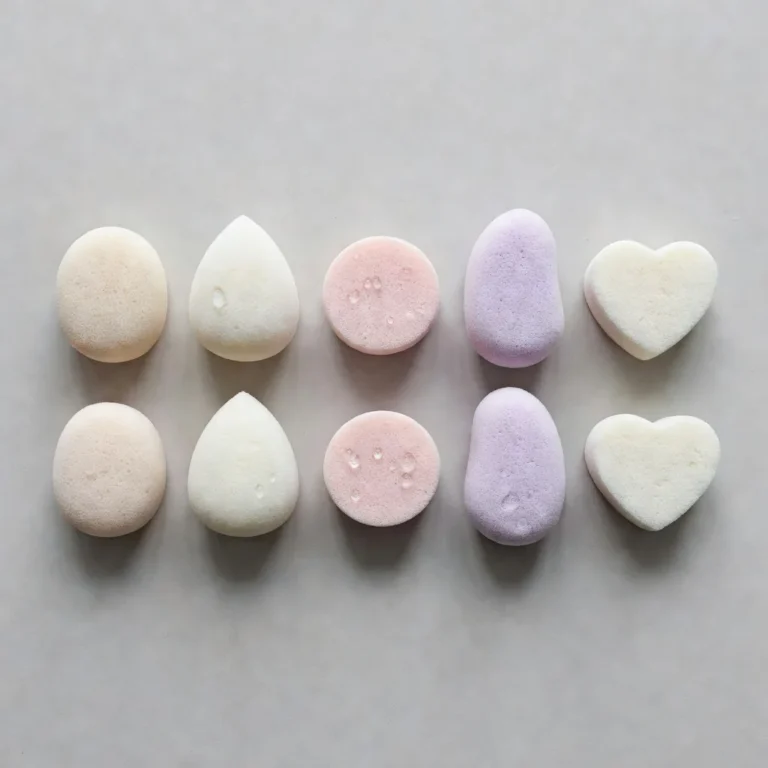
These are single-use cotton-style pads soaked in an exfoliating solution. You wipe one over cleansed skin, avoiding the eyes, and do not rinse. The pads have two textures: a smoother side and a slightly textured side, which gives a choice between a gentler wipe and a slightly more polishing one.
The active part of the formula is a combination of lactic acid and fruit-derived enzymes, which the brand describes as tri-enzyme technology. Both work by loosening the bonds between dead cells on the surface of the skin so they shed more easily. The result, over time, is usually smoother-feeling, brighter-looking skin.
Leave-on pads are convenient because they are pre-measured and quick to use. The trade-off is that the exfoliating solution stays on the skin, so the pads can be more irritating than a rinse-off product for some people.
Ingredient lists can change over time and may differ by region. Read the full list on the exact listing or box you buy, especially if you have known allergies or sensitive skin.
How Lactic Acid and Enzymes Work on Skin
Lactic acid is one of the most widely used alpha hydroxy acids. It has a larger molecule than glycolic acid, which is one reason it is often considered gentler, and it also has hydrating properties. Fruit enzymes, such as those from papaya or pineapple, digest surface proteins and add a mild extra exfoliating effect.
The US Food and Drug Administration’s page on alpha hydroxy acids explains that AHAs are used to exfoliate and smooth skin, but that they can increase sensitivity to the sun. It advises using sun protection while using AHA products and for a week afterwards.
| Exfoliant type | Works best on | Notes |
|---|---|---|
| Lactic acid (AHA) | Dullness, rough texture, dryness | Gentle, water-soluble, surface-level |
| Glycolic acid (AHA) | Texture, uneven tone | Stronger, more likely to sting |
| Salicylic acid (BHA) | Blackheads, oily skin, clogged pores | Oil-soluble, gets into pores |
| Fruit enzymes | Mild surface smoothing | Very gentle, slower results |
| Physical scrubs | Immediate smoothness | Can cause micro-tears if harsh |
Do Elemis Dynamic Resurfacing Pads Remove Blackheads?
This is the question many buyers ask, and the honest answer is: not very well on their own. Blackheads form when oil and dead skin cells clog a pore and the top oxidises and darkens. To clear them, an ingredient needs to get into the oily pore lining. Lactic acid and enzymes are water-soluble and work mainly on the surface, so they can help reduce the build-up of dead cells around pores but are unlikely to clear established blackheads.
Salicylic acid is the ingredient dermatologists most often suggest for blackheads, because it is oil-soluble. The American Academy of Dermatology’s acne skin care tips also recommend gentle cleansing, avoiding scrubbing and not picking or squeezing, which can push debris deeper and cause marks.
It is also worth knowing that many dark dots on the nose are not blackheads at all but sebaceous filaments, which are normal and refill naturally. Our guide to sebaceous filaments vs blackheads explains how to tell them apart. No pad will remove sebaceous filaments permanently.
If blackheads are your main concern, a salicylic acid product used a few times a week, combined with a gentle cleanser and non-comedogenic moisturiser, is usually a better first step. For deeper cleansing ideas, see our guide on how to deep clean your pores.
Who These Pads Suit and Who Should Skip Them
| Skin type or concern | Good fit? | Notes |
|---|---|---|
| Dull, rough or uneven texture | Yes | The pads’ main purpose |
| Normal to dry skin | Usually | Lactic acid is relatively gentle |
| Oily skin with blackheads | Partly | Salicylic acid is better for pores |
| Sensitive or rosacea-prone skin | Caution | Patch test and use rarely |
| Eczema or broken skin | No | Exfoliants can worsen irritation |
| Using prescription retinoids | Only with advice | Risk of over-exfoliation |
If you have sensitive skin but still want some exfoliation, start slowly and use the smoother side of the pad. People with active eczema, rosacea flares or broken skin should skip exfoliating pads until the skin has healed and ideally check with a dermatologist first.
Pros and Cons
- Pro: pre-soaked pads make exfoliation quick and consistent.
- Pro: lactic acid is one of the gentler AHAs.
- Pro: can improve dullness and rough texture over time.
- Pro: dual-textured pad gives some flexibility.
- Con: not a targeted blackhead treatment.
- Con: leave-on formula can sting sensitive skin.
- Con: increases sun sensitivity, so sunscreen is essential.
- Con: individual pads create more waste than a liquid exfoliant.
Buyer feedback on AHA pads like these often mentions smoother, brighter skin, while complaints usually involve stinging, dryness with daily use and disappointment when blackheads remain. These are general themes rather than measured results.
Value is also worth thinking about in terms of how you use them. Because each pad is single use, frequent use empties a jar faster, while a twice-weekly routine makes one jar last much longer. Keep the lid tightly closed so the pads do not dry out between uses.
How to Use Elemis Dynamic Resurfacing Pads Safely
Chemical exfoliants work best when introduced slowly. These steps help reduce irritation.
Patch test first
Apply to a small area on the jaw or behind the ear for a few days before using on the whole face.
Cleanse and dry
Use a gentle cleanser and pat the skin completely dry.
Swipe once
Sweep one pad over the face and neck, avoiding the eyes, lips and any broken skin.
Do not rinse
Let the solution absorb for a minute or two.
Moisturise
Follow with a fragrance-free moisturiser to support the skin barrier.
Start slowly
Use two or three evenings a week at first, increasing only if your skin stays comfortable.
Wear sunscreen
Apply broad-spectrum sunscreen every morning.
Use the pads in the evening and keep other strong actives, such as retinoids, glycolic acid or scrubs, for different nights. Layering several exfoliants is one of the most common causes of irritated, over-exfoliated skin.
How Often Should You Exfoliate?
The American Academy of Dermatology’s guide on how to safely exfoliate at home recommends considering your skin type, choosing a gentle method and exfoliating less often if your skin is sensitive. It notes that over-exfoliating can cause red, irritated skin.
For most people, two to three times a week is a sensible starting point for an AHA pad. Some with resilient, oily skin may tolerate more frequent use, while sensitive skin may prefer once a week. Our guide on how often to exfoliate sensitive skin goes into more detail.
- Signs you are over-exfoliating: stinging with plain moisturiser, tightness, shiny or waxy-looking skin, flaking and new breakouts.
- If this happens, stop all exfoliants and use only a gentle cleanser, moisturiser and sunscreen until skin recovers.
Alternatives by Product Type
- Salicylic acid pads or liquids for blackheads and oily skin.
- Gentler lactic acid toners or serums for sensitive skin.
- Glycolic acid pads for more resilient skin wanting stronger resurfacing.
- Enzyme powders or masks for very gentle exfoliation.
- Combined AHA and BHA pads for mixed concerns such as texture and clogged pores.
Whichever type you choose, start slowly, use sunscreen every day and avoid combining several exfoliants at once.
Fitting the Pads Into Your Routine
Exfoliating pads belong in the treatment step of a routine, after cleansing and before serums and moisturiser. Because they are leave-on, anything you apply afterwards sits on freshly exfoliated skin, so keep the rest of the routine simple on pad nights: a plain hydrating serum if you like one, then a fragrance-free moisturiser.
A simple weekly plan helps avoid overlap. For example, you might use the pads on Monday and Thursday evenings, a retinoid on two other evenings if your dermatologist has recommended one, and keep the remaining nights for moisturiser only. This kind of rotation gives skin time to recover between actives.
- Morning: gentle cleanser, moisturiser, broad-spectrum sunscreen.
- Pad evenings: cleanse, pad, moisturiser.
- Other evenings: cleanse, moisturiser, and any prescribed treatment on its own night.
- Rest evenings: cleanse and moisturise only.
If you wear heavy sunscreen or makeup, cleanse thoroughly before using a pad, because the acid needs clean skin to work evenly. Double cleansing is optional, but make sure no residue is left before you swipe.
Dos and Don’ts
Do
- Patch test before first use
- Start two or three times a week
- Moisturise afterwards
- Wear sunscreen daily
- Choose salicylic acid for blackheads
Don’t
- Use on broken or sunburned skin
- Combine with other strong acids the same night
- Scrub hard with the textured side
- Pick or squeeze blackheads
- Ignore stinging that lasts
Honest Limits
This review is based on published product information and dermatology guidance, not on our own hands-on testing. Results depend on your skin type, how often you use the pads and what else is in your routine.
Exfoliating pads improve the surface of the skin gradually. They do not remove deep scars, treat moderate to severe acne or permanently shrink pores. They will not clear sebaceous filaments, and they are not a substitute for acne treatment when breakouts are persistent.
Stop using the pads if you get burning, blistering, swelling or a rash. AHAs increase sun sensitivity, so avoid sunbeds and use sunscreen every day while using them and for a week after stopping. Avoid use on broken, sunburned or freshly waxed skin.
When to See a Dermatologist
- Blackheads and breakouts do not improve after several weeks of gentle care.
- You have painful, deep or cystic spots.
- Your skin becomes persistently red, raw or flaky.
- You are pregnant, using prescription skin treatments or have a skin condition and are unsure what is safe.
This article is general information and does not replace medical advice. Product formulas can change, so check the current ingredient list and instructions. See a board-certified dermatologist for persistent acne, irritation or skin conditions.
Frequently Asked Questions
What acids are in Elemis Dynamic Resurfacing Pads?
The maker describes lactic acid combined with fruit enzymes.
Do the pads remove blackheads?
Not well on their own; salicylic acid is better for pores.
How often should I use them?
Start two or three times a week and build up slowly.
Should I rinse after using them?
No, they are designed to be left on.
Can I use them with retinol?
Use them on different nights, and ask a dermatologist if unsure.
Are they good for sensitive skin?
Possibly, with a patch test and infrequent use.
Do they make skin sensitive to the sun?
Yes, AHAs increase sun sensitivity.
Can I use them in the morning?
Evening use is simpler; always wear sunscreen by day.
Do they shrink pores?
They may make pores look smoother but cannot shrink them permanently.
What if they sting?
Mild tingling can be normal; stop if stinging lasts or burns.
Summing Up
Elemis Dynamic Resurfacing Facial Pads are a convenient, fairly gentle lactic acid and enzyme exfoliant that can help smooth rough texture and brighten dull skin.
For blackheads, pair or replace them with a salicylic acid product, introduce any exfoliant slowly and wear sunscreen every day.