Best Digital Skin Moisture Meter: How Accurate Are Home Skin Analysers?
A digital skin moisture meter promises to turn a vague feeling, such as tight or dry skin, into a number on a screen. For skincare fans, that is tempting: you could see whether a new moisturiser works or whether your skin really dries out in winter. The catch is that home meters are far less precise than the numbers suggest.
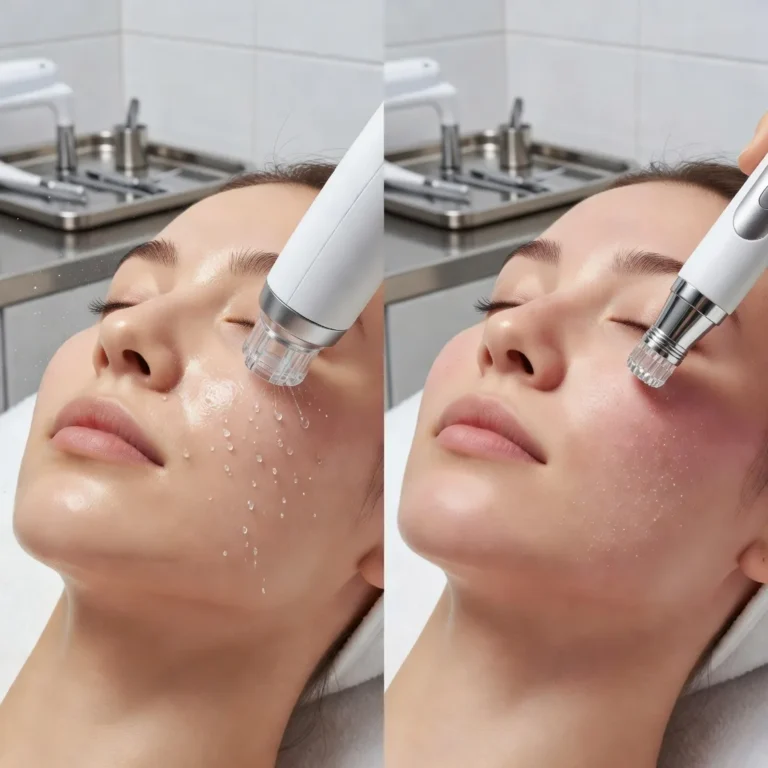
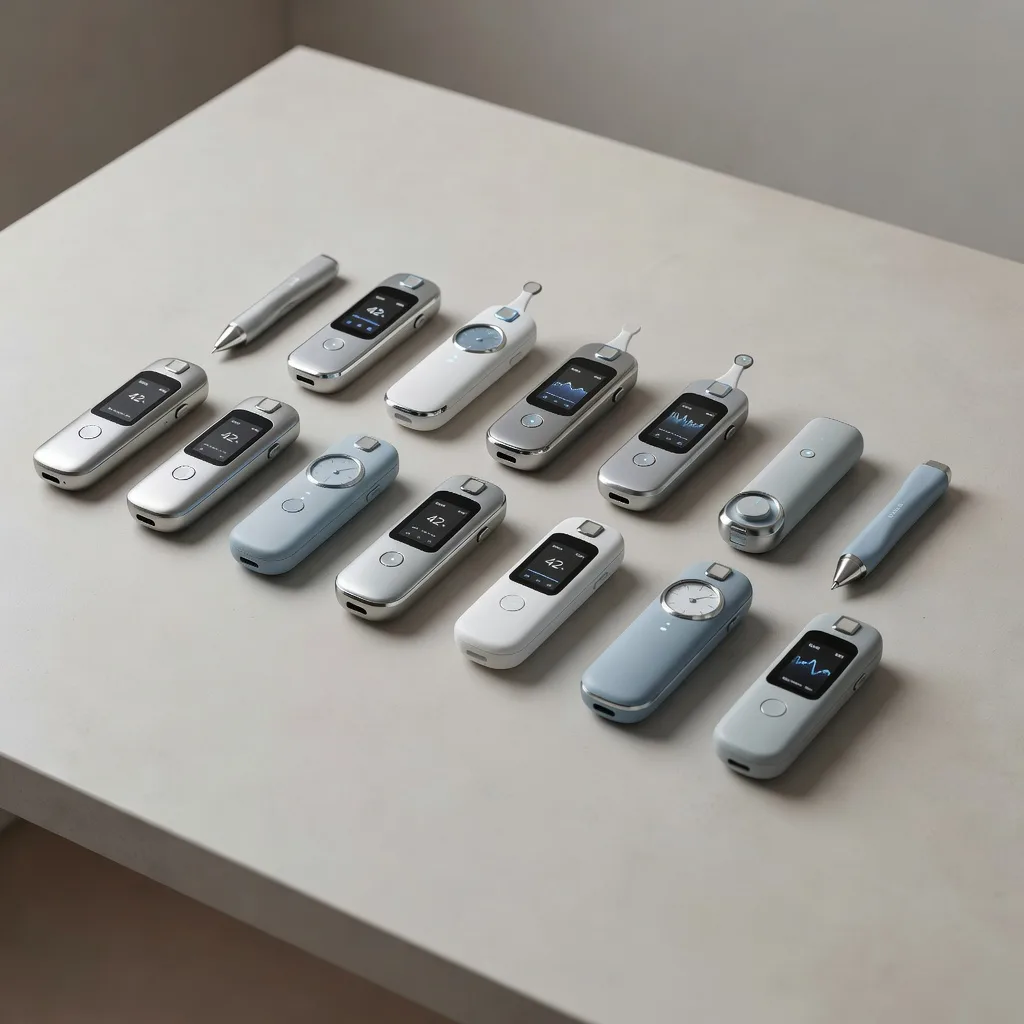
The best digital skin moisture meter for home use is a simple, handheld analyser pen with a clear display, a flat sensor that sits evenly on the skin and consistent readings when you test the same spot twice in a row. Most consumer meters estimate hydration from the electrical properties of the top layer of skin, so readings shift with room temperature, humidity, sweat, pressure and any product on your face. That makes them poor at telling you your exact moisture level, but reasonably useful for tracking trends if you always test the same area, at the same time, in the same way. Treat the number as a rough guide, not a diagnosis, and let how your skin looks and feels have the final say.
In short: a basic, consistent analyser pen is enough for tracking trends; no home meter gives a precise hydration measurement.
The American Academy of Dermatology’s dry skin advice focuses on habits such as short, warm showers, gentle fragrance-free cleansers and moisturising damp skin, and a meter can only help you notice whether those habits are working.
This buyer’s guide explains how skin moisture meters work, compares analyser types, shows how to take consistent readings and sets out their accuracy limits honestly.
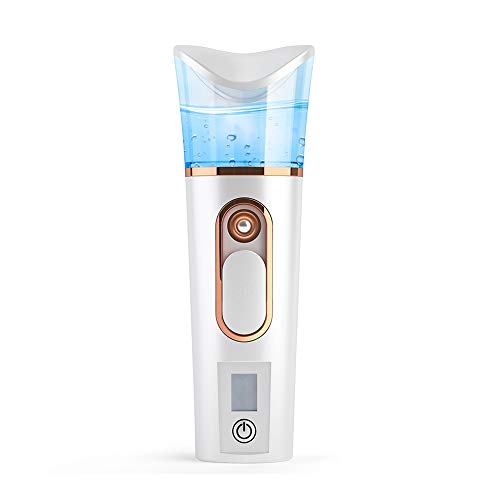
Recommended Digital Skin Moisture Meters on Amazon


What to Know First
- Home meters estimate surface hydration from electrical signals, not true water content.
- Readings change with temperature, humidity, pressure and products on skin.
- Numbers are not comparable between different brands or devices.
- Consistency of method matters more than the device itself.
- Meters are best for tracking your own trends over weeks.
- Oil and elasticity readings on multi-function pens are rough estimates.
- How your skin looks and feels is still the best everyday guide.
In This Guide
- How Digital Skin Moisture Meters Work
- Types of Skin Moisture Meter Compared
- How Accurate Are Home Skin Moisture Meters?
- Features to Look For When Buying
- Who Might Find a Moisture Meter Useful?
- How to Get Consistent Readings From a Skin Moisture Meter
- How to Read and Use the Results
- Dry vs Dehydrated Skin: What a Meter Can Tell You
- What Actually Improves Skin Hydration
- Dos and Don’ts
- Honest Limits
- When to See a Dermatologist
- Frequently Asked Questions
- The Bottom Line
How Digital Skin Moisture Meters Work
Most home moisture meters use a small metal sensor that passes a tiny, harmless electrical signal through the outermost layer of skin. Water conducts electricity differently from dry skin, so the device converts that signal into a hydration score, usually shown as a percentage.
Professional instruments used in skin research work on similar principles but are carefully calibrated and used under controlled room conditions. Consumer pens are much simpler. They measure only the very top layer, take a single quick reading and rely on the manufacturer’s own formula to produce a number. That number is not a true percentage of water in your skin; it is an estimate on a scale the brand has chosen.
Some analysers also display oil and elasticity scores. These are usually calculated from the same electrical reading rather than measured separately, so treat them with even more caution than the moisture number.
Types of Skin Moisture Meter Compared
Home skin analysers come in a few main forms. This table compares them so you can decide how much device you actually need.
| Type | What it shows | Best for | Limitations |
|---|---|---|---|
| Basic moisture pen | Single hydration score | Simple trend tracking | No context or history |
| Moisture and oil pen | Hydration plus an oil estimate | Curious users with combination skin | Oil score is a rough estimate |
| Multi-function analyser | Moisture, oil, elasticity or softness | Extra data for skincare enthusiasts | More numbers, not more accuracy |
| App-connected analyser | Readings saved to a phone app | Tracking trends over weeks | App quality and privacy vary |
| Camera-based skin scanner | Images of pores and texture | Visual checks of surface texture | Does not measure hydration directly |
For most people, a basic pen is enough. App-connected devices are handy if you want a chart over time, but check what personal data the app collects before creating an account.
How Accurate Are Home Skin Moisture Meters?
Accuracy is the biggest question, and the honest answer is that home meters are imprecise. The same device can give noticeably different numbers on the same cheek a few minutes apart, and two different devices can disagree completely.
| Factor | Effect on reading | How to reduce it |
|---|---|---|
| Room temperature and humidity | Warm, humid air raises scores | Test in the same room at the same time |
| Recent washing or products | Water, serums and creams raise scores sharply | Wait at least 20 to 30 minutes after skincare |
| Sweat and exercise | Temporarily raises scores | Test when you are cool and rested |
| Pressure on the sensor | Harder pressure can change results | Press lightly and evenly |
| Test spot | Cheeks, forehead and nose differ | Always use the same marked area |
| Battery level | Low battery can cause erratic readings | Replace or charge regularly |
Because of these factors, a single reading tells you very little. A series of readings taken the same way over days and weeks can show a meaningful trend, such as skin becoming drier in winter or more comfortable after changing cleanser.
Features to Look For When Buying
Since no home meter is truly precise, choose one that makes consistent testing easy rather than one with the most impressive list of functions.
- A flat, clean sensor that sits evenly on the skin.
- A clear, easy-to-read display that works in normal light.
- Repeatable results when you test the same spot twice in a row.
- A simple interface with one button and no confusing modes.
- Replaceable batteries or reliable charging.
- Optional memory or app history if you want to track trends.
- Clear instructions on when and how to test.
Be wary of devices that promise to diagnose skin type, age or conditions from a single reading. That is beyond what a small electrical sensor can do, and such claims are a sign of overstated marketing.
Who Might Find a Moisture Meter Useful?
A moisture meter is a nice-to-have tool rather than a skincare essential. It suits some people and routines far better than others.
- Skincare enthusiasts who enjoy data and like testing one product change at a time.
- People who notice seasonal dryness and want to see how much indoor heating or cold weather affects them.
- Anyone comparing two moisturisers over several weeks under the same conditions.
- Beauty professionals who want a talking point with clients, as long as they explain its limits.
- Travellers curious about how a change of climate affects their skin.
It is less useful if you want a quick answer about your skin type, if you are managing a medical skin condition or if numbers tend to make you anxious. In those cases, a simple diary of how your skin looks and feels, or a visit to a dermatologist, will tell you more. Some people also find that tracking every reading leads to over-treating their skin with extra layers, which can cause congestion or irritation rather than better hydration.
How to Get Consistent Readings From a Skin Moisture Meter
A careful routine turns a rough gadget into a useful trend tracker. Follow the same steps every time.
Pick a fixed time
Test at the same time each day, for example 30 minutes after your morning cleanse.
Wait after skincare
Leave at least 20 to 30 minutes after washing or applying products.
Use the same room
Test in the same place so temperature and humidity stay similar.
Choose one or two spots
Mark a spot on the cheek and one on the forehead and always use them.
Press lightly and evenly
Hold the sensor flat against the skin with gentle pressure until it beeps.
Take three readings
Test each spot three times and note the middle value.
Log and compare trends
Write down the result and look at changes over weeks, not day to day.
Test your meter on the inside of your forearm several times in a row before trusting it. If the readings jump around a lot on the same spot within a minute, the device is unlikely to be useful for tracking.
How to Read and Use the Results
Most meters show a colour or label, such as dry, normal or hydrated, alongside the number. These bands are set by each brand and are not medical categories.
- Use your own average as the baseline, not the device’s normal range.
- Look for sustained changes over one to two weeks.
- Compare before and after a routine change, keeping everything else the same.
- Expect lower scores in cold, dry weather and with indoor heating.
- Do not chase a higher number by piling on products; comfortable skin matters more.
If your readings fall steadily in winter, our guide to facial dryness from indoor heating explains why and what helps.
Dry vs Dehydrated Skin: What a Meter Can Tell You
Dry skin usually means skin that makes little oil and has a weaker barrier, while dehydrated skin lacks water and can happen to any skin type, including oily skin. A moisture meter only estimates surface water, so it may hint at dehydration but cannot tell you your skin type or diagnose a condition.
Signs such as tightness after cleansing, flaking, fine crinkly lines that soften with moisturiser and makeup clinging to patches are often better clues than any number. Our article on the effects of dehydration on skin covers these changes in more depth.
What Actually Improves Skin Hydration
A meter does not hydrate your skin; your routine does. The AAD’s tips for relieving dry skin include keeping showers short and warm, using gentle fragrance-free cleansers, applying moisturiser while skin is still damp, choosing creams or ointments over thin lotions and using a humidifier.
Ingredients such as glycerin and hyaluronic acid draw water into the skin, and richer creams help hold it there. If your skin feels raw or stings, the barrier may be damaged, and our guide on how to repair your moisture barrier lists simple steps.
Do not use a skin moisture meter on broken, burnt or infected skin, on open wounds or near the eyes. People with a pacemaker or other implanted electronic device should check with their doctor before using any device that passes a current through the skin, even a very small one.
Dos and Don’ts
Do
- Test at the same time and place
- Wait after cleansing and skincare
- Take several readings and use the middle one
- Track trends over weeks
- Trust how your skin feels as well
Don’t
- Compare numbers between devices
- Test straight after washing or moisturising
- Treat oil or elasticity scores as precise
- Chase a higher number with more products
- Use the meter to self-diagnose a skin condition
Honest Limits
Home skin moisture meters are interesting gadgets, but they are not precise instruments. They estimate the water content of the outermost layer of skin under whatever conditions you test in, and many everyday factors can move the number more than a change in your routine would. Scores are not standardised, so a reading of 40 on one device may match 55 on another.
Independent testing of consumer devices is limited, and claims about accuracy usually come from manufacturers. Used carefully, a meter can support a routine by showing broad trends. It cannot tell you your skin type, diagnose eczema or other conditions, or replace a dermatologist’s examination.
When to See a Dermatologist
- Your skin stays dry, cracked or itchy despite regular moisturising.
- You have red, scaly or weeping patches that may be eczema or psoriasis.
- Dryness comes with bleeding, infection or sleep-disturbing itch.
- You notice sudden skin changes along with other symptoms such as tiredness or weight change.
This article is for general information and does not replace professional medical advice. Home skin analysers are not diagnostic tools. See a board-certified dermatologist for persistent dryness or any skin condition that worries you.
Frequently Asked Questions
Are digital skin moisture meters accurate?
They are imprecise but useful for trends if you test consistently.
How does a skin moisture meter work?
It estimates surface hydration from the skin’s electrical properties.
What is a normal skin moisture reading?
It depends on the device; use your own average as a baseline.
When is the best time to test skin moisture?
At a fixed time, at least 20 to 30 minutes after skincare.
Why do my readings change so much?
Temperature, humidity, pressure, sweat and products all affect them.
Can I compare readings between two meters?
No, brands use different scales.
Are oil and elasticity readings reliable?
They are rough estimates at best.
Can a meter tell my skin type?
Not reliably; look at how your skin behaves over the day.
Is a skin analyser safe?
Yes for most people; check with a doctor if you have an implanted device.
Do I need a skin moisture meter?
No, but it can be a fun way to track routine changes.
The Bottom Line
The best digital skin moisture meter is a simple, consistent analyser pen with a flat sensor and clear display, used the same way every time to follow trends rather than chase exact numbers.
Pair it with proven dry skin habits, trust how your skin looks and feels, and see a dermatologist for dryness or irritation that does not improve.