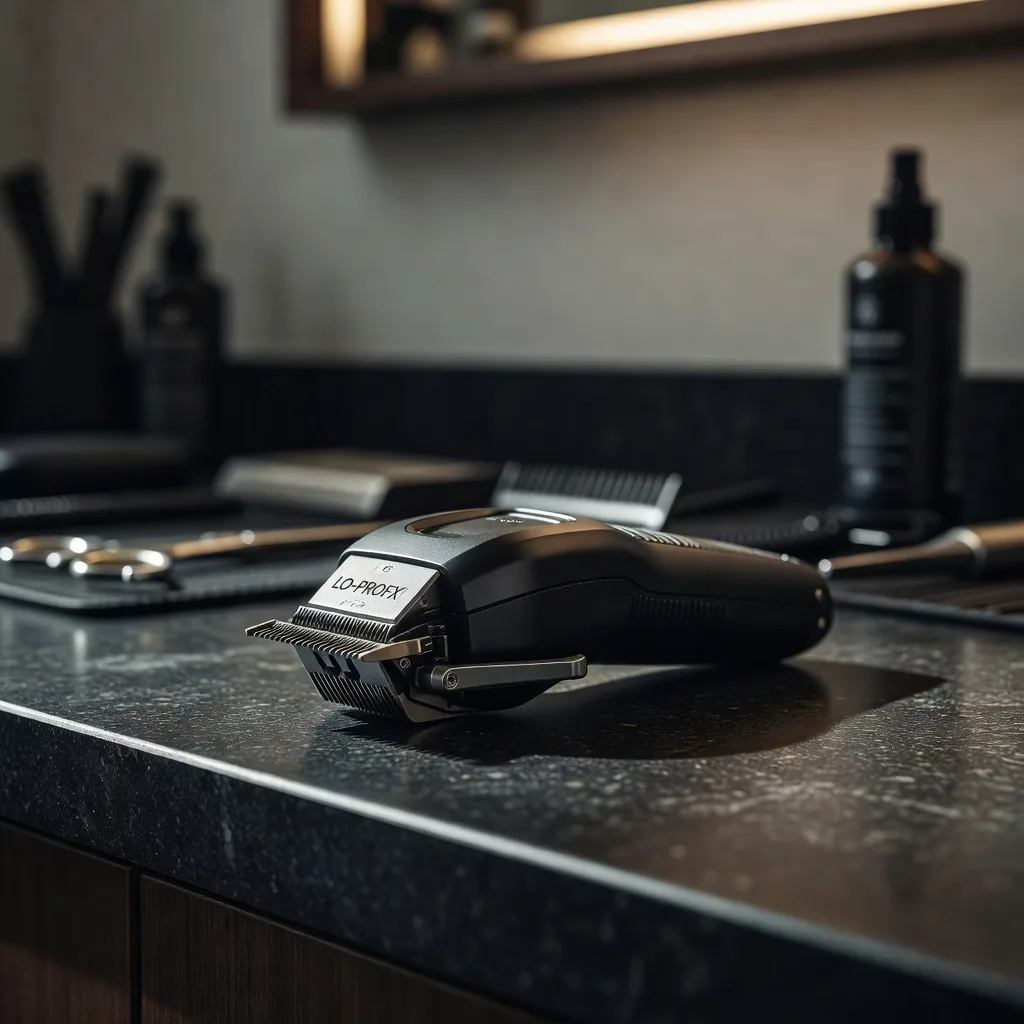
BaBylissPRO High Performance Lo-ProFX Compact Clipper Review
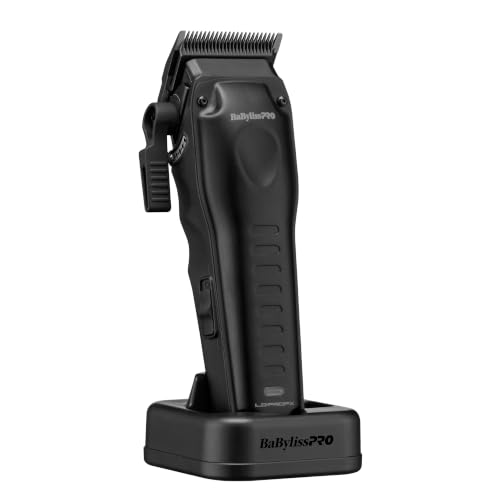
The BaBylissPRO Lo-ProFX clipper is part of the brand’s low-profile range of barber tools. As the name suggests, its standout feature is a slim, low-profile blade and body, designed to cut closer and give more control than a traditional bulky clipper, especially when blending fades and working around the ears.
The Lo-ProFX compact clipper is a good choice if you want a light, easy-to-control cordless clipper for fades, tapers and short haircuts, at home or in a shop. It is widely listed with a low-profile blade that cuts close, a high-performance motor, cordless use on a lithium-ion battery and a set of attachment guards. It is less ideal if you mainly cut long, thick hair in bulk, where a heavier clipper with a larger motor may cope better, and its close-cutting blade needs a careful hand on the neck and around the ears.
In short: a nimble, close-cutting clipper best for short styles and blending.
The American Academy of Dermatology’s shaving advice to work with the direction of hair growth and keep tools clean also helps reduce clipper irritation on the neck.
This review covers the Lo-ProFX clipper’s widely published features, who it suits, pros and cons, a simple taper method, blade care and alternatives. It is based on published information and general grooming guidance rather than our own hands-on testing, so check the current listing for exact specifications and what comes in the box.
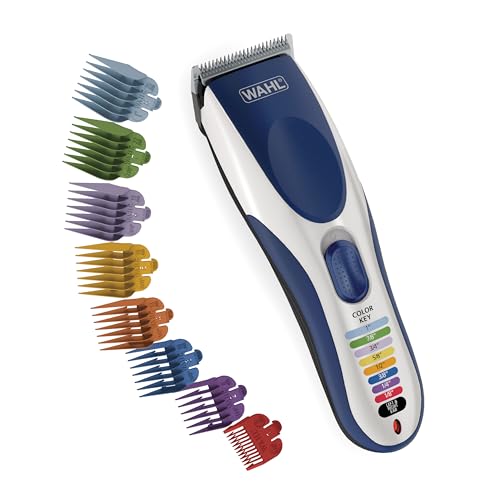
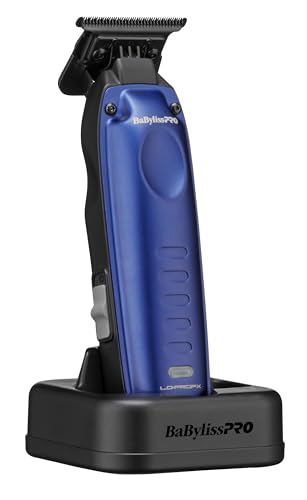
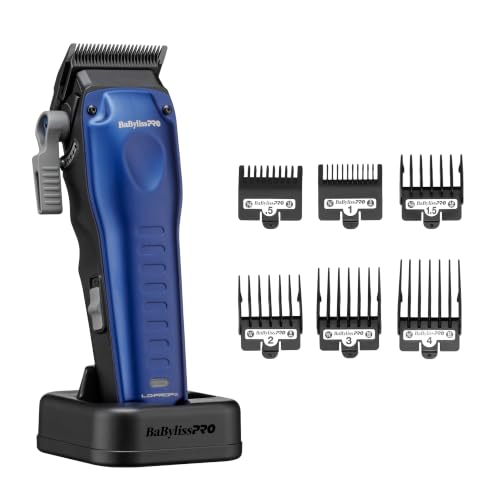
Where to Buy the BaBylissPRO Lo-ProFX Clipper and Similar Options on Amazon



Quick Answer
- The Lo-ProFX is a low-profile clipper designed for close cutting and control.
- It is widely listed as cordless with a lithium-ion battery.
- It comes with attachment guards for different lengths.
- It suits fades, tapers and short cuts better than bulk removal on long hair.
- The close blade needs care on the neck and around the ears.
- Blade oil and regular cleaning keep it cutting smoothly.
- Check the model code, because BaBylissPRO sells several Lo-ProFX tools.
What This Covers
- What Low-Profile Means on a Clipper
- Key Features
- Who the Lo-ProFX Clipper Suits
- Pros and Cons
- How to Do a Simple Taper With the Lo-ProFX Clipper
- Blade Care and Cleaning
- Low-Profile Clipper vs Other Clipper Types
- Alternatives to Consider
- Avoiding Neck Irritation and Bumps
- Dos and Don’ts
- Honest Limits
- When to See a Dermatologist
- Common Questions
- The Bottom Line
What Low-Profile Means on a Clipper
Traditional clippers have a thick blade and a tall body. A low-profile clipper uses a thinner blade set and a slimmer housing, so the cutting edge sits closer to the scalp. That lets it cut shorter without guards and makes it easier to see exactly where you are cutting, which is why many barbers use low-profile clippers for fades, skin blends and detailing around the ears.
The Lo-ProFX range includes a clipper and a trimmer that share the same low-profile idea. The clipper has the wider blade for general cutting and fading, while the trimmer is designed for outlining and detail.
The Lo-ProFX name appears on several BaBylissPRO tools. Make sure the listing describes a clipper rather than a trimmer, and check the model code, colour and included guards before buying.
Key Features
The table lists features that are widely published for the Lo-ProFX clipper. We have avoided specific motor-speed and runtime figures because they are not stated the same way on every listing.
| Feature | What is commonly listed |
|---|---|
| Design | Low-profile blade and slim body |
| Motor | High-performance motor |
| Power | Cordless, rechargeable |
| Battery | Lithium-ion |
| Blade | Close-cutting blade, adjustable on many versions |
| Accessories | Attachment guards, blade oil, charger |
| Use | Fades, tapers, short cuts and blending |
The low profile is the main reason to buy it. A slim blade makes it easier to flick out at the end of a stroke, which is the basic motion behind a smooth fade. It also gives a clearer view of the hair line as you cut, so you are less likely to take off more than you meant to.
Cordless use is now standard on most barber clippers, but it matters more with a fade clipper because you will be changing angles constantly. A lighter tool with no cord to drag is easier to control for long sessions.
Weight and balance deserve attention too. A clipper that feels slightly front-heavy can tire the wrist, while a well-balanced one lets you hold it lightly, which in turn helps you avoid pressing the blade into the skin. If you can, read buyer comments about grip and heat, since these everyday details affect comfort more than a headline motor figure.
Who the Lo-ProFX Clipper Suits
| User | Good fit? | Why |
|---|---|---|
| Barbers doing fades and tapers | Yes | Low profile makes blending easier |
| Home users cutting short styles | Yes | Light and easy to control |
| Beginners | Yes, with guards | Start long and work shorter |
| Very thick, long hair | Partly | Bulk removal can be slow |
| Beard shaping and lines | Partly | A trimmer is better for sharp edges |
| Sensitive neck skin | With care | Close blade can irritate |
If you are choosing your first clipper for home haircuts, our guide to the best electric hair clippers explains which features matter most for beginners, and our round-up of professional hair clippers compares shop-grade options.
A useful rule is to match the clipper to the haircuts you actually do. If most cuts in your home are short back and sides, a low-profile clipper is a natural fit. If you regularly cut long, thick hair down to short styles, you may want a larger clipper for the first bulk pass and keep the Lo-ProFX for blending and finishing.
Pros and Cons
- Pro: low-profile blade cuts close and gives a clear view of the line.
- Pro: slim, light body is easy to control during fades.
- Pro: cordless design suits frequent angle changes.
- Pro: comes with guards for different lengths.
- Con: can be slower than a heavier clipper on long, dense hair.
- Con: close blade can scratch or irritate the neck if used carelessly.
- Con: blade needs regular oiling and occasional alignment checks.
- Con: guards on some low-profile clippers feel less secure than on larger clippers, so check they click firmly in place.
Buyer feedback on low-profile clippers of this style commonly praises their handling and closeness, while complaints tend to focus on bulk cutting speed, guard fit and battery ageing over time. These are general themes rather than measured results.
Guard fit is worth checking as soon as the clipper arrives. Push each guard on firmly and give it a gentle tug; a guard that slips during a cut can leave a short patch that takes weeks to grow out. If any guard feels loose, contact the seller rather than risking it.
How to Do a Simple Taper With the Lo-ProFX Clipper
A basic taper keeps the top longer and gradually shortens the sides and back. Start longer than you think you need; you can always go shorter.
Prepare the hair
Wash and fully dry the hair, then comb it flat in the direction it grows.
Set the base length
Use a longer guard on the sides and back to create an even starting length.
Choose the taper line
Pick a guide line around the temple and above the ears where the shorter section will start.
Go one guard shorter
Cut below the guide line with a shorter guard, flicking the clipper outwards at the end of each stroke.
Blend the step
Use the in-between guard or open the blade slightly to soften any visible line.
Finish the edges
Clean the neckline and around the ears with the blade carefully, stretching the skin.
Check and tidy
Look from several angles with a hand mirror and even out any patches.
Work in good, even light and stop often to check both sides. Most home haircut mistakes come from cutting one side much further than the other before comparing them.
Blade Care and Cleaning
- Brush out cut hair after every use.
- Oil the blade regularly, running the clipper briefly to spread the oil.
- Disinfect blades and guards with a clipper spray, especially between different people.
- Check blade alignment after cleaning or dropping the clipper.
- Wash plastic guards in warm soapy water and let them dry fully.
- Store the clipper dry and charge it as the maker recommends.
Never use a clipper with a chipped, misaligned or damaged blade. A moving blade set past the fixed blade can cut the skin. If you adjust blade gap yourself, follow the maker’s instructions or ask a barber for help.
A well-oiled blade runs cooler and quieter. If the clipper starts pulling hair, feels hot quickly or sounds rough, cleaning and oiling usually help; if not, the blade may need replacing.
Low-Profile Clipper vs Other Clipper Types
This comparison is by design type, not by specific model, to help you decide which style suits your haircuts.
| Clipper type | Best for | Trade-off |
|---|---|---|
| Low-profile clipper | Fades, tapers, short styles | Slower on bulk |
| Standard full-size clipper | All-round cuts, thick hair | Heavier, less visibility |
| Magnetic or pivot-motor clipper | Heavy bulk removal | Often corded and heavier |
| Compact trimmer | Edges and detail | Narrow blade, not for full cuts |
| Adjustable-length home clipper | Beginners, family cuts | Less precise for skin fades |
Many barbers own more than one type. A common setup is a full-size clipper for bulk, a low-profile clipper for blending, a trimmer for edges and a foil shaver for skin-level finishing. For home use, one good clipper with a full set of guards plus a small trimmer covers most needs, and the Lo-ProFX can serve as that main clipper if your haircuts are mostly short.
Alternatives to Consider
- Other professional cordless fade clippers with slim blades.
- Full-size barber clippers for thick or long hair.
- Home clippers with many guards and simple controls for beginners.
- A matching low-profile trimmer for line-ups and detail.
- Cordless trimmers for quick touch-ups between haircuts.
If you want a smaller tool for edges and touch-ups, our guide to the best cordless hair trimmers is a useful next step.
Avoiding Neck Irritation and Bumps
Close clipping can irritate the neck and cause ingrown hairs, especially on coarse or curly hair. The American Academy of Dermatology’s guide on how to shave recommends working in the direction of hair growth and keeping tools clean and dry, and those habits help with clippers too.
- Avoid running the bare blade repeatedly over the same area.
- Use a guard on the neck if you are prone to bumps.
- Keep the blade clean and oiled so it cuts rather than pulls.
- Apply a gentle, fragrance-free moisturiser afterwards.
Scalp skin varies as much as facial skin. If the back of your neck often gets red, itchy bumps after a haircut, that is a sign to leave slightly more length there, clean the blade more often and avoid pressing the bare blade against the skin. Persistent bumps may need a dermatologist’s advice rather than a different clipper.
Dos and Don’ts
Helps
- Start with a longer guard
- Flick out at the end of strokes
- Oil and clean the blade
- Check both sides often
- Use a guard on sensitive necks
Backfires
- Rush the taper line
- Use a damaged blade
- Share an uncleaned clipper
- Cut over spots or broken skin
- Expect it to remove long bulk quickly
Honest Limits
This review is based on widely published product details and general grooming guidance, not our own hands-on testing. Runtime, cutting power and comfort vary with the version, the hair type and how well the clipper is maintained.
A good clipper does not replace skill. A clean fade takes practice, and many people find their first home haircuts look uneven regardless of the tool. It is also worth remembering that close clipping can trigger bumps on prone skin, and no blade design can prevent that entirely.
Finally, listings for professional clippers sometimes bundle different chargers, guard sets or finishes under one name. Read the box contents on the specific listing and keep your receipt until you have checked everything works.
When to See a Dermatologist
- Painful bumps appear on the neck after most haircuts.
- Redness or itching lasts several days.
- Cuts or scratches become swollen or infected.
- You notice patchy hair loss or scalp scaling.
This article is general information and not medical advice. Product details and accessories can change, so check the current listing before buying. See a board-certified dermatologist for persistent scalp or skin problems.
Common Questions
What does Lo-ProFX mean?
It refers to the low-profile blade and slim design.
Is the Lo-ProFX clipper cordless?
Yes, it is listed as cordless with a lithium-ion battery.
Is it good for fades?
Yes, low-profile clippers are popular for fades and tapers.
Can beginners use it?
Yes, if they start with longer guards.
Does it come with guards?
It is listed with attachment guards; check the box contents.
Is it good for thick hair?
It can cut it, but bulk removal may be slower.
Can it line up a beard?
A trimmer is better for sharp edges.
How often should I oil the blade?
Regularly, especially after cleaning.
Can clippers cause bumps?
Yes, close clipping can cause ingrown hairs.
Is it the same as the Lo-ProFX trimmer?
No, the trimmer is a separate detail tool.
The Bottom Line
The BaBylissPRO Lo-ProFX compact clipper is a light, low-profile cordless clipper that makes fades, tapers and short cuts easier to control.
Start with longer guards, keep the blade clean and oiled, and pair it with a trimmer for edges if you want a complete home or barbershop setup.