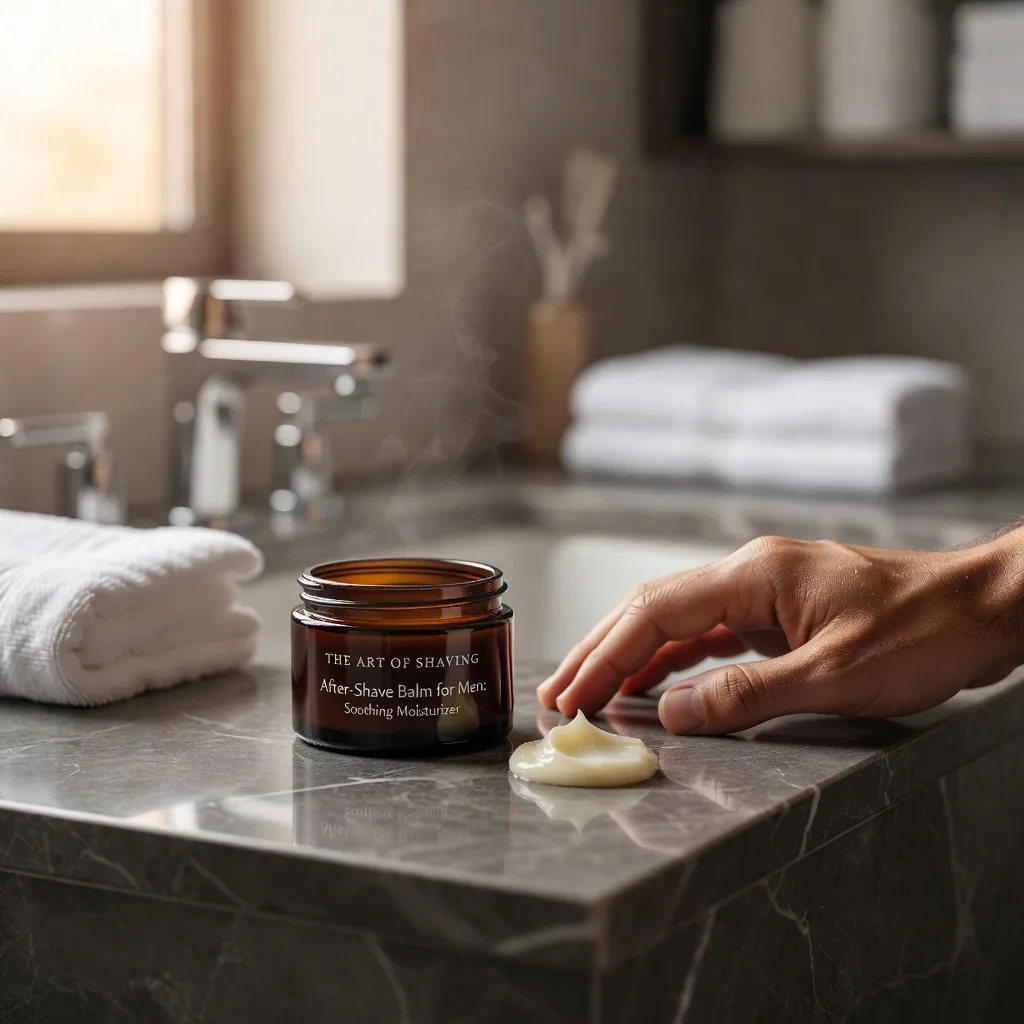
The Art of Shaving After-Shave Balm for Men Review: Soothing and Moisturising?
The Art of Shaving After-Shave Balm is one of the best-known shaving balms for men, sold in several scents and an unscented version. It is positioned as the final step of the brand’s shaving routine, after pre-shave oil, shaving cream and the shave itself, and it promises to soothe and moisturise freshly shaved skin.
Part of our guide to men's grooming tools. Start with: 10 Best Safety Razors (2026): Closer, Calmer Shaves for Every Level
The Art of Shaving After-Shave Balm is a good option if you want a light, moisturising balm to calm skin after shaving, and the unscented version is the safer pick for sensitive or reactive skin. Listings commonly describe the balms as alcohol-free, which matters because alcohol-heavy aftershaves can sting and dry freshly shaved skin. The scented versions, such as sandalwood, lavender and lemon, contain fragrance or essential oils, which some people find irritating. A balm can make skin feel more comfortable, but it cannot fix poor shaving technique, prevent all razor bumps or treat a skin condition.
In short: a pleasant, soothing balm, with the unscented version the best choice for sensitive skin.
The US Food and Drug Administration notes that some people are allergic or sensitive to fragrance ingredients even when those ingredients are safe for most people, and suggests fragrance-free products for those who react.
This review covers what the balm is, the scent options, who it suits and who should skip it, how to apply it, honest limits and alternatives. It is based on published product information and general dermatology guidance rather than our own hands-on testing.
Shopping these picks?
Amazon Prime members get fast, free shipping on eligible items, plus Prime Video, Amazon Music and member deals. New members can start with a free trial.
Start a free Prime trialAged 18 to 24? Prime for Young Adults comes with a longer free trial and a lower price after it.
Affiliate link: we may earn a commission at no extra cost to you.
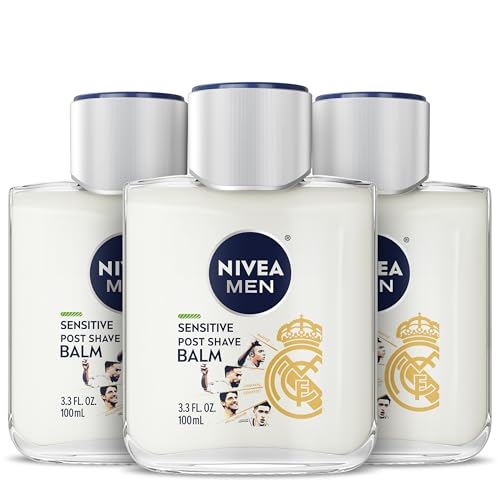
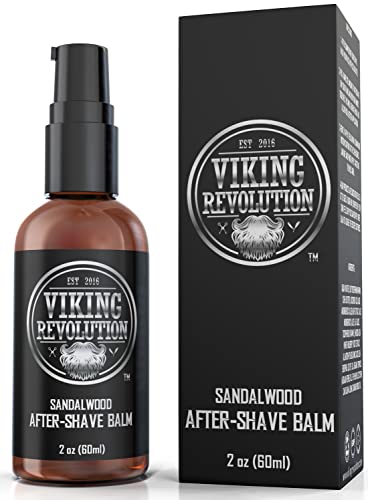
Where to Buy The Art of Shaving After-Shave Balm and Similar Options on Amazon



At a Glance
- The balm is designed to soothe and moisturise skin after shaving.
- It is commonly listed as alcohol-free, which helps reduce stinging.
- It comes in several scents plus an unscented version.
- The unscented version is the safer choice for sensitive skin.
- Fragrance and essential oils can irritate some people.
- A balm supports comfort but does not replace good shaving technique.
- Always check the ingredient list for your chosen scent.
Contents
- What The Art of Shaving After-Shave Balm Is
- Scented vs Unscented: Which Version to Choose
- Is It Really Soothing and Moisturising?
- Who It Suits and Who Should Skip It
- Pros and Cons
- How to Apply After-Shave Balm for Calm, Comfortable Skin
- Where the Balm Fits in a Shaving Routine
- Alternatives by Product Type
- Dos and Don’ts
- Honest Limits
- Shaving Tips From Dermatologists
- When to See a Dermatologist
- Questions People Ask
- Where This Leaves You
What The Art of Shaving After-Shave Balm Is
An after-shave balm is a light, lotion-like moisturiser made for freshly shaved skin. Shaving removes a thin layer of surface cells along with the hair, and it can leave skin feeling tight, warm or slightly raw. A balm adds moisture and a soft film that helps the skin feel calmer.
This is different from a traditional aftershave splash, which is usually a thin, fragranced liquid that often contains a lot of alcohol. Splashes feel cooling and smell strong, but alcohol can sting small nicks and dry the skin. Balms are generally the gentler option, which is why many dermatology-minded shaving routines recommend them.
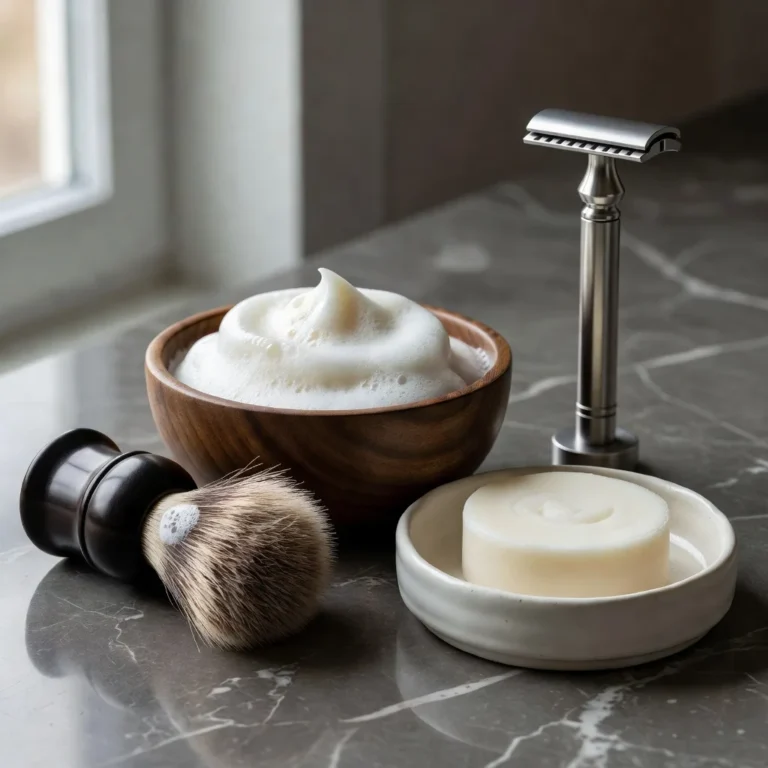
The Art of Shaving sells its balm as part of a four-step routine, but you do not need the other products to use it. It works after any shave, whether with a cartridge razor, safety razor or electric shaver.
Formulas can differ between scents and can change over time. Read the ingredient list on the exact listing you are buying rather than assuming all versions are the same.
Scented vs Unscented: Which Version to Choose
The balm is best known for its scent range. The table below compares the common versions by type, not by exact formula.
| Version | Typical character | Best for |
|---|---|---|
| Unscented | No added fragrance | Sensitive or reactive skin |
| Sandalwood | Warm, woody scent | People who like a classic scent and rarely react |
| Lavender | Soft, herbal scent | People who like a calming, floral note |
| Lemon | Fresh, citrus scent | Oilier skin or warm weather preferences |
If you have ever had a rash, itching or stinging from a scented skin product, choose the unscented balm. Fragrance is one of the most common causes of cosmetic skin allergy, and freshly shaved skin is more easily irritated than usual. Citrus and some essential oils can also make skin more reactive in some people.
If you enjoy scent and have never had a reaction, a scented version may be perfectly fine. Just introduce it slowly and watch for redness or itching over the first week. Our guide to facial skin sensitivity to fragrance explains the signs to look for.
A simple patch test is to apply a small amount behind the ear or on the inner arm for several days before using it on the face.
Is It Really Soothing and Moisturising?
A balm soothes mainly by adding moisture and a light protective layer to skin that has just been scraped by a blade. Common balm ingredients such as humectants, which draw water into the skin, and emollients, which soften it, help reduce the tight, dry feeling after shaving. Listings for this balm commonly mention moisturising, non-greasy use and an alcohol-free formula.
What a balm cannot do is reverse irritation caused by a dull blade, heavy pressure or shaving against the grain. If your skin burns badly after every shave, the answer is usually to change your technique or tools first, then use a gentle balm to support recovery.
Moisturising strength is moderate rather than rich. People with very dry skin may still want to follow up with a regular fragrance-free moisturiser, especially in cold or dry weather, while people with oily skin often find a balm alone is enough.
Who It Suits and Who Should Skip It
| Skin or situation | Good fit? | Notes |
|---|---|---|
| Normal skin, daily shaving | Yes | Any version, depending on scent preference |
| Sensitive or reactive skin | Unscented only | Patch test first |
| Known fragrance allergy | Unscented only, with caution | Check every ingredient |
| Very dry skin | Partly | May need an extra moisturiser |
| Frequent razor bumps | Partly | Balm helps comfort, not the cause |
| Broken or infected skin | No | Let it heal and seek advice |
If you are comparing balms more broadly, our guide to the best aftershave balms covers other gentle, fragrance-free types to consider.
Pros and Cons
- Pro: light, easy-to-spread texture suited to daily use.
- Pro: commonly listed as alcohol-free, so less likely to sting.
- Pro: unscented version available for sensitive skin.
- Pro: pleasant scent options for people who want one.
- Con: scented versions contain fragrance or essential oils that can irritate.
- Con: may not be moisturising enough on its own for very dry skin.
- Con: does not prevent razor bumps caused by technique or hair type.
- Con: formulas can vary by scent, so you need to check each label.
Buyer feedback on this kind of balm commonly praises its comfort and scent, while the main complaints relate to fragrance sensitivity and wanting more moisture in winter. These are general themes, not measured results.
Size and packaging also matter in daily use. Pump bottles are more hygienic than open jars because you do not dip fingers into the product, and they make it easier to use a consistent amount. Check which format the listing shows, since the balm has been sold in different bottle sizes and styles over the years.
How to Apply After-Shave Balm for Calm, Comfortable Skin
Getting the most out of a balm is simple, but a few details make a difference.
Rinse with cool water
Rinse away shaving cream and loose hairs with cool or lukewarm water.
Pat dry gently
Press a clean towel against your skin rather than rubbing.
Use a small amount
Dispense a small amount, roughly the size of a coin, into your palm.
Warm it between your hands
Rub your palms together briefly to spread the balm evenly.
Press it into the skin
Press and smooth it over the shaved areas, including the neck.
Wait a minute
Let it absorb before applying sunscreen or other products.
Add sunscreen in the day
Finish with a broad-spectrum sunscreen if you are going outside.
Keep the balm out of the eyes and off any open cuts. For small nicks, let them close first and apply the balm around, not into, the cut.
Where the Balm Fits in a Shaving Routine
A good shave is a sequence. Preparation softens the hair, a lubricating shaving product reduces drag, a sharp blade cuts cleanly and the balm settles the skin. Skipping preparation and relying on the balm to fix the results rarely works well.
Pre-shave oils are optional, but some people with coarse hair find they help the razor glide. Our guide to the best pre-shave oils explains when they are worth adding and when they simply add another product to the routine.
Electric shaver users can use the balm too. Because electric shaving is usually done on dry skin, applying a balm afterwards helps replace some of the moisture lost to friction, and many people find it reduces the tight, warm feeling on the neck.
- Shave after a warm shower when hair is soft.
- Use a lubricating shaving cream or gel.
- Shave in the direction of hair growth.
- Rinse the blade often and replace it when it drags.
- Finish with a gentle, fragrance-free or lightly scented balm.
Alternatives by Product Type
If this balm does not suit you, consider these product types rather than simply switching scent.
- Fragrance-free after-shave balms made for sensitive skin.
- Plain, fragrance-free facial moisturisers, which do the same job for many people.
- Lightweight gel moisturisers for oily or acne-prone skin.
- Richer creams for very dry skin in winter.
- Balms with soothing ingredients such as allantoin, glycerin or panthenol.
When reading any label, look first for the word fragrance or perfume, then for essential oils such as lavender or citrus oils, and finally for denatured alcohol near the top of the list. A short, simple ingredient list is not automatically better, but it makes it easier to spot what might be bothering your skin.
Dos and Don’ts
Helps
- Choose unscented if you react easily
- Apply to damp, patted-dry skin
- Use a small amount
- Patch test a new scent
- Use sunscreen during the day
Backfires
- Rub the balm into open cuts
- Use an alcohol-heavy splash on irritated skin
- Ignore a rash that spreads
- Assume all scents have the same formula
- Rely on a balm to fix bad technique
Honest Limits
This review is based on published product information and general dermatology guidance, not our own hands-on testing. How soothing a balm feels depends heavily on your skin type, your shaving method and whether you react to fragrance.
An after-shave balm is a cosmetic moisturiser. It cannot treat razor bumps, folliculitis, eczema or acne, and it cannot prevent irritation caused by shaving against the grain or using a dull blade. If your skin reacts after every shave, improving technique or seeing a dermatologist will help more than changing balms.
Stop using the balm if you notice itching, a spreading rash, swelling or burning that gets worse. These can be signs of an allergic reaction, often to fragrance. The FDA’s page on fragrances in cosmetics suggests fragrance-free products for people who are sensitive.
Shaving Tips From Dermatologists
The American Academy of Dermatology’s guide on how to shave recommends wetting skin and hair first, using a shaving cream or gel, shaving in the direction of hair growth, rinsing the blade after each swipe and storing razors somewhere dry. These steps do more to prevent irritation than any after-shave product.
If you have acne, the academy suggests shaving carefully and trying both electric and blade razors to see which your skin tolerates better. A gentle balm can then support comfort without clogging pores, particularly if you choose a light, non-greasy formula.
Sun protection matters after shaving as well. Freshly shaved skin can feel more sensitive to sun and wind, so on days you are outside, follow the balm with a broad-spectrum sunscreen once it has absorbed.
When to See a Dermatologist
- You get painful bumps or ingrown hairs after most shaves.
- A rash, itching or swelling appears after using a balm.
- Shaved areas become crusted, pus-filled or infected.
- Redness lasts more than a few days despite gentle care.
This article is for general information and does not replace medical advice. Product formulas can change, so check the ingredient list on the current listing. See a board-certified dermatologist for persistent irritation, allergies or skin conditions.
Questions People Ask
Is The Art of Shaving balm alcohol-free?
It is commonly listed as alcohol-free; check your version’s label.
Which version is best for sensitive skin?
The unscented version.
Does it prevent razor burn?
It soothes skin but cannot prevent burn from poor technique.
Can I use it after an electric shave?
Yes, it works after any shaving method.
Is it moisturising enough for dry skin?
It may need an extra moisturiser in dry weather.
Can it clog pores?
Light balms are less likely to, but acne-prone skin should watch for breakouts.
Can I use it every day?
Yes, if your skin tolerates it.
Should I patch test it?
Yes, especially the scented versions.
Is a balm better than a splash?
For most skin, yes, because splashes often contain more alcohol.
Can women use it?
Yes, after shaving any area.
Where This Leaves You
The Art of Shaving After-Shave Balm is a pleasant, light moisturiser that helps freshly shaved skin feel calmer, with an unscented version that suits sensitive skin best.
Pair it with good shaving technique, choose unscented if you react to fragrance and see a dermatologist if bumps or rashes keep coming back.

Written by
Registered pharmacist and founder of Facial Adviser. Rakib's pharmacy training covers how skincare actives work and interact; a later course in cosmetology turned that into a focus on facial treatments and skincare products. He plans, researches and edits every guide on the site and checks health claims against sources such as the American Academy of Dermatology, the FDA and the NIH. He is not a dermatologist; see the Editorial Policy and Medical Disclaimer.
About · Editorial policy · How we choose products · Medical disclaimer · Contact
Keep reading: Shaving and razors
- 10 Best Safety Razors (2026): Closer, Calmer Shaves for Every Level
- Calvin Klein Eternity for Men After Shave Review: Scent, Use and Skin
- BaBylissPRO Barberology FX3 Double Foil Shaver (FXX3SB) Review
- BaBylissPRO High-Performance Compact Single Foil Shaver Review (LO-PROFX)
- The Art of Shaving Unscented Pre-Shave Oil Review for Sensitive Skin
- StyleCraft Uno 2.0 Cordless Portable Gold Titanium Shaver Review
- 10 Best Beard Trimmers (2026): Even Lengths, Clean Edges
- 10 Best Hair Dryers (2026): Faster Drying With Less Heat Damage