The Art of Shaving Unscented Pre-Shave Oil Review for Sensitive Skin
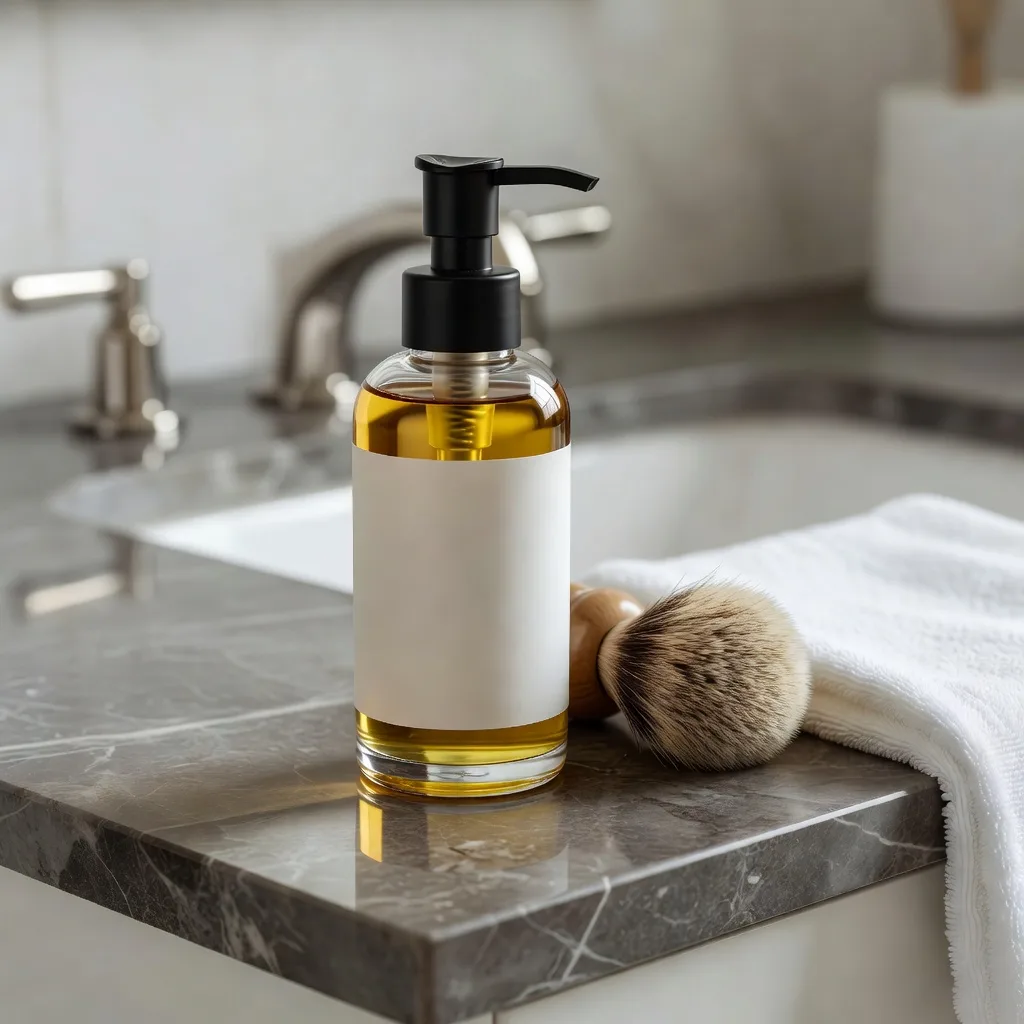
The Art of Shaving Unscented Pre-Shave Oil is a light oil you massage into your stubble before applying shaving cream. It is the unscented version of the brand’s well-known pre-shave oil and is aimed at men with sensitive skin who want a smoother glide and less tugging from a blade.
Part of our guide to men's grooming tools. Start with: 10 Best Safety Razors (2026): Closer, Calmer Shaves for Every Level
The Art of Shaving Unscented Pre-Shave Oil is a reasonable choice if you wet shave with a blade, want an extra layer of slip under your shaving cream and prefer a product without a strong added scent. The brand describes it as helping to create a protective layer against irritation and razor burn, softening hair to reduce tug and pull, being non-comedogenic, dermatologically tested, and free from synthetic dyes and alcohol. The key catch for sensitive skin is that the published ingredient list includes lavender oil and fragrance components such as linalool, limonene and geraniol, so unscented does not mean essential-oil free.
In short: a well-established pre-shave oil that can make blade shaving more comfortable, but not the right pick if you react to lavender or fragrance allergens.
The American Academy of Dermatology recommends softening hair with water, using a shaving cream or gel and shaving in the direction of hair growth to reduce irritation, while the FDA notes that some cosmetic ingredients, including fragrance components, can trigger allergic reactions in some people.
This review explains what is in the oil, what unscented really means here, who it suits and who should skip it, its honest limits, how to use it and how it compares with other pre-shave products. It is based on the brand’s published information and general guidance, not hands-on testing.
Shopping these picks?
Amazon Prime members get fast, free shipping on eligible items, plus Prime Video, Amazon Music and member deals. New members can start with a free trial.
Start a free Prime trialAged 18 to 24? Prime for Young Adults comes with a longer free trial and a lower price after it.
Affiliate link: we may earn a commission at no extra cost to you.
Where to Buy The Art of Shaving Unscented Pre-Shave Oil and Similar Options on Amazon


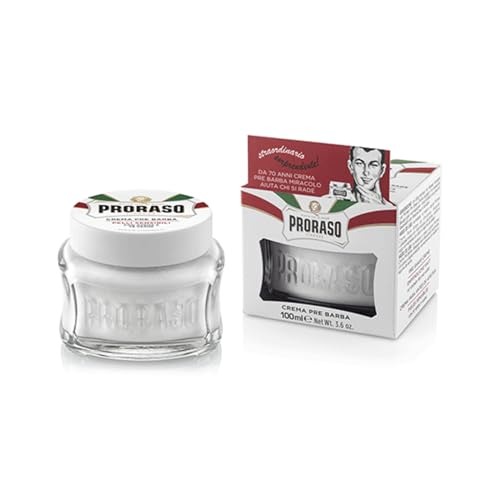

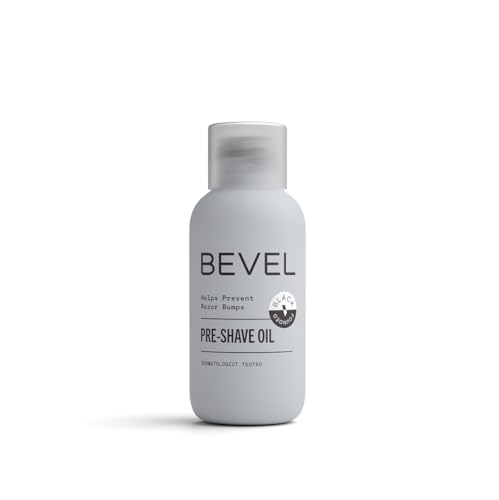


Quick Answer
- This is a pre-shave oil applied under shaving cream before blade shaving.
- The brand says it helps protect against irritation and razor burn and softens hair.
- It is described as non-comedogenic and free from synthetic dyes and alcohol.
- Published ingredients include castor and olive oils.
- The ingredient list also includes lavender oil and fragrance components.
- People with fragrance or lavender sensitivity should patch test or choose another product.
- Pre-shave oil supports good technique; it does not replace it.
On This Page
- What This Pre-Shave Oil Is
- Key Ingredients and What Unscented Really Means
- What the Brand Claims
- Who It Suits and Who Should Skip It
- Pros and Cons
- How to Use The Art of Shaving Pre-Shave Oil
- Technique Matters More Than Any Product
- How It Compares With Other Pre-Shave Options
- Using Pre-Shave Oil With Different Razors
- Dos and Don’ts
- Honest Limits
- When to See a Dermatologist
- Common Questions
- The Takeaway
What This Pre-Shave Oil Is
Pre-shave oils are a traditional wet-shaving step. You apply a few drops to damp stubble, massage it in, then apply shaving cream on top without rinsing. The oil is meant to soften hair, add slip so the razor glides more easily, and act as a thin cushion between blade and skin.
The Art of Shaving is a long-established men’s grooming brand known for its four-step shaving ritual: pre-shave oil, shaving cream, shave, then after-shave balm. Its pre-shave oil comes in several scented versions, and this unscented one is positioned for men with sensitive skin who want to avoid a strong fragrance.
It is designed for blade shaving, whether with a cartridge razor, safety razor or straight razor. It is generally not intended for use with dry foil or rotary electric shavers, which usually work best on dry skin. If you switch between blade and electric shaving, keep the oil for blade days only.
The Art of Shaving sells pre-shave oil in several scents and sizes, and often in gift sets. Check that the listing says Unscented if that is the version you want.
Key Ingredients and What Unscented Really Means
The brand’s published ingredient list for the unscented oil highlights plant oils that are common in pre-shave products. Always check the label on your bottle, because formulas can change.
| Ingredient | Why it is used |
|---|---|
| Castor seed oil | A thick, slippery oil that helps the razor glide |
| Olive fruit oil | An emollient oil that helps soften and cushion |
| Lavender oil | An essential oil included in the formula |
| Linalool, limonene, geraniol | Fragrance components that are listed as known allergens in some regions |
This is the most important point in this review. In cosmetics, unscented usually means a product has not been formulated to have a noticeable scent. It does not necessarily mean the product is free of essential oils or fragrance allergens. Here, the ingredient list includes lavender oil along with linalool, limonene and geraniol, which are fragrance components that some people react to.
The FDA’s page on allergens in cosmetics explains that fragrance ingredients are among the ingredients that can cause allergic reactions, and that reading labels is the best way to avoid ingredients you know you react to. Our guide on how to spot fragrance in an ingredient list walks through what to look for.
What the Brand Claims
The brand describes the unscented pre-shave oil in the following terms. These are the maker’s claims, not independent test results.
- Creates a protective layer to help prevent skin irritation and razor burn.
- Softens facial hair and reduces tug and pull.
- Suitable for all beard types.
- Non-comedogenic, meaning it is not expected to clog pores.
- Clinically and dermatologically tested.
- Free from synthetic dyes and alcohol.
These claims are consistent with what pre-shave oils in general are designed to do. The absence of alcohol is a genuine plus, since alcohol-heavy products can sting freshly shaved skin. The non-comedogenic claim is reassuring for acne-prone skin, although individual reactions still vary and a patch test is still sensible.
Who It Suits and Who Should Skip It
| Person | Good fit? | Why |
|---|---|---|
| Blade shavers wanting more glide | Yes | Oil adds slip under shaving cream |
| Men with coarse or thick stubble | Usually | Helps soften hair before shaving |
| People who dislike strong scents | Usually | No added strong scent |
| People allergic to lavender or fragrance components | No | Ingredient list includes them |
| Electric shaver users | Usually not | Most electric shavers work best on dry skin |
| Very acne-prone skin | Maybe | Described as non-comedogenic, but patch test |
If lavender or fragrance allergens are a problem for you, look for a pre-shave oil or shaving cream labelled fragrance free and check the full ingredient list. Our guide to the best pre-shave oils covers a wider range of options.
Pros and Cons
- Pro: adds slip and cushioning for blade shaving.
- Pro: no strong added scent.
- Pro: free from alcohol and synthetic dyes, according to the brand.
- Pro: described as non-comedogenic.
- Pro: a few drops per shave, so a bottle lasts a while.
- Con: contains lavender oil and fragrance components despite the unscented name.
- Con: not designed for dry electric shaving.
- Con: an extra step in your routine.
- Con: oil can clog a cartridge razor if you use too much.
General feedback on pre-shave oils praises smoother shaves and less razor drag, while complaints tend to focus on oiliness, the extra step and, for some people, skin reactions. These are broad patterns rather than our own results.
How to Use The Art of Shaving Pre-Shave Oil
The brand’s directions are simple. These steps combine them with general wet-shaving good practice.
Patch test first
Apply a small amount to your inner arm or jaw and wait a day to check for a reaction.
Soften your stubble
Shave after a warm shower or hold a warm, damp cloth on your face for a minute.
Apply a few drops
Put a few drops on your fingertips and massage into the beard area, including the neck.
Do not rinse
Leave a light coating; too much oil can clog the razor.
Apply shaving cream on top
Lather your shaving cream directly over the oil.
Shave with the grain
Use a sharp blade, light pressure and rinse the razor often.
Rinse and soothe
Rinse with cool water, pat dry and apply a gentle, alcohol-free balm.
Less is more. If your razor feels clogged or the shaving cream will not stick, you are using too much oil. Start with two or three drops and add more only if needed.
Technique Matters More Than Any Product
A pre-shave oil can make shaving more comfortable, but it cannot make up for a dull blade or rushed technique. The American Academy of Dermatology’s guide on how to shave recommends wetting skin and hair first, using a shaving cream or gel, shaving in the direction of hair growth, rinsing the blade after each stroke and replacing blades regularly.
- A sharp blade does more to prevent razor burn than any oil.
- Light pressure is gentler than pressing to get closer.
- Fewer passes mean less irritation.
- Storing your razor dry helps keep it clean.
Stop using the oil if you notice itching, redness, a rash or swelling after applying it. These can be signs of an allergic reaction, and the fragrance components in the formula are a possible cause.
How It Compares With Other Pre-Shave Options
| Pre-shave option | Best for | Trade-off |
|---|---|---|
| Unscented pre-shave oil (like this one) | Blade shavers wanting glide without a strong scent | May still contain essential oils |
| Fragrance-free pre-shave oil | Fragrance-sensitive skin | Check the label carefully |
| Pre-shave lotion or powder for electric shavers | Dry electric shaving | Not suited to blade shaving |
| Warm water and a good shaving cream | Simplicity | Less cushioning for some people |
| Shaving soap with a brush | Rich lather and hair lifting | More time and kit |
If your main problem is razor bumps rather than drag, switching blades, shaving less often or trimming instead of shaving may help more than adding a pre-shave product. And if your skin simply feels tight or dry after shaving, a gentle, fragrance-free moisturiser or balm afterwards may do more good than an extra step before.
Using Pre-Shave Oil With Different Razors
How well a pre-shave oil works depends partly on the razor you use it with.
With a safety razor or straight razor, pre-shave oil is most at home. These single-blade razors rely on a good lather and careful angle, and the extra slip from an oil can make the first pass feel smoother. Rinsing the blade often keeps oil and hair from building up.
With a multi-blade cartridge razor, a light touch with the oil matters more. Cartridges have narrow gaps between blades, and too much oil mixed with lather and hair can clog them. Two or three drops, well massaged in, is usually plenty.
With electric shavers, most foil and rotary models are designed for dry skin, and oil can make the foil or head slide without catching hairs. Some electric shavers are made for wet use with foam or gel; if you have one, follow its manual rather than assuming a pre-shave oil will help.
Whatever razor you use, the oil works best on stubble that has already been softened with warm water. Applying it to dry, stiff hair gives less benefit.
Dos and Don’ts
Do
- Patch test before first use
- Use only a few drops
- Apply shaving cream on top
- Shave with a sharp blade and light pressure
- Check the ingredient list if you have allergies
Don’t
- Assume unscented means fragrance free
- Use it with a dry foil shaver
- Rinse it off before lathering
- Keep using it after a reaction
- Use it on broken or inflamed skin
Honest Limits
This review is based on the brand’s published claims and ingredient list and on general shaving guidance, not our own testing. Claims such as helping to prevent razor burn describe the intended effect; results depend on your skin, hair, razor and technique.
The biggest limit is the ingredient list. For most people, the lavender oil and fragrance components will not be a problem, but for people with fragrance allergies or very reactive skin, a product labelled unscented may still cause a reaction. A pre-shave oil also cannot fix a dull blade, too much pressure or shaving against the grain on sensitive areas.
When to See a Dermatologist
- You get itching, rash or swelling after using shaving products.
- You get frequent painful razor bumps or ingrown hairs.
- Redness or irritation lasts more than a few days after shaving.
- You suspect an allergy to fragrance or essential oils and want it confirmed.
This article is for general information and does not replace professional medical advice. Formulas can change, so always read the current ingredient label before use. See a board-certified dermatologist if you have persistent irritation or suspect an allergy.
Common Questions
What is this pre-shave oil for?
It adds slip and softens stubble before blade shaving.
Is it fragrance free?
No; it is unscented, but its ingredients include lavender oil and fragrance components.
What oils does it contain?
Published ingredients include castor oil and olive oil.
Does it contain alcohol?
The brand says it is free from alcohol.
Will it clog pores?
The brand describes it as non-comedogenic.
Can I use it with an electric shaver?
It is designed for blade shaving; most electric shavers work best dry.
How much should I use?
A few drops is usually enough.
Do I rinse it off before shaving?
No, apply shaving cream directly on top.
Is it good for sensitive skin?
It can be, unless you react to lavender or fragrance components.
Should I patch test?
Yes, especially if you have sensitive or allergy-prone skin.
The Takeaway
The Art of Shaving Unscented Pre-Shave Oil is a long-standing pre-shave oil that adds glide and cushioning for blade shaving, without alcohol, dyes or a strong added scent.
Use a few drops under your shaving cream, keep your technique gentle, and choose a fragrance-free product instead if you react to lavender or fragrance components.
Keep reading: Shaving and razors
- 10 Best Safety Razors (2026): Closer, Calmer Shaves for Every Level
- StyleCraft Uno 2.0 Cordless Portable Gold Titanium Shaver Review
- StyleCraft Instinct Metal Cordless Double Foil Shaver Review
- BaBylissPRO LimitedFX Cord/Cordless Trimmer and Shaver Review
- Gamma+ Uno Mini Travel Cordless Men's Shaver Review
- StyleCraft Rebel Professional Cordless Double Foil Shaver Review
- 10 Best Hair Dryers (2026): Faster Drying With Less Heat Damage
- 10 Best Beard Trimmers (2026): Even Lengths, Clean Edges