BaBylissPRO High Performance Compact Lo-ProFX Hair Trimmer Review
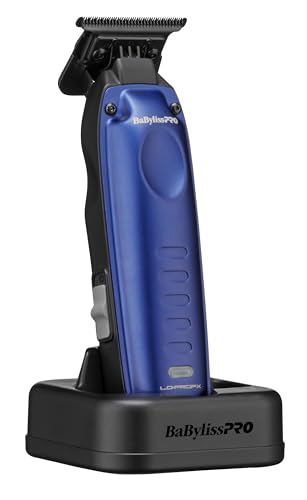
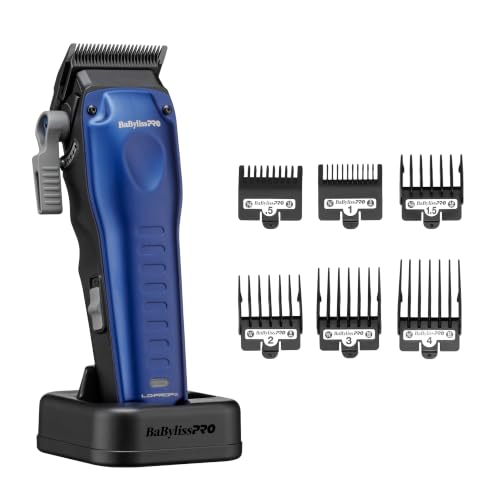
The BaBylissPRO Lo-ProFX trimmer is the detail tool in the brand’s low-profile range. Where the matching Lo-ProFX clipper handles fades and general cutting, the trimmer is made for edging hairlines, shaping beards, cleaning necklines and working around the ears. It is popular with barbers and with people who keep their own hair and beard tidy between visits to the shop.
The Lo-ProFX compact trimmer is a strong choice if you want a light, low-profile trimmer that cuts very close and gives a clear view of the line you are drawing. It is widely listed with a slim, low-profile T-style blade that can be set close to zero gap, a high-performance motor, cordless use on a lithium-ion battery and a small set of guards. It is less suited to people who only want an easy, guarded beard trim, because a close, exposed blade needs slow, careful strokes to avoid scratches, especially on the neck.
In short: a precise, easy-to-handle outliner for edges and detail, best used patiently.
The American Academy of Dermatology recommends working in the direction of hair growth and keeping hair tools clean and dry to reduce irritation and bumps.
This review looks at the Lo-ProFX trimmer’s widely published features, who it suits and who should skip it, pros and cons, how to edge safely, maintenance and alternatives. It is based on published information and general grooming guidance, not on our own hands-on testing, so confirm details on the listing before buying.
Where to Buy the BaBylissPRO Lo-ProFX Trimmer and Similar Options on Amazon




Key Takeaways
- The Lo-ProFX trimmer is a low-profile detail and outlining tool.
- It is widely listed as cordless with a lithium-ion battery.
- Its slim blade can be set very close for crisp edges.
- It is lighter and more compact than many full-size outliners.
- Close blades need slow strokes and a stretched neck to avoid nicks.
- Regular oiling and cleaning keep the blade sharp and cool.
- Guarded beard trimmers are easier for simple length trims.
On This Page
- What the Lo-ProFX Trimmer Is Designed For
- Published Features and Why They Matter
- Who Should Buy It and Who Should Skip It
- Pros and Cons
- How to Edge a Hairline Safely With the Lo-ProFX Trimmer
- Keeping the Blade Sharp and Hygienic
- Lo-ProFX Trimmer vs Other Trimmer Types
- Avoiding Irritation When Edging
- Using the Lo-ProFX Trimmer at Home Between Haircuts
- Dos and Don’ts
- Honest Limits
- When to See a Dermatologist
- FAQ
- The Takeaway
What the Lo-ProFX Trimmer Is Designed For
Trimmers sit between clippers and shavers in a barber’s kit. They have narrower, finer blades than clippers and are used for outlining, edging and small detail areas. A low-profile trimmer takes this a step further with a thin blade and slim head, so the cutting edge sits close to the skin and is easy to see.
That design makes the Lo-ProFX trimmer useful for line-ups, the edges of a beard, sideburns, around the ears and cleaning up necklines between haircuts. It can also handle short stubble styles with a guard, but it is not built for taking a long beard down in length.
Compared with heavier metal outliners, the Lo-ProFX trimmer is generally described as compact and easy to manoeuvre. Many home users find that makes it less tiring to hold for a full tidy-up, and barbers appreciate the control when working around the ear.
BaBylissPRO sells a Lo-ProFX clipper and a Lo-ProFX trimmer with similar looks. Check that the listing says trimmer, and confirm the model code and included guards before you order.
Published Features and Why They Matter
The table below sums up features that are widely published for this trimmer. We have left out exact runtime and motor figures because listings do not state them consistently.
| Feature | Commonly listed detail |
|---|---|
| Tool type | Low-profile outlining and detail trimmer |
| Blade | Slim, low-profile T-style blade |
| Blade setting | Can be adjusted close to zero gap |
| Motor | High-performance motor |
| Power | Cordless, rechargeable |
| Battery | Lithium-ion |
| Accessories | Guards, blade oil, charger |
The slim blade is the core feature. A thinner blade lets you see the hairline clearly, which is what makes neat edges easier. The downside is that a very close-set blade can scratch skin if you push it or angle it badly, so a steady, light touch matters more than with a guarded beard trimmer.
Cordless use and a lithium-ion battery make the trimmer easy to move around the head, which is important for detail work where you are constantly changing angle. As with any rechargeable tool, battery capacity slowly declines with age, so a trimmer that runs for a long time when new may need charging more often a few years later.
Who Should Buy It and Who Should Skip It
| User | Verdict | Reason |
|---|---|---|
| Barbers doing line-ups | Buy | Clear view and close cut |
| Home users tidying edges | Buy, with care | Precise but needs patience |
| People matching a Lo-ProFX clipper | Buy | Designed as a pair |
| Beginners wanting simple beard trims | Consider a guarded trimmer | More forgiving head |
| Long beards | Skip for bulk | Use a clipper or beard trimmer first |
| Very bump-prone necks | Use cautiously | Leave a little length |
If you are deciding between tool types for home use, our guide to the best cordless hair trimmers explains the main differences, and our round-up of beard trimmers covers easier, guarded options.
Pros and Cons
- Pro: low-profile blade gives a clear view of the line.
- Pro: cuts close for crisp edges and necklines.
- Pro: compact and easy to handle around the ears.
- Pro: cordless use suits detail work.
- Pro: pairs naturally with the Lo-ProFX clipper.
- Con: close blade is less forgiving for beginners.
- Con: not suited to bulk removal on long hair or beards.
- Con: blade needs regular oiling and alignment checks.
- Con: guard options are limited compared with a dedicated beard trimmer.
Feedback on low-profile trimmers of this kind commonly highlights sharp line-ups and comfortable handling. The most frequent complaints involve nicks when the blade is set too close, blade heat during long use and battery ageing. Treat these as general themes rather than tested results.
How to Edge a Hairline Safely With the Lo-ProFX Trimmer
Edging a hairline or beard line is about small, careful moves. These steps apply to the forehead line, sideburns and beard cheek lines.
Oil and check the blade
Add a drop of blade oil and make sure the moving blade does not sit past the fixed blade.
Comb and cut to length
Comb hair in its natural direction and trim longer areas first with a clipper or guard.
Mark the line lightly
Touch the corner of the blade to the skin to outline where the edge will sit, without cutting deeply.
Flip the trimmer for edges
Turn the trimmer so the teeth face down towards the skin for clean, precise line work.
Stretch the skin
Use your free hand to flatten skin on the neck and around the ears.
Work in short strokes
Cut a little at a time and step back to check symmetry.
Clean up and soothe
Brush away hair, disinfect the blade and apply a gentle moisturiser.
Do not push the hairline back to make it look sharper. Taking the line beyond the natural edge looks unnatural as it grows out and can take weeks to recover. Follow the existing shape and simply clean it up.
Keeping the Blade Sharp and Hygienic
- Brush out hair after every use.
- Oil the blade regularly and run it briefly to spread the oil.
- Spray the blade with a clipper disinfectant, particularly if you trim other people.
- Check alignment after cleaning or a drop.
- Wash guards in warm soapy water and dry them fully.
- Charge as the maker recommends and store the trimmer dry.
Stop using the trimmer if the blade is chipped, bent or misaligned. A moving blade that sits past the fixed blade can cut the skin. If you are unsure how to set zero gap safely, keep the factory setting or ask a barber.
A clean, oiled blade also runs cooler. If the trimmer gets hot quickly or starts pulling, clean and oil it before assuming it is faulty; a worn blade may then need replacing.
Lo-ProFX Trimmer vs Other Trimmer Types
This comparison is by trimmer type rather than specific models, to help you choose the right style.
| Trimmer type | Strength | Weakness |
|---|---|---|
| Low-profile outliner | Clear view, close edges | Needs a careful hand |
| Metal-bodied T-blade outliner | Solid feel, wide blade | Heavier in the hand |
| Guarded beard trimmer | Easy, even length | Less crisp lines |
| Detail pen trimmer | Tiny areas, moustache | Slow for larger areas |
| Foil shaver | Skin-level finish | Short stubble only |
Many people end up with two tools: a trimmer for edges and a clipper or beard trimmer for length. If you already own a guarded beard trimmer, the Lo-ProFX adds sharper edges rather than replacing it.
When comparing options, look at blade width, how easy the blade is to remove and clean, whether replacement blades are widely sold and how the trimmer feels in the hand. These practical factors tend to matter more over months of use than small differences in advertised motor performance.
Avoiding Irritation When Edging
Close edging can cause redness, scratches and ingrown hairs, particularly on coarse or curly hair. The American Academy of Dermatology’s guide on how to shave advises shaving in the direction of hair growth, rinsing and cleaning tools, and storing them dry. The same habits help when trimming close.
- Avoid edging over spots, cuts or rashes.
- Leave the neckline a little longer if you get bumps.
- Use fragrance-free aftercare on sensitive skin.
- Give irritated skin a break before the next tidy-up.
If you are unsure whether to keep facial hair short with a trimmer or remove it completely, our comparison of trimming vs shaving facial hair explains which approach tends to be kinder to skin.
Using the Lo-ProFX Trimmer at Home Between Haircuts
One of the most common reasons people buy a barber-grade trimmer is to keep a haircut looking fresh between appointments. Necklines and the area around the ears grow out first, and a quick tidy-up can add a week or two before the next visit. The Lo-ProFX trimmer is well suited to this job because it is light and gives a clear view of the edge.
The main risk at home is cutting where you cannot see well. The back of the neck is the obvious example. Use a second mirror, or ask someone to help, and only follow the line your barber already created. If there is no clear line, leave it for the next appointment rather than guessing.
- Tidy the neckline by removing only stray hairs below the existing line.
- Clean around the ears by folding the ear down gently and using the corner of the blade.
- Keep sideburns even by checking them in a straight-on mirror view.
- Stop as soon as the area looks neat; small touch-ups are safer than big changes.
If you share the trimmer with others in the household, clean and disinfect it between people. Shared hair tools can spread skin infections, and a quick spray and wipe is an easy habit to keep.
Dos and Don’ts
Helps
- Oil the blade before use
- Follow your natural hairline
- Stretch the skin on the neck
- Disinfect after each use
- Check both sides for symmetry
Backfires
- Push the hairline back
- Press the blade into the skin
- Use a misaligned blade
- Share an uncleaned trimmer
- Use it for long beard bulk
Honest Limits
This review is based on published product details and general grooming guidance, not hands-on testing. Battery life, sharpness and comfort vary between units, versions and how well the trimmer is maintained.
A precise trimmer will not fix an uneven haircut, and it cannot stop razor bumps on prone skin. Close cutting always carries some risk of scratches, so the best results come from patience and practice rather than from the tool alone.
Listings for professional tools can also be confusing, with bundles, colours and guard sets that vary. Read the box contents carefully and buy from a seller with a clear returns policy.
When to See a Dermatologist
- Painful bumps or ingrown hairs appear after most trims.
- Redness, burning or itching lasts several days.
- Scratches become swollen, crusted or infected.
- You notice bald patches or scaling in the beard or hairline.
This article is general information and not medical advice. Product details and accessories can change, so check the current listing before buying. See a board-certified dermatologist for persistent skin or scalp problems.
FAQ
What is the Lo-ProFX trimmer used for?
Edging hairlines, beard lines, necklines and detail areas.
Is it cordless?
Yes, it is listed as cordless with a lithium-ion battery.
Is it zero gap?
The blade can be set close to zero gap.
Is it good for beginners?
Yes, if you go slowly; a guarded trimmer is easier.
Can it trim a full beard?
Only short stubble with a guard; use a clipper for bulk.
Does it come with guards?
It is listed with guards; check the box contents.
Is it different from the Lo-ProFX clipper?
Yes, the clipper is for fades and general cutting.
How do I stop nicks?
Stretch the skin, use light pressure and keep the blade aligned.
How often should I oil it?
Regularly, ideally before each use.
Can it cause ingrown hairs?
Yes, very close cutting can on prone skin.
The Takeaway
The BaBylissPRO Lo-ProFX compact trimmer is a light, low-profile outliner that makes crisp hairlines, necklines and beard edges easier to achieve.
Keep the blade oiled and aligned, follow your natural hairline, use slow strokes and leave a little length if your skin is prone to bumps.