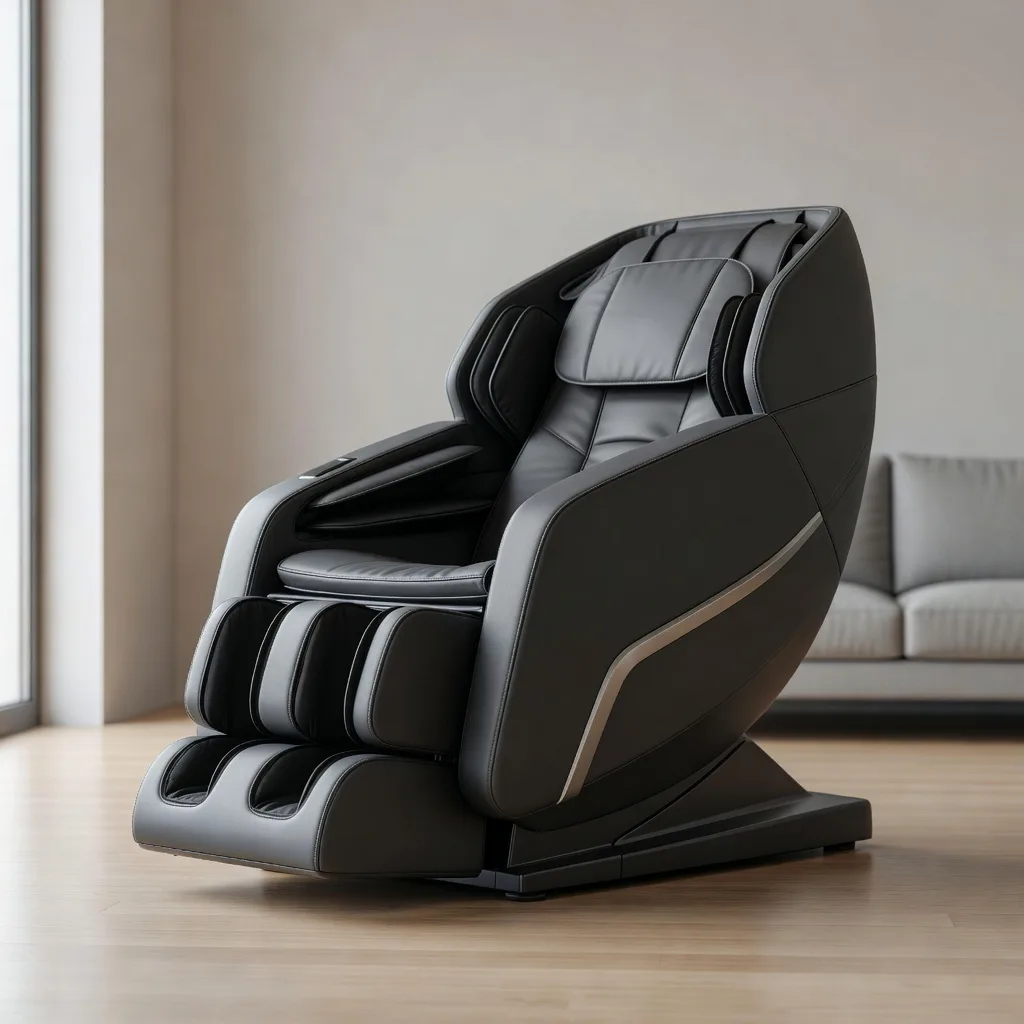
iRest SL Track Massage Chair Reviews: Features, Fit and Safety
iRest makes a range of full-body massage chairs, and many of its models use an SL track, a massage roller path that follows the curve of the spine and then extends under the seat. Buyers often search for iRest SL track chairs as a group because the brand sells several similar models with different extras.
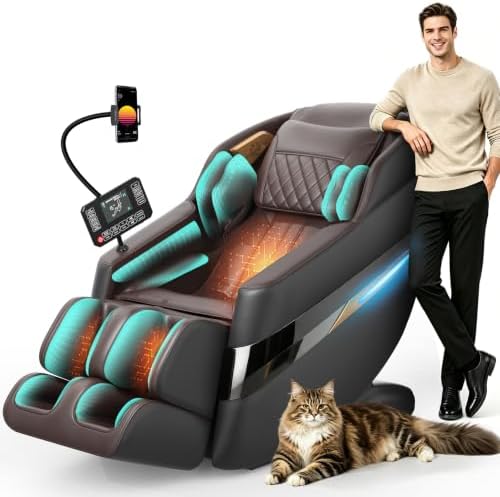
An iRest SL track massage chair is a reasonable choice if you want a full-body, home massage that reaches from the neck down to the glutes and upper thighs, and you have the space and budget for a large chair. Models in this range are commonly listed with an SL-shaped roller track, zero-gravity reclining, air compression bags, lumbar heat, foot rollers and preset programmes, though exact features vary by model. A massage chair can help you relax and ease everyday muscle tension, but it is not a treatment for injuries or medical conditions. People who are pregnant or have osteoporosis, blood clots, a pacemaker, recent surgery or back problems should check with a doctor first.
In short: a comfortable relaxation tool with broad coverage, best chosen by measuring your space and checking each model’s features.
The US National Center for Complementary and Integrative Health says the risk of harm from massage therapy appears low, but advises against using massage to put off seeing a health care provider about a medical problem.
This review explains what an SL track is, common features of iRest SL track chairs, who they suit, safety, how to choose and use one, honest limits and alternatives. It is based on published product information and health guidance, not on our own hands-on testing.
Where to Buy iRest SL Track Massage Chairs and Similar Options on Amazon


Key Takeaways
- An SL track follows the spine and continues under the seat to the glutes.
- iRest SL track chairs commonly include zero gravity, airbags, heat and foot rollers.
- Exact features vary by model, so compare listings carefully.
- A massage chair can help relaxation and everyday muscle tension.
- It is not a treatment for injuries or medical conditions.
- Some health conditions call for a doctor’s advice before use.
- Measure your space, doorways and your height before buying.
In This Guide
- What an SL Track Massage Chair Is
- Features Commonly Listed on iRest SL Track Chairs
- Who These Chairs Suit and Who Should Check First
- Pros and Cons
- How to Use an SL Track Massage Chair Safely
- Massage Safety: What Health Experts Say
- How to Choose the Right Model
- Alternatives by Type
- Setting Up and Looking After the Chair
- Dos and Don’ts
- Honest Limits
- When to Check With a Doctor
- Your Questions, Answered
- Summing Up
What an SL Track Massage Chair Is
Massage chairs move rollers along a track inside the backrest. Older and simpler chairs use an S track, which curves to follow the natural S shape of the spine from the neck to the lower back. An L track runs straight down the back and then bends forward under the seat, reaching the glutes and sometimes the top of the thighs.
An SL track combines both ideas: it follows the curve of the spine like an S track and then continues under the seat like an L track. The result is longer roller coverage, which many people find more satisfying, especially if they carry tension in the lower back and hips.
iRest sells several models using this design, often with slightly different programme counts, extras and styling. That is why it is important to read each listing rather than assuming all iRest SL track chairs are the same.
Model names, features and dimensions vary. Before buying, check the exact model’s listed features, recommended user height and weight, dimensions when upright and fully reclined, and delivery and assembly details.
Features Commonly Listed on iRest SL Track Chairs
The table below lists features commonly advertised on iRest SL track models. Not every model has all of them, so treat this as a checklist when comparing listings.
| Feature | What it does | What to check |
|---|---|---|
| SL-shaped track | Rollers follow the spine and reach under the seat | Listed track length and body coverage |
| Zero-gravity recline | Tilts you back with legs raised | Space needed behind the chair |
| Air compression bags | Squeeze arms, shoulders, hips, calves | Intensity settings |
| Lumbar heat | Gentle warmth in the lower back | Whether heat can be switched off |
| Foot rollers | Roll along the soles | Foot rest length and comfort |
| Preset programmes | Automatic massage sequences | Types of programme offered |
| Bluetooth speaker | Plays audio during massage | Not essential for most people |
Zero gravity positioning is one of the most popular features. It reclines the chair so your knees are at or above heart level, spreading your weight and allowing the rollers to press more deeply into the back. Many people find it relaxing, although it needs more space behind the chair.
Air compression bags squeeze and release the arms, legs and hips. Some people love the feeling; others find it too tight, so adjustable intensity is useful.
Foot rollers and calf airbags are another area where personal preference varies. People with sensitive or ticklish feet may want a model where the foot massage can be switched off or turned down, while others see it as the best part of the chair.
Who These Chairs Suit and Who Should Check First
| Person or situation | Suitable? | Notes |
|---|---|---|
| Wants regular relaxation at home | Yes | Main realistic benefit |
| Everyday back and shoulder tension | Usually | Start on gentle settings |
| Very tall or very short users | Check | Recommended height range matters |
| Pregnancy | Ask a doctor | Avoid until cleared |
| Osteoporosis or fragile bones | Ask a doctor | Strong rollers may be unsafe |
| Pacemaker or implanted device | Ask a doctor | Check the manual and medical advice |
| Blood clots, varicose veins, recent surgery | Ask a doctor | Compression and pressure may be unsafe |
If you want a smaller, cheaper way to target specific muscles, our guide to hand-held body massagers compares tools that take up far less space than a chair.
Pros and Cons
- Pro: long SL track covers the back, glutes and upper thighs.
- Pro: zero gravity recline is comfortable for many people.
- Pro: airbags, heat and foot rollers offer full-body coverage.
- Pro: available at home whenever you want it.
- Con: large and heavy; needs space and careful delivery.
- Con: roller pressure may be too strong or too weak for some bodies.
- Con: fit depends on your height and build.
- Con: not a replacement for medical care or a trained therapist.
Buyer feedback on SL track massage chairs commonly praises the lower back and glute coverage and the zero gravity position. Common complaints involve size, assembly, noise, rollers that do not line up with shorter or taller users, and airbags that squeeze too firmly. These are general patterns rather than measured results.
How to Use an SL Track Massage Chair Safely
Always read the manual for your model. These general steps help you start safely.
Check with your doctor if needed
Get medical advice first if you have any condition listed above.
Run the body scan
Many chairs scan your back to position the rollers; sit fully back during this step.
Start gentle
Choose a light programme and low airbag intensity for your first sessions.
Keep sessions short
Start with about 15 minutes, as many manuals suggest, and avoid back-to-back programmes.
Use heat carefully
Switch heat off if you have reduced sensation or feel too warm.
Get up slowly
Return the chair upright and sit for a moment before standing.
Notice how you feel
Reduce intensity or stop if you feel pain, bruising or numbness later.
Wear light, comfortable clothing and remove belts, jewellery and anything in your pockets. Hard objects between you and the rollers can cause discomfort or pressure marks.
Massage Safety: What Health Experts Say
The US National Center for Complementary and Integrative Health’s overview of massage therapy says harmful effects appear to be uncommon, but that rare serious problems, such as blood clots, nerve injury and bone fractures, have been reported, mainly with vigorous massage or in older or more vulnerable people. It recommends discussing massage with your health care provider.
Stop using the chair and seek medical advice if you feel sharp pain, tingling, numbness or dizziness, or if you notice unusual bruising. Do not use it on a swollen, warm or painful leg, which can be a sign of a blood clot. Keep children and pets away from moving parts and the footrest mechanism.
Electrical and mechanical safety matter too. Keep liquids away, check the power cord for damage and never let children play on the chair. Unplug it when not in use if the manual recommends this.
How to Choose the Right Model
Because iRest sells several SL track models, choosing comes down to fit, space and features you will actually use.
- Measure the room, including space behind the chair for reclining.
- Measure doorways, stairs and hallways for delivery.
- Check the recommended height and weight range for users.
- Decide which features matter: heat, foot rollers, airbags, programmes.
- Check warranty length, what it covers and how service is handled.
- Look at delivery and assembly options, since chairs are very heavy.
Some models are described as space-saving, which means they need less wall clearance to recline. If your room is small, this can matter more than extra programmes or speakers.
Alternatives by Type
- Massage chairs with an L track only, for simpler, often lower-cost coverage.
- S track chairs, which focus on the back and neck.
- Back massager seat cushions for existing chairs.
- Hand-held percussion or vibration massagers for targeted muscles.
- Sessions with a licensed massage therapist, who can adapt to your body.
A massage chair is a relaxation tool, while a trained therapist can adjust technique to your needs. Our comparison of a facial vs massage explores how different spa treatments support relaxation and well-being.
Setting Up and Looking After the Chair
Massage chairs are heavy and bulky, so plan delivery and set-up before the box arrives. Many people need two adults to move the parts, and some sellers offer room-of-choice delivery or assembly for an extra fee. Place the chair near a wall socket so the cable does not cross a walkway, and leave the clearance the manual specifies for reclining.
Care is mostly about the upholstery and the moving parts. Synthetic leather covers are common, and they last longer when wiped gently and kept out of direct sunlight and away from radiators.
- Wipe the upholstery with a soft, slightly damp cloth and mild soap, then dry it.
- Avoid harsh cleaners or alcohol wipes, which can crack synthetic leather.
- Keep sharp objects, pets’ claws and heavy loads off the chair.
- Check the power cord regularly and unplug the chair during storms if advised.
- Contact the seller or service provider if you hear grinding or knocking noises.
Keep the manual, receipt and warranty details together. Repairs on large chairs usually need a technician visit, and service is easier to arrange if you have the model and serial number ready.
Dos and Don’ts
Try This
- Measure your space and doorways
- Start on gentle settings
- Keep sessions short at first
- Ask a doctor if you have health conditions
- Get up slowly after reclining
Avoid This
- Use it for hours at a time
- Use it on a painful, swollen leg
- Let children play on it
- Ignore pain, numbness or bruising
- Use it to replace medical treatment
Honest Limits
This review is based on published product information and health guidance, not hands-on testing. We cannot confirm the exact features of every iRest SL track model, and comfort depends heavily on your height, body shape and personal preference for pressure.
Massage chairs can help you relax and may ease everyday muscle tightness, but they do not treat injuries, slipped discs, sciatica or chronic pain conditions. If you have ongoing pain, it is important to see a health professional rather than rely on a chair. Rollers also cannot adjust to your body the way a trained therapist can.
When to Check With a Doctor
- You are pregnant, have osteoporosis, a pacemaker or a clotting disorder.
- You have had recent surgery, a fracture or a back injury.
- You feel pain, numbness or tingling during or after using the chair.
- You have back or neck pain that is new, severe or getting worse.
This article is general information and does not replace medical advice. Massage chairs are relaxation products, not medical devices for treating pain or injury. Follow the manufacturer’s instructions and speak to a doctor before use if you have any health concerns.
Your Questions, Answered
What is an SL track?
A roller track that follows the spine and continues under the seat.
Is an SL track better than an S track?
It covers more of the lower body, which many people prefer.
What is zero gravity on a massage chair?
A recline that raises the legs to about heart level.
Do iRest chairs have heat?
Many models list lumbar heat; check the model.
How long should a session last?
Start with around 15 minutes, as many manuals suggest.
Can I use it during pregnancy?
Only if your doctor says it is safe.
Is it good for back pain?
It may ease tension but is not a treatment for back conditions.
Will it fit a tall person?
Check the recommended user height range.
How much space does it need?
Check upright and reclined dimensions on the listing.
Can massage chairs cause bruising?
Yes, if pressure or airbags are too strong.
Summing Up
iRest SL track massage chairs offer broad, full-body coverage from the neck to the glutes, with common extras such as zero gravity, airbags, heat and foot rollers.
Measure your space, check each model’s features and user range, start gently and ask a doctor first if you have any health condition that massage could affect.