PMD Personal Microderm Review: How It Works, Pros, Cons and Who It Suits
The PMD Personal Microderm is one of the most widely sold at-home microdermabrasion devices. It aims to bring a gentler version of the salon treatment into your bathroom by combining a spinning exfoliating disc with light vacuum suction.
The PMD Personal Microderm is an at-home microdermabrasion device that uses spinning discs coated with aluminium oxide crystals and mild vacuum suction to remove the outer layer of dead skin cells. It suits people with normal, oily or combination skin who want smoother-feeling skin and a brighter look between professional treatments. The maker supplies discs of different grades for face and body and advises waiting about six to seven days between treatments. It can improve surface texture and dullness, but it will not remove deep wrinkles, deep acne scars or melasma, and it is not a good choice for sensitive skin, rosacea or active acne.
In short: a useful surface-level exfoliation tool when used weekly and gently, but not a replacement for clinical treatment.
The American Academy of Dermatology describes microdermabrasion as a minimally invasive procedure that can refresh dull skin and improve mild concerns, while noting that results are subtle and usually need a series of treatments.
This review explains how the PMD works, who it suits, its pros and cons, how to use it safely and what alternatives are available, so you can decide whether it is worth adding to your routine.
Where to Buy the PMD Personal Microderm and Similar Options on Amazon

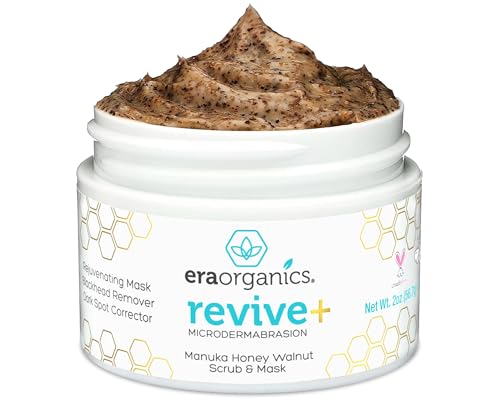
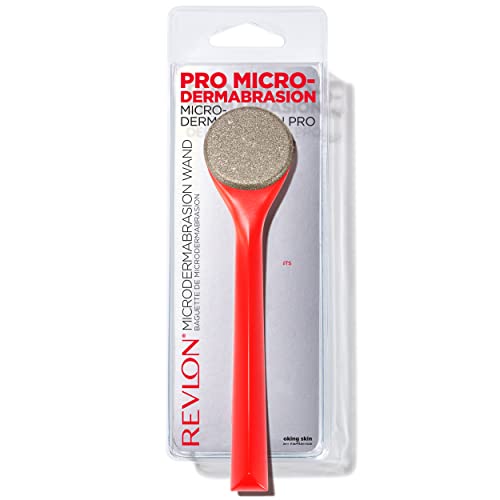
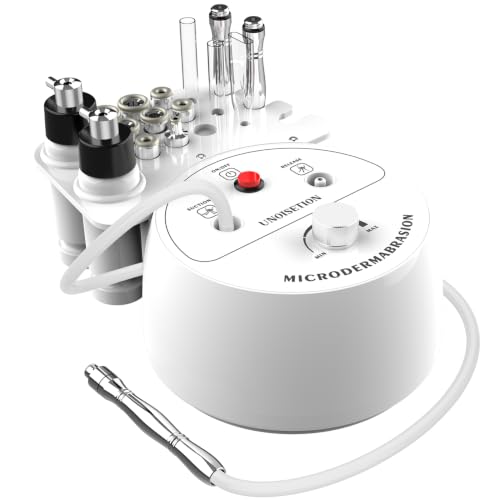
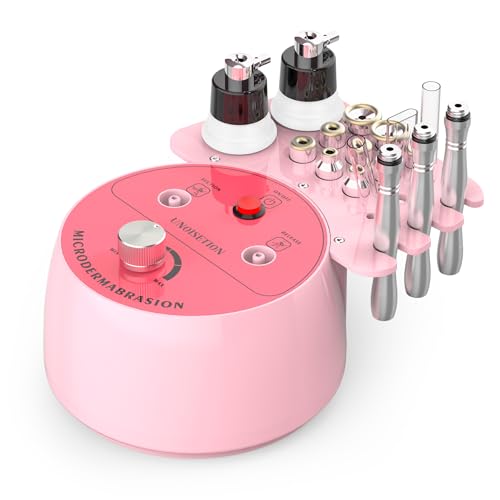

What This Covers
- How the PMD Personal Microderm Works
- What Comes in the Box
- Who the PMD Suits and Who Should Avoid It
- Pros and Cons of the PMD Personal Microderm
- What Results to Expect
- How to Use the PMD Personal Microderm Safely
- What Users Commonly Say
- Alternatives to the PMD Personal Microderm
- Aftercare and Maintenance
- Dos and Don’ts
- Honest Limits
- When to See a Dermatologist
- Your Questions, Answered
- Where This Leaves You
Key Takeaways
- The PMD uses spinning crystal-coated discs plus mild suction.
- Discs of different grades are included for face and body.
- The maker advises about six to seven days between treatments.
- It improves surface texture and dullness, not deep lines or scars.
- It suits normal, oily and combination skin best.
- Avoid it on sensitive skin, rosacea, active acne or broken skin.
- Daily sunscreen is essential after any exfoliation.
How the PMD Personal Microderm Works
Professional microdermabrasion usually uses either a stream of fine crystals or a diamond-tipped wand combined with suction. The PMD takes a similar approach at home. A small disc coated with aluminium oxide crystals spins against the skin to buff away dead cells, while light vacuum suction pulls the skin gently against the disc and lifts away the loosened debris.
The maker says the suction also increases circulation and supports collagen production. Increased blood flow can make skin look temporarily brighter, but claims about collagen from home devices are not well supported by independent research, so it is best to think of the PMD as an exfoliating tool.
Details in this review come from the maker’s product information as published by PMD and its authorised retailers. We have not tested the device, and kits vary by version and region, so check exactly what is included before you buy.
What Comes in the Box
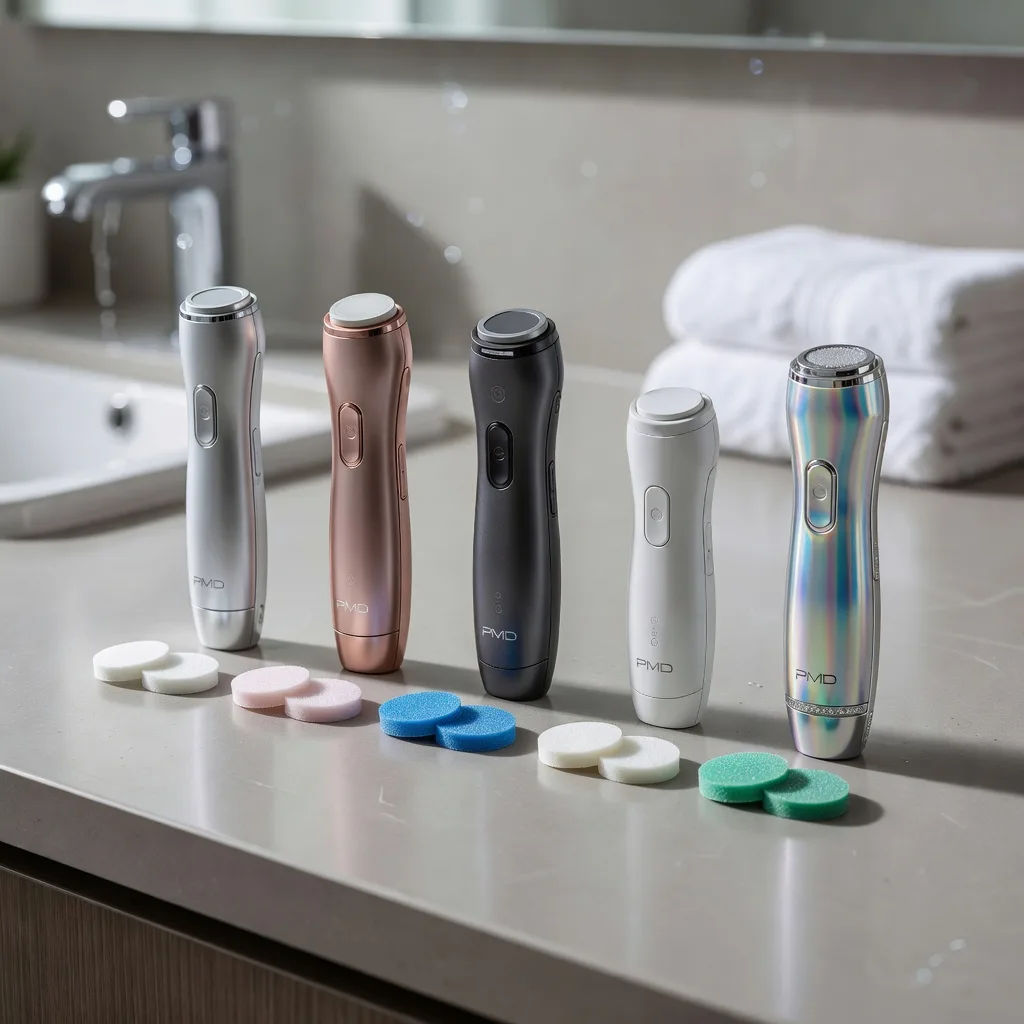
The Classic version is sold with a set of discs that let you start gently and move up in strength if your skin tolerates it. Retail listings for the Classic kit describe the following.
| Disc | Purpose |
|---|---|
| White training disc | Lets you practise the motion with no exfoliation |
| Blue discs, face and body | Light exfoliation for mild sensitivity |
| Grey discs, face and body | Gentle exfoliation for more sensitive areas |
| Green discs, face and body | Standard exfoliation for normal skin |
| Small cap | For the face and delicate areas |
| Large cap | For larger body areas |
The Classic model is described as corded. Other versions, such as the Pro, are sold with different disc options and features, so compare the kit contents rather than assuming every PMD model is the same.
Who the PMD Suits and Who Should Avoid It
Microdermabrasion is a physical exfoliation, so your skin type decides whether it helps or harms.
| Skin or concern | Suitable? | Notes |
|---|---|---|
| Normal skin with dullness | Yes | Weekly use can improve smoothness and glow |
| Oily or combination skin | Often yes | May help with rough texture and clogged-looking pores |
| Mild sun damage or uneven texture | Sometimes | Improvement is modest and gradual |
| Sensitive skin | Use with caution | Start with the gentlest disc and low suction |
| Rosacea or eczema | No | Likely to trigger redness and flares |
| Active inflamed acne | No | Can spread bacteria and worsen irritation |
| Deeper skin tones | Caution | Irritation can lead to dark marks; go gently |
Our guide to what microdermabrasion is good for goes deeper into the concerns it can and cannot improve.
Pros and Cons of the PMD Personal Microderm
Here are the main strengths and weaknesses, based on the maker’s information and on how microdermabrasion works in general.
- Pro: graded discs let you control how strong the exfoliation is.
- Pro: can be used on the face and body with different caps.
- Pro: weekly use keeps the routine simple.
- Pro: a training disc helps beginners learn the technique safely.
- Con: replacement discs and filters are an ongoing cost.
- Con: suction can cause redness, broken capillaries or bruising if used too slowly or too strongly.
- Con: results are subtle and fade if you stop.
- Con: not suitable for several common skin conditions.
The biggest risk with any at-home microdermabrasion tool is overuse. People who see a little improvement are often tempted to use it more often, which usually leads to irritation instead of better results. It is also worth factoring in the running cost of replacement discs and filters when comparing the PMD with a simple chemical exfoliant, which can give similar surface smoothing for many skin types with less equipment and less risk of suction marks.
What Results to Expect
Microdermabrasion works on the surface of the skin. That is what makes it relatively safe, but it also sets a ceiling on what it can do.
- Immediately: skin often feels smoother and looks brighter, with some pinkness.
- After a few weekly sessions: texture may look more even and makeup may sit better.
- Over months: mild dullness and roughness may improve if you also use sunscreen daily.
- Not expected: removal of deep wrinkles, deep acne scars, melasma or sagging.
The AAD’s microdermabrasion overview describes the procedure as best for mild concerns, and professional treatments are generally stronger than home devices. If you are comparing options, our article on microdermabrasion vs dermaplaning explains how the two differ.
How to Use the PMD Personal Microderm Safely
These steps follow the general approach in the maker’s instructions and common dermatology advice for physical exfoliation.
Start with the training disc
Practise the motion on your skin without exfoliation to learn the right speed.
Cleanse and dry your face fully
The device works on clean, completely dry skin.
Choose the gentlest disc first
Begin with the least abrasive disc, even if your skin is not sensitive.
Glide in short, quick strokes
Keep the skin taut, move steadily and never hold the device in one place.
Avoid delicate areas
Stay away from the eyelids, lips and any active spots or broken skin.
Soothe and moisturise
Apply a gentle, fragrance-free moisturiser straight after.
Protect and wait
Use broad-spectrum sunscreen daily and wait about a week before the next session.
Pause active ingredients such as retinoids and exfoliating acids for a couple of days before and after each session. Combining them with microdermabrasion is a common cause of redness and peeling.
What Users Commonly Say
Owner feedback on retail sites tends to repeat a few themes. We summarise these in general terms rather than quoting individual reviews.
- Many users say their skin feels smoother and looks brighter after a session.
- Some notice makeup applies more evenly.
- A common complaint is temporary redness or small red marks from suction.
- Some users feel the results are too subtle for the effort.
- The ongoing cost of discs and filters is often mentioned.
- People with sensitive skin more often report irritation.
This pattern matches what you would expect from gentle surface exfoliation: noticeable smoothness for many people, but not dramatic change. Many of the negative reports describe using the device too often, too slowly or with a disc that was too strong, which suggests technique matters as much as the device itself.
Alternatives to the PMD Personal Microderm
Microdermabrasion is only one way to exfoliate. Depending on your skin and goals, one of these may suit you better.
| Option | How it compares | Best for |
|---|---|---|
| Diamond-tip home microdermabrasion machines | Similar principle, often stronger suction | Experienced users with resilient skin |
| Chemical exfoliants such as AHAs | No friction; even exfoliation | Dullness, mild texture, sensitive skin in low strengths |
| Dermaplaning | Removes dead skin and fine hair with a blade | Smooth makeup base |
| Professional microdermabrasion | Stronger, done by trained staff | More visible results |
| Chemical peels by a dermatologist | Deeper, more controlled results | Sun damage, pigmentation, acne marks |
If you are unsure which suits you, start with the gentlest option and build up. The AAD page on exfoliating safely at home gives useful rules for choosing between physical and chemical methods.
Aftercare and Maintenance
What you do after a session affects both comfort and results. Freshly exfoliated skin loses water more easily and is more sensitive to the sun and to strong ingredients for a day or two.
- Apply a simple, fragrance-free moisturiser straight after treatment.
- Skip retinoids, exfoliating acids and benzoyl peroxide for about 48 hours.
- Avoid hot showers, saunas and intense exercise on the same day if your skin feels warm.
- Use broad-spectrum sunscreen every morning, even on cloudy days.
- Replace discs and filters as the maker recommends, and never reuse a worn or damaged disc.
- Clean the device head after every use and let it dry fully before storing.
Hygiene matters because the discs touch freshly exfoliated skin. Keep your own discs for your own use only, and store the device in a clean, dry place away from bathroom splashes. If your skin becomes irritated, give it a full break until it has completely settled before trying again with a gentler disc.
Dos and Don’ts
Worth Doing
- Start with the gentlest disc
- Use it on clean, dry skin
- Keep the device moving
- Wait about a week between sessions
- Wear sunscreen every day
Skip It
- Use it on active acne, rosacea or broken skin
- Hold it in one spot
- Use it more than the maker advises
- Combine it with retinoids or acids on the same day
- Share discs with others
Honest Limits
At-home microdermabrasion is gentler than a professional treatment by design. That makes it safer for home use, but it also means the results are modest. It improves how the surface of your skin looks and feels; it does not reshape deeper layers.
Claims about stimulating collagen or significantly reducing wrinkles should be treated with caution unless backed by independent studies of the specific device. For deep lines, scarring or pigmentation, treatments such as prescription retinoids, chemical peels, laser or microneedling by a professional are more likely to help.
Stop using the device if you get lasting redness, bruising, broken capillaries, burning or darkened patches. Do not use it on skin with active infection, cold sores, open wounds or recent sunburn, or if you use prescription retinoids or isotretinoin, unless a dermatologist approves it.
When to See a Dermatologist
Some reactions after exfoliation are normal for a few hours, but others need attention. Our guide to facial redness after exfoliation explains what is normal and what is not.
- Redness, swelling or pain lasts more than a day or two.
- You develop dark patches after treatment.
- You have acne, rosacea, eczema or melasma and want safe treatment options.
- You want to treat deep wrinkles or scars that home devices cannot reach.
This article is for general information and does not replace professional medical advice. Product details are based on the maker’s published information and may change. Speak to a board-certified dermatologist about skin conditions or reactions.
Your Questions, Answered
Does the PMD Personal Microderm really work?
It can improve surface smoothness and dullness, but results are modest.
How often should I use the PMD?
The maker advises about six to seven days between treatments.
Which disc should I start with?
Start with the training disc, then the gentlest exfoliating disc.
Can the PMD remove acne scars?
It may soften very shallow texture but not deep scars.
Is the PMD safe for sensitive skin?
Use caution; many sensitive skin types react to suction and friction.
Can I use it with retinol?
Pause retinoids for a couple of days around each session.
Is redness normal after using it?
Mild pinkness for a few hours is common; lasting redness is not.
Can I use it on my body?
Yes, the kit includes body discs and a larger cap.
Does the PMD boost collagen?
The maker claims it; independent evidence for home devices is limited.
Is it as good as a salon treatment?
No, professional treatments are stronger.
Where This Leaves You
The PMD Personal Microderm is a sensible at-home option for smoother, brighter-looking skin if you have resilient skin, start gently and stick to weekly use.
It will not replace professional care for deep lines, scars or pigmentation, and it is best avoided with sensitive skin, rosacea or active acne. Always follow with moisturiser and daily sunscreen.